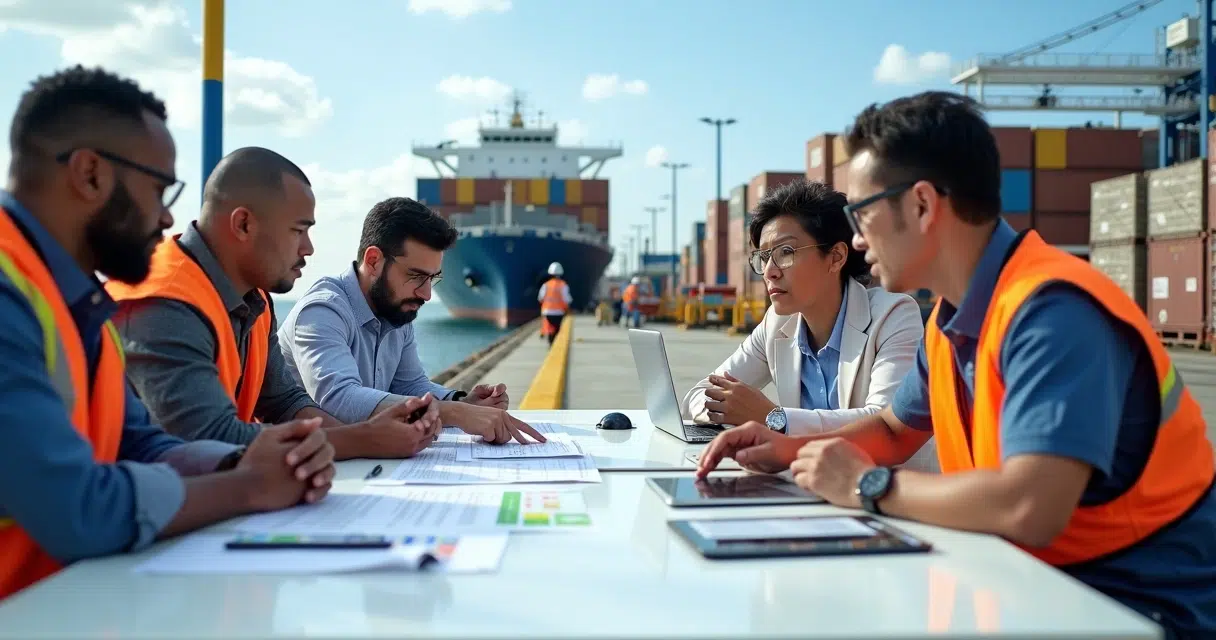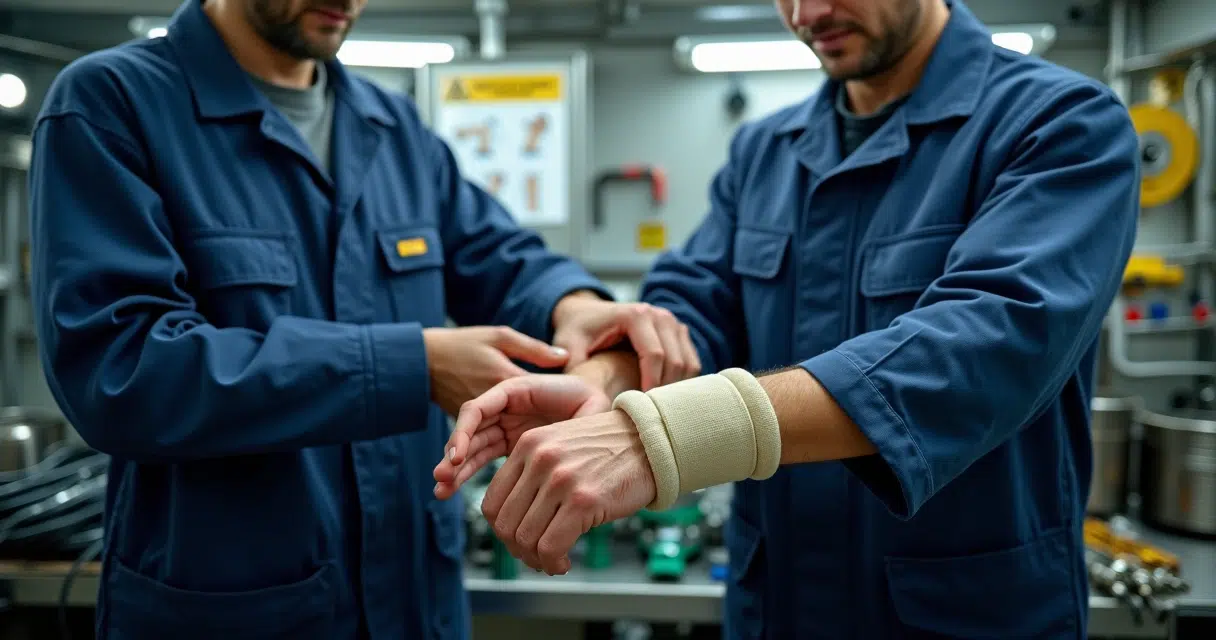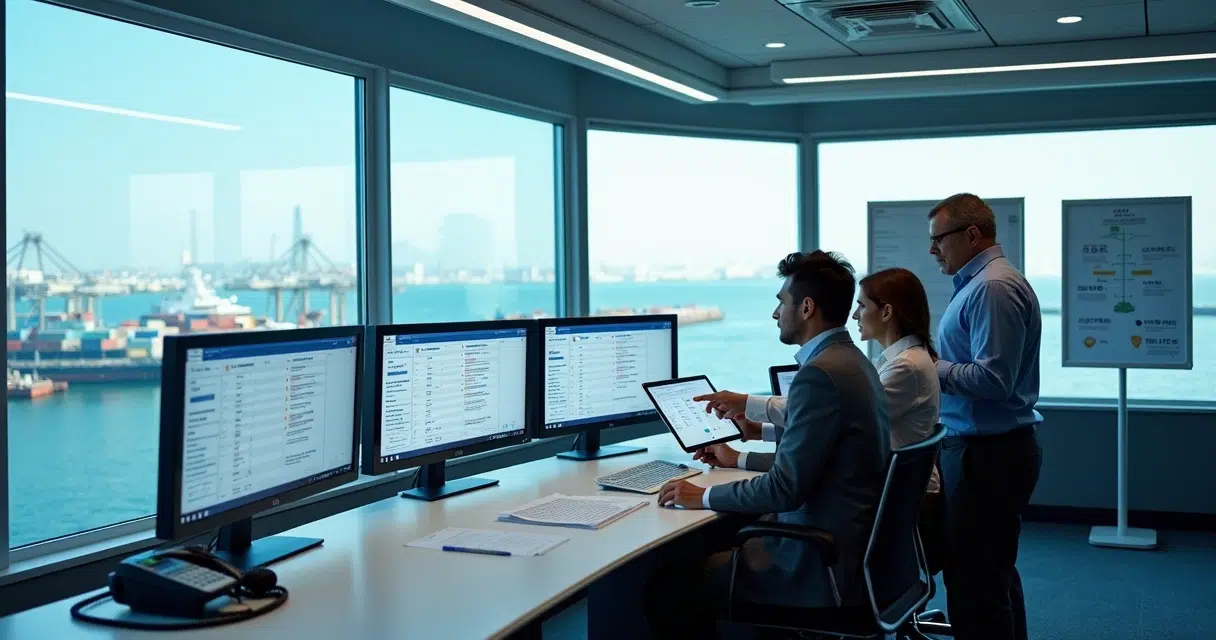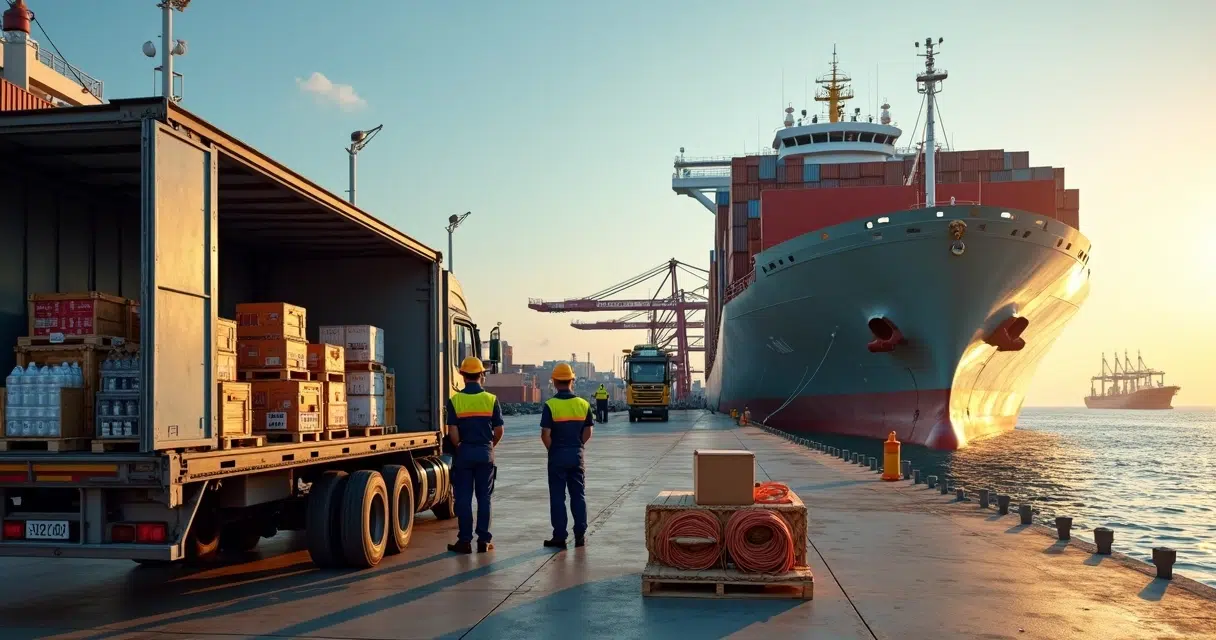
When I started working with ship provisioning many years ago, the Brazilian coastline felt nearly endless. Each port boasted its own pace and culture. I soon learned that the pulse of the country’s maritime trade was set not by container ships gliding in or tugs bustling alongside, but by the behind-the-scenes coordination of marine supply services. Without reliable suppliers and ship chandlers at work, ports would barely function and voyages would stall. This guide is my practical account of what it means to select, trust, and do business with maritime suppliers in Brazil today.
The backbone of shipping: why maritime supply matters
Brazil’s ports move nearly the entire trade volume for the country—studies by CADE report some 98% of exports and 92% of imports pass through them. When ships arrive at Santos, Rio de Janeiro, or Pecém, their operations are heavily dependent on suppliers who can answer demanding calls: fresh provisions, spare parts, technical support, safety gear, and more, all before the next departure window.
Quick delivery is not a luxury. It’s a necessity for maritime operations in Brazil.
In my experience, even a short delay in sourcing engine parts or provisions can cost tens of thousands—a risk nobody takes lightly in this line of business. That’s why projects like TROPICAL SHIP SUPPLY LTD. specialize in dependable service and wide coverage across Brazil’s main ports.
What ship chandlers and marine suppliers really do
I often think of ship chandlers as the unsung partners of global trade. Their services aren’t limited to dropping off groceries; it’s a coordinated system, blending logistics, compliance, expertise, and sometimes creative problem-solving. Here’s what I’ve seen them handle daily:
- Fresh and bonded stores provision
- Deck and engine consumables
- Technical equipment and spares
- Marine publications (charts, logs, manuals)
- Safety equipment: lifejackets, rafts, PPE, extinguishers
- Customs paperwork and regulatory compliance
- Waste management and environmental services
- Emergency assistance 24/7
Each supply point is like a hub. Some, including TROPICAL SHIP SUPPLY LTD., operate with teams on call in multiple strategic ports, multiplying their coverage and flexibility.
What I’ve seen in port: a quick story
Once in Paranaguá, I watched crews scramble as a tanker needed urgent safety supplies to pass inspection. Within hours, a chandler had sourced approved fire extinguishers, recalibrated gas meters, and handled certification—all before sunset. Moments like these are routine to ship suppliers; they speak volumes about why reliability matters more than low prices alone.
The main Brazilian ports and their supply networks
I’ve worked alongside suppliers in Brazil’s principal harbors. Each port has unique characteristics, and understanding these nuances is vital whether you’re the ship owner, operator, or an agent:
- Santos (SP): South America’s largest port, with full range of supply services and regular international arrivals.
- Rio de Janeiro (RJ): Major for offshore industry support, fresh foods, and technical equipment.
- Paranaguá (PR): Specializing in grains export, quick turnaround, and robust logistics networks.
- Pecém (CE) and Itaquí (MA): Strategic for new energy, bulk cargo, and growing international demand.
TROPICAL SHIP SUPPLY LTD. maintains teams in several of these harbors for agile response times. They can align with local regulations and customs, sparing clients the cost of missed deadlines or regulatory snags.
 The logistics: how Brazilian supply chains operate
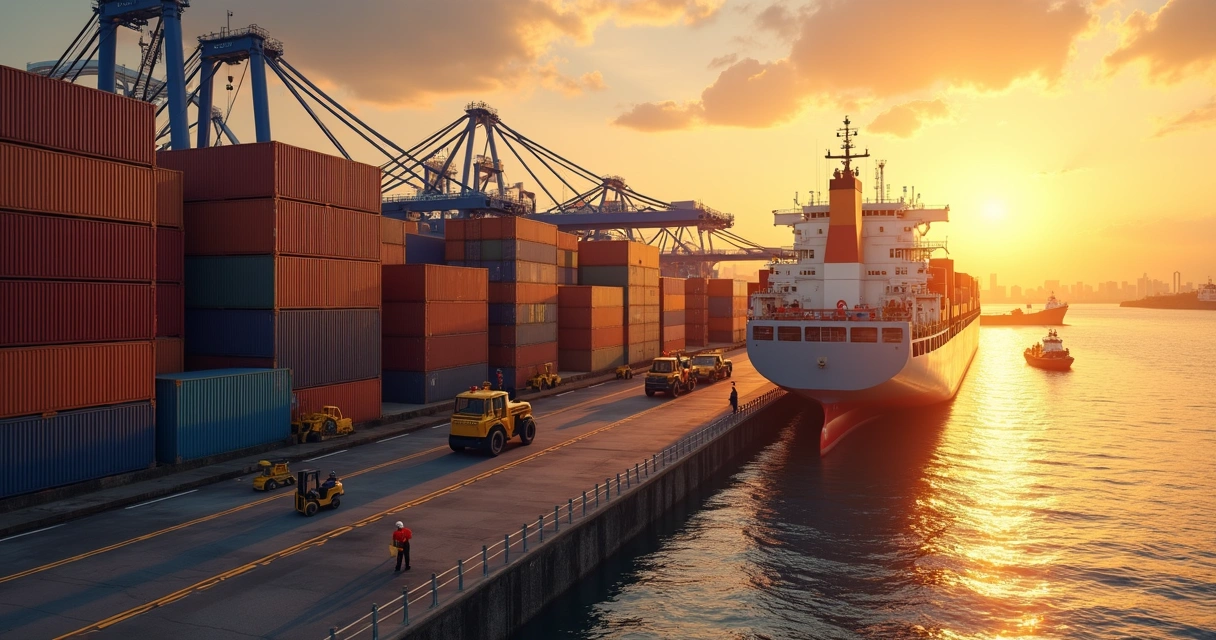 The logistics: how Brazilian supply chains operate
Ship supply isn’t just about stocking what’s on the ship’s grocery list. It’s a web that stretches across suppliers, transportation providers, regulatory agents, and the ships themselves. Here’s how the supply chain is often coordinated:
Integration and timing
In my experience, time is the hardest challenge. Everything revolves around the vessel’s turnaround schedule. Suppliers coordinate with port authorities, customs, trucking companies, and ship agents to schedule deliveries in tight windows.
Timing in supply chain delivery can mean the difference between profit and loss.
Compliance: a layer of complexity
Brazilian maritime regulations require careful compliance, especially when delivering international stores, hazardous materials, or specialized safety equipment. Suppliers like TROPICAL SHIP SUPPLY LTD. routinely manage local certificates, customs declarations, and international shipping protocols, ensuring goods are delivered legally and safely.
Wide array of supplies
From basic grocery items to highly technical spare parts for engine rooms, the requested items cover a broad spectrum. As a supplier, forecasting and strategic inventory planning are critical to avoid shortages—and these resources must often be available 24/7.
Waste handling and sustainability
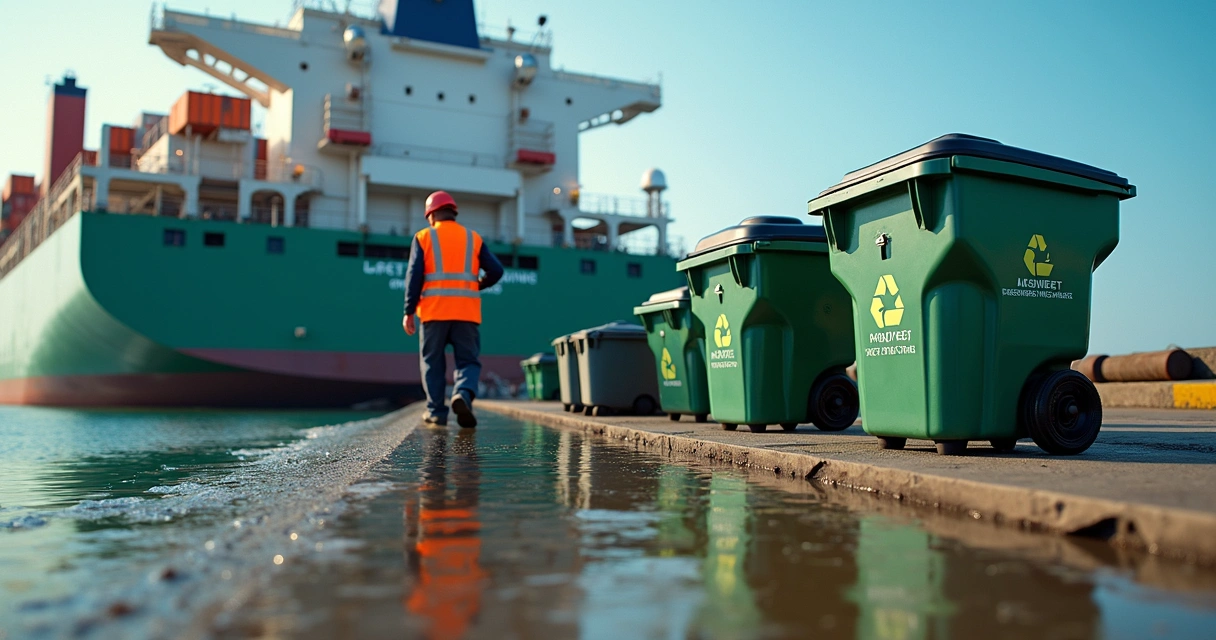
Modern ship supply services are not just about what comes onboard, but what leaves it. Sustainability has become a driving concern in Brazilian port operations. For instance, an ANTAQ study reports that 63% of public ports in Brazil are exploring green hydrogen, low-carbon vessel fueling, and hydrogen hub development as concrete next steps. Suppliers must now assist ships with waste removal, recycling, and offering sustainable product options for food and maintenance.
Selecting the right marine supplier: what to check
 Selecting the right marine supplier: what to check
Choosing who to trust with your ship’s needs takes more than a quick online search. Over time, I’ve come up with a checklist—to which I always return:
- Track Record: Check years of operation and feedback from other crews or agents.
- Port Presence: Suppliers with teams posted in key ports respond and deliver faster.
- Range of Services: A supplier should cover everything: provisions, bonded stores, spares, technical, and paperwork.
- Certifications and Compliance: Look for suppliers familiar with ISM, ISPS, and Brazilian requirements.
- Transparency: Ask for itemized quotes and clear communication.
- Competitive Pricing: Compare not only price, but total cost (timeliness, penalties avoided, product quality).
- Emergency Capabilities: 24/7 support is a must for vessels with tight schedules.
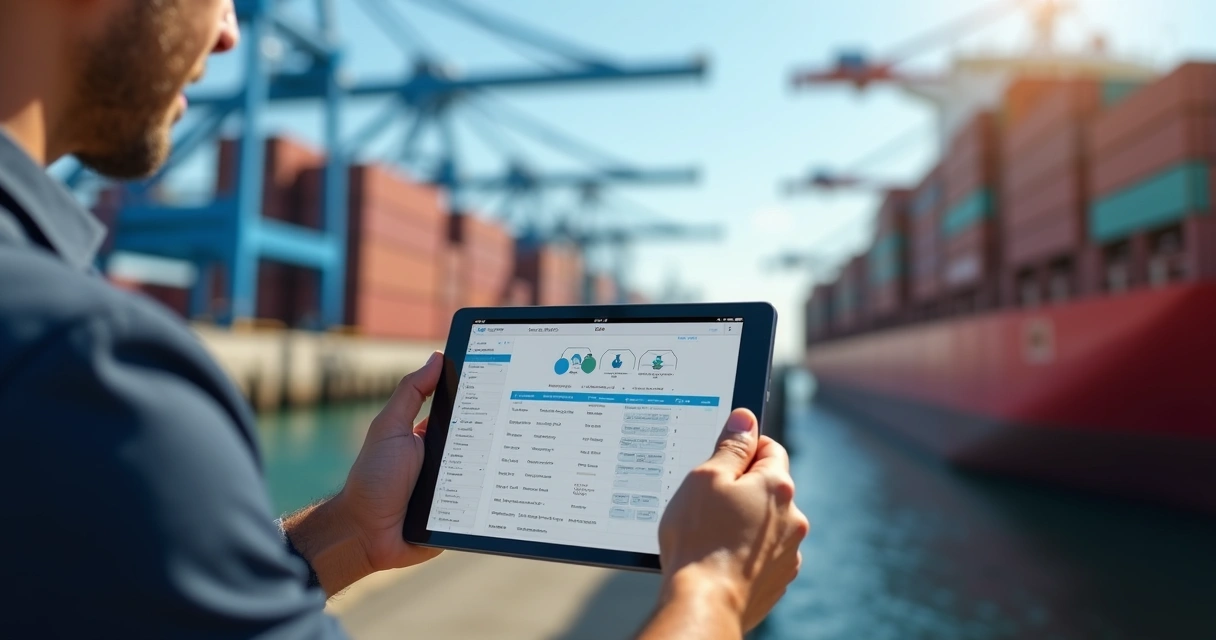
- Tech Adoption: Modern suppliers use tracking, cloud quotes, and manage stock databases digitally.
TROPICAL SHIP SUPPLY LTD., for example, combines on-the-ground teams, integrated logistics, and digital tracking. That’s often why their clients report fewer delays and better reliability across multiple ports.
Adapting to technology and market change
Over the past decade, Brazilian ship supply has seen digital transformation at every turn. Here are the advancements I see shaping the sector:
- Quotation and tracking platforms for instant communication
- Integrated logistics software to manage dispatch and inventory
- Cloud-based invoice and customs paperwork management
- Real-time delivery tracking for agents and shipmasters
- Digital product catalogs and online ordering for repetitive needs
Modern suppliers also adjust rapidly to global shipping volatility—container shortages, crew change requirements, or urgent compliance switches. That agility is not an option; it’s a basic feature of today’s marine supply industry.
New trends: sustainability, safety, and transparency
 New trends: sustainability, safety, and transparency
With climate goals pushed to the fore, more shipping clients are requiring suppliers to adapt. Brazilian ports are pursuing cleaner fuels, decarbonized operations, and stricter waste controls, as highlighted by official port studies. Suppliers have to offer not only more sustainable packaging and products, but also work closely with port waste collection and recycling programs.
Safety, too, remains at the center. Suppliers specializing in marine safety equipment now integrate real-time compliance alerts, manage expiry of gear, and train teams for on-ship servicing.
Transparency is where reputable suppliers stand apart. Clients today expect detailed cost breakdowns, item-level traceability, and open communication throughout every step. I have found that clear documentation avoids misunderstandings, maintains trust, and often enhances long-term relationships.
International compliance and working with global agents
Many ships entering Brazilian harbors are flagged under foreign jurisdictions. To serve these vessels, suppliers must know international maritime codes, especially when customs, health protocols, or safety inspections change with each port. Supplying according to SOLAS, MARPOL, and local ANVISA standards is routine for outfits like TROPICAL SHIP SUPPLY LTD.
For those interested in a more in-depth look at connected supply, the connections between maritime supply and global trade in Brazil are well worth a read.
Efficient logistics support for vessels of all types
From bulk carriers loaded with soybeans to high-value container ships and oil tankers, each vessel type brings distinct demands. Some, like cruise ships, may require extensive bonded stores and premium food supplies. Offshore support vessels need constant delivery of fast-moving spare parts or specialized technical support.
See logistics for ship supply in Brazil for more insights into the challenges facing different vessel segments, and how suppliers meet them.
Ship agent and owner perspectives: what they value
After years of speaking with both ship agents and owners, several priorities stand out:
- Speed: Agents need commitments kept, even with minimal notice.
- Clarity: Owners and operators value clear, itemized invoices and upfront quotes.
- Documentation: Paperwork must align with both port and international standards.
- Adaptability: Each voyage brings new compliance standards or unusual requests.
- After-sales support: Any issues with supplies must be handled on the same day, whenever possible.
In my experience, suppliers who address these points will gain loyal customers—and ships that run on time.
Getting started: asking for a quote and first contact
If you’re unsure how to begin, I recommend requesting a transparent, no-obligation quote. Good suppliers (such as TROPICAL SHIP SUPPLY LTD.) will send out a clear, itemized proposal, sometimes even with expiry dates or alternate product options in case of shortages. You can find more details on available offers under Brazilian marine supply solutions.
Your action plan for selecting a marine supplier
- Make a list of vessel needs and expected service areas (provisions, spares, safety).
- Check for port presence and service range in your required locations.
- Ask for recent client feedback if possible.
- Verify all needed compliance: both local and international standards.
- Request detailed quotes and compare not just prices, but lead time and included after-sales help.
- Engage in a brief conversation (even if by email or phone) to test the supplier’s responsiveness and flexibility.
Projects like TROPICAL SHIP SUPPLY LTD. were shaped by following these steps and attention to client feedback.
Conclusion: confident choices in Brazil’s marine supply sector
From my own experience, Brazil offers one of the most complex yet rewarding port networks in the world. The right marine supplier can mean a voyage that runs on schedule, with a happy crew and zero compliance headaches. With advances in sustainability, digital logistics, and safety regulation, today’s suppliers do more than deliver goods—they provide peace of mind and a foundation for long-term maritime relationships.
If you are planning your next port call or supporting ships in Brazilian waters, I encourage you to initiate a conversation with TROPICAL SHIP SUPPLY LTD. Request a free quote, ask questions, and see firsthand how their agility and transparency align with your operational needs. In a world where every hour at port counts, the right partnership will make all the difference.
Frequently asked questions
What is a maritime supplier in Brazil?
A maritime supplier in Brazil is a service provider dedicated to meeting the needs of vessels at the country’s ports. They offer products and services ranging from fresh food and technical equipment to safety gear and regulatory assistance. Companies such as TROPICAL SHIP SUPPLY LTD. focus on quick delivery, compliance, and comprehensive solutions for all types of ships, both national and international.
How to choose a reliable maritime supplier?
To choose a good maritime supplier, I recommend evaluating their port coverage, experience, compliance record, and feedback from other maritime professionals. Check for clear quotes, 24/7 availability, a broad product range, and digital service options like online ordering or tracking. Meeting these requirements helps ensure timely deliveries and regulatory compliance at every stage.
Where can I find top maritime suppliers?
Top suppliers often have teams based directly at Brazil’s main ports such as Santos, Rio de Janeiro, and Paranaguá. It’s best to research those with years of proven service and client references, like those featured on dedicated marine supply sites and category pages. TROPICAL SHIP SUPPLY LTD. is one example of a supplier with strategic teams present at primary Brazilian harbors.
What services do Brazilian maritime suppliers offer?
Service offerings are broad and include: fresh and bonded food supplies, spare parts, deck and engine consumables, safety gear, documentation, compliance support, and sometimes waste handling. Many also provide emergency call-outs, digital tracking of orders, and after-sales technical help.
How much do maritime supplies cost in Brazil?
Prices depend on the type of item, urgency, port location, and logistical requirements. Fresh provisions, for example, may fluctuate with season and distance from main markets. Spare parts and technical equipment are generally higher-priced, especially if imported or urgently required. I find that transparency in quotes is critical, with itemized costs and delivery details helping agents and shipmasters manage budgets.