Navigating Brazil’s coast is no small feat. Our ports bustle with vessels carrying food, fuel, containers, passengers, minerals, and manufactured goods. The need for reliable ship provisions sits at the heart of this thriving movement. At TROPICAL SHIP SUPPLY LTD., we have made it our mission to support ship operators and maritime agents who look for excellent service in sourcing maritime supplies. In this guide, we share insights shaped by decades of experience supplying ships in Brazil’s ports. We will explain what these services entail, who needs them, how to request them, and why the choice of provider really matters.
Understanding maritime supply in Brazil
Brazil plays a significant role in the global maritime scene, as shown by a national fleet profile of 900 ships totaling 5.7 million DWT, with ownership covering up to 14.185 million DWT. The country’s container port throughput reached 11.6 million TEU, securing its place as a key gateway for world trade, according to UNCTAD’s 2024 maritime profile.
We see these numbers come alive every day as we operate in major Brazilian ports. Our goal is to meet the needs brought by this shipping activity. That means not only delivering food and cleaning materials but also making sure compliance and speed are never left behind.
Speed, reliability, and quality make all the difference.
The scope of ship supply services
When vessels stop at Brazilian ports, their requirements go far beyond fuel and legal formalities. Ship provisioning covers everything required to keep operations running and crews comfortable at sea. We think it helps to see the main groups of maritime provisions we handle:
- Fresh produce, meats, dairy, and dry foods
- Bonded stores such as tobacco, drinks, and exclusive goods
- Technical supplies (spare parts, cleaning agents, lubricants, tools)
- Marine safety items (life jackets, fire extinguishers, distress signals)
- Cabin equipment and consumables
- Official publications, nautical charts, and regulatory documentation
- PPE and health supplies
Ship chandler services extend to anything a vessel and its crew might need before continuing their journey. These supplies keep things running smoothly, help crews rest comfortably, and support navigational safety.
Who benefits from proper provisioning?
We supply many types of vessels, but the main users of maritime supplies in Brazil include:
- Container ships following international and cabotage routes
- Bulk carriers transporting iron ore, grains, or oil
- Tanker ships moving fuel, chemicals, or edible oils
- Ro-ro and vehicle carriers
- Passenger and cruise ships
- Offshore support and platform vessels
- Special project or research vessels
Maritime agents and local representatives also play a central role. They coordinate requests, verify deliveries, and ensure all legalities are observed. In our experience, the strongest partnerships grow when communication is transparent, and both the ship and its local agent work hand-in-hand with us.
Types of ship provisions available in Brazil
Successful voyages depend on what you carry, not just where you go.
Fresh food and galley supplies
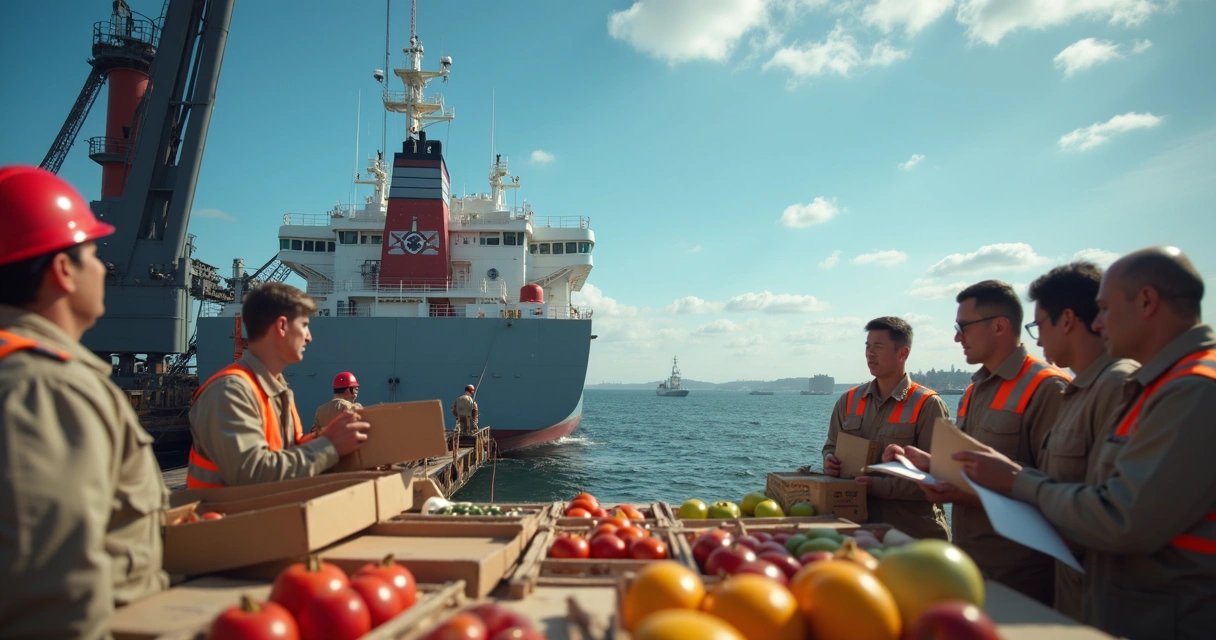
We take pride in sourcing fresh vegetables, fruits, bread, milk, eggs, meat, and fish. Local markets provide much of this, enabling rapid delivery and confidence in quality. We also understand that international crews sometimes require specific ingredients, halal or kosher items, spices, or snack foods. Our supply chain adapts to these needs.
Bonded stores: duty-free provisions
Bonded stores are a unique part of maritime supply. They include tobacco, liquors, perfumes, chocolates, and other items held in customs-bonded warehouses. Only ships with the right flag and route can access these, and documentation is always strict. Ships on international routes, especially, benefit from a well-run bonded store service, which we provide with full regulatory adherence.
Technical and deck supplies
Vessels often require more than food and fresh water. Cleaning agents, solvents, spare parts, lamps, ropes, safety tools, workwear, and hardware are constant needs. We keep a ready stock to supply requests at short notice, making it easier for crew to focus on operations, not supply runs.
Marine safety and compliance items
Safety at sea is not negotiable. Our warehouse holds life rings, flares, medical kits, gas detectors, and other compliance-driven products. Brazilian authorities enforce global standards, so our catalog always meets SOLAS, MARPOL, and regional rules.
Publications and navigational updates
Official charts, IMO publications, navigational warnings, and amendments make up another area of supply. Accurate paperwork and the latest edition are often required for vessel clearance and safety inspections.
Health and sanitary supplies
Events in recent years have highlighted the importance of reliable personal protective equipment, cleaning materials, and medical supplies. We responded by boosting stock and streamlining our own health protocols, ensuring ships and crews stay protected.
Main Brazilian ports for provisioning
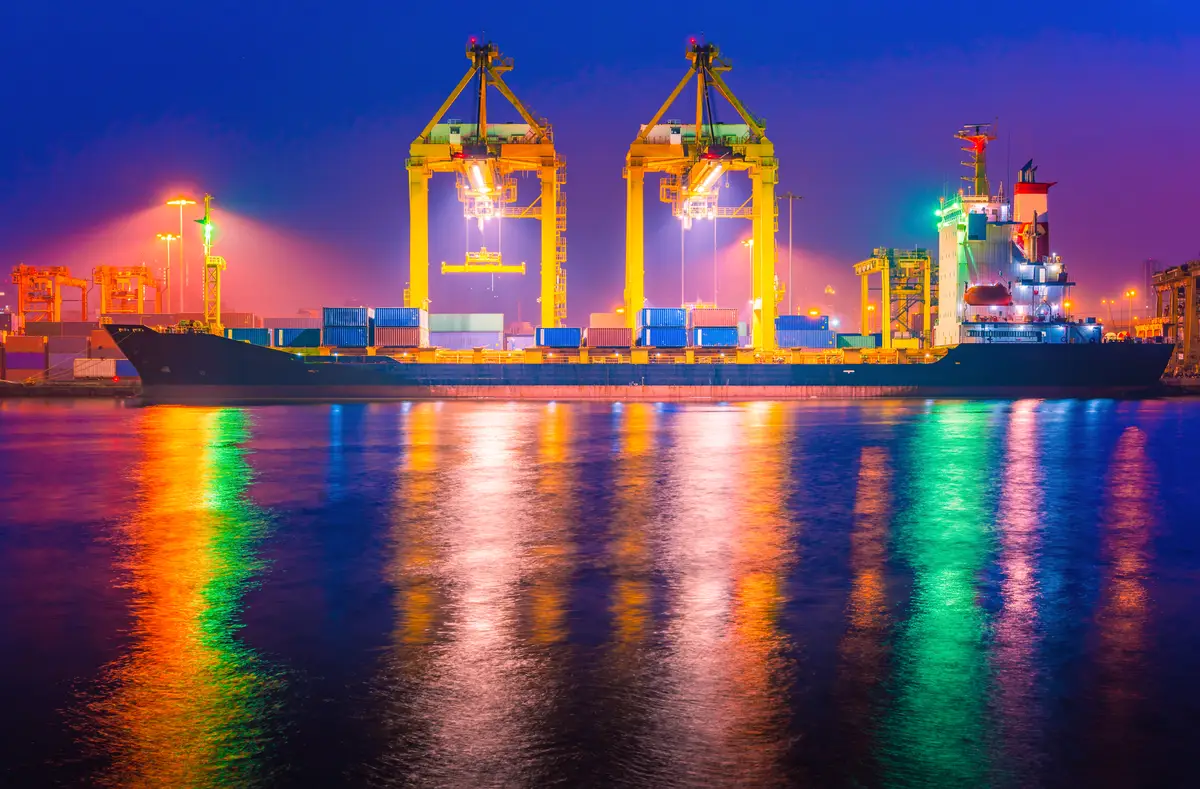
Strategic ports matter when planning maritime supply in Brazil. Key locations offer advantages in shipment frequency, availability of fresh stock, bonded warehouse access, and transport infrastructure. From north to south, every main port tells its own story, but all share a focus on fast turnaround and logistics precision.
Port of Santos: a standout hub
The Port of Santos is not only the biggest in Latin America but a natural point for many vessels to stop, stock up, and refuel. We have witnessed its transformation into a highly efficient logistics center. In 2021, the port handled 147 million tons of cargo and achieved a record budget surplus, as confirmed by official sources.
Those operating in Santos realize the port’s many strengths: proximity to agricultural and industrial suppliers, efficient container handling, and a robust local transport network. We covered the topic in more detail in our update about the Port of Santos and its mega terminal prospects.
Other major ports
Our team supplies vessels in all key Brazilian ports, including:
- Rio de Janeiro and Rio de Janeiro State (Itaguaí, Sepetiba, and Niterói)
- Port of Paranaguá (Paraná)
- Suape (Pernambuco)
- Port of Itaqui and Vila do Conde (Northern Brazil)
- Santos and Santos Bay area
- Port of Salvador (Bahia)
- Other regional ports: Vitória, Fortaleza, Recife, and more
Each offers unique benefits—local availability, bonded store opening hours, customs procedures, and connections to suppliers. Our experience helps us match the supply chain to the specifics of each port.
The logistics behind fast delivery
Timing makes all the difference at sea.
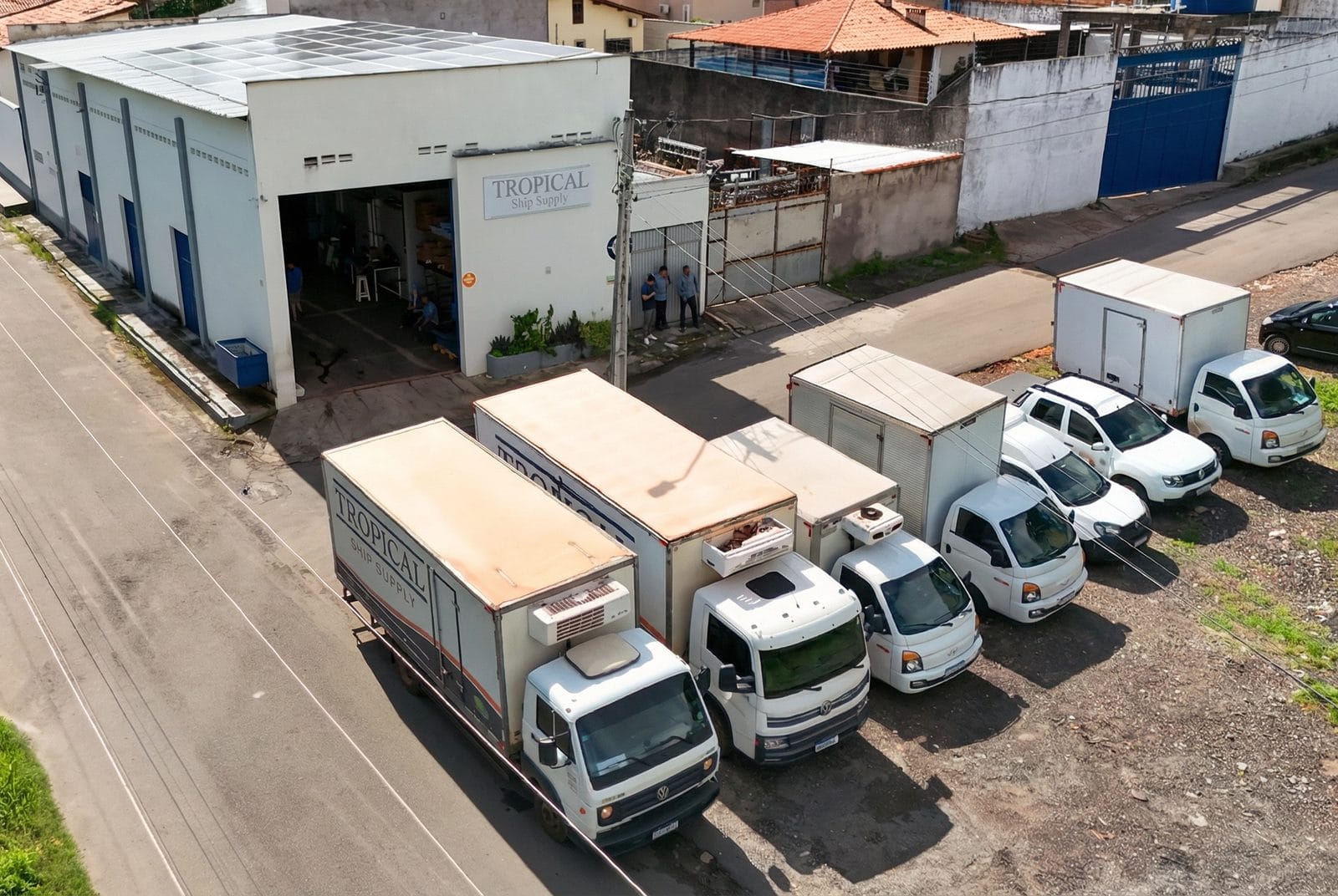
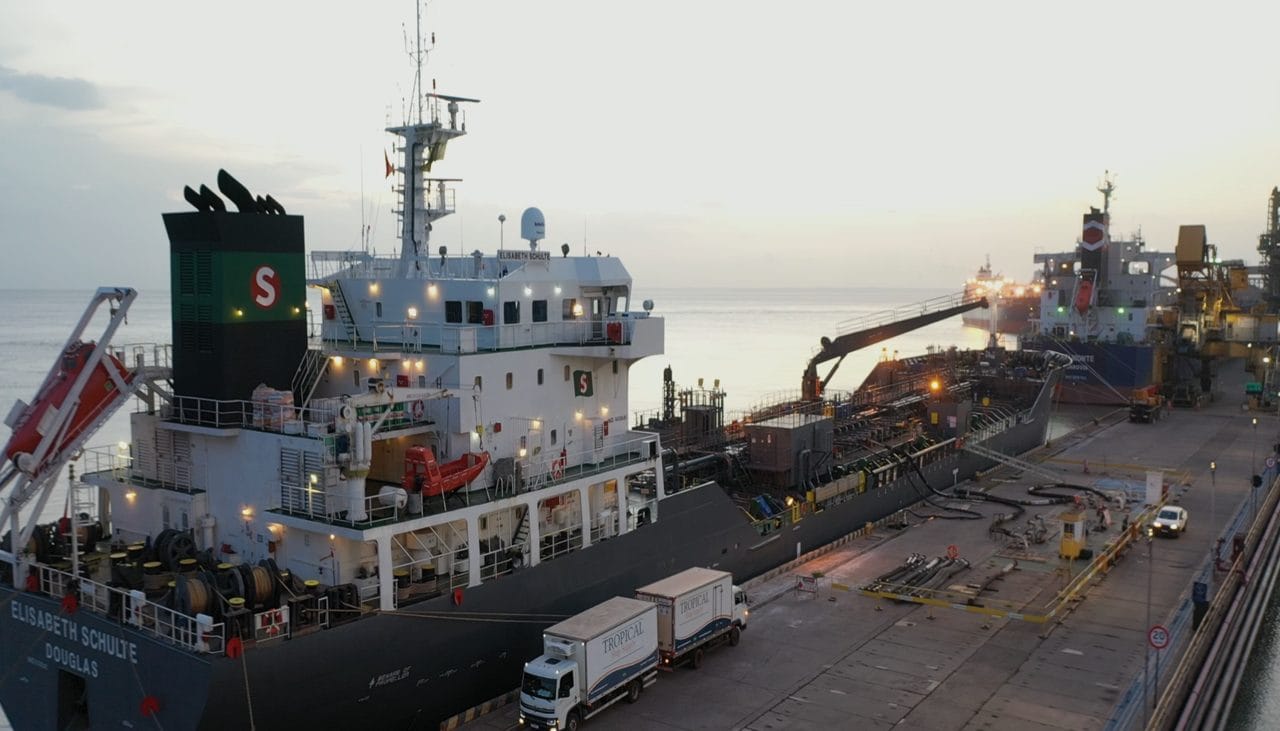
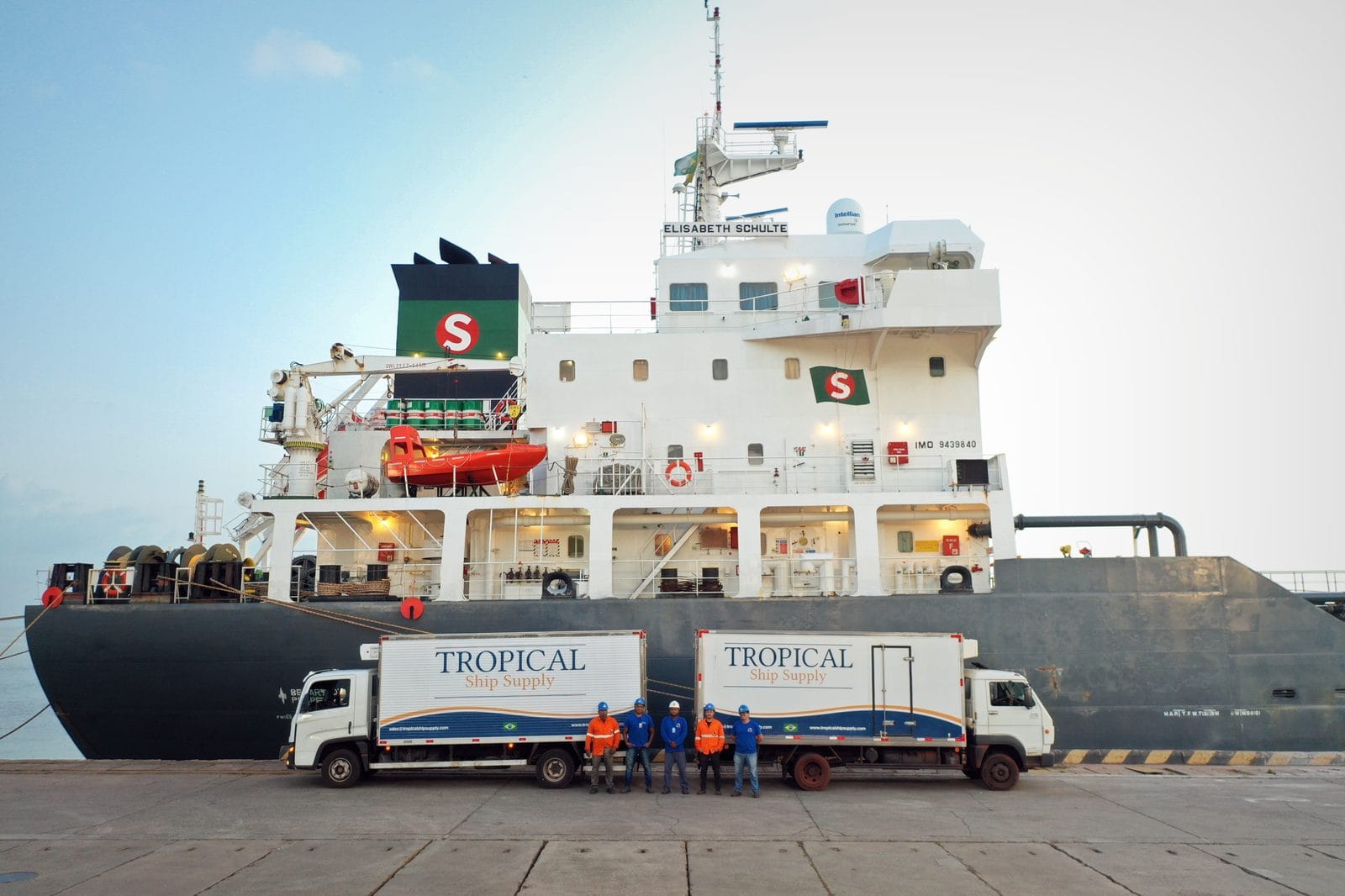
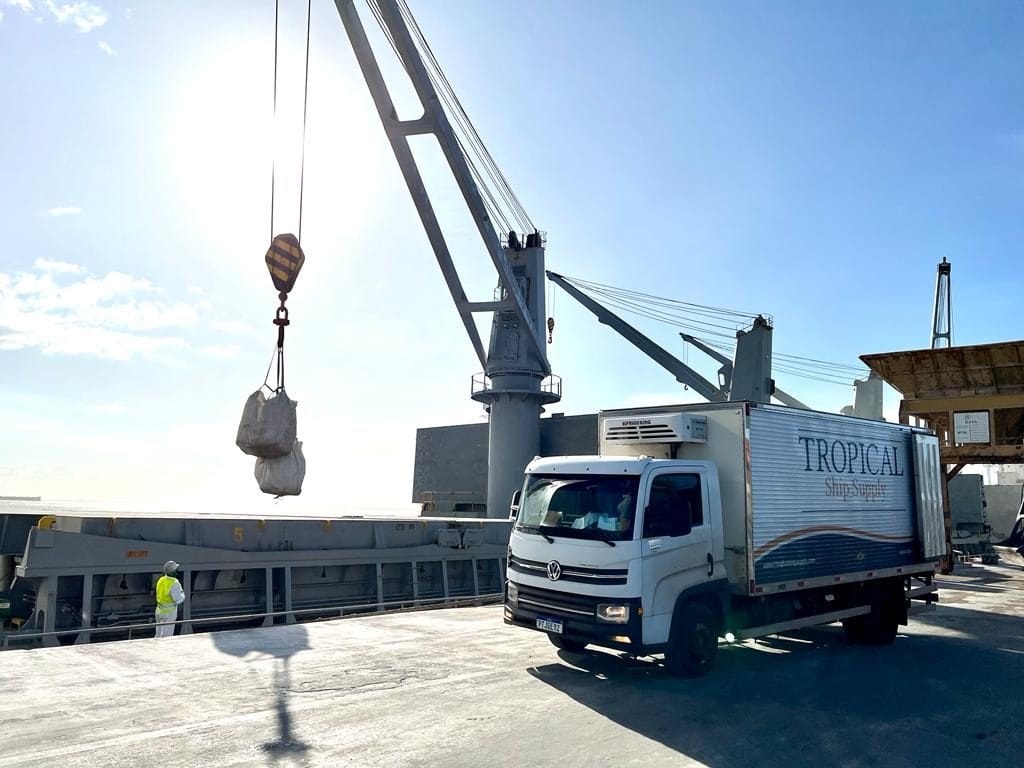
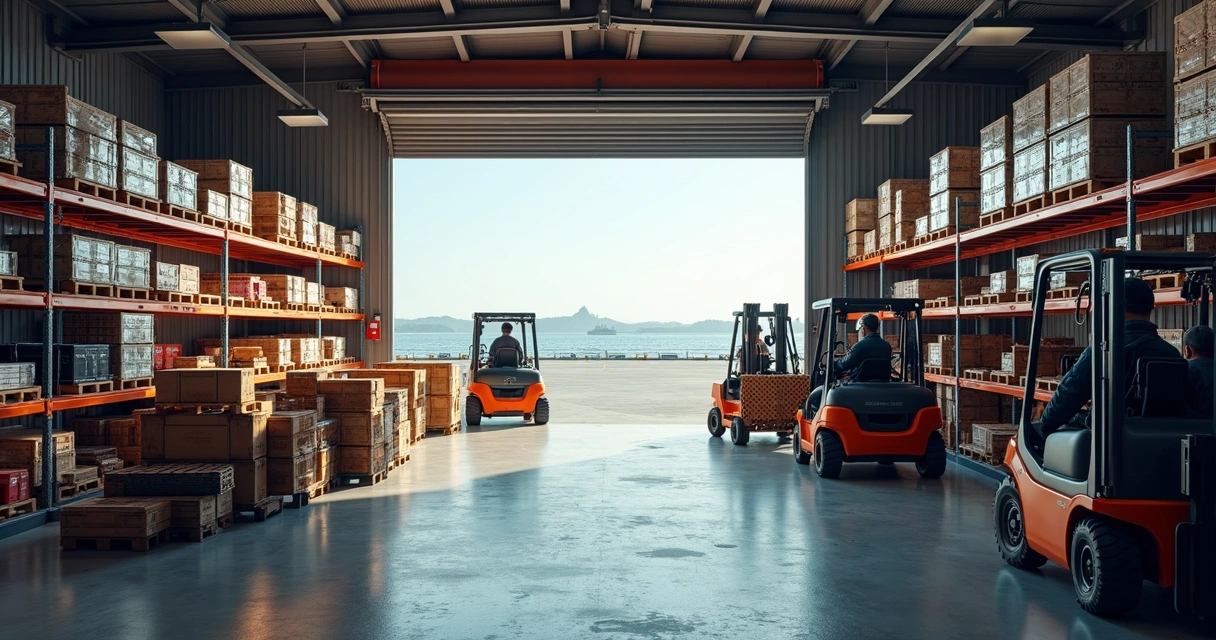
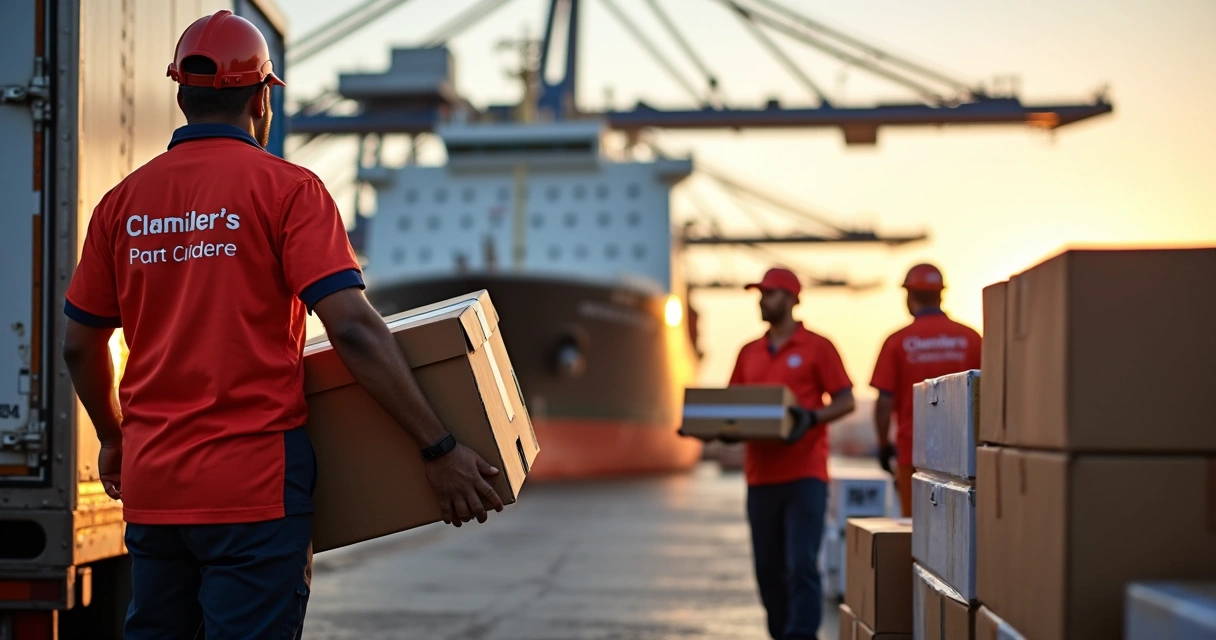
Our logistics teams coordinate with port operators, customs agents, and each client’s agent. From customs clearance to delivery on board and sign-off, we emphasize clarity in every step. Special refrigerated vehicles, secure storage, and skilled labor help us meet even the tightest vessel schedules.
Requesting a ship supply quote: What to expect
Requesting a quote for ship provisions in Brazil should be straightforward. However, the range of vessel needs means every request deserves individual attention. Here’s how the process unfolds with us:
How the quote request works
We start with details received from the ship’s agent or master. These typically include:
- Port of call and estimated arrival/departure time
- List of required provisions, quantities, and specifications
- Flag, IMO number, and voyage information
- Any special documentation (for bonded items, nationality needs, or dietary restrictions)
Our team prepares a tailored quotation, identifying alternatives when requested items are unavailable or when a faster option is possible.
What shapes the price and delivery time?
Several factors affect ship supply quotes in Brazil:
- Port type (busy international ports may offer more options)
- Delivery window relative to vessel schedule
- Current market rates for requested goods
- Special requirements (dietary restrictions, technical spare parts, urgent airfreight)
- Bonded goods handling fees and customs costs
Transparency is key when issuing quotations for ship provisioning. Our team explains any cost variables, and we send updated quotes if market changes occur. Hidden fees and surprise delays are never acceptable.
Turnaround and delivery standards
Fast, secure deliveries mean keeping close to the schedule. But just as important as speed, we find, is confidence in the product upon arrival. Vessels need assurance in quality, storage, and documentation. Delivery is always confirmed in writing, with photographs and digital signatures available upon request.
Ensuring regulatory compliance and quality standards
Quality is the base of trust between ship and supplier.
Brazil’s rules follow international conventions, such as SOLAS, MARPOL, and ISM. Local sanitary agencies, customs authorities, and maritime police enforce layers of compliance. We see it every day; these standards protect everyone—crew, environment, and local communities.
How regulation affects ship supply
We believe compliance is not just paperwork. It means:
- Documented sourcing and sanitary certifications for foodstuffs
- Licensed storage and bonded warehouse management
- Strict chain of custody for sensitive items (e.g., hazardous chemicals, alcohol, and tobacco)
- Full documentation for customs and port health authorities
- Adherence to expiry dates and batch tracking
Our warehouse and logistics procedures are regularly audited. We keep up with new rules and update our product range as needed.
Food safety and traceability
Food safety is a central concern, backed by health authorities. We guarantee every product supplied is traceable from source to vessel, with temperature control during transport and labeled in line with applicable rules.
Eco-responsibility for ships and the supply chain
As the global shipping community discusses decarbonization and efficiency, we have taken part by sourcing sustainable goods, using eco-friendly packaging, and streamlining our logistics as highlighted in our discussion about maritime decarbonization in Brazil.
Why choosing a specialized ship chandler makes a difference
Every day, ship operators tell us what matters most to them: reliability, range, speed, and communication. The choice of ship chandler directly shapes how smooth that next port call will be.
Reliability and speed in supply
A specialized provider, like TROPICAL SHIP SUPPLY LTD., operates in strategic ports, keeps stock of high-turnover items, and employs a dedicated expert team. That’s how we minimize time lost waiting for backup deliveries or chasing paperwork.
The best ship supplier adapts to every voyage, every vessel, every crew.
Range and customization
Ships running long routes need variety in cuisine, technical fittings, and branded spares. We build sourcing networks with both local and international partners, always ready to offer alternatives or substitutions that fit dietary, technical, or flag-state needs.
Transparent communication
Misunderstandings can sink the best plans. From first request to final sign-off, our team sends updates and keeps records, ensuring that ships, agents, and shore-side managers stay in sync at every stage.
Local knowledge meets global demand
We have watched Brazil’s fleet grow and requirements change. According to Brazil’s national export records for 2024, the country reached over 28,800 exporting companies and USD 337 billion in international trade, bringing more vessels with complex needs to our shores.
Evaluating ship supply partners in Brazil
With decades of supporting ships in Brazilian ports, we have learned how to spot a reliable supplier. Operators and agents will benefit from considering these practical criteria:
- Presence and local expertise in major ports
- Open, fast communication with agents and vessels
- Adherence to regulatory requirements, including global and local standards
- Audit processes for traceability and product safety
- Diversified item catalog, covering food, technical supplies, safety, and bond stores
- Clear and fair pricing with detailed breakdowns
- Logistics capability—own vans, warehouse management, and on-dock teams
- References and track record with international flags
Choose a partner able to solve problems before they occur.
Red flags to watch out for
- Lack of valid sanitary certifications and customs clearance capability
- Slow or vague replies to quote requests
- One-size-fits-all catalogs instead of tailored options
- Hidden surcharges or unexplained costs
How Brazil’s maritime sector shapes supply needs
The movement in Brazilian ports reflects a large and diverse fleet. The UNCTAD 2024 maritime profile highlighted the importance of our sea trade, and every port stop tests a supplier’s ability to adapt.
From year to year, we see more ships requesting specialized supplies—technical spares for new-generation vessels, eco-friendly cleaning products, or custom health and safety kits. Our job is to keep ahead of those changes by listening to our customers.
Trends in Brazilian maritime supply
We have identified key changes in recent years:
- Greater demand for international brands and specialty items
- Increased scrutiny on food safety, health, and sustainability
- Supply chain digitization: faster quotes, real-time tracking, and remote pre-approval
Recent changes in Brazil’s port infrastructure, especially the expansion and privatization of some terminals like Santos, open more possibilities. Each development brings sharper delivery windows and higher expectations, as we discussed in our article on iron ore exports and major vessel movements.
Challenges and solutions
No two supply requests are ever the same. Tight deadlines and customs restrictions can present hurdles, but we face them with flexibility and preparation. Early planning, strong logistics partners, and ongoing dialogue with port authorities allow us to overcome most barriers.
Practical scenarios: How proper supply supports operations
Sharing some practical examples shows why supply choices really matter:
- A bulk carrier must switch its shipment at the last minute, now requiring fast-turnover of cereals, cleaning agents, and lubricant while anchored offshore. Our team coordinates a waterborne delivery at dawn, complete with full documentation and confirmation before noon.
- A passenger vessel calls for fresh produce, halal meats, and gluten-free items for a mixed crew. Sourcing happens from approved local vendors, and everything is delivered chilled and sealed, with digital traceability and direct crew sign-off on deck.
- A tanker is delayed at customs, risking missed connection and food spoilage. We hold the cargo in a temperature-controlled warehouse, updating the client every three hours to maintain transparency and avoid quality loss.

Staying informed: Brazilian maritime news and supply updates
The Brazilian maritime world is always moving. Regulatory changes, port expansions, and shifts in global trade can change the supply dynamic overnight. We follow and share these updates on our own platform, with a monthly round-up of Brazilian maritime news and sector trends. Keeping informed helps everyone plan ahead, cut costs, and avoid surprises.
Our commitment to the maritime community
At TROPICAL SHIP SUPPLY LTD., every delivery represents more than just items ticked off a list. For us, it’s a show of trust—a partnership built through consistency. We keep building our solutions and response time through experience, feedback, and always listening to what ships and crew are really asking for.
What sets us apart?
- Strong relationships with local producers, importers, and regulatory agencies
- Customized catalogs tailored to each vessel’s real needs
- Multi-lingual team with backgrounds in navigation, engineering, and logistics
- Up-to-date compliance with all new Brazilian and international maritime requirements
- Values of clarity, honesty, and readiness in every quote
Conclusion
Choosing the right supplier for ship provisions in Brazil is a choice that extends beyond products and invoices. It’s about peace of mind for the crew, compliance for the ship owner, and smooth operations for the operator. In a shipping trade that keeps breaking records, such as the 2024 milestone in Brazilian export companies, the pressure for quality, speed, and reliability will only grow.
We are here to respond to these demands with fast deliveries, open communication, and full compliance. If your vessel is calling at any Brazilian port, reach out for a free, no-commitment quote. Discover how TROPICAL SHIP SUPPLY LTD. can help you simplify your stopovers, protect your crew, and move forward with confidence.
Frequently asked questions
What are maritime provisions in Brazil?
Maritime provisions in Brazil include fresh food, technical equipment, safety gear, bonded items, and cabin supplies delivered to ships in Brazilian ports. These supplies keep vessels and crews ready for continued operation and in compliance with international and local standards.
How to order ship supplies in Brazil?
To order ship supplies, contact a local ship chandler or supplier like TROPICAL SHIP SUPPLY LTD. with your requested items, vessel details, port, and delivery time. The process involves sharing a list of needs, confirming pricing and availability, and agreeing on logistics and documentation. We guide you every step, coordinating with your agent to ensure timely supply.
Where to find quality ship provisions?
Ships can source provisions at most major Brazilian ports, with suppliers specializing in delivery to vessels at berth or anchorage. TROPICAL SHIP SUPPLY LTD. is present in all major hubs, offering full traceability and certified quality in each shipment. For news and trends, visit our section on Brazilian maritime news and sector updates.
How much do ship provisions cost in Brazil?
Prices vary with port location, item type, local market trends, and urgency of delivery. Quotes are based on your specific list and schedule. We offer clear, detailed breakdowns in our quotations and never add hidden fees. Costs of bonded items may also include customs or handling charges, depending on demand and documentation.
What documents are needed for provisioning ships?
Typical documents include the vessel’s IMO number, arrival notice, customs clearance forms (for bonded stores), and specific crew or dietary requests as needed. We also provide sanitary certificates, traceability records, and signed delivery receipts to comply with regulatory and company audit standards.