Selecting the right port in Brazil can make the difference between smooth sailing and frustration for shipping agents, shipowners, and suppliers. Our team at TROPICAL SHIP SUPPLY LTD. has seen firsthand how the choice of gateway directly impacts provisioning, timing, cost management, and overall supply chain performance. Our hands-on experience across various regions has taught us that port selection is never arbitrary—it shapes every step after berthing.
Why choosing the right port makes all the difference
Each Brazilian harbor stands apart in its capabilities, location, and service structure. This diversity offers opportunities and unique hurdles for maritime operators. When we match vessel needs with the correct gateway, we secure better delivery windows, cost predictability, and regulatory compliance. Missteps, on the other hand, can derail schedules or inflate expenses quickly.
Recent figures show a marked growth in Brazil’s cargo traffic. As reported by Datamar News, ports processed 1.27 billion tonnes between January and November 2025—a number demanding both strategic port choice and robust infrastructure. With this boom underway, awareness of what each port offers is more valuable than ever.
Port choice can be your strongest asset—or a hidden liability.
Spotlight on Brazil: A diverse shipping map
Brazil’s coastline stretches more than 7,000 kilometers, dotted by a range of ports tailored for vastly different trades and vessel profiles. From the bustling commercial centers of the Southeast to the new energy opportunities in the North, the country’s harbors answer to global and regional shipping needs alike.
The most relevant ports: Location, infrastructure, and specialties
Let’s look at the major harbors that form the backbone of international and domestic line supply:
- Port of Santos (São Paulo): The busiest container port in Latin America, leading both exports and imports. Facilities handle everything from grains, coffee, and sugar to bulk chemicals, automobiles, and steel. Access is by river channel with substantial draft, and recent modernization now includes automation and digital cargo tracking. Santos often sets the benchmark for other Brazilian ports. (More information about new container terminal developments.)
- Port of Itaguaí (Rio de Janeiro): A leader in iron ore and industrial minerals, favored for deep berths and quick railway access. Much of the traffic is bulk, but its capacity to accommodate large vessels is a draw for raw material exporters and fast bunker supply operations.
- Port of Paranaguá (Paraná): Renowned for efficient grain logistics thanks to modern silos, rapid turnaround, and a well-developed support network. The port is vital for soybean, corn, and sugar shipments—popular among agricultural traders and ship supply companies.
- Port of Rio Grande (Rio Grande do Sul): A gateway to Southern Brazil and the Mercosur region, Rio Grande supports grains, containers, and project cargoes. Deep draft and weather protection make it accessible year-round. Maritime services and bonded warehouses are robust.
- Port of Suape (Pernambuco): One of the fastest-growing complexes. Its location outside the cyclone belt, deep draft, and strong links to the Northeast’s industrial, energy, and agricultural sectors boost supply and logistics efficiency.
- Port of Manaus (Amazonas): A unique freshwater port in the heart of the Amazon basin, Manaus is the go-to for local shipyards, oil and gas supply, and the city’s industrial free trade zone. Seasonally challenging river navigation is counterbalanced by proximity to regional supply chains.
There are other ports like Vitória, São Francisco do Sul, and Pecém, each supporting specific trades, but the above six represent primary choices for most international and domestic operators.
Comparing infrastructure and cargo flow
Recent statistics indicate Southeast ports alone (led by Santos, Itaguaí, and Paranaguá) handled over 635.3 million tonnes in 2025, a 6% increase that speaks not only to market volumes but also to enhanced physical infrastructure over the last decade (Datamar News analysis). These ports dominate containerized shipments, bulk raw materials, and high-value goods.
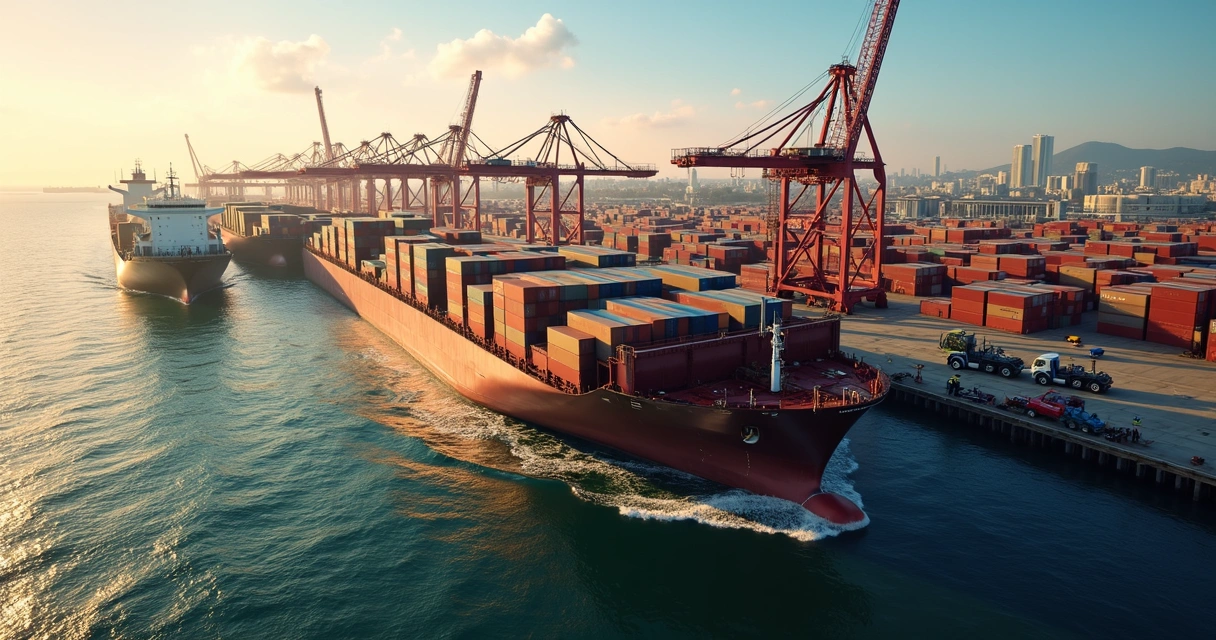 Southern gateways like Rio Grande focus on grains, specialized bulk, and manufactured goods, while Suape’s newer facilities handle both containers and breakbulk—often with shorter waiting times due to state-led expansion. In contrast, Manaus relies on efficient river logistics, serving oil, mining, and regional industry.
Port infrastructure—berth length, draft, warehouse space, and support services—can define which ships are accepted, how quickly cargo is processed, and what kind of supply chain support is present. This has a direct effect on choices ship agents make for quick turnaround or low demurrage risk.
The impact of port choice on ship supply and agent operations
Through our supply work at TROPICAL SHIP SUPPLY LTD., we’ve experienced how the choice of gateway can affect every link in the ship supply chain. Here are factors we consider when guiding clients:
- Delivery window: Some ports have efficient customs and less congestion, supporting tight schedules. Others may face seasonal weather issues, equipment downtime, or labor shortages, which can delay supplies.
- Cost control: Local fees, taxes, and mandatory services (pilotage, mooring, bonded transfers) can swing costs even between nearby ports. We compare all line items ahead of time to remove surprises for our clients.
- Local supplier base: Ports like Santos and Paranaguá have a dense network of fresh food, bonded goods, and safety equipment providers, allowing us to source urgent needs with minimal notice.
- Compliance and documentation: Navigating local regulations is smoother in gateways with well-established customs processes, rapid clearance, and a clear logistical ecosystem.
In recent years, port upgrades (such as terminal automation and digitization) have shortened supply chains and increased visibility. Still, agents must check for works-in-progress or labor unrest that could complicate planning, especially in long-haul supply scenarios.
The right port keeps your vessel—and your budget—on track.
What every ship supplier and agent should check before choosing a port
As a ship chandler and supplier to both national and international vessels, we recommend keeping the following in mind:
- Customs procedures: Each port’s customs office has its own digital and manual processes. Pre-clearance options and document requirements vary; in some ports, delivering bonded stores or technical equipment is faster than in others.
- Bonded store access: Not all ports provide 24-hour bonded warehouse access or flexible delivery times. In gateway ports like Santos and Suape, this is rarely a constraint, but smaller or regional harbors have stricter times.
- Availability of ship services: Launch boats, waste disposal, fresh water, and repairs may be plentiful in large complexes. Smaller ports might need more coordination for these, especially during holidays or adverse weather.
- Transparency in agreements: Clear service level agreements protect shipowners and agents from unexpected costs or delays at unfamiliar ports. Always request detailed quotes and breakdowns.
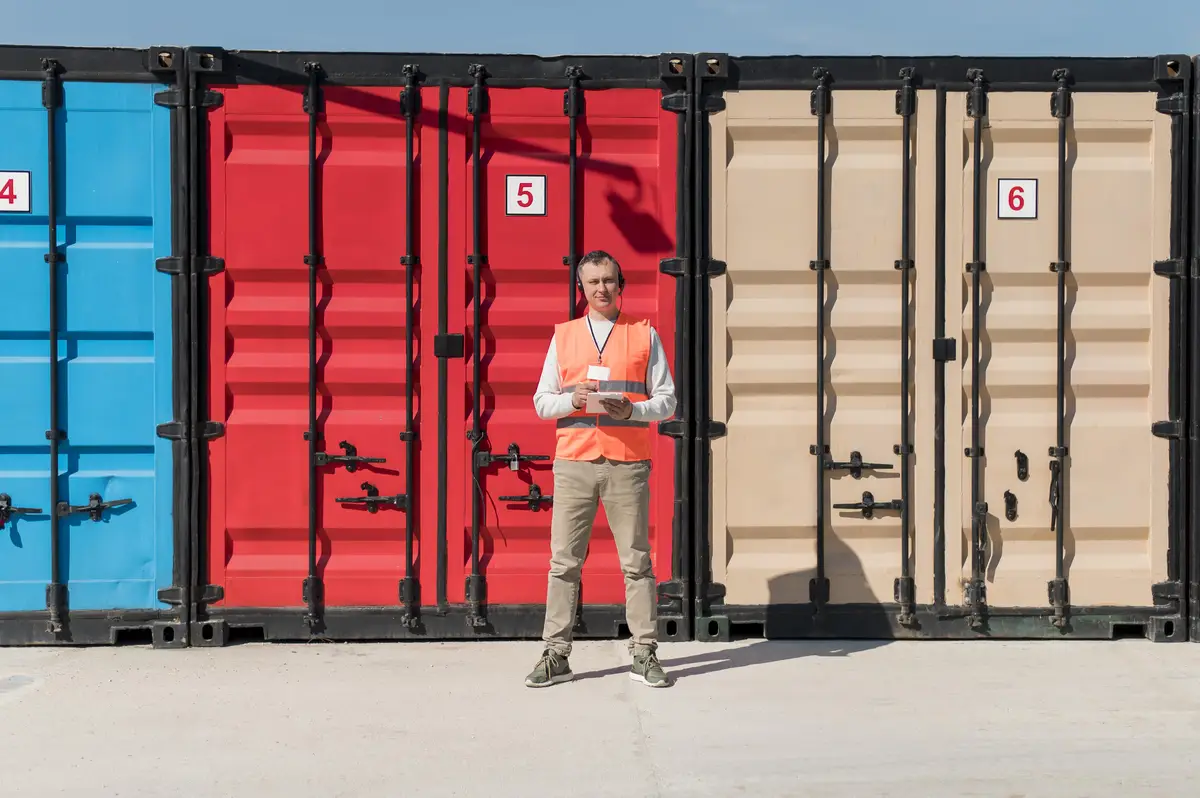 In our daily work at TROPICAL SHIP SUPPLY LTD., we see that cultivating direct relationships with customs brokers, port agents, and suppliers at each harbor streamlines compliance and minimizes the risk of shipment issues. We enjoy sharing this local insight, so our clients always feel in control—even when they’re thousands of miles from shore.
Modernization, challenges, and the path forward
Brazil is balancing growth with infrastructure upgrades and regulatory improvements. Major ports—especially Santos, Suape, Rio Grande, and Paranaguá—are adopting automated systems, improved road and rail links, and digitized customs interfaces. This helps remove old pain points for delivery and compliance.
However, certain challenges persist. Seasonal congestion, labor disputes, and climate events (like flooding in the South or low river levels in Manaus) can pose risks for just-in-time supplies. We closely track these variables for all our operations, keeping our clients informed so they can adjust voyage plans where needed.
Environmental pressures and global expectations are also changing port services. As we discussed in our article on Brazil’s maritime decarbonization dilemma, ship supply must now consider fuel types, emissions regulations, and the integration of new green logistics options.
There is ongoing debate about the privatization of certain port terminals and the role of mega-container projects, particularly in ports such as Santos. These shifts bring new investment but also demand transparent partnership between agents, suppliers, and port authorities. We remain closely engaged in the latest industry updates, including Guaibamax ships and the evolving role of Vale’s bulk carriers in Brazil, always on the lookout for what these changes mean for our customers.
How to achieve fast, reliable delivery and full transparency
Nobody likes to wait. Delayed deliveries disrupt crew routines, affect voyage schedules, and increase costs. We’ve learned through two decades of operations that reliability comes down to three simple practices:
- Work with partners on the ground: Reliable local teams anticipate bottlenecks and monitor real-time port conditions. Having a supplier like TROPICAL SHIP SUPPLY LTD. at the port, with 24/7 communication, makes sudden requests possible.
- Share clear, upfront delivery and pricing terms: Transparency avoids disputes and builds trust. We issue detailed, line-by-line quotes, so agents and owners always know what to expect.
- Stay updated on port regulations and logistics trends: We follow cargo traffic trends, port upgrades, and regulatory changes closely—such as those found in our Brazil ship supplier analysis. This knowledge lets us preempt problems and provide guidance tailored to each gateway.
If there’s a single rule, it’s this: Plan ahead with timely, accurate intelligence tailored to the port and your vessel profile.
Conclusion: Setting your Brazil supply strategy
Brazil’s ports provide a wealth of opportunities for ship operators, agents, and suppliers—each with its own operational rhythm. The right gateway means on-time deliveries, well-managed costs, and a stress-free port call. Having the right supply partner to assist not only with provisioning but also with local insight, compliance, and 24/7 support makes all the difference.
If you want to know how TROPICAL SHIP SUPPLY LTD. can help you make the most out of your next call at any Brazilian port, get in touch for a free, no-obligation quote. We are ready to deliver—and guide you through the entire supply process, so your voyage runs as planned, every time.
Frequently asked questions
What are the main ports in Brazil?
Brazil’s major ports include Santos, Paranaguá, Rio Grande, Itaguaí, Suape, and Manaus. These harbors are known for their cargo volume, advanced infrastructure, and broad range of maritime services. Santos stands out as both the largest and most versatile, followed by strategic gateways in the South, North, and Northeast regions.
How to choose the best Brazilian port?
To select the optimal port, match your vessel’s cargo, delivery window, and service needs to the available facilities, customs processes, and supplier network at each harbor. Seek ports with low congestion, efficient customs, and a reliable track record in your trade sector. Engaging local experts ensures faster clearance and better cost management.
What services do Brazil ports offer?
Most Brazilian ports supply a full spectrum of services for ships and agents: fresh and bonded provisions, technical stores, safety equipment, customs clearance, launch boat operations, waste disposal, water and bunkering supply, and urgent repairs. Larger ports have broader service options 24/7, while smaller harbors may require advance notice or coordination.
How much does port entry cost in Brazil?
Costs for entry depend on vessel size, cargo type, required services (pilotage, mooring, berthing), local taxes, and port dues. Major gateway ports publish transparent tariffs; ancillary fees sometimes vary, so always request a full cost breakdown before the call.
Which Brazil ports are best for agents?
Agents typically prefer ports with efficient digital systems, reliable scheduling, extensive supplier presence, and robust support from both customs and local authorities. Santos, Paranaguá, and Suape frequently top the list for their infrastructure, service availability, and smooth agent experience.