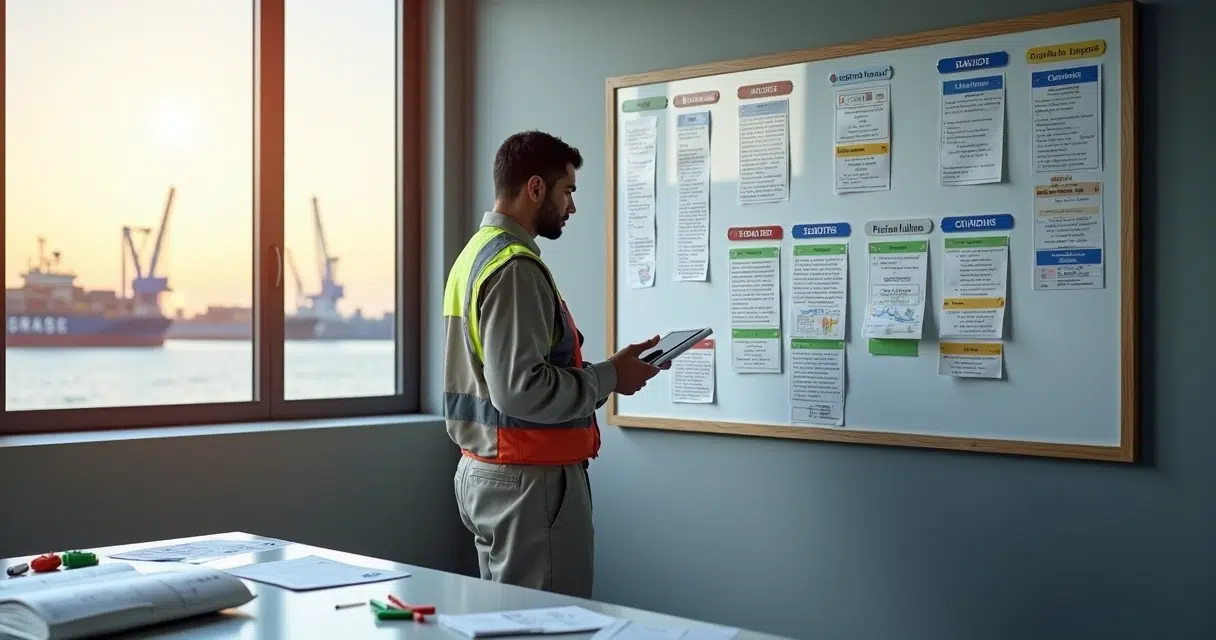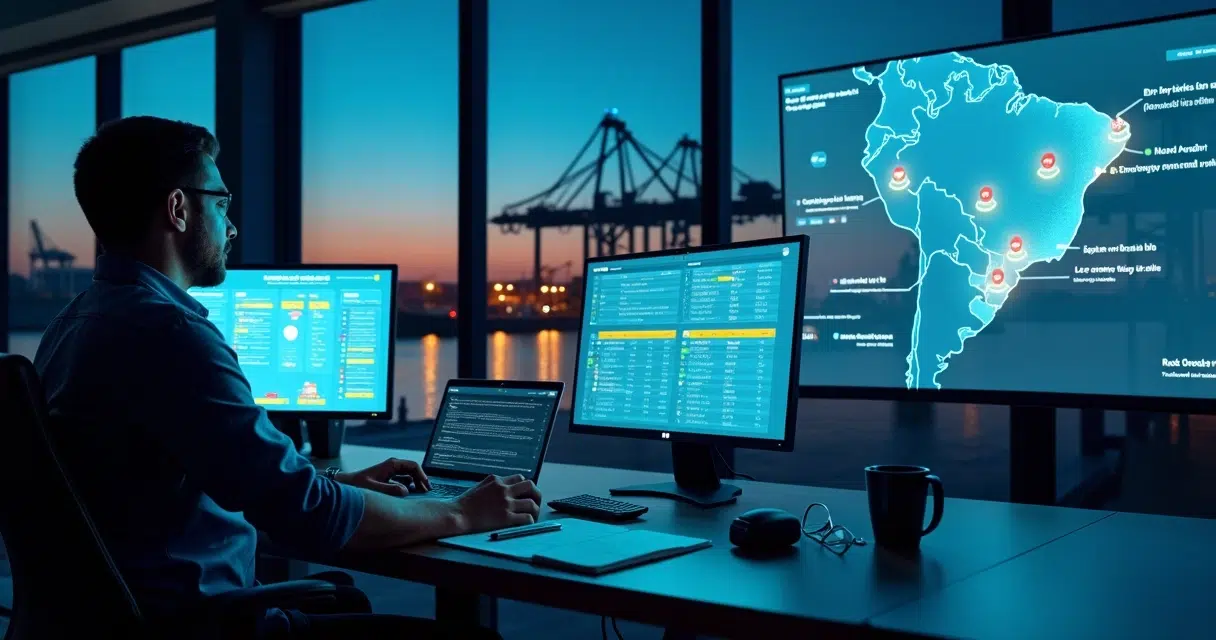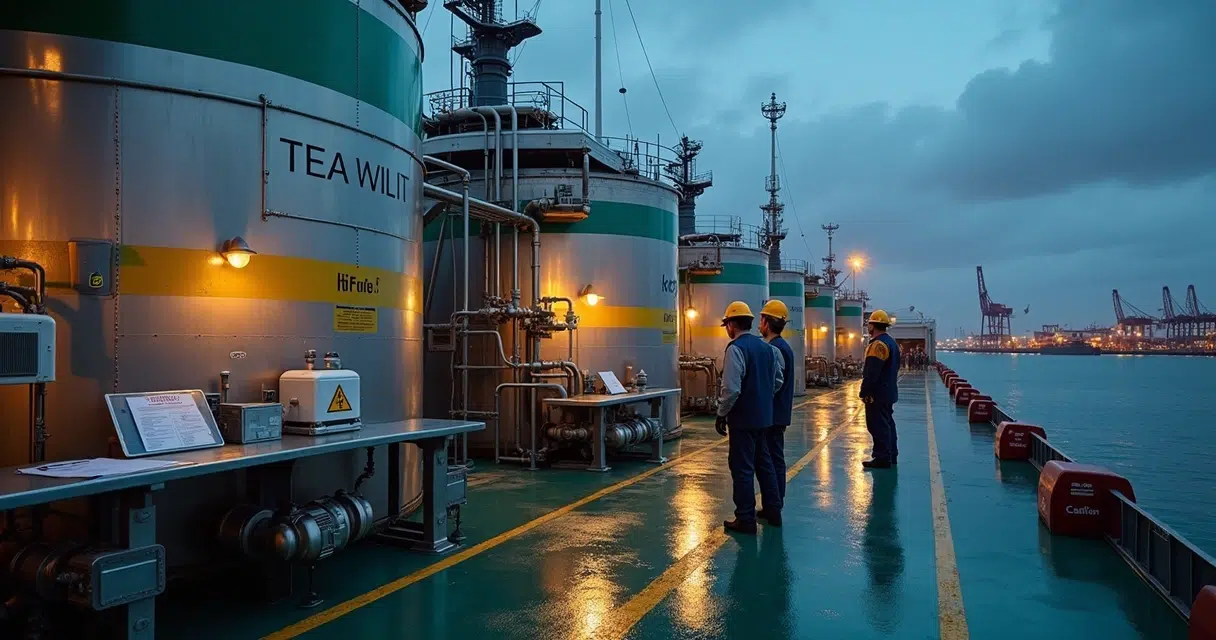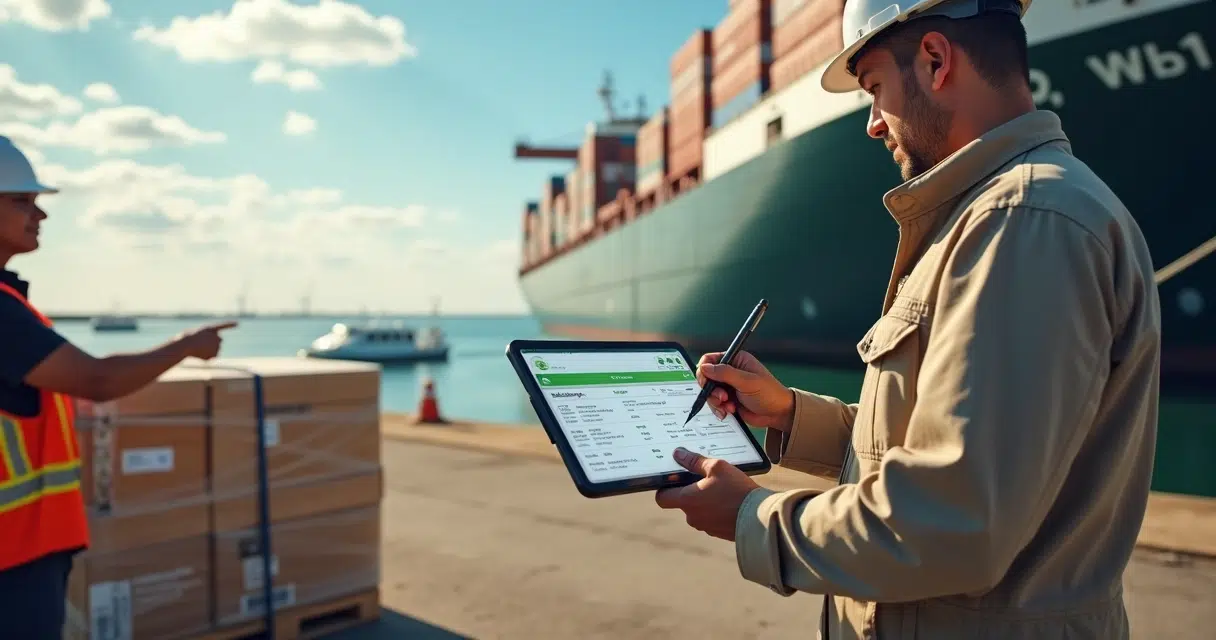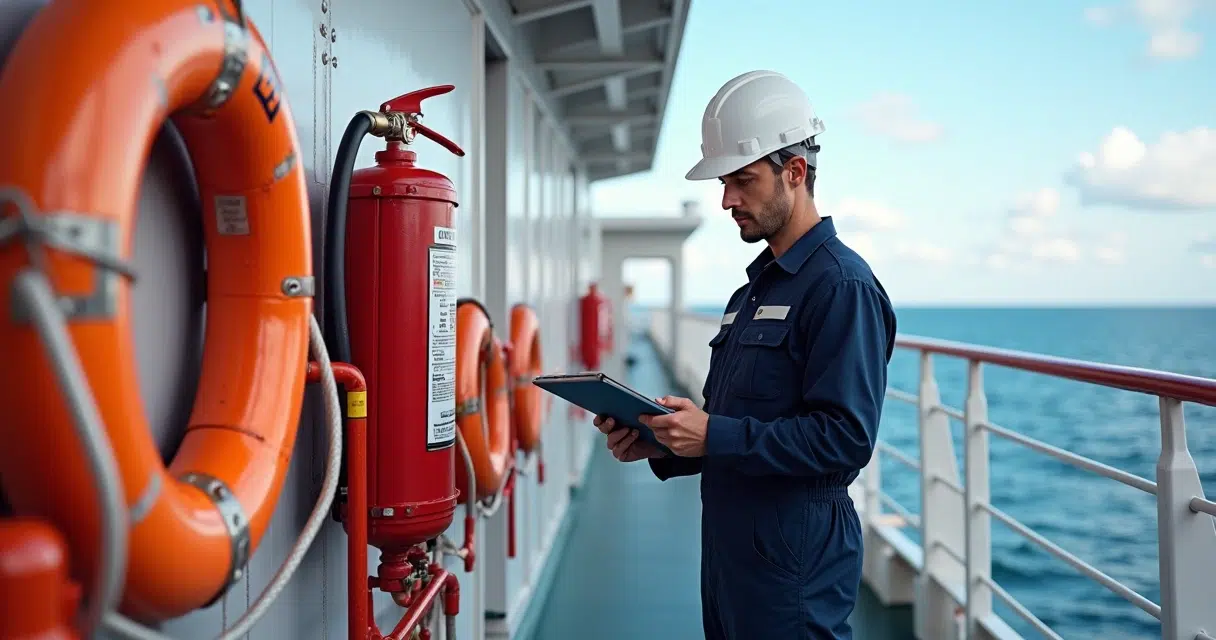
In the heart of maritime operations, safety is not a luxury but a shared responsibility. Every vessel, from massive container ships to lean coastal freighters, must contend with international standards that go beyond paperwork—they safeguard lives, the environment, and global commerce. At TROPICAL SHIP SUPPLY LTD., this mission drives our daily work across Brazilian ports, supplying vessels to assure safe, compliant voyages guided by the International Convention for the Safety of Life at Sea (SOLAS).
Understanding SOLAS: The foundation of maritime safety
SOLAS sets the baseline for safety equipment, procedures, and methods aboard commercial vessels worldwide. Designed—and repeatedly updated—following major maritime disasters, these rules affect every part of the ship, including fire safety, life-saving gear, navigation, and integrity of structure.
SOLAS is not voluntary. It’s enforced through regular port state inspections, ensuring compliance is real, not just written. Our team sees firsthand what authorities most often check and what items are most likely to cause delays.
The most requested SOLAS inspection items
Each port may have emphasis on different aspects, but SOLAS sets a universal baseline. Based on our experience and the most recent international inspection reports, here’s what gets the most scrutiny:
- Life-saving appliances: lifeboats, life rafts, and personal flotation devices (PFDs)
- Fire safety equipment: extinguishers, detection, and suppression systems
- Emergency lighting and escape signage
- Fire control plans, and visible, up-to-date safety plans
- Navigation lights and shapes (including spares)
- Communication equipment for distress signals
- Record books: drills, maintenance, and inspection logs
- Safety Management System (SMS): documentation and real implementation
Recent studies from the Australian Maritime Safety Authority show that the three most common deficiencies found during vessel inspections are related to life-saving appliances, safety management systems, and fire safety equipment (Australian Maritime Safety Authority, 2022 inspections report).
Inspections are not just about boxes on a checklist. They’re about preparation, evidence, and habits.
Why ships fail SOLAS inspections
Experience shows us that most deficiencies stem from two factors: neglecting scheduled maintenance or failing to order replacement supplies on time. For example, expired distress flares, corroded fire extinguishers, blocked escape routes, or incomplete muster lists can prompt detention and fines. Many of these failures arise from overlooking the basics.
Even the best crew can be caught out if the vessel’s supply chain stumbles or documentation lapses.
How to build a SOLAS compliance kit
We at TROPICAL SHIP SUPPLY LTD. support every ship owner and agent with custom kits that cover the inspection ground. Building a compliance kit isn’t about overstocking—it’s curating the right components, checked and ready, so nothing is missing when inspectors come aboard.
Key items for your SOLAS compliance kit
A well-built SOLAS compliance kit will be tailored both to the vessel class and the exact trade route, but the following list consistently matches current requirements:
- Updated charts and nautical publications
- Correct type and quantity of lifejackets – including child-size units
- Immersion suits, when required by the sailing region
- Functional lifebuoys with self-activating lights and smoke signals
- Pilot and embarkation ladders (in good condition and SOLAS-compliant)
- Fire hoses, nozzles, and axes – clean, tested, and accessible
- Distress signals: rockets, parachute flares, smoke signals with valid dates
- Emergency torches
- Portable radios for survival craft use
- Logbooks to document all safety drills, checks, and maintenance actions
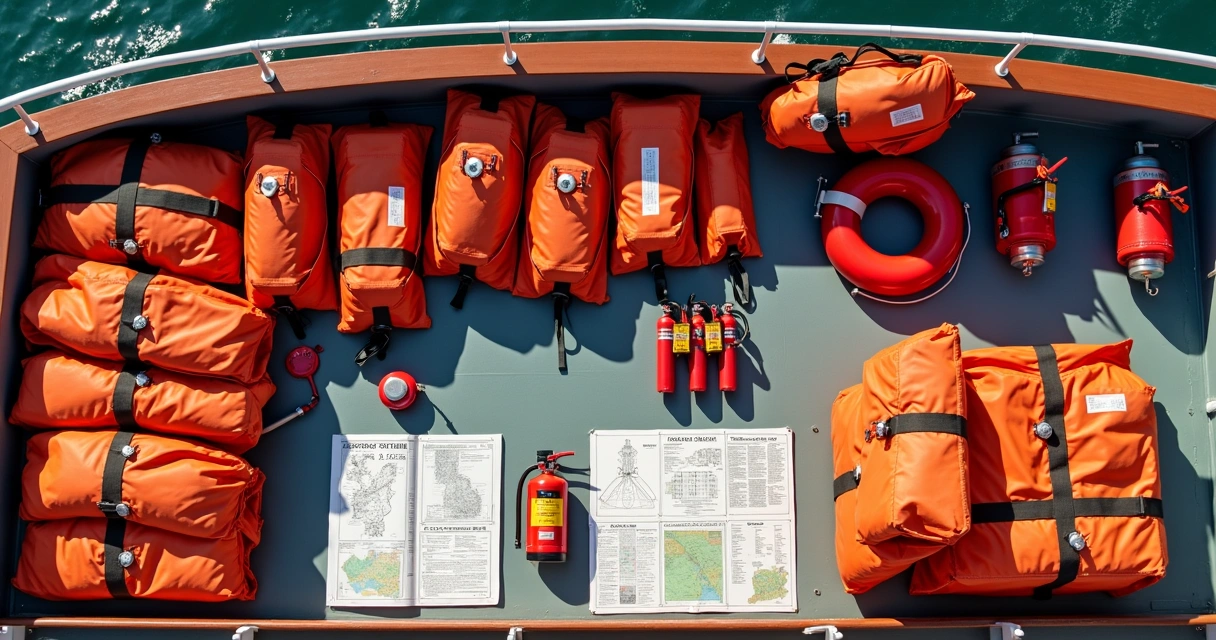 The above items—acquired through a proactive supply partner—cover nearly all initial inspection checks. We also recommend the addition of replacement bulbs for navigation lights, spare batteries, properly labeled signs, and maintenance kits for essential safety gear.
What makes a kit “inspection-ready”?
In our experience, readiness isn’t only about backstock. It means:
- Each piece of equipment is tested and marked with inspection dates
- Replacement cycles tracked, not forgotten in a logbook
- Supplies are stored dry, accessible, and labeled to avoid confusion in drills or emergencies
- Training is regular, not just annual – so everyone can find what they need, fast
This is how we support our clients up and down the Brazilian coast, just as we describe in our practical ship chandler resource for Brazil.
Our process: Proactive, reliable support
When a vessel calls in Brazilian waters, our team springs into action long before the inspector’s arrival. We start with vessel-specific consultation, develop a supply plan for all standard and specialty safety items, and handle logistics in accordance with local and international regulations. Our geographical reach includes all the principal maritime gateways, supported by real-time updates so you can track delivery and documentation progress.
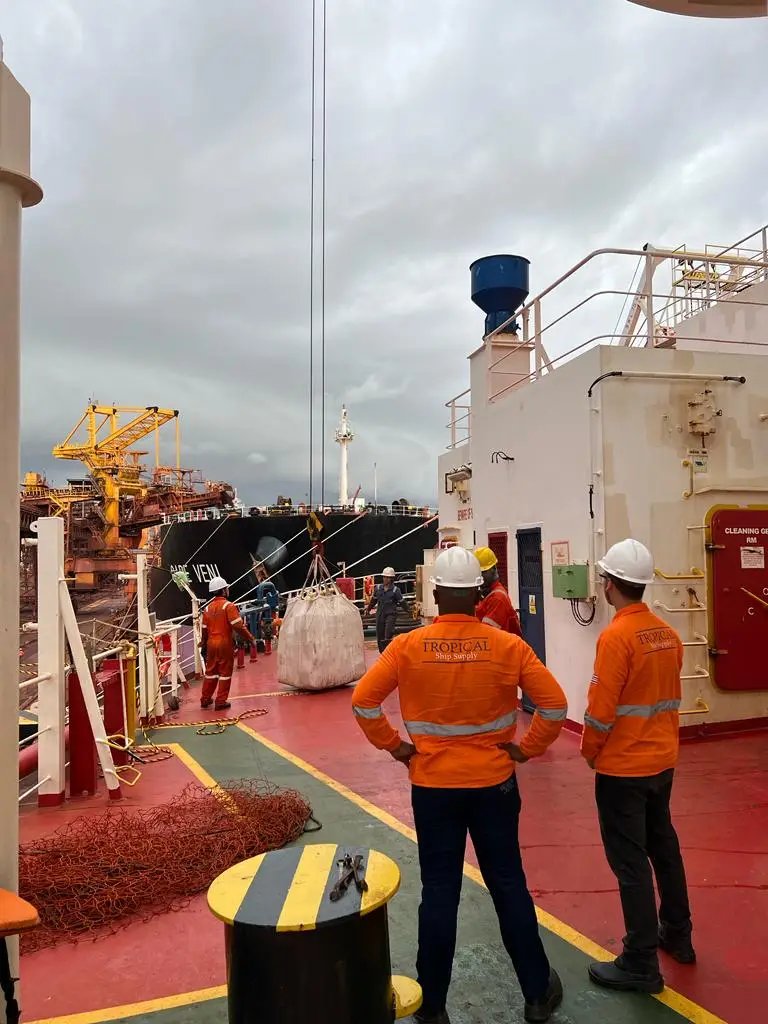 We track expiry dates and service records as closely as we monitor our own logistics, keeping your equipment current—never overdue—and ready for inspection at any time. This has earned us the continued trust of ship owners, managers, and agents looking for hassle-free port calls throughout Brazil.
Tips to avoid common compliance pitfalls
- Keep all certification up to date and accessible (digital backups are recommended)
- Regularly audit your SOLAS kit—not just before inspections
- Train the crew on both location and use of all safety gear
- Replace expired or damaged items as soon as identified
- Log every drill and maintenance activity diligently
- Audit your safety management system for real use, not paperwork “compliance”
Following the above can almost entirely remove the risk of surprise findings during safety checks.
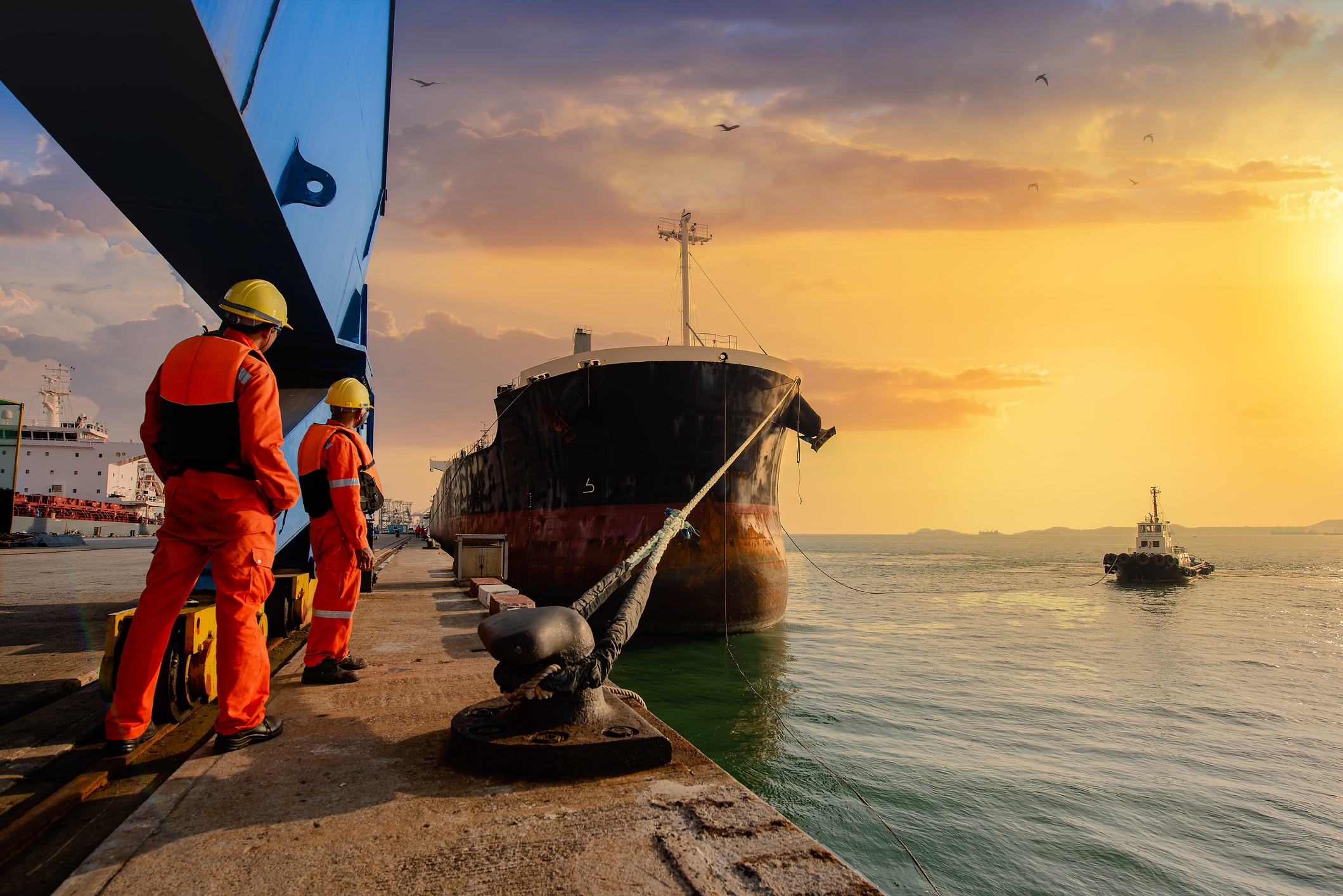
How TROPICAL SHIP SUPPLY LTD. aligns with world-class safety
Our philosophy matches the requirements of the industry’s highest standards. We make it easy for international vessels operating in Brazil to comply, providing local support, updated supplies, and direct communication with authorities. Our services extend far beyond delivery—we offer real guidance, helping every client pass inspections with confidence.
For news and deeper perspectives on maritime risk, our readers appreciate the analysis of shipboard fire risks and ongoing updates found at our news and regulatory insights section.
Compliance is not just a checklist. It’s peace of mind for everyone on board.
Conclusion
If your vessel’s safety, your crew’s security, and smooth passage through Brazilian ports matter to you, partner with a supplier who knows the standards and maintains them. At TROPICAL SHIP SUPPLY LTD., we take pride in helping you stay safe, compliant, and on course—without risking delays or penalties.
Request a quote or reach out to discuss a custom SOLAS compliance kit, and experience the advantage of working with a maritime partner committed to safety and reliability at every step.
Frequently asked questions
What is a SOLAS compliance kit?
A SOLAS compliance kit is a curated collection of equipment, records, and documentation required for a vessel to pass an inspection based on the International Convention for the Safety of Life at Sea (SOLAS) standards. It typically includes life-saving devices, fire safety gear, navigation aids, distress signals, up-to-date logbooks, and relevant manuals.
How to prepare for a SOLAS inspection?
Preparation involves regular audits of all safety equipment, ensuring all items are in-date and accessible, maintaining up-to-date records of drills and maintenance, and training all crew on correct usage. It’s also highly recommended to coordinate with suppliers like us well in advance to replenish or replace any expiring or damaged items.
What are common SOLAS inspection items?
The most commonly inspected items include life rafts, lifejackets, fire extinguishers, emergency lighting, communication devices, navigation lights, escape routes, and documentation of routine inspections and safety drills. These match what inspection authorities most frequently flag as deficient, as seen in official reports.
How often should I update compliance kit?
Your SOLAS compliance kit should be checked and updated every time you receive new safety equipment, after every drill or inspection, and at least quarterly for supplies with expiry dates. Some items need more frequent checks depending on voyage type and region. Addressing these tasks regularly prevents surprise deficiencies.
Where to buy SOLAS compliant equipment?
SOLAS-compliant items are available from specialized maritime suppliers fully versed in international and local regulations. In Brazil, TROPICAL SHIP SUPPLY LTD. offers curated safety supplies, competitive pricing, local expertise, and assured compliance for vessels operating in all major ports.