Imagine a routine day at a bustling port suddenly shattered by a massive blaze engulfing a cargo ship loading scrap metal. The bulk carrier Altay’s fire at Hull’s Albert Dock not only shut down nearby roads and businesses but also highlighted a hidden danger lurking within scrap metal shipments—hazardous impurities like undischarged batteries. This post takes you behind the scenes of this maritime incident, unpacking the causes, firefighting heroics, and what it means for future cargo safety.
Setting the Scene: Fire Incident Summary at Albert Dock
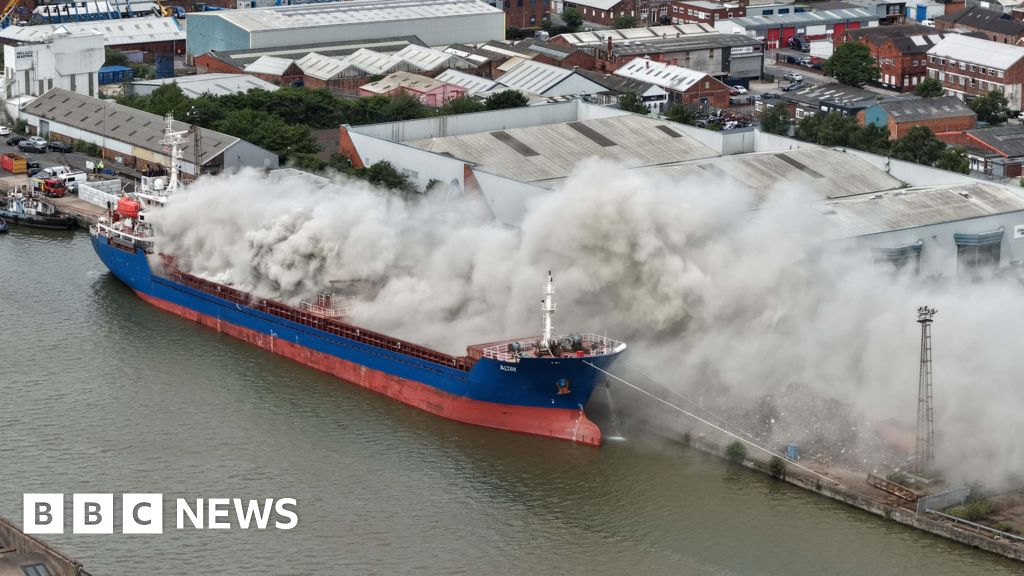
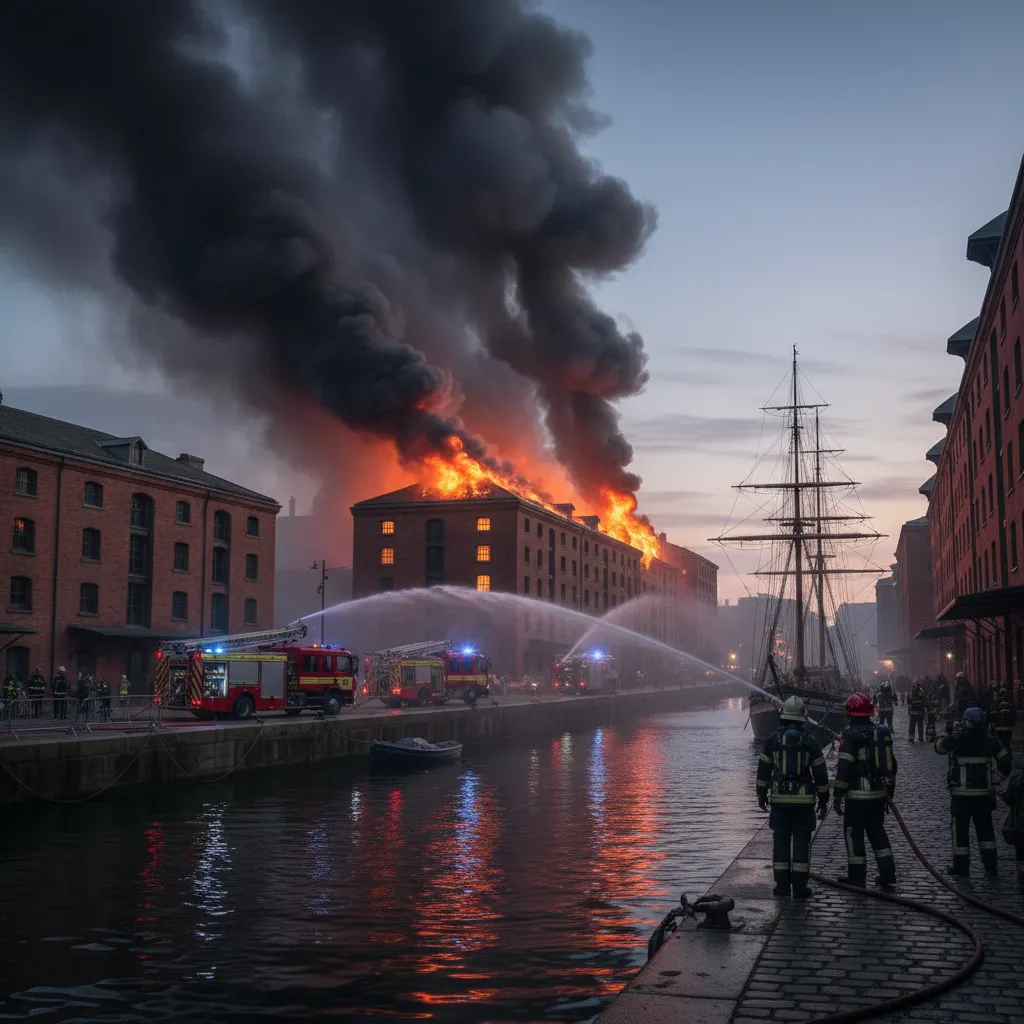
On the morning of June 27, 2025, a significant fire incident unfolded at Hull’s Albert Dock, involving the bulk carrier Altay. The vessel was in the process of loading a cargo of scrap metal when the blaze erupted, quickly escalating into a major emergency. The Albert Dock ship fire not only threatened the safety of the crew and dock workers but also had a notable impact on the surrounding community and local businesses.
According to the fire incident summary provided by the Marine Accident Investigation Branch (MAIB), the fire was “likely caused by an undischarged battery or other ignition source” present within the scrap cargo. The cargo, collected from various sources, contained hazardous impurities such as batteries, oil drums, and oily residues, all of which posed a significant fire risk. The company responsible for handling the scrap, The Griffiths Group Limited, had relied on its suppliers to screen out such dangerous materials, but this process proved insufficient on this occasion.
The fire broke out during the busy morning hours, sending a noxious cloud of smoke drifting over Hull’s Albert Dock and its vicinity. As a result, nearby roads and businesses were swiftly closed to protect public health and safety. The closure of these areas was described as “necessary to ensure public safety,” as the smoke posed a risk to anyone in the immediate area.
Firefighting operations in Hull were led by the Humberside Fire and Rescue Service, with critical support from the Altay’s ship crew. The response required coordinated efforts by both shore-based and onboard teams to bring the intense flames under control. As one report noted:
“The fire required coordinated efforts by shore and ship fire crews to be brought under control.”
Firefighters battled the blaze throughout the day and into the night, working tirelessly to contain and eventually extinguish the fire. The operation lasted for approximately 24 hours, with the flames finally subdued by the following morning. While no injuries were reported, the Altay sustained damage that necessitated repairs, and the incident underscored the importance of rigorous cargo inspection and monitoring during loading operations.
- Date of incident: 27 June 2025
- Duration: Approximately 24 hours
- Location: Hull’s Albert Dock and surrounding area
- Key responders: Humberside Fire and Rescue Service, Altay ship crew
Investigating the Cause: Battery and Ignition Source Analysis
The Marine Accident Investigation Branch (MAIB) conducted a thorough fire cause analysis following the major incident aboard the bulk carrier Altay. According to the MAIB’s post-incident report, the fire was “likely caused by an undischarged battery or other ignition source” hidden within the ship’s scrap metal cargo. This finding highlights the persistent battery fire hazard present in bulk scrap shipments, especially when hazardous materials are not properly identified and removed during cargo processing.
The Altay was loading scrap metal at Hull’s Albert Dock on the morning of 27 June when the blaze erupted. The cargo, sourced from various suppliers, contained a mix of materials including batteries, oil drums, and oily residues. The MAIB stated,
“The scrap cargo contained hazardous impurities that posed a clear fire risk.”
These hazardous components significantly increased the likelihood of ignition, particularly from undischarged batteries, which are known to spark fires when damaged, short-circuited, or exposed to heat and pressure during loading.
The company responsible for collecting and preparing the cargo, The Griffiths Group Limited, was expected to ensure that all hazardous materials—such as combustibles and batteries—were screened out before shipment. However, the MAIB report found that
“Suppliers were expected to remove dangerous materials, but screening was inadequate.”
This scrap cargo screening failure was a critical factor in the incident, as the presence of batteries and other flammable impurities went undetected.
The consequences of this oversight were severe. The fire not only caused significant damage to the Altay, requiring extensive repairs, but also led to the closure of nearby roads and businesses as a “noxious cloud” drifted over the area. Fortunately, no injuries were reported. In the aftermath, The Griffiths Group Limited ceased trading, underscoring the serious implications of failing to meet hazardous cargo screening standards.
The MAIB emphasized the importance of rigorous cargo loading monitoring and pre-loading inspection to prevent similar incidents. Their findings reinforce the need for strict adherence to fire safety protocols and comprehensive screening processes, especially when dealing with scrap metal cargo that may conceal batteries and other ignition sources.

Firefighting Efforts: Tackling the Blaze and Environmental Concerns
The firefighting operations aboard the bulk carrier Altay at Hull’s Albert Dock demanded a swift and coordinated response. The emergency began on the morning of June 27, when a fire broke out as the vessel was loading a cargo of scrap metal. Humberside Fire and Rescue Service, working closely with the ship’s crew, led the response, facing significant challenges due to the hazardous nature of the burning materials.
Coordinated Emergency Response
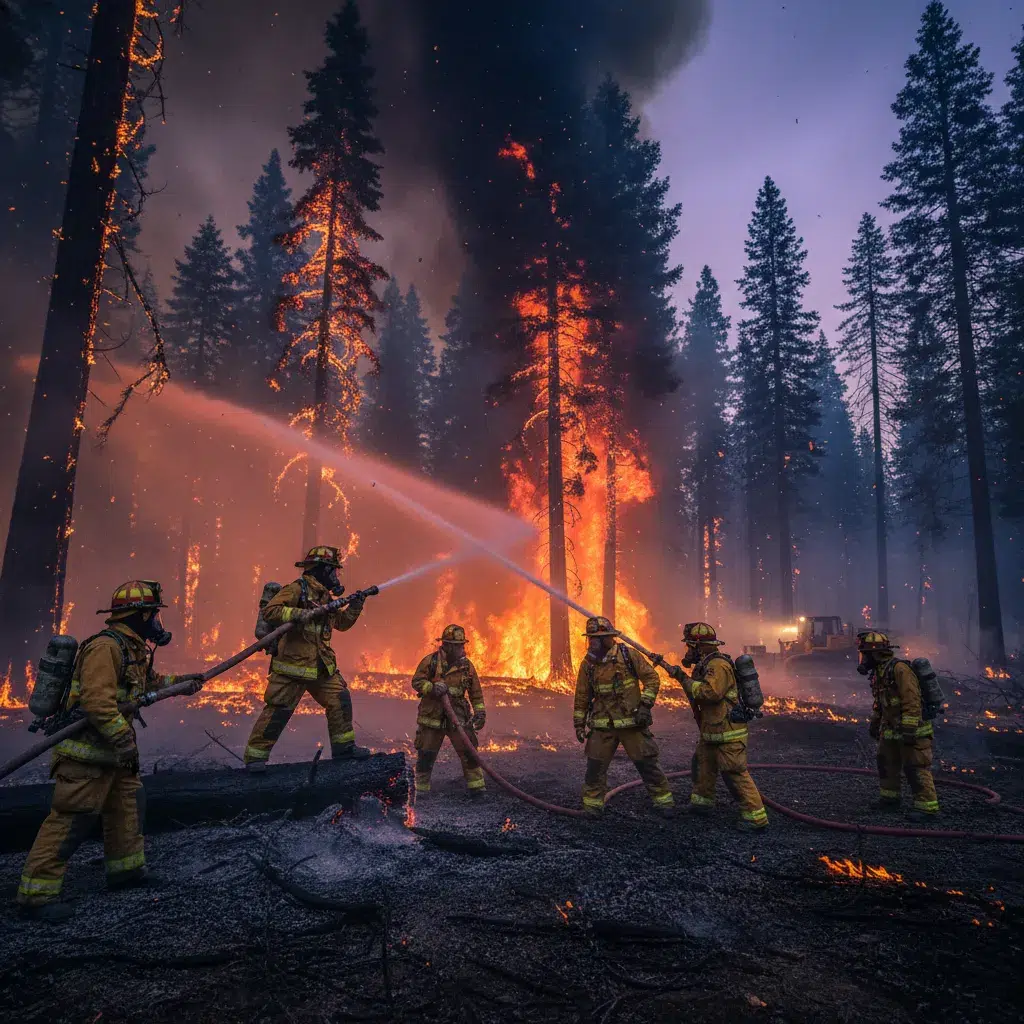
Fire crews arrived promptly and worked throughout the day and night, with the blaze finally extinguished after approximately 24 hours. The operation required careful management, as the scrap cargo contained hazardous impurities—such as undischarged batteries, oil drums, and oily residues—which increased the risk of combustion and complicated firefighting efforts. According to the Marine Accident Investigation Branch (MAIB), “fire crews faced significant challenges due to hazardous scrap material combustion.”
Structural Damage and Repairs
The intense heat from the fire caused notable structural steelwork damage, particularly in the ship’s aft cargo hold. While no injuries were reported, the vessel sustained damage significant enough to require drydock repairs, which were scheduled to take place in Turkey. The incident highlighted the importance of robust cargo loading monitoring and pre-loading inspection to prevent similar events.
Environmental Safeguards: Firefighting Water Disposal
A major concern during and after the firefighting operations was the environmental risk posed by contaminated firefighting water. The water used to extinguish the blaze became tainted with hazardous substances from the burning scrap cargo. To mitigate environmental harm, crews implemented strict protocols for firefighting water disposal. Over several days, contaminated water was collected and removed from the site using road tankers, ensuring it did not enter local waterways or the dock environment.
The environmental precautions in disposing firefighting water reflect growing industry responsibility.
- Firefighting duration: Approximately 24 hours
- Structural impact: Heat damage to aft cargo hold steelwork
- Firefighting water disposal: Multiple days using road tankers
These complex disposal protocols underscore the increasing environmental awareness within the shipping industry, as authorities and operators strive to balance emergency response with ecological responsibility.
Cargo Safety and Industry Lessons: Screening, Protocols, and Prevention
The Altay bulk carrier fire on June 27, 2025, serves as a stark reminder of the critical importance of cargo loading safety protocols and robust cargo pre-loading inspection in the shipping industry. The Marine Accident Investigation Branch (MAIB) report revealed that the scrap metal cargo contained hazardous impurities—including undischarged batteries, oil drums, and oily residues—which posed a significant scrap metal fire risk. The incident was “likely caused by an undischarged battery or other ignition source,” underscoring the dangers of inadequate cargo screening.
The Griffiths Group Limited, responsible for handling the scrap, relied on suppliers to remove hazardous materials such as combustibles and batteries before shipment. However, the MAIB’s assessment found that these expectations were not met, leading to a fire that required extensive firefighting efforts and caused operational disruptions in Hull’s Albert Dock. As a direct consequence, Griffiths Group Limited ceased trading, becoming a cautionary example of the consequences of failing to adhere to hazardous materials shipping regulations.
“This incident highlights the vital importance of thorough cargo screening before loading.” The MAIB emphasized that the fire exposed critical gaps in cargo loading monitoring and pre-loading inspections. These failures allowed hazardous items to enter the cargo stream, increasing the risk of ignition and endangering both the vessel and the surrounding community.
- Pre-loading inspection failures were a key factor in the incident.
- Scrap cargo collected from various sources demands rigorous screening for batteries, oil drums, and other combustibles.
- Industry-wide, there is a renewed focus on enforcing international maritime codes and best practices for hazardous materials shipping.
In response, Beyaz Denizcilik Ltd Şti, the vessel’s owner, has committed to implementing enhanced cargo safety protocols and stricter controls for hazardous materials in future shipments. The incident has prompted calls across the shipping industry for improved monitoring, better documentation, and more stringent supplier compliance to prevent similar fires.
Better monitoring protocols are needed to safeguard against such hazards in maritime shipping.
The Altay fire demonstrates that the safety of bulk carriers transporting scrap metal hinges on rigorous cargo screening, comprehensive pre-loading inspections, and strict adherence to international hazardous material regulations.
A Wild Card Reflection: What If the Batteries Were Removed?
The Altay incident stands as a stark reminder of the dangers posed by hazardous impurities in scrap metal cargo, particularly undischarged batteries. But what if, in a hypothetical scenario, all batteries and other high-risk components were meticulously removed from every scrap shipment? Such a change could represent a turning point in scrap metal fire prevention and set new standards for cargo safety innovation across the maritime industry.
If strict hazardous material bans were enforced, cargo handling protocols would undergo a fundamental transformation. Pre-loading inspections would become more rigorous, with clear accountability for every stage of the supply chain. Scrap yards and suppliers would need to implement advanced sorting and screening processes, ensuring that batteries, oil drums, and other combustibles are either safely recycled or processed separately. This would not only reduce the risk of onboard fires but also protect port workers, local communities, and the environment from the devastating effects of incidents like the Altay fire.
The adoption of cutting-edge technology could further revolutionize battery fire hazard prevention. Automated detection systems, such as AI-powered scanners and real-time monitoring sensors, could identify and remove hazardous items before they ever reach a ship’s hold. In this future, the phrase “proactive innovations in cargo screening could be the key to safer maritime logistics” rings especially true. By investing in these technologies, the industry could move from reactive firefighting to genuine prevention, reducing both financial losses and operational disruptions.
Of course, such a shift would require balancing commercial realities with safety imperatives. The global scrap trade is a vital economic engine, and any new regulations or technologies must be practical for businesses of all sizes. Yet, as the MAIB report on the Altay fire highlights, the cost of inaction can be far greater than the investment in prevention. The closure of The Griffiths Group Limited following the incident underscores the reputational and financial risks at stake.
Ultimately, this wild card reflection challenges maritime stakeholders to imagine a safer future—one where hazardous materials are fully controlled, and cargo safety innovation is at the heart of every operation. The lessons of the Altay fire make it clear: the path to safer seas may well begin with the simple act of removing a battery.
TL;DR: The Altay fire at Hull was likely sparked by an undischarged battery within hazardous scrap cargo, exposing critical lapses in cargo screening. Prompt firefighting efforts contained the blaze overnight, but the incident underscores the need for stringent cargo safety protocols and enhanced pre-loading inspections going forward.