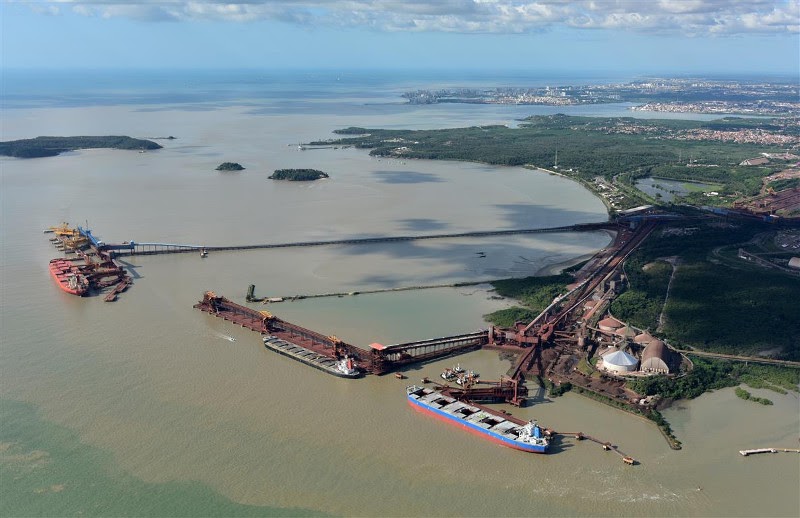
At Tropical Ship Supply Ltd., we are constantly asked how onboard delivery processes work in Brazil, which rules to follow, and where things tend to go wrong. Over our years serving national and foreign vessels in ports from Itajaí to São Luís, we have noticed how preparation, documentation, and coordination truly shape a successful operation. In this guide, we share what we have learned about required documents, the main stakeholders, and critical checkpoints according to operation type, so ship owners, agents, and crews can steer clear of delays and surprises.
The core of successful onboard delivery in Brazil
Every onboard delivery is unique, reflecting the vessel’s needs, the port’s peculiarities, and the nature of the supplies involved. However, some pillars remain unshakable: preparation, compliance, and communication. In our company, we see these as the backbone of reliable and rapid delivery, making the difference between a seamless docking and a stressful delay.
Ready paperwork is just as valuable as any spare part.
To avoid setbacks, we always emphasize that understanding the process before arrival guarantees not only a smoother operation but may also reduce overall costs. Our coverage of Brazilian ports, like the bustling ones in the North and Northeast, means we see the procedures first-hand and can adapt to evolving regulations and port-specific customs.
Documents required for different operation types
One of the main factors that shape onboard delivery is the type of operation. Delivery of food provisions is not the same as delivering safety equipment or spare parts. The law, port authority, and even customs will have differing requirements.
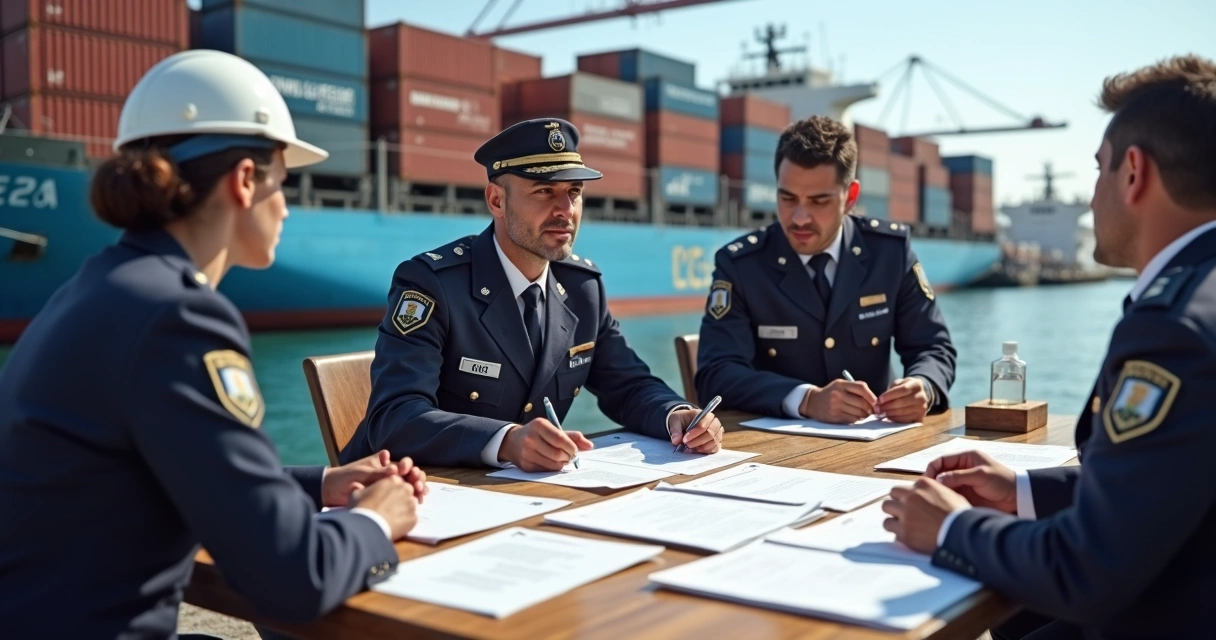 Below are the most common required documents for onboard deliveries:
- Delivery Note (Conhecimento de Entrega): This is the primary record linking the goods, the vessel, and the supplier.
- Invoice (Nota Fiscal): In Brazil, this document is not just commercial, it is legally binding for any goods transferred. For imports, additional commercial invoices and packing lists may be required.
- Sanitary Certificates: Provisions such as fresh produce, meats, and dairy must often be supported by sanitary clearance, especially when sourced from outside the state or for vessels on international routes.
- Customs Clearance Documents: When goods require tax exemption or are considered ship supplies for international vessels, customs forms for proper clearance and release are mandatory.
- Authorization from Port Authority or Agent: These are required for truck entry, unloading at the dock, or when deliveries are to bonded warehouses.
- Crew Manifest and Ship’s Stores Declaration: In some ports, especially for bonded items or when the vessel is in international transit, vessel-provided documents will also be reviewed by authorities.
We carefully prepare and double-check every document before delivery, as missing paperwork is still one of the top causes of delay in Brazilian ports.
The key stakeholders: who is involved in onboard delivery?
Multiple parties play a role in ship supply operations. Without clear alignment, even the best-organized delivery faces roadblocks. Through our experience, we have identified the following principal stakeholders:
- Vessel (Master and Crew): Provide manifests, sign delivery notes, and receive goods on board.
- Shipping Agent: The key connector who handles notifications, coordinates port entry, and manages the vessel’s administrative needs.
- Port Authority: Enforces safety, authorizes dock access, and may oversee certain types of cargo or supply offloading.
- Customs Office (Receita Federal): Especially relevant for international calls, bonded stores, and spares in transit.
- Sanitary Inspection (Vigilância Sanitária): Ensures compliance for all foodstuffs, some cleaning products, and sometimes packaging.
- Supplier (like us, Tropical Ship Supply Ltd.): Responsible for documentation, delivery, and conformity with customs, sanitary, and safety regulations.
- Terminal Operator: Provides practical access clearances, gate passes, and coordinates last-mile logistics.
Aligning all of these moving parts in advance is the hallmark of a stress-free supply chain. Our local teams across ports in Brazil keep these relationships strong so that last-minute changes are not a catastrophe, but rather a fixable hiccup.
Critical checkpoints by operation type
The requirements and risks shift meaningfully depending on what is being delivered and the administrative status of the vessel. Below, we summarize our approach for the main operation scenarios:
1. General provisions and bonded stores
Provisioning is often straightforward, but authorities can clamp down on missing or inaccurate invoices. For bonded stores—alcohol, tobacco, and other high-value items—customs officials will be closely involved.
- Check all invoices for accuracy; match with approved delivery orders and agent authorizations.
- Ensure sanitary permits accompany perishable produce.
- Coordinate clearance times with the agent, as supplies to vessels on international voyages may only proceed during customs office hours.
Our teams have repeatedly seen operations delayed by as little as a missing signature or variance between the ship’s manifest and the supplier’s documents.
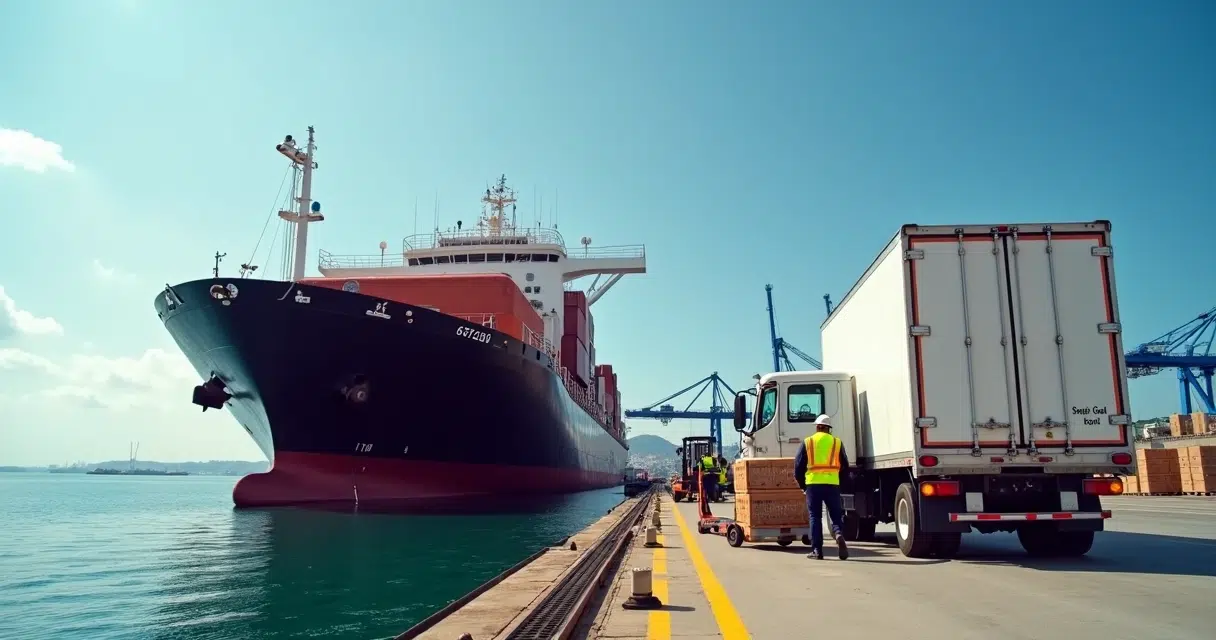
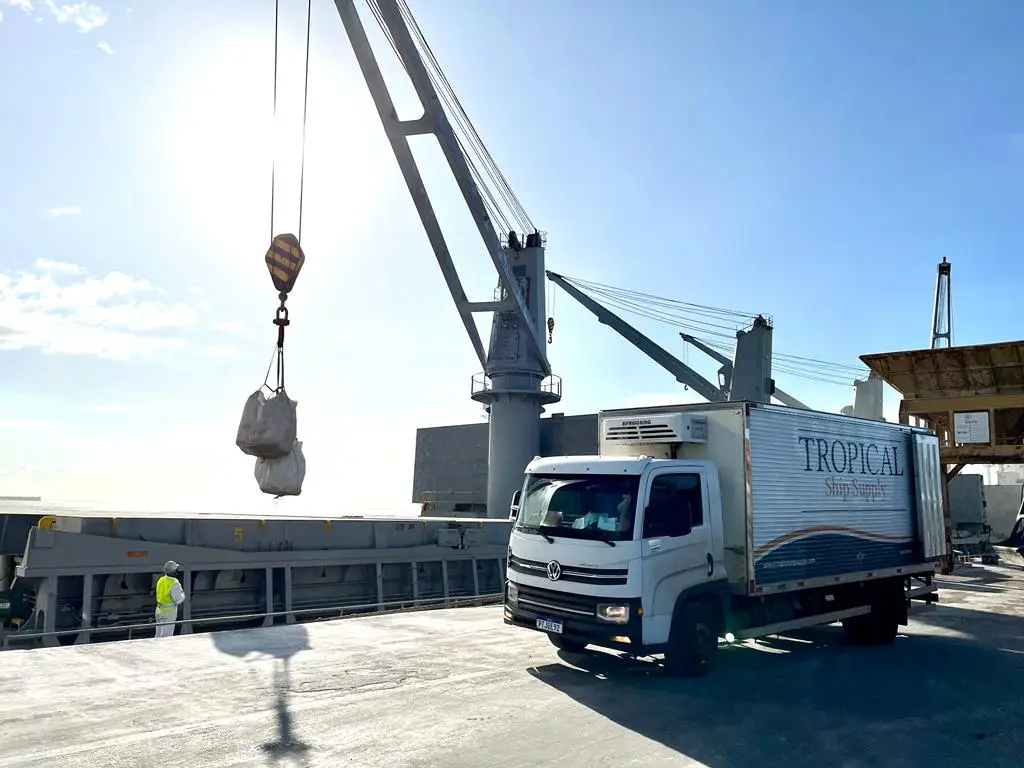 The image above showcases the careful coordination required when our trucks unload bonded supplies directly alongside the vessel under the watchful eye of customs and terminal staff.
2. Spare parts and technical equipment
Delivering spares, particularly when arriving as air freight or through local forwarding agents, adds extra steps. These include meticulous tracking from warehouse to ship, and confirmation of transit status for customs.
- Confirm with the agent whether the spare is “in transit” and eligible for customs exemption.
- Prepare customs release documents before arrival to avoid warehouse bottlenecks.
- Ensure technical specifications and quantities match both the invoice and the ship’s own records.
For critical technical deliveries, even a missing part number on paperwork can stall delivery for hours.
3. Security, safety, and hazardous goods
For items such as fire extinguishers, chemicals, or replacement safety equipment, additional safety data sheets (SDS) and regulatory clearances are mandatory.
- Supply safety data sheets in both Portuguese and English where feasible.
- Secure terminal pre-approval for hazardous handling and confirm compliance with IMDG/ADR transport labels.
- Align timing with port safety officers to ensure the right personnel are available at receipt.
We always prefer to err on the side of caution, respecting both Brazilian law and international conventions.
Tips for smooth operations and avoiding common pitfalls
Having been active in dozens of Brazilian ports, we know that the success of an onboard delivery is not just paperwork—it is teamwork and anticipation. Here are some practical steps we follow and suggest to our clients:
- Start documentation early, and verify requirements as soon as the delivery date is set.
- Share manifest and intended list of goods with both agent and supplier in advance.
- Keep copies of all documents available in digital format to speed up customs checks.
- Assign a dedicated contact for delivery day issues—rapid response saves time.
- Track local regulations and port-specific rules. Every port can have its own quirks, as reports from Brazilian maritime supply specialists confirm.
We have noticed a trend towards more digitalization and increased scrutiny by authorities. Following news in the sector and advisory bulletins, such as on pages like maritime news from Tropical Ship Supply, is one way we keep ahead.
Best practices for each vessel, agent, and supplier
There is no single recipe for every delivery. But, in our experience with large container ships, bulk carriers, and offshore support vessels, the same basic rules matter:
- Align expectations early—review all involved parties, checking their readiness.
- Always request a written summary of documents and checkpoints from your supplier.
- If your vessel is headed to a less-frequented port or one transitioning to new management models such as Santos, confirm requirements for that specific port early.
- Encourage transparency and proactivity—small updates avoid big trouble later.
Having a supplier that listens and reacts quickly is often as beneficial as having the right papers. In line with our values at Tropical Ship Supply Ltd., reliability, transparency, and quality are never negotiable.
Conclusion
Handling onboard deliveries in Brazil can be smoother than many expect—with preparation, communication, and the right partner. Whether organizing general supplies or complex technical deliveries, the winning formula is anticipating needs, documenting every move, and nurturing strong relationships with agents, authorities, and crews.
If you want to experience stress-free and transparent onboard delivery tailored to your vessel and operation type, let’s start a conversation. At Tropical Ship Supply Ltd., we combine deep local knowledge, trusted connections, and genuine commitment to your vessel’s needs. Request a no-obligation quote today—we are ready to support your next call.
Frequently asked questions
What documents are needed for onboard delivery?
For onboard delivery in Brazil, main required documents include a delivery note, an official invoice (nota fiscal), and, depending on the operation, sanitary certificates, customs clearance forms, and authorization from the port authority or agent. Deliveries involving bonded items or international vessels may also require crew manifests, ship’s stores declarations, and sanitary approvals.
Who are the main stakeholders involved?
The main stakeholders are the vessel’s crew and master, shipping agent, port authority, customs office (Receita Federal), sanitary inspection (Vigilância Sanitária), the supply company, and the terminal operator. Effective coordination among all parties results in faster delivery and fewer compliance issues.
How does operation type affect requirements?
The requirements change according to the type of delivery. General provisions need standard documentation and possible sanitary clearance, while bonded items demand more scrutiny from customs. Technical parts may require additional transit documents or customs releases. Safety or hazardous items bring extra safety and regulatory paperwork.
What are the key checkpoints to follow?
Key checkpoints include early identification of all required documents, pre-clearance with the agent and port, alignment with the customs office for international items or bonded stores, and presence of the right parties during delivery to verify and sign documents. Ensuring safety data and proper labeling for hazardous materials is also paramount.
Where to get onboard delivery forms?
Ship supply companies like Tropical Ship Supply Ltd. provide most required forms tailored to each delivery type. Some can also be sourced from port authorities, customs websites, or directly through the shipping agent. We always supply the documentation kit needed to clear each stage smoothly along with every order for our clients.