 If you are preparing for a vessel call at a Brazilian port, you face a unique set of opportunities and challenges. Our experience at TROPICAL SHIP SUPPLY LTD. supporting international and domestic ships across Brazil lets us share practical guidance that helps simplify your journey—from entry requirements to sustainable practices at the dock.
How Brazilian ports stand out
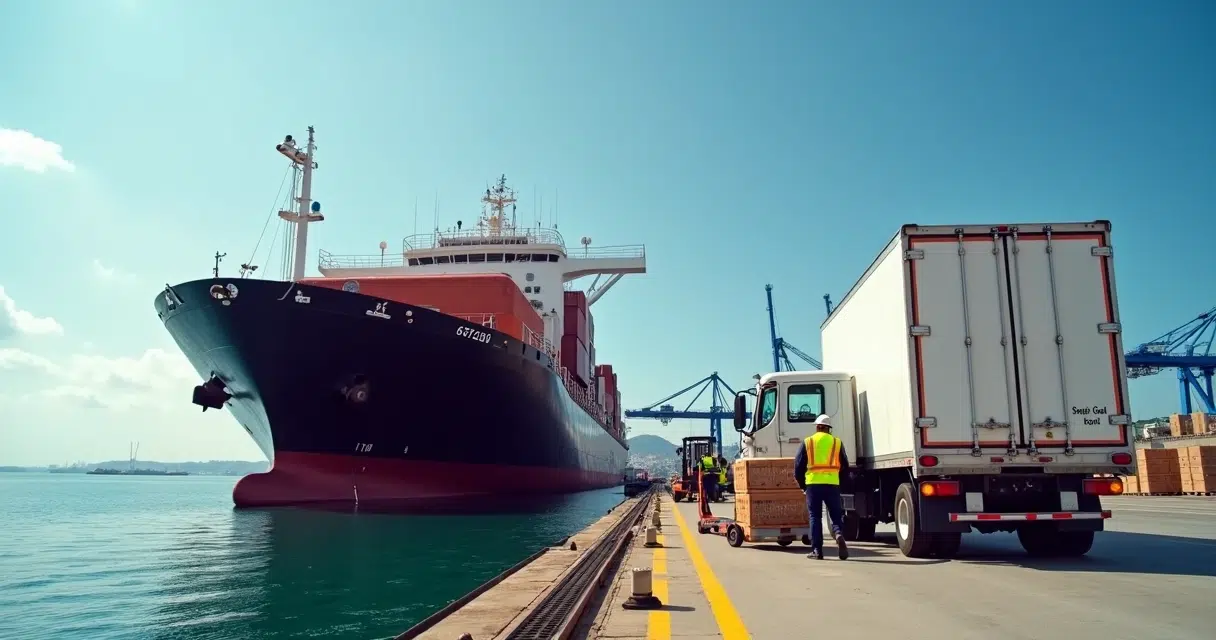
Brazil features more than 30 public ports, with each offering different logistics, customs procedures, and infrastructure to handle diverse vessel types and cargoes. Ports like Santos in the Southeast stand out as the largest in Latin America for container throughput, while others such as Paranaguá in the South break records in cargo handling year after year, particularly in agricultural exports like soybeans and corn—demonstrated by the record 53 million+ tons handled in 2019.
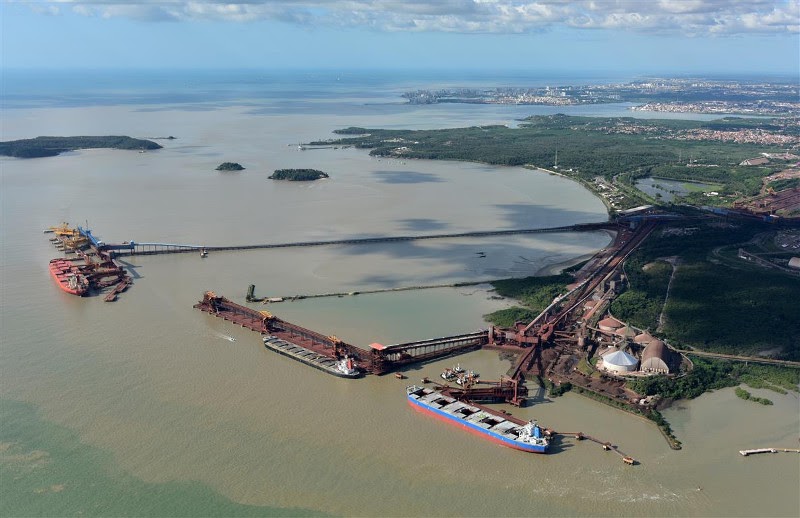
Beyond São Paulo and Rio de Janeiro, strategic bases in Northern and Northeastern ports—like São Luís, Itaqui, and Fortaleza—play pivotal roles for vessels arriving from Europe, North America, or West Africa. We support ships at nearly all key coastal points, ensuring coverage that matches your route and cargo type, be it bulk, containers, or liquids.
Every port visit is a new story. Local skills and quick answers keep your voyage smooth.
Preparing for your Brazilian port call
We believe preparation is the strongest tool for a successful visit. Before departure, confirm your paperwork aligns with Brazilian law. The main documents you’ll need include:
- Ship’s registration and certificates
- Crew and passenger list
- Manifest of cargo, passengers, and stores
- Declarations of health and sanitation
- Previous port clearance documentation
The requirements may vary by port, but incomplete or out-of-date documents can create delays. Our team regularly assists vessels in ensuring all forms and processes are ready ahead of arrival, which has proven to be a time-saver every time.
Step by step: Arrival and clearance procedures
Vessels approaching Brazilian waters are expected to contact the port’s harbor master and local agent for arrival notification, typically 24 to 72 hours before ETA.
This advance notice is vital. Authorities—including customs, immigration, port health, and environmental regulators—may inspect your vessel soon after anchoring. Inspections often focus on compliance, safety equipment, and environmental controls.
To streamline this process, we coordinate closely with port authorities, supporting your agent in organizing health, immigration, customs, and phytosanitary inspections. For us, quick, transparent communication is the key to hassle-free clearance.
What to expect: Port charges and local costs
Fees can include pilotage, towage, berth dues, wharfage, mooring, port storage, and navigation aids. Each port has its own fee schedule, influenced by vessel size, gross tonnage, cargo type, and period of stay. Transparency matters here—unexpected costs can quickly escalate, so requesting updated tariffs ahead of port call is a best practice.
For instance, in the Port of Santos, privatization efforts continue to shape infrastructure and pricing models with ongoing expansion projects. To stay updated on changes like the mega container terminals, we regularly review industry sources including our dedicated port update articles.
Customs clearance and cargo procedures
Brazilian customs can be strict, especially with high-value goods, electronics, and hazardous materials. All stores and provisions, including bonded items, should be accurately declared. We handle bonded storage, provisions, and customs paperwork in line with regulations, allowing you to focus on operations.
All supplies must match declared quantities; discrepancies invite inspections and possible penalties.
Recently, electronic systems and pre-arrival documentation have made clearance more predictable. We use digital systems to reduce delays and ensure your cargo or ship stores are processed as quickly as possible.
Getting supplies: Food, technical items, and more
There are specific rules for vessel supplies in Brazil. Fresh provisions, bonded stores (including alcohol and tobacco), and safety equipment must come from certified suppliers. At TROPICAL SHIP SUPPLY LTD., we deliver everything from galley and cabin stores to spare parts, technical goods, navigational publications, and fresh produce—all in accordance with health and customs regulations.
Some items such as restricted medicines or controlled chemicals will require extra permits. We guide you through requirements, making sure nothing falls short. Prompt, compliant supply keeps your vessel operating smoothly and legally.
Local assistance: Agents and partnerships
Good port calls do not happen by accident. Local agents, backed by expert supply teams, make the difference between delays and seamless stays. We share insights with our vessel clients so they can adapt to local customs, languages, and working hours across different regions. This local knowledge helps avoid misunderstandings and expensive downtime.
With our network, our clients gain:
- Assistance with documentation and official clearances
- Rapid delivery of technical and perishable supplies
- Up-to-date scheduling and real-time problem solving
Many ship operators have found that working with a dedicated supply partner like TROPICAL SHIP SUPPLY LTD. minimizes unexpected issues at port.
Safety, quality assurance, and sustainability
We take pride in our commitment to product quality—delivering fresh, safe items on time with full traceability. Certified supply chains and professional handling ensure compliance with health, safety, and environmental regulations.
As port sustainability requirements grow, Brazilian ports increasingly demand proof of eco-friendly packaging, proper recycling, and energy-saving operations. Our sustainability in action—such as using solar panels and responsible sourcing—demonstrates these values in every delivery.
Keeping up with news and trends
The regulatory and operating environment in Brazilian ports never stands still. From changes in decarbonization rules to new shipping alliances and logistics strategies, our clients benefit from staying informed. For regular news and insights, we offer updates and articles on trends such as iron ore exports, green shipping initiatives in Brazil, and local maritime news channels.
Conclusion: Why collaborate with us
Every vessel call in Brazil brings its own mix of complexities and rewards. At TROPICAL SHIP SUPPLY LTD., we deliver more than just products. We bring knowledge of regulations, direct local coverage, rapid service, and a proven commitment to quality and sustainability.
Ready for a reliable, transparent, and efficient partner on your next port call in Brazil? Let us handle the complexities so you can focus on smooth sailing.
Contact us and request your quote today. Tell us your story. We’ll deliver solutions tailored for your journey.
Looking to reduce costs without sacrificing reliability during calls in Brazil? TROPICAL SHIP SUPPLY supports vessels with on-time delivery, consistent quality, and local assistance across key ports in the North and Northeast.
Contact our team and request a quote: Quotation@tropicalshipsupply.com | +55 98 98347-0908 (24hr) WhatsApp
Frequently asked questions
What documents are required for vessel entry?
A vessel calling at a Brazilian port needs ship registration papers, valid safety and insurance certificates, an updated crew and passenger list, cargo manifest, health and sanitation declarations, and clearance documentation from the previous port. Having these ready ensures a smoother, faster entry process.
How to arrange pilotage in Brazilian ports?
Pilotage is required for nearly all foreign vessels. This is usually arranged through the shipping agent prior to arrival. Contact should be made with the local pilotage authority 24–72 hours in advance, providing details of ETA, vessel size, and any specific navigation needs. Your agent and supply partner can coordinate pilot embarkation according to local requirements.
What are the main Brazilian port charges?
Port charges in Brazil are separated into categories such as pilotage, towage, wharfage, berth dues, port storage, and navigation aid fees. These costs depend on the vessel’s dimensions, type, tonnage, cargo type, and the port in question. To avoid surprises, we recommend requesting a complete fee schedule from your local agent before arrival.
How to handle customs clearance in Brazil?
Customs clearance involves submitting comprehensive documents ahead of arrival, accurate declarations of all cargo and bonded stores, and, if necessary, arranging for physical inspections. Work with an experienced agent and supply company to ensure compliance with local customs requirements and avoid fines or delays.
Are there restrictions on vessel supplies?
Yes, certain goods such as medicines or specialty chemicals require special licenses or declarations. All fresh, technical, and bonded provisions must be accurately documented and sourced from authorized suppliers. We help our clients navigate these rules, ensuring compliance and timely delivery of all necessary items.