Our experience in the marine supply sector has shown us how rapidly regulatory pressures and operational standards evolve. One of the most significant recent changes for shipowners, operators, and maritime service providers, like Tropical Ship Supply Ltd., is the introduction of the Carbon Intensity Indicator (CII). This new framework is transforming decision-making for vessels, especially as regulations intensify worldwide and demand for sustainable shipping increases across Brazilian ports and beyond.
Understanding the CII: a brief explanation
The Carbon Intensity Indicator (CII) is a measure introduced by the International Maritime Organization (IMO) that calculates and rates the operational carbon emissions of all vessels above 5,000 gross tonnage trading internationally. The CII is based on grams of CO₂ emitted per cargo-carrying capacity per nautical mile. The rating ranges from A (best) to E (worst). The lower the emissions per cargo mile, the better the rating.
In January 2023, it became mandatory for ships to report their annual carbon intensity, with the first official ratings published in 2024. The ultimate goal is to support IMO’s ambition of reducing the carbon intensity of international shipping by 40% by 2030, compared to 2008 levels (IMO CII measures).
How the CII framework works
The annual CII rating is calculated from fuel consumption data collected throughout the year and checked against a ship’s cargo capacity and mileage. Ratings are then published each year, with vessels graded from A through E. If a ship rates D for three years consecutively or receives an E rating in any year, the operator must submit a corrective action plan as part of the Ship Energy Efficiency Management Plan (IMO CII FAQ).
- A (Major superior performance)
- B (Minor superior performance)
- C (Moderate performance, meets current requirements)
- D (Minor inferior performance)
- E (Inferior performance; requires corrective actions)
Ratings are not just labels, they directly influence risk management, operational strategy, and even market competitiveness.
 Why the CII impacts every vessel operation
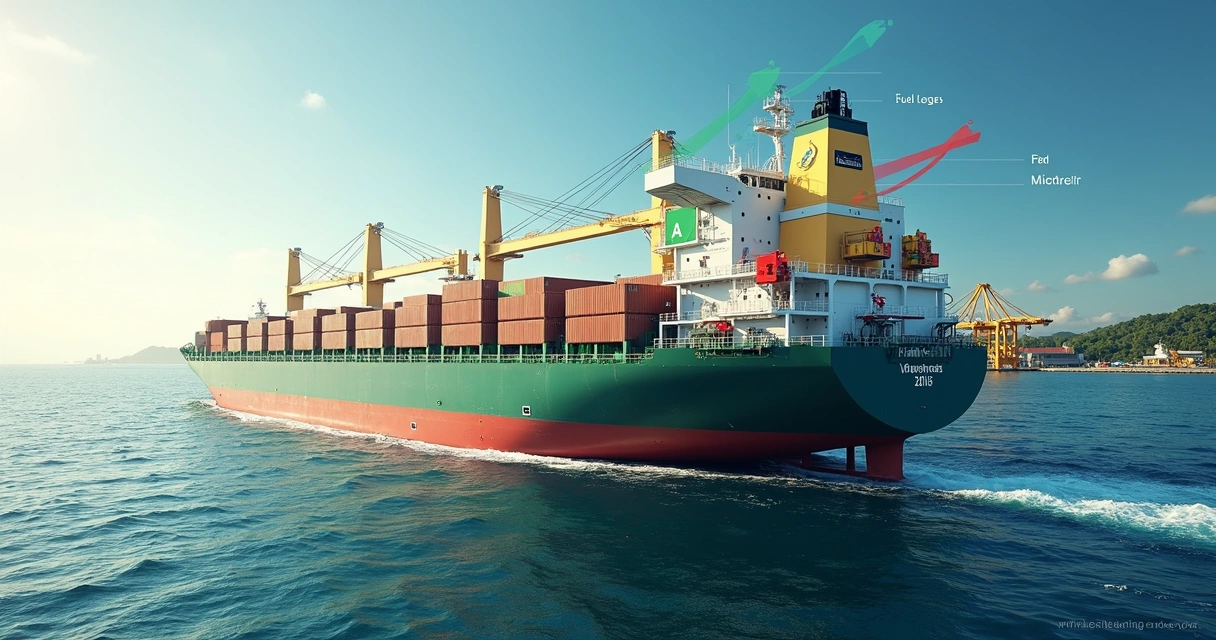 Why the CII impacts every vessel operation
We’ve seen firsthand at Tropical Ship Supply Ltd. that CII scores are not bureaucratic abstractions, they transform how ships are run. Several aspects of operations are directly affected:
Cargo and voyage planning
To improve or maintain a positive CII grade, vessel operators need to rethink scheduling, routing, and even the type and amount of cargo transported.
- Voyages must minimize unnecessary empty runs (ballast legs).
- Optimal speed profiles are chosen, sometimes even accepting longer passages to maintain lower speeds and emissions.
- Port rotation and waiting times are reconsidered to avoid excessive idling.
This leads to tangible changes in how clients request provisions, plan maintenance, and coordinate with ship chandlers like us in Brazilian ports.
Fuel efficiency and technology upgrades
Lower fuel consumption is the fastest way to achieve a good CII rating. Owners now commonly invest in:
- Energy-saving devices such as propeller upgrades and hull coatings
- Fuel measurement and management systems for accurate reporting
- Switching to lower carbon fuels when possible
- Renewable onboard power systems for auxiliary requirements
Most ships are now evaluated continually for possible retrofits to keep CII scores as low as feasible. For global suppliers like us, this raises the demand for innovative products and services.
Commercial implications and market access
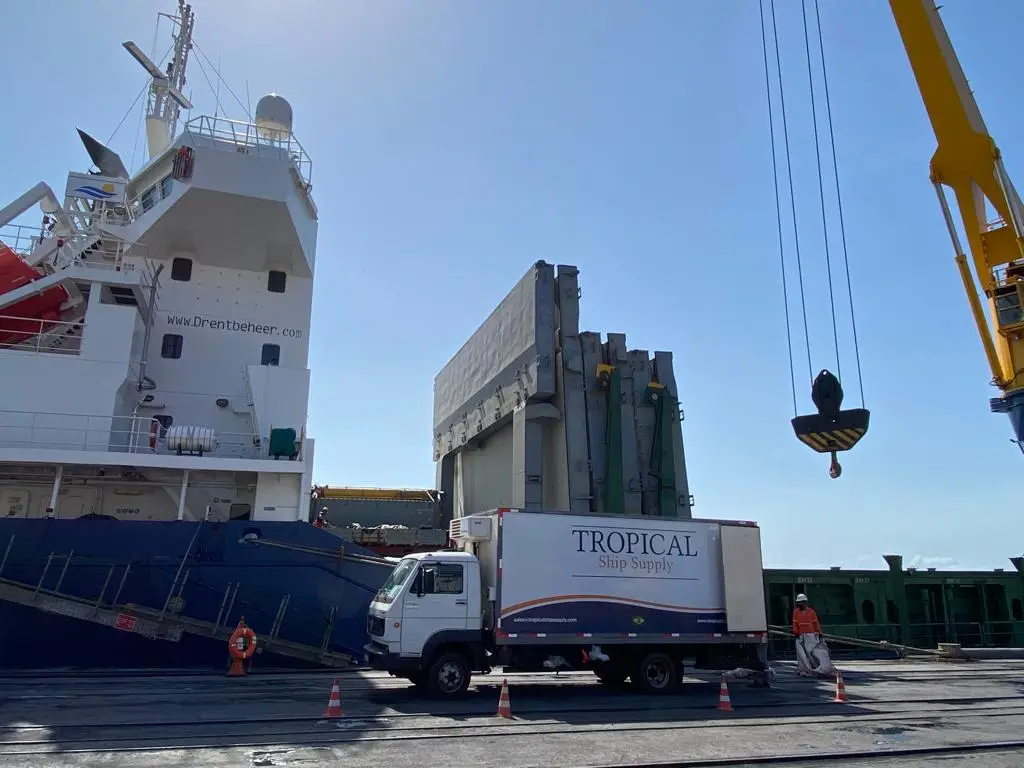 Commercial implications and market access
A strong CII rating is becoming a market differentiator. Charterers, terminal operators, and cargo owners increasingly prefer working with vessels that document environmental compliance. Some contracts might soon require a minimum CII grade.
Furthermore, ports and regulatory authorities in Brazil and worldwide look at these metrics when granting access or offering incentives. As we advise clients across the North and Northeast of Brazil, we see the operational and commercial pressure to maintain favorable CII scores every day.
For example, ongoing discussions about the Port of Santos expansion now factor in not just infrastructure but also how cargo flows will impact emission ratings for arriving ships.
What happens if a ship fails CII targets?
The consequences for maintaining D or E grades are significant. After three years with a D, or one with an E, the shipowner must submit and then follow a plan to improve performance. Failing to correct could risk port access, contract renewal, and even insurance eligibility (IMO CII FAQ). Ships with the lowest grades might face further regulatory scrutiny and reputational challenges.
Responsibility, transparency, and forward-thinking have never been more important for global and Brazilian shipping.
This is why the CII is not just a compliance checkbox; it is now a central part of business strategy and operational risk management for shipowners, agents, and supply partners.
The Brazilian perspective: shifting trends at local ports
As a significant segment of our fleet and clients operate in Brazil, we notice that CII compliance underpins both short-term and future planning. Our local initiatives, such as reliance on renewable energy for warehousing and environmentally conscious logistics, are meant to support vessel owners and operators in meeting international standards.
Sustainability-conscious ports and suppliers, such as Tropical Ship Supply, play an increasing role in helping vessels maintain good CII scores by:
- Offering timely, high-quality supplies to avoid extended port stays and unnecessary emissions
- Prioritizing eco-friendly packaging and logistics
- Providing expert guidance on regulatory updates and operational best practices
We saw these changes amplify during the ongoing debates around Brazil’s maritime decarbonization challenge. Decision-makers rely on reliable, knowledgeable partners who align with their compliance and sustainability strategies.
Action, adaptation, and partnership for the future
The implementation of mandatory reporting and rating measures such as CII, combined with the data resources provided by platforms like NOAA’s CarbonTracker, means shipowners, agents, and suppliers must work together—with a real sense of urgency and collaboration.
As partners, we adapt continually. Tropical Ship Supply Ltd. remains committed to supporting vessels’ supply needs as their operational and environmental landscapes change. Our clients benefit from more than just on-time deliveries; they draw from our expertise, innovation, and commitment to a cleaner future for maritime shipping.
Good decisions today determine your vessel’s success tomorrow.
If you want to know how our services can streamline port calls, enhance CII compliance, and help you meet evolving regulatory demands across Brazil, we invite you: get in touch with Tropical Ship Supply Ltd. today and discover how we can support your goals.
Frequently asked questions (FAQ)
What is the Carbon Intensity Indicator?
The Carbon Intensity Indicator is a rating system developed by the International Maritime Organization that evaluates a vessel’s operational CO₂ emissions based on cargo capacity and distance traveled. Ships receive a grade from A (best) to E (worst), and must improve if rated D or E for too long (IMO CII FAQ).
How does CII affect vessel operations?
The CII framework influences how ships plan routes, manage speeds, schedule port visits, and invest in fuel-saving technology. Vessels must balance commercial priorities with carbon emission reductions, as unfavorable CII ratings can lead to regulatory penalties and reduced market access.
How can I improve my vessel’s CII?
Improvement can be reached by operating at lower speeds, minimizing idle times, upgrading to fuel-efficient technologies, switching to lower-carbon fuels, optimizing cargo loads, and using digital tools for planning. Working with eco-friendly suppliers and reducing turnaround time in port also help maintain better CII scores.
Why is CII important for shipowners?
A good CII rating proves that a ship’s operations are sustainable, reducing environmental impact and meeting international standards. Maintaining a favorable rating protects an owner’s reputation, ensures access to key ports, avoids penalties, and can affect charter or cargo contract opportunities.
What happens if my CII rating is low?
If a ship receives a D rating for three consecutive years or an E for one year, the shipowner must submit a plan to improve performance. Persistent non-compliance can risk port access, increase insurance costs, affect contracts, and trigger regulatory investigation (IMO CII FAQ).