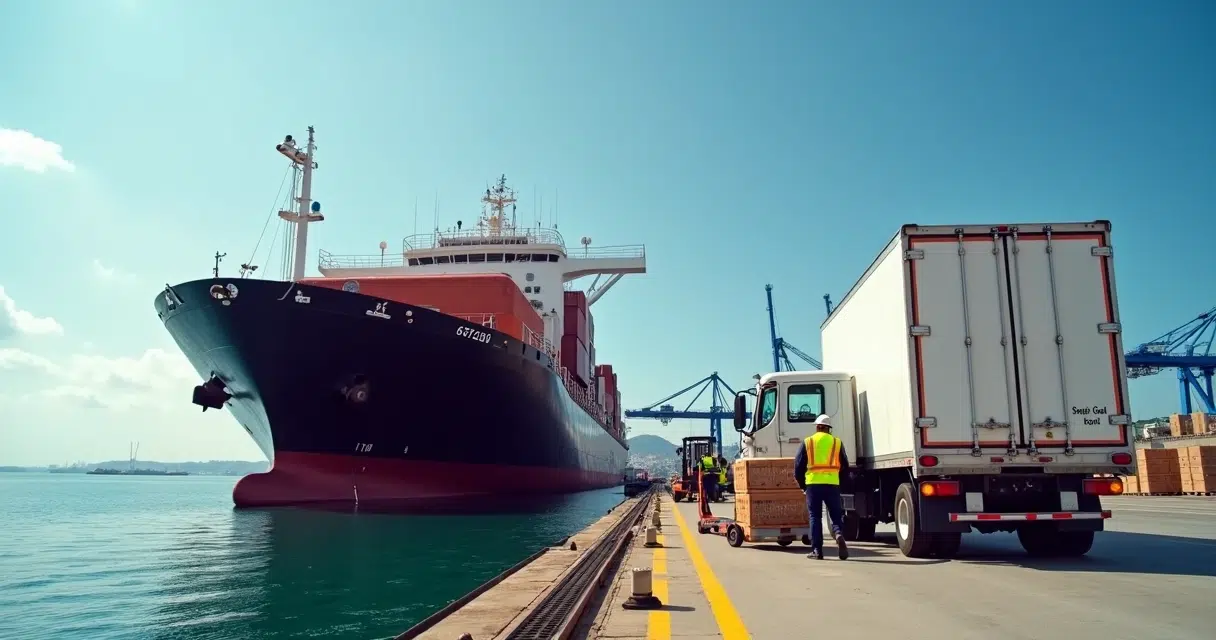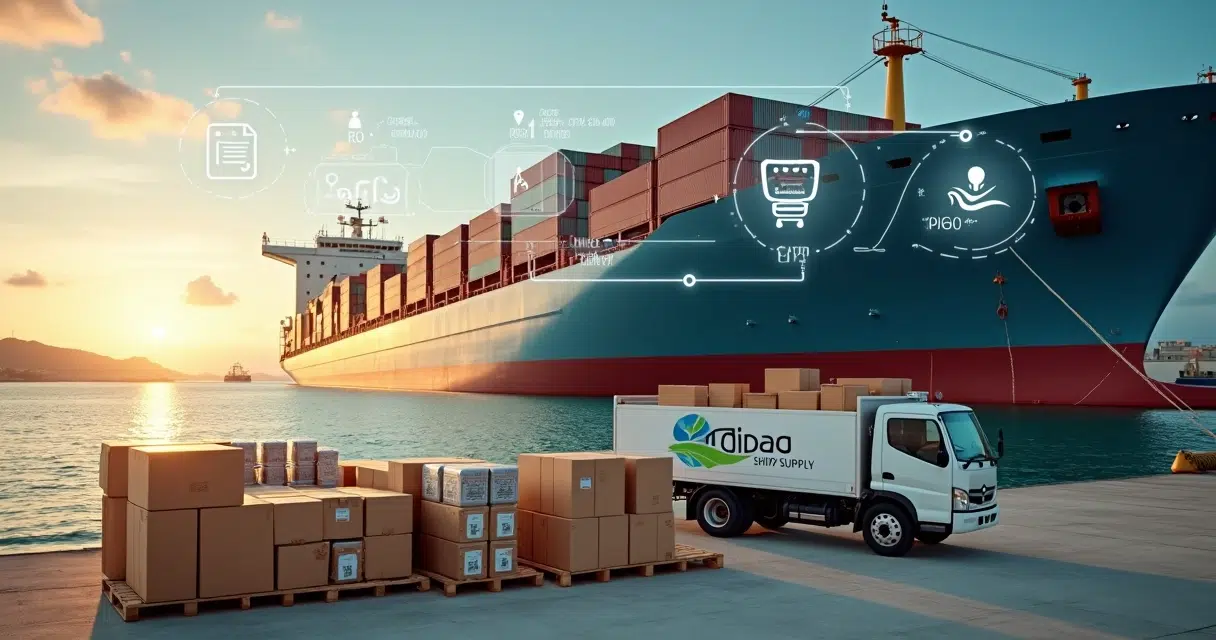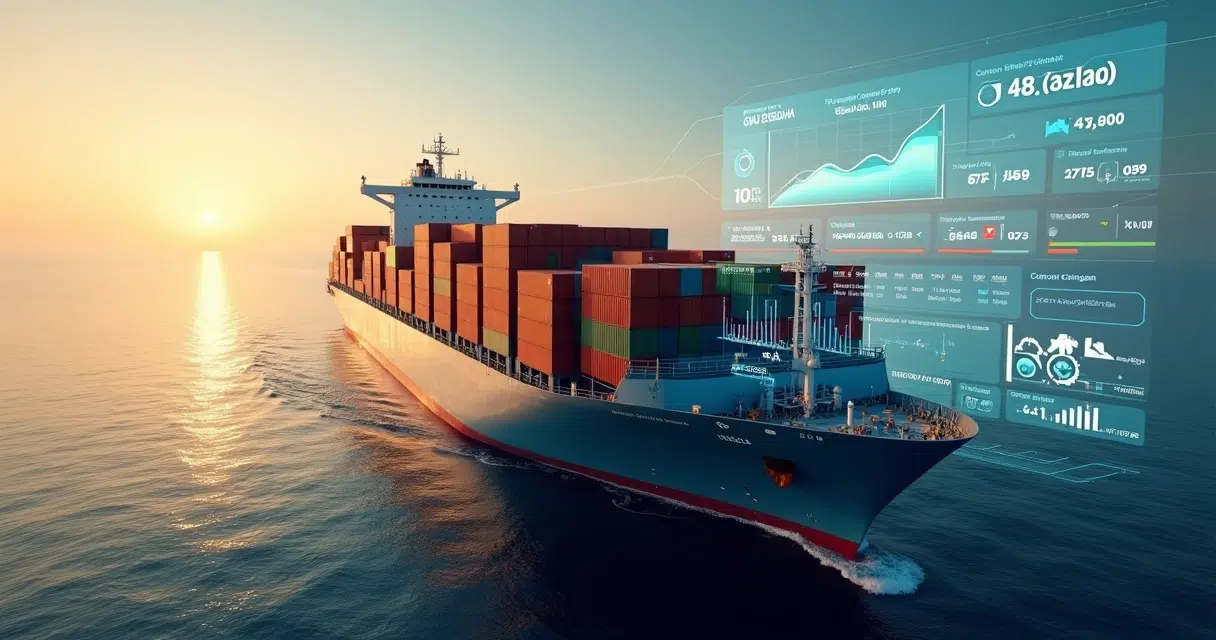
The years ahead promise new challenges and new opportunities for those of us supporting maritime operations. By 2026 and 2027, emissions pricing, rising regulatory costs, and evolving supply chain expectations will create a lasting impact on ship supply. At Tropical Ship Supply Ltd., we are already preparing—so that our clients, partners, and the broader maritime community in Brazil stay ahead of each shift.
The new wave of emissions pricing: what’s real, what’s next?
In April 2025, the world’s major shipping nations charted a new course. They agreed to enforce a global charge on vessels exceeding greenhouse gas emission limits. This will begin in 2027, with a minimum of $100 per ton for emissions above a strict threshold. The resulting $11–13 billion annually will be invested in clean shipping technologies while supporting the maritime transition of developing regions. Alongside the fee, a global marine fuel standard will come into force, which will push the industry further toward sustainable fuels (AP News – global fee on greenhouse gas emissions from ships).
The winds of regulation are gathering. Are we ready to adjust our sails?
This new pricing is not theoretical: it is written into law, set to reshape both costs and behaviors across the supply chain. For every operator, shipowner, and supplier, it is a reminder that emissions are now as much an economic factor as a technical one. We have seen in our talks with clients that concerns are not limited to “how much will this cost,” but “how do we practically reduce our footprint in a cost-effective way?” Along the Brazilian coast, where Tropical Ship Supply operates, everyone wants compliance without stagnation.
Regulatory costs are rising: facts, pressure points, and local readiness
The UNCTAD’s most recent warning could not be clearer: the global shipping market is heading into a period of fragile growth, with higher volatility and swelling costs. Seaborne trade, the backbone of international supply, is expected to stall in 2025. With most of the fleet and its suppliers needing to route longer distances due to geopolitical uncertainty, ton-miles are sharply increasing, putting further pressure on operational budgets. This means that any new regulatory costs, like those driven by emissions pricing and cleaner fuels, will not be absorbed—they will reshape supply margins and planning (UNCTAD – Volatility and rising costs in global shipping).
- Fuel costs will be the most direct burden. Ships not meeting new emissions intensity targets may face both fines and the higher expense of alternative fuels.
- Bunker suppliers and provisioning companies must comply with even stricter documentation and monitoring, adding administrative costs to every shipment.
- Vessels may need new onboard equipment and regular retrofits to align with the global marine fuel standard.
- Port calls could lengthen in duration as inspections and verifications increase.
These effects will be felt across the supply chain. For a comprehensive view of regulatory changes and how Brazil’s maritime sector is reacting, we recommend reviewing our insights on Brazil’s maritime decarbonization dilemma.
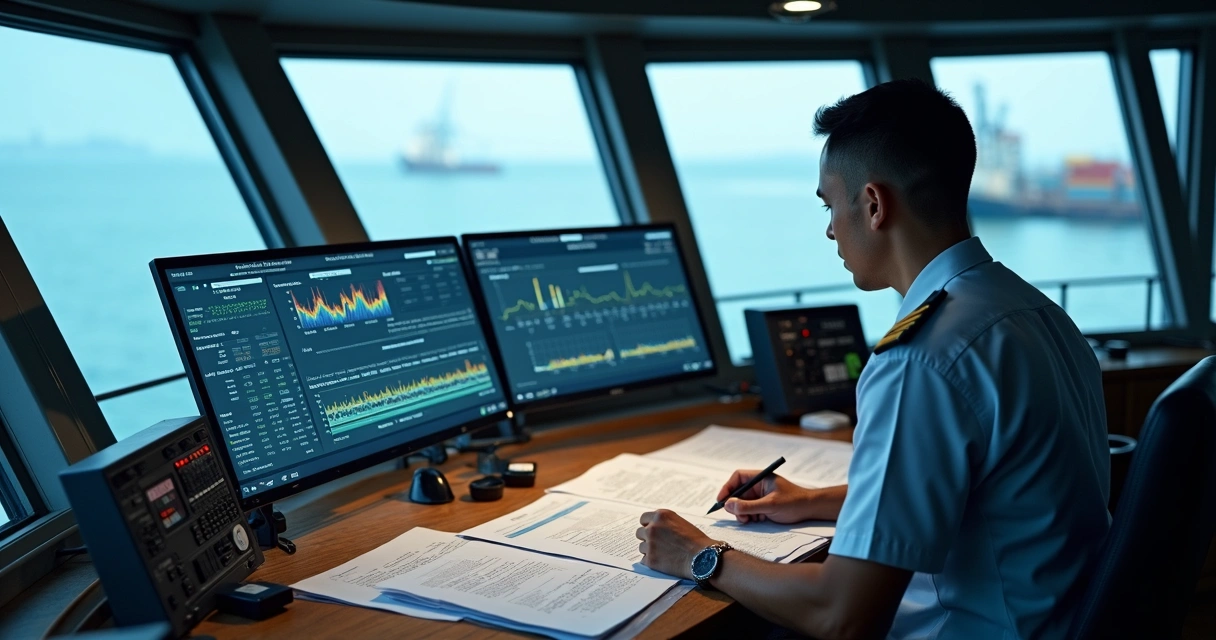 At Tropical Ship Supply, our direct and daily involvement with port authorities gives us a unique perspective. Regulatory compliance is a living process, not a checkbox—each supply run is optimized to reflect not just the best price but the lowest environmental impact, with a continued emphasis on timely deliveries and client satisfaction.
How ship supply adapts when the rules shift
As 2027 approaches, the question we often encounter is: will the volume of ship supply shrink? In our experience, supply shrinkage is not inevitable, but supply models and client expectations must adapt. With greater scrutiny on emissions, contracts for provisions, safety equipment, and technical stores are shifting.
We see a clear trend: vessel operators are prioritizing suppliers who can demonstrate both transparency and flexibility in environmental reporting and inventory management.
- Orders are increasingly structured to emphasize sustainable sourcing, packaging, and energy use, such as Tropical Ship Supply’s own renewable energy and recycling initiatives.
- Clients are looking to reduce call frequency through smarter stock planning, but with no willingness to accept quality or compliance risks.
- Emergencies and breakdowns are still driving ad hoc ordering, but these are subject now to even swifter documentation and post-incident reporting.
- Regional suppliers, especially those positioned near strategic Brazilian ports, are becoming essential partners precisely because they can adapt firsthand to local enforcement patterns.
We continually invest in training and operational upgrades, so that during periods of tightening regulation, every delivery not only meets new rules but supports client efficiency and trust. As always, fast turnaround and responsive communication are the backbone of our service.
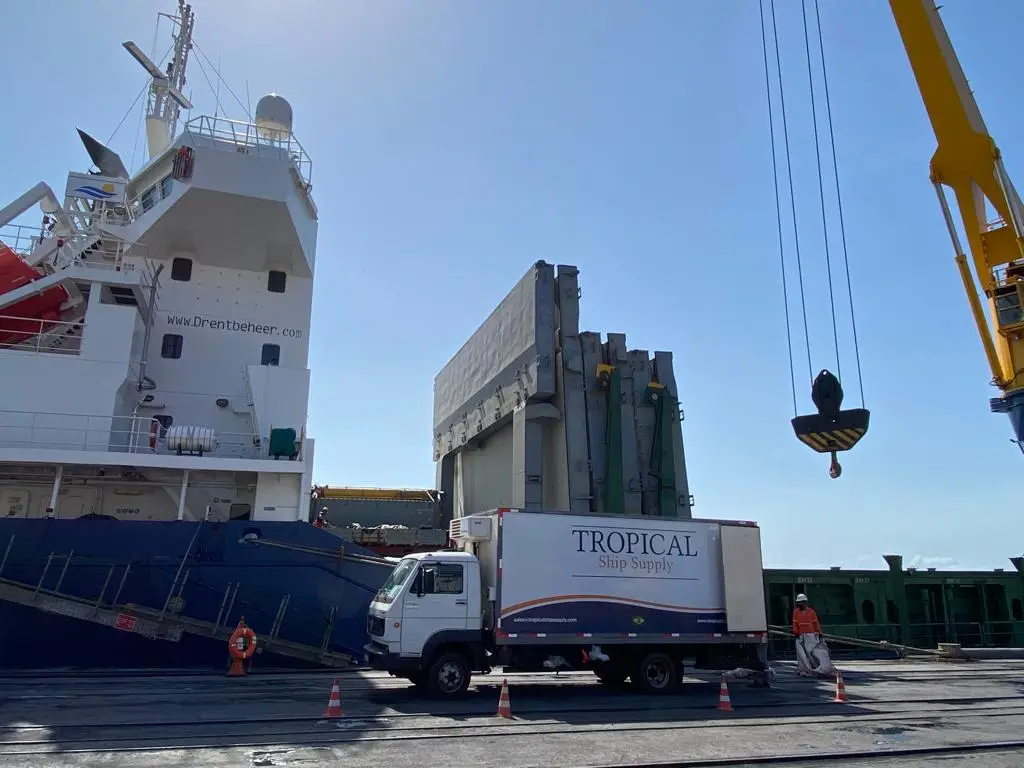 Drawing from our own sustainability initiatives, such as solar-powered operations and attention to recyclable packaging, our team stays at the forefront of industry standards.
The broader impacts: supply chain structure and strategic choices
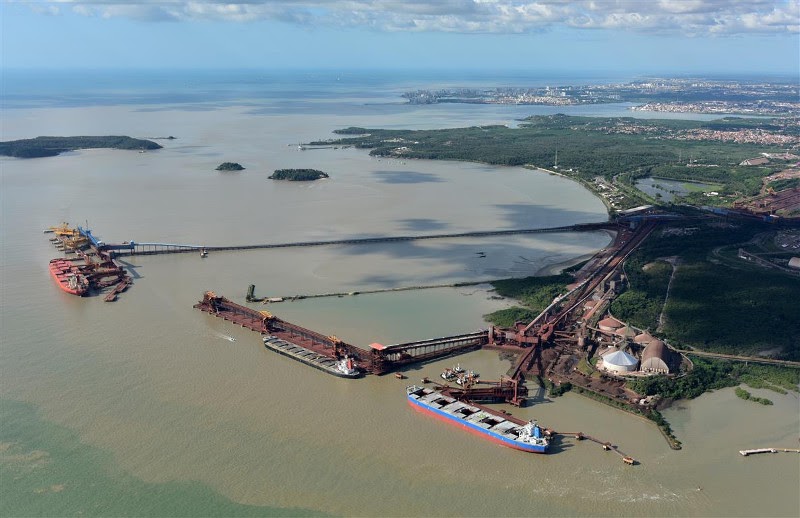
As global demand plateaus and operational costs rise, even the largest ports—including Santos, a central link for Brazil—must adapt their infrastructure for efficiency and compliance. The path to port modernization, including the integration of mega container terminals, will be crucial to support continuous vessel traffic within new regulatory boundaries, particularly as ships seek to avoid unnecessary waiting times and port congestion. Such upgrades are the theme of continuing studies around Brazilian ports.
We follow these developments closely—see more about the privatization and modernization of Santos—since these factors directly influence turnaround speed and reliable supply for every ship in the region.
The new rules do not slow shipping, but reward those who can adapt with speed, accuracy, and transparency.
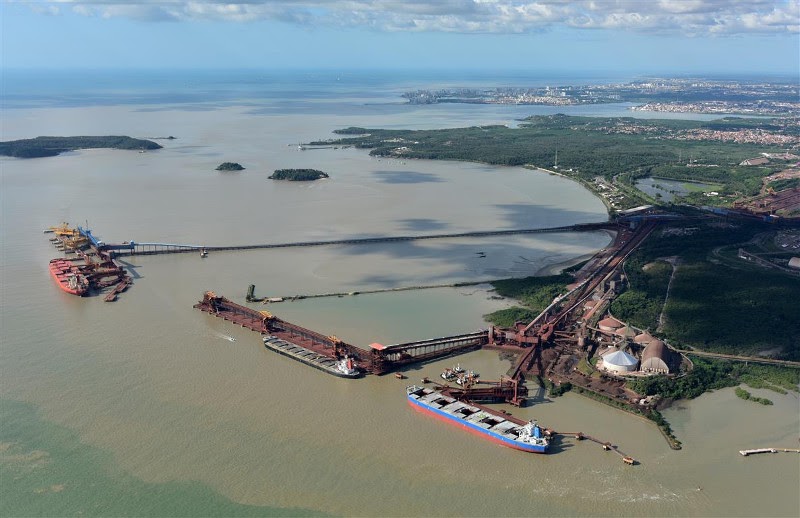
Looking ahead: resilient ship supply for a shifting market
The years 2026 and 2027 will be defined not just by new regulations and higher costs, but by the ability of maritime suppliers to build resilience and trust. At Tropical Ship Supply Ltd., our belief is simple: every challenge is a chance to demonstrate professionalism, environmental care, and lasting partnership.
We invite you to learn more about the trends shaping global maritime commerce and regulatory adaptation by following our dedicated maritime news blog, always written from our perspective as a supply partner, not a distant observer.
Are you ready to make your fleet’s Brazilian operations more resilient, compliant, and cost-effective? Reach out and experience the Tropical Ship Supply approach first-hand.
Looking to reduce costs without sacrificing reliability during calls in Brazil?Tropical Ship Supply supports vessels with on-time delivery, consistent quality, and local assistance across key ports in the North and Northeast.
Contact our team and request a quote:Quotation@tropicalshipsupply.com+55 98 98347-0908 (24hr) WhatsApp
Frequently asked questions
What is emissions pricing in shipping?
Emissions pricing in shipping means that vessels exceeding set limits for greenhouse gas emissions must pay a fee for each ton above those limits. Starting in 2027, these fees will help fund cleaner shipping technology and assist developing countries in transitioning to greener alternatives (AP News).
How do new regulations affect ship costs?
New regulations increase costs mainly through direct fees, such as emissions charges, and the need for cleaner fuels. There are also indirect costs—more documentation, possible equipment upgrades, and longer or more complex port calls. These can add pressure to everyone in the supply chain, including ship suppliers and port service providers.
Will ship supply decrease in 2026–2027?
Ship supply will not necessarily decrease, but the model is changing. Orders are shifting toward suppliers with sustainable practices and precise inventory control, and clients are expecting both full compliance with regulations and a reduced environmental impact for every delivery.
What are the main emissions debates now?
The largest debates focus on who pays, how much the fee should be, and how to set stricter fuel standards without hurting developing markets. The April 2025 agreement was a key milestone, but ongoing discussions surround fair implementation and the use of funds for global decarbonization.
How can shipowners prepare for new rules?
Shipowners should adopt transparent carbon monitoring, plan for alternative fuel use, work closely with suppliers who prioritize compliance and sustainability, and stay informed about changing local and international regulations. Engaging with trusted partners like Tropical Ship Supply Ltd. helps ensure your vessels remain ready for each new requirement.