 Maintenance, Repair, and Operations (MRO) management has become a foundation in keeping vessels safe, operational, and ready for any journey. At TROPICAL SHIP SUPPLY LTD., we have seen firsthand how standardizing MRO lists by vessel class not only reduces the headache of unexpected shortages but also brings transparency and consistency into the supply process. This article aims to guide you through straightforward steps, real benefits, and actionable tips to build a reliable MRO inventory strategy—without complication.
Why standardized MRO lists matter
Ship management depends on countless moving parts. Crew members face daily demands, and even one missing item can slow down operations or, worse, compromise safety. By standardizing MRO lists according to vessel class, we create a clear structure, so ships of similar size and function have well-matched supply kits.
Effective MRO lists are a captain’s silent ally.
With ports throughout Brazil relying on our well-organized supply solutions, we know that standardized lists prevent confusion and cut the risk of costly delays. When everyone is on the same page, ships spend less time waiting at port and more time meeting their schedule. Standardization also allows for easier compliance checks and faster crew training.
The basics: What to include in an MRO list
At TROPICAL SHIP SUPPLY LTD., our ship supply experts always recommend that MRO lists for vessels address these essential categories:
- Mechanical and engine spares
- Safety and lifesaving equipment
- Chemicals, lubricants, and paints
- Hand and power tools
- Consumables (rags, gloves, tapes, bulbs, etc.)
- Navigation charts and publications
- Personal protective equipment (PPE)
Grouping by category means nothing falls between the cracks, and onboard teams always know where to look.
How to standardize MRO lists by vessel class
Standardization shouldn’t feel restrictive; it gives space for flexibility but eradicates uncertainty. In our experience, the process unfolds in stages:
- Define vessel classes. Start by sorting your entire fleet into logical categories—bulk carriers, tankers, offshore supply vessels, and so on. Class size, machinery type, and operational zone all play a part.
- Audit current inventories. Take stock of what each class commonly needs. Pull reports from recent voyages, noting which supplies ran low and which remained untouched.
- Build a core list for each class. Identify the recurring items every vessel of that class uses and establish a baseline kit.
- Allow for vessel-specific adjustments. Not every ship will match the list 100%. Adjust as needed for specialized routes or equipment upgrades, but keep the template as the core.
- Document and communicate. Make your lists easily accessible through digital platforms or onboard folders—everyone from crew to procurement should see the latest version.
By repeating this process periodically and involving the crew, we discover trends and add real improvement with every voyage.
Strategies to prevent onboard shortages
Shortages never announce themselves until the moment a critical repair is needed. Our experience at main ports across Brazil has demonstrated that three habits shape success:
- Regular inventory audits. Set a recurring schedule for inventory checks. The frequency can depend on vessel activity but must never be neglected.
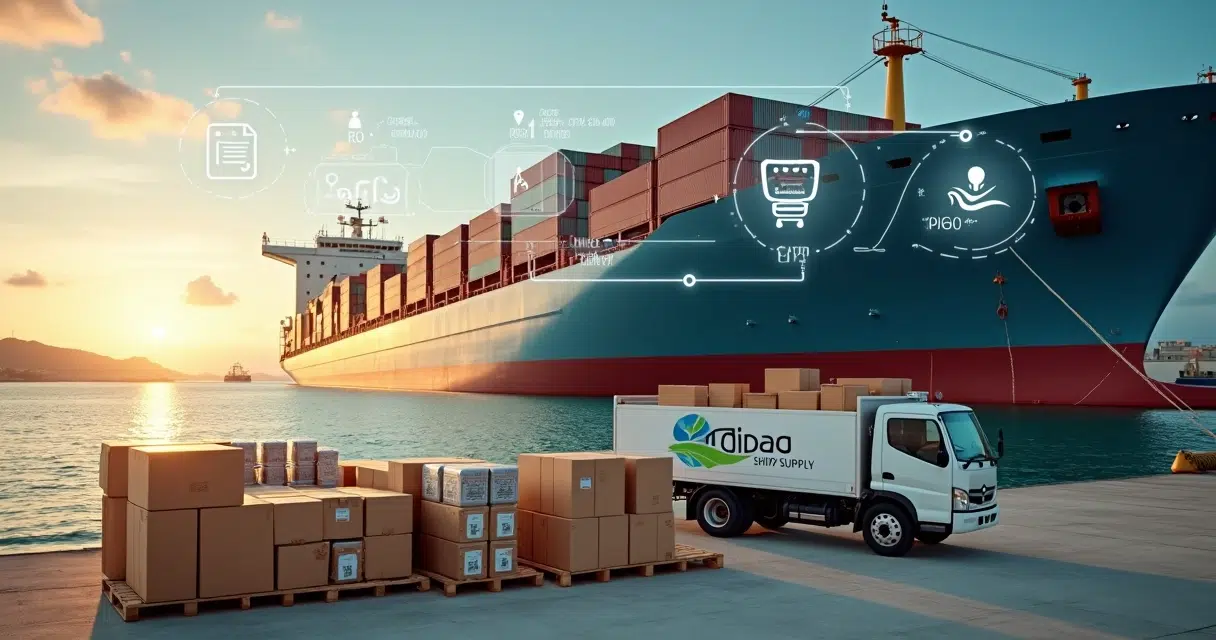
- Adopt digital tracking tools. Modern maritime supply chains benefit from digital inventory systems. Quick barcode scans or app-based entry systems can alert shore teams to requests well before a part runs out.
- Maintain a buffer stock. Always stock a little extra of fast-moving or mission-critical parts, especially for vessels operating in remote areas or with long intervals between port calls.
We have seen that open dialogue between crew and supply coordinators is as important as checklists or digital apps. Honest reporting leads to faster action.
What standardization delivers
Standardized lists reduce confusion, prevent surprise stockouts, speed up resupply, and allow for easier budgeting.
Here’s what we consistently see clients gain with standardization:
- Cost-saving by eliminating duplicate or unnecessary items
- Better visibility for procurement and shore-side managers
- Consistency across vessels, aiding crew training and compliance
- Reduced emergency orders, cutting rush fees and logistics hassles
- Stronger supplier relationships, since expectations are defined and predictable
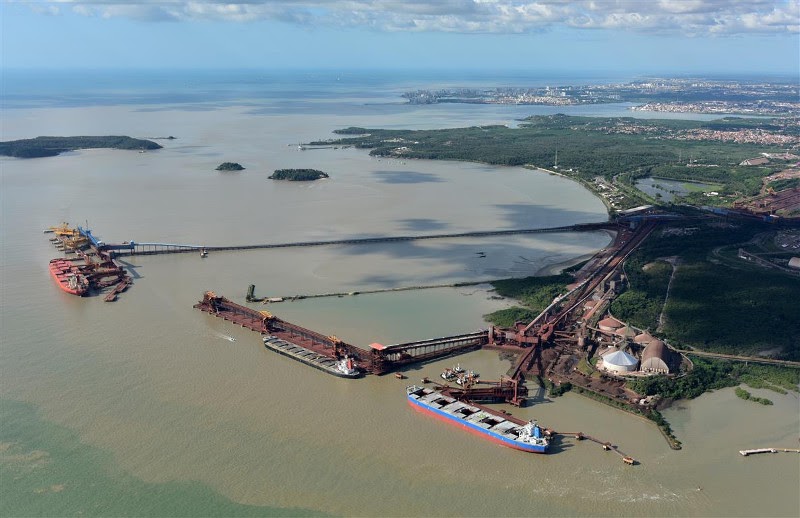
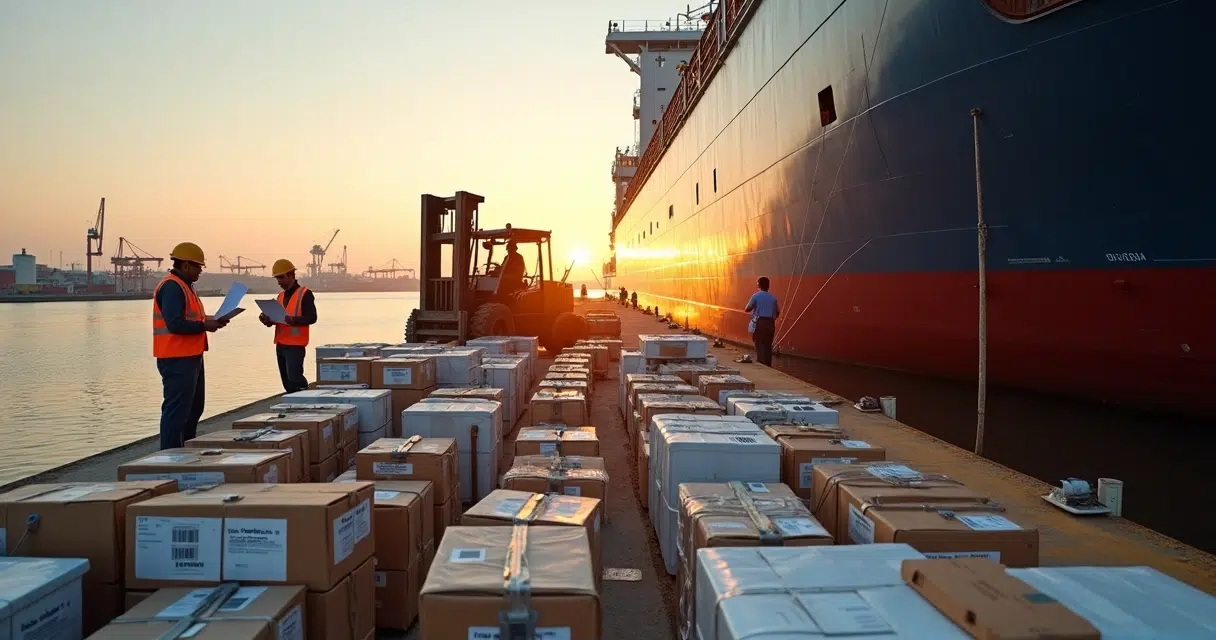
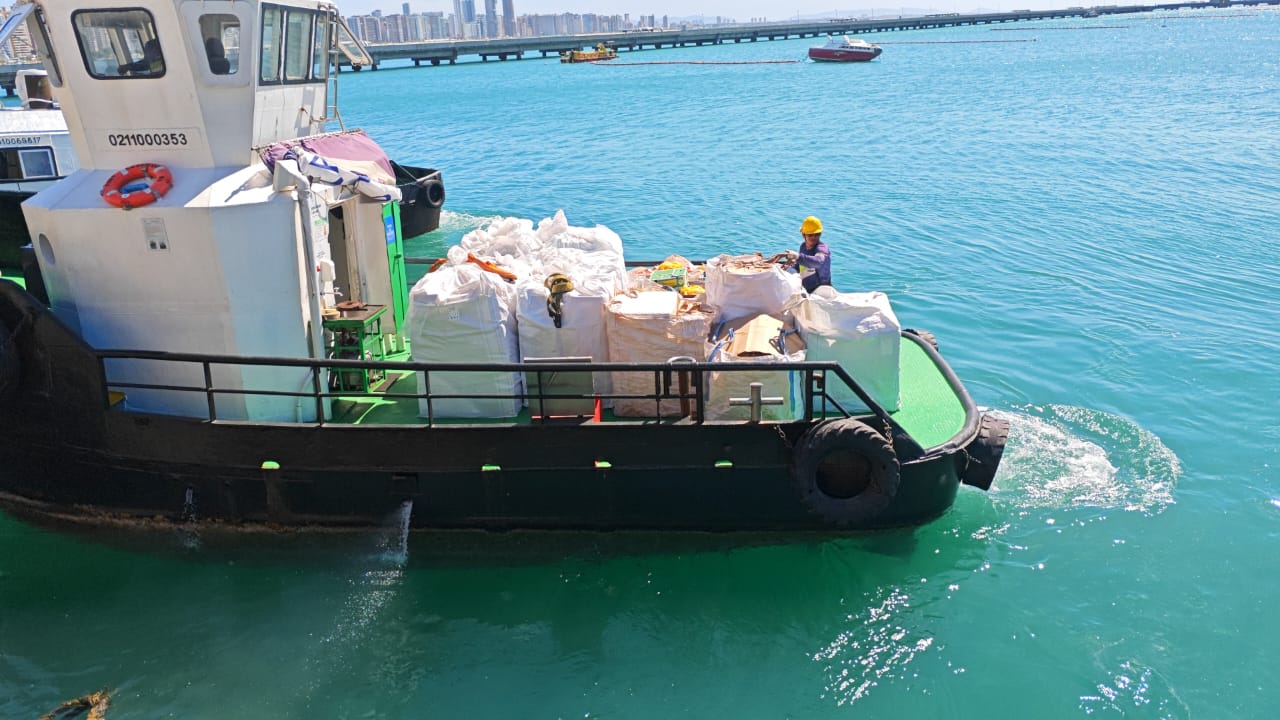
One of our recent projects, delivering a mix of provisions and technical spares to cargo vessels in Vitória and São Luís, revealed that standardized kits enabled deliveries to fit onboard storage and avoid wasted stock. Efficiency, and less waste, are good for the ship and good for the environment.
 Using local partnerships and tailored solutions
 Using local partnerships and tailored solutions
At TROPICAL SHIP SUPPLY LTD., our strategic bases allow us to deliver the right supplies promptly, tailored to vessel class—with local know-how in every key port we cover. Our team’s deep knowledge allows us to adapt and recommend products that are truly needed, not just “nice to have.” For more about our approach to supply chains and sustainability, we invite you to see how we deliver on quality.
We also take our responsibilities seriously regarding sustainability, focusing on eco-friendly packaging and waste reduction for every kit prepared. Our investments in renewable energy ensure that responsible supply is more than just a promise—it’s daily practice. You can learn more about our ongoing commitments on our maritime blog.
Continuous improvement: Our experience and insight
Standardization is never a set-and-forget process. Every port call and resupply is an opportunity to gather feedback and make the list better. We often encourage clients to review MRO performance after each significant voyage or inspection, then co-create improvements that benefit the next trip. This is where the best innovations in marine supply happen—on the docks, with the people who use our products every day.
As we serve international and Brazilian clients, our commitment remains: clear lists, faster solutions, and less downtime at port. To learn more about industry changes and news, see our section on maritime news and follow our journey in our excellence story.
Conclusion: Ready to enhance your vessel’s MRO?
We have witnessed the benefits of MRO standardization at every stage, from loading dock to open sea. A clear system brings stability, confidence, and readiness, not just to one voyage but to every journey. At TROPICAL SHIP SUPPLY LTD., we’re more than a supplier—we’re a partner in every aspect of ship operations.
If your fleet could benefit from proactive MRO management, or you want to see how standardization looks in practice, reach out to our team. Reduce costs, save time, and keep your vessel safe and ready—all with a personalized, reliable supply solution.
Looking to reduce costs without sacrificing reliability during calls in Brazil? TROPICAL SHIP SUPPLY LTD. supports vessels with on-time delivery, consistent quality, and local assistance across key ports in the North and Northeast.
Contact our team and request a quote: Quotation@tropicalshipsupply.com | +55 98 98347-0908 (24hr) WhatsApp
Frequently asked questions
What is MRO for vessels?
MRO for vessels stands for Maintenance, Repair, and Operations, which covers all items and services needed to keep a ship running safely and efficiently during its service life. It includes spares, safety gear, consumables, and technical equipment required for scheduled and unscheduled maintenance.
How to standardize MRO lists by class?
We recommend first grouping vessels by class and operation type, then auditing current inventories to identify commonly required items. Use these patterns to build a core checklist for each class, allowing minor modifications for unique demands. Ensure lists are accessible and review them regularly for accuracy and completeness.
How can I reduce onboard shortages?
To minimize shortages, conduct regular inventory audits, use digital tracking tools for stock alerts, and always keep a minimum level of essential items. Open communication between ship crew and suppliers like TROPICAL SHIP SUPPLY LTD. supports fast resupply and fewer surprises than reactive management.
What are the benefits of standardized lists?
Standardized lists bring clarity, reduce waste, speed up procurement, support crew training, and lower costs due to fewer emergency supply orders. They also help in meeting compliance requirements and improve shipboard readiness for inspections or emergencies.
Where to find MRO list templates?
Many ship suppliers offer customized templates designed for specific vessel classes. TROPICAL SHIP SUPPLY LTD. provides tailored MRO solutions and can help you develop, adjust, or modernize your fleet’s lists based on years of direct experience in Brazilian ports and international shipping needs.