
When discussions on sustainability in shipping move beyond theory and into the hands-on reality faced by ship operators, SEEMP Part III takes center stage. For us at TROPICAL SHIP SUPPLY LTD., this latest SEEMP chapter isn’t just paperwork—it’s a daily practice woven throughout the supply chain, vessel routines, and every delivery we execute in Brazil’s bustling ports.
Understanding what SEEMP Part III really means in practice
SEEMP Part III is the proof that maritime efficiency isn’t a one-off checklist but a transparent, ongoing commitment to improvement. For ship operators, it brings a structured framework to measure, monitor, and validate carbon intensity reduction on every voyage, backed by credible routines and records.
The International Maritime Organization (IMO) has mandated SEEMP Part III to track compliance with the Carbon Intensity Indicator (CII), but the real challenge goes far beyond compliance. It’s about turning efficiency plans into a living part of how ships actually operate, load, supply, and maintain their daily pace along routes like those we serve in Brazil.
Routine is the backbone of maritime progress.
From planning to daily routine: breaking down the process
So, how do efficiency plans show up in day-to-day operations? For us, it starts at the dock and continues all the way to the open ocean. SEEMP Part III pushes us and our partners to:
- Record fuel consumption and voyage data on every leg
- Plan routes to maximize fuel savings and minimize emissions
- Adapt procedures for loading, supply, and port turnaround to support lower carbon impact
- Verify that each planned action was executed, not just scheduled
With TROPICAL SHIP SUPPLY LTD.’s network in strategic Brazilian ports, we see the ripple effect of these plans everywhere. Our team integrates seamlessly with a vessel’s routines, offering clear communication, pre-coordinated delivery slots, and all documentation ready to support inspections or audits at port.
Daily evidence: the documentation behind the plan
Every efficiency plan lives or dies by its evidence. In our day-to-day role as suppliers, we contribute by maintaining meticulous records for every shipment—fresh provisions, equipment, nautical publications, or safety gear—delivered on time and with full traceability.
Ship crews track their side of compliance through daily fuel monitoring logs, bunker delivery notes, engine output records, and voyage reports. These aren’t just kept on paper, but increasingly stored in digital formats that make both on-ship and remote review possible.
Records aren’t just for inspection—they help the crew see progress in real time.
How reviews keep plans dynamic
One of the most valued lessons SEEMP Part III brings is that reviews must happen, not just annually, but at regular intervals. We’ve watched as vessel operators log monthly summaries to check if projected savings are real, and adjust plans if data shows a drift from targets.
- Review meetings combine data from each department: deck, engine, supply, and ports
- Collaboration across teams ensures everyone’s working toward the same measurable outcomes
- Feedback is swift—we update processes and delivery schedules based on what is learned
 Routine and evidence go hand-in-hand
 Routine and evidence go hand-in-hand
Without consistent routines, the evidence would be fragmented and unreliable. We’ve helped clients succeed by synchronizing our own delivery logs, temperature-controlled transport evidence, and supply chain data with ship records—creating a transparent log of every item delivered and every mile sailed.
Why these practices matter to Brazilian ports
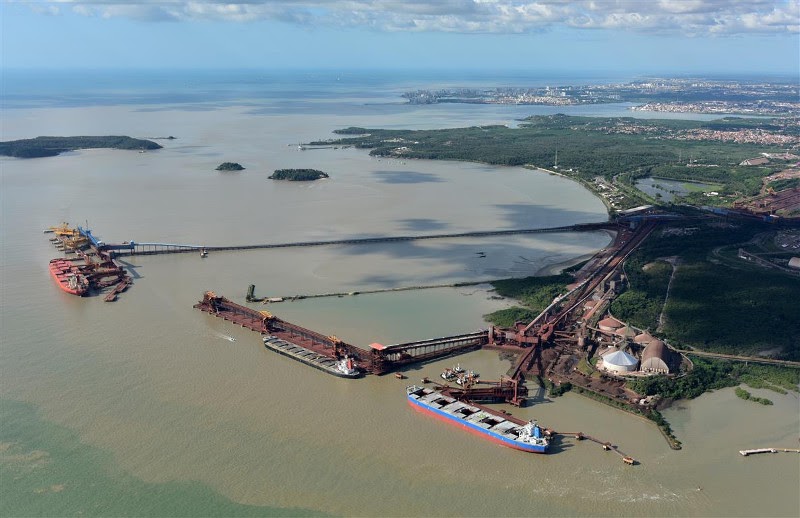
Ports like those in São Luís, Vitória, or Rio de Janeiro are under growing pressure to support decarbonization, and SEEMP Part III offers practical steps to align local operations with global requirements. By building trust with visible evidence and efficient logistics, we keep vessels ready and compliant, reducing turnaround times—key for saving fuel and emissions.
Many of our partners see clear benefits from unified procedures. When a ship’s suppliers, agents, and crew all operate from the same page, preparing for audits and maintaining compliance become routine—not a panic.
 When efficiency becomes habit, transparency follows naturally.
Actionable steps to reinforce SEEMP Part III in your daily shipping
We recommend that every operator, agent, or supplier working with Brazilian ports:
- Train crews and teams on the specific routines SEEMP Part III requires
- Use checklists for fuel, supply deliveries, voyage planning, and emissions data capture
- Hold regular review sessions using recorded data, and document both successes and failures
- Bring suppliers, like TROPICAL SHIP SUPPLY LTD., into the routine with coordinated scheduling and transparent supply logs
- Store digital and physical evidence securely and make it immediately available for auditors or inspections
Following SEEMP Part III helps ship operators not only meet IMO rules but also unlock smoother port calls, faster delivery cycles, and stronger collaboration with trusted local partners.
Continuous improvement, sustainability, and our vision
At TROPICAL SHIP SUPPLY LTD., we see every efficiency plan as a living document guiding our work in the ports and onboard the ships we serve. Our commitment to sustainability, detailed logistics, and transparent record-keeping supports vessels on their way to lower emissions and higher standards of operation.
We keep clients up-to-date on Brazil’s evolving maritime regulations and global best practices by sharing practical updates and insights through our own news channels and selected resources. To stay informed on sector news, visit our maritime news updates or the broader maritime blog.
If your vessel needs reliable supply or support to keep efficiency routines on track during port calls in Brazil, our expert team is here. Experience smooth, compliant, and sustainable operations—reach out to get your next quote or consultation, and let us show you how we bring efficiency plans to life for your fleet.
Looking to reduce costs without sacrificing reliability during calls in Brazil? TROPICAL SHIP SUPPLY LTD. supports vessels with on-time delivery, consistent quality, and local assistance across key ports in the North and Northeast. Contact our team and request a quote: Quotation@tropicalshipsupply.com +55 98 98347-0908 (24hr) WhatsApp.
Frequently asked questions
What is SEEMP Part III for?
SEEMP Part III is designed to require ships to create, follow, and continuously update a ship-specific plan for monitoring, reporting, and improving their carbon intensity as measured by the CII (Carbon Intensity Indicator). It pushes operators to plan concrete actions, log real results, and collaborate transparently with authorities and partners.
How do efficiency plans affect daily operations?
Efficiency plans bring structure and routine into a ship’s day-to-day schedule. They affect how a vessel plans voyages, buys supplies, consumes fuel, and records progress, turning sustainability goals into regular habits practiced by all crew members. At TROPICAL SHIP SUPPLY LTD., we see our supply routines become part of clients’ compliance evidence, helping build a complete picture of each voyage.
What evidence is required for SEEMP Part III?
Ships must collect varied evidence: daily fuel logs, bunker delivery notes, voyage planning records, engine outputs, supply logs, and audits. Evidence needs to be accurate, timely, and traceable, demonstrating that planned CO2 reductions are translating into action. Digital tools are increasingly common to help organize and submit this data.
How often are efficiency plans reviewed?
Efficiency plans are reviewed at least annually but, in best practice, should be checked monthly or per voyage. Routine reviews allow the ship’s team to spot issues, act quickly, and ensure continuous progress towards the CII goals SEEMP Part III outlines. Departmental meetings, supply chain discussions, and transparent summary reports support these reviews.
Is it worth it to implement SEEMP Part III?
Yes. While it takes effort to integrate, SEEMP Part III provides a roadmap not only for compliance but also for real operational gains: lower costs, greater transparency, and readiness for inspection—all aligned with sustainability values. Engaging with trusted suppliers like TROPICAL SHIP SUPPLY LTD. ensures smoother routines and long-term progress.
Discover more about our work and the strategic role of suppliers in port efficiency at our Brazilian maritime supply hub. Learn about new infrastructure developments on the Port of Santos privatisation news and read our perspectives on Brazil’s maritime decarbonization.