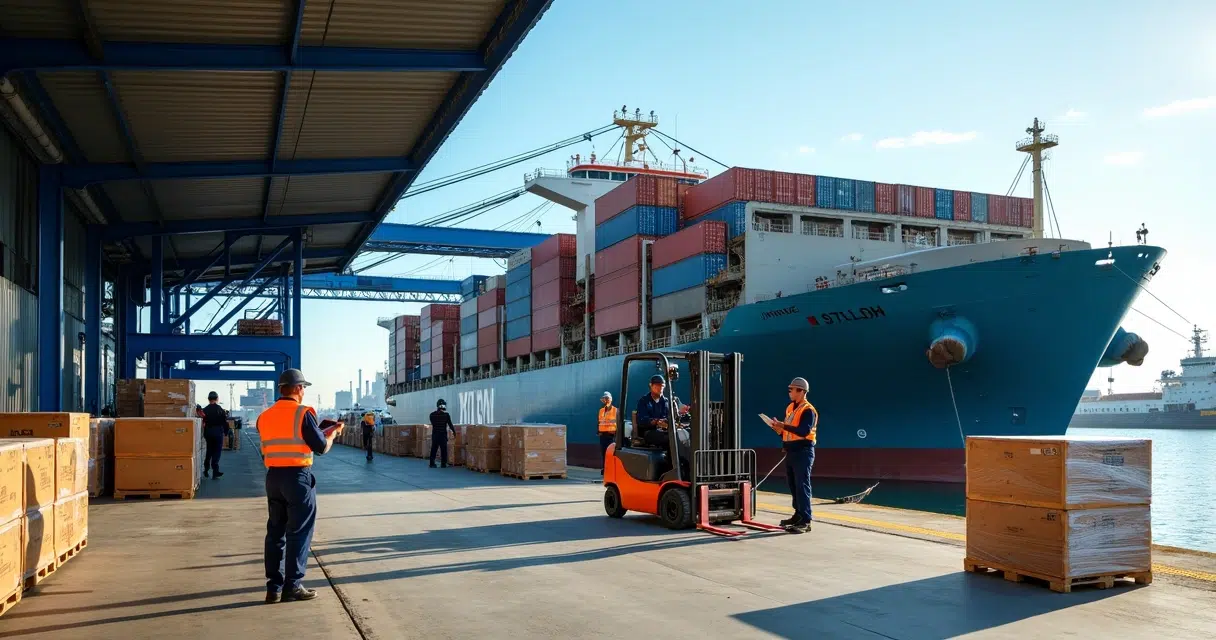
After two decades writing about maritime logistics, I have seen Brazil’s ports become busier, more organized, and far better equipped. Today, if you are searching for a reliable ship supplier in Brazil port, understanding the entire process—from first contact to final delivery—can make or break your vessel’s next port call.
What a ship supplier really offers
When I first learned about ship supply, I realized how complex a vessel’s needs could be. The role goes far beyond stocking food. A trusted provider like TROPICAL SHIP SUPPLY LTD. serves as a one-stop partner for:
- Fresh and frozen provisions, tailored to different crew preferences
- Bonded stores, including drinks, cigarettes, and other duty-free items
- Technical and safety equipment, such as fire extinguishers, PPE, and spare parts
- Nautical publications and charts
- Cleaning products and maintenance supplies
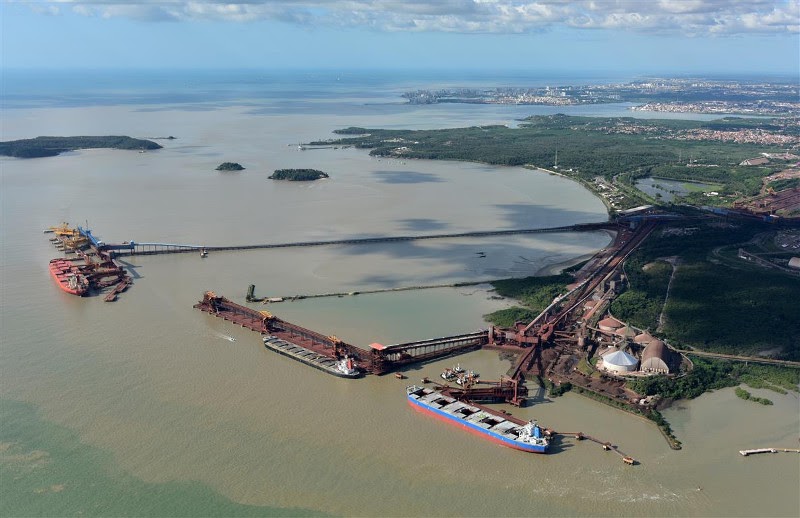
Teams typically operate at Brazil’s main entry points—like Santos, Paranaguá, and Recife—enabling fast and flexible coverage for both national and international ships. The Paraná ports’ cargo throughput record in 2021 further highlights how vital these services have become as port activity grows.
How the process usually works
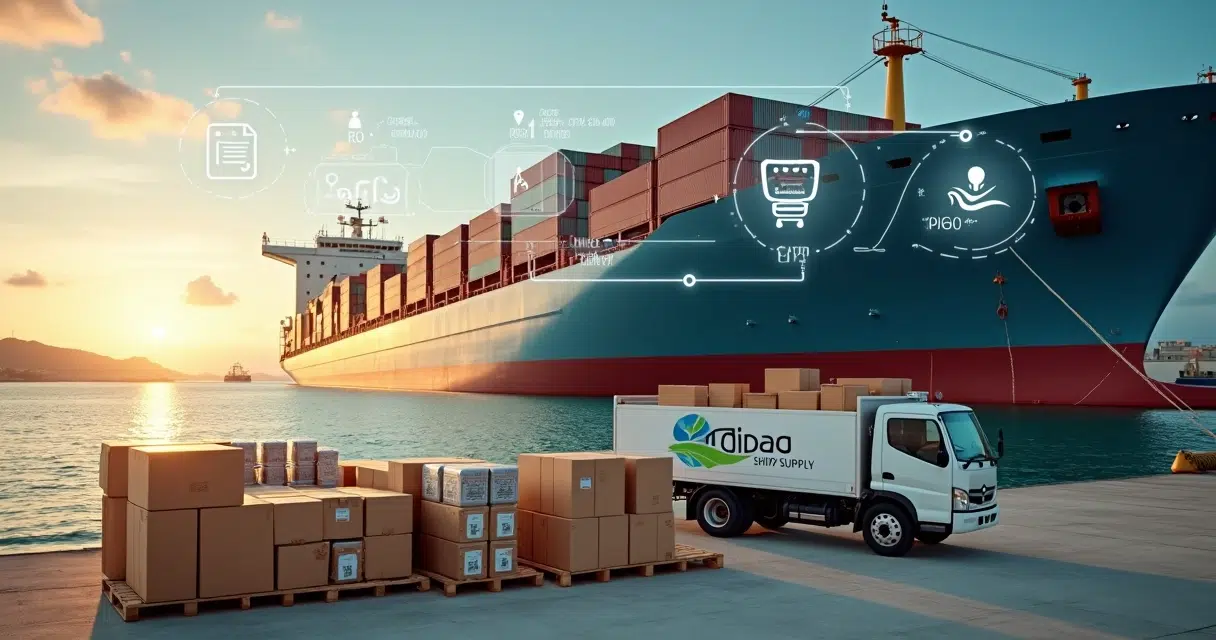
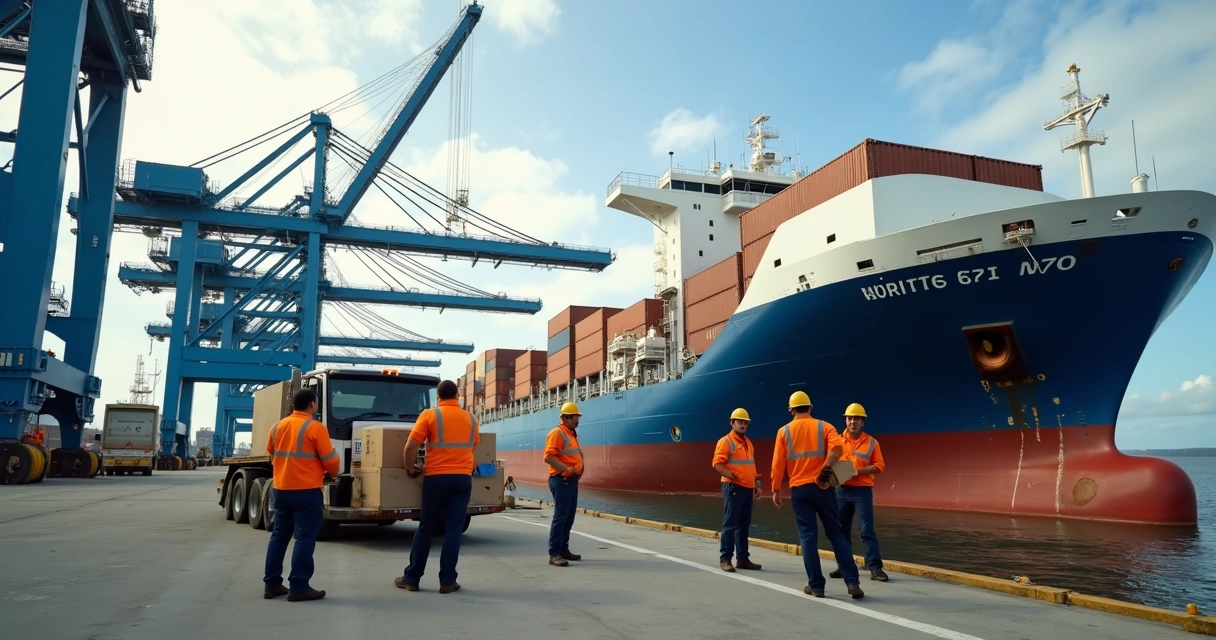
From my own experience, ordering from a dependable ship supply team like TROPICAL SHIP SUPPLY LTD. follows a clear, transparent sequence:
- Send a clear requisition listing your requirements, quantities, and timeline.
- Receive a quote—usually within hours—offering prices, delivery times, and product details. This stage is where transparency really matters.
- Confirm your order. The supplier prepares everything according to the instructions, including documentation.
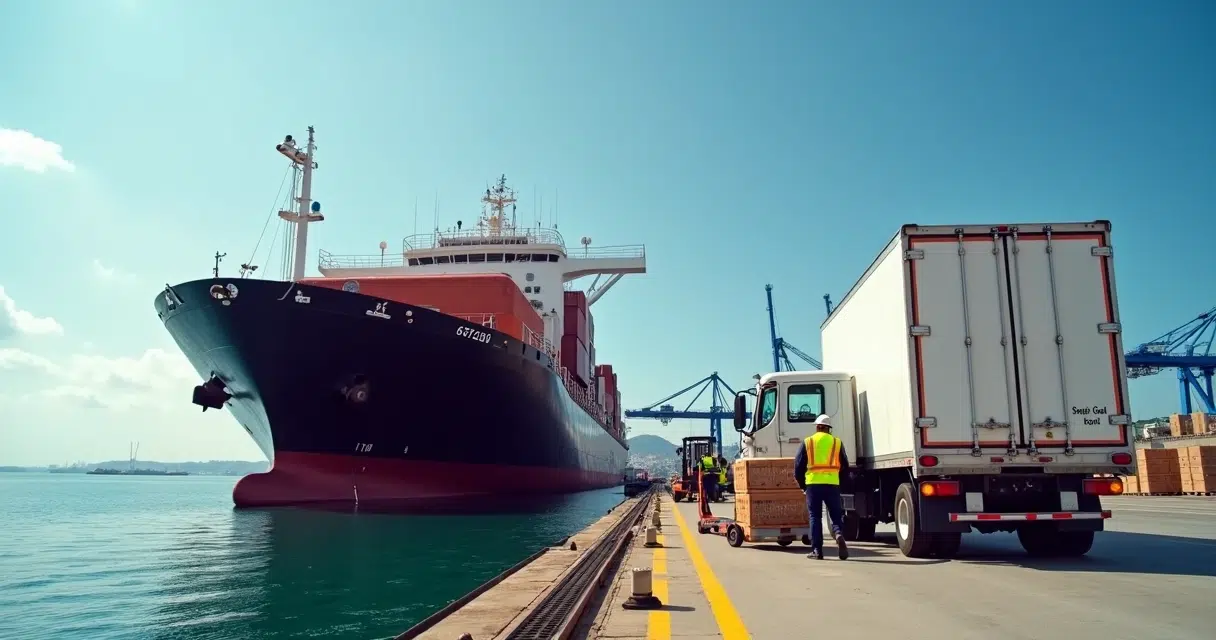
- Delivery is synchronized with port schedules so supplies arrive exactly when your crew can accept them. Rapid response is crucial, especially for perishables and safety gear.
Agility, reliability, and great pricing go a long way when turnaround times are tight.
Types of supplies: Going beyond the basics
In conversations with ships and agents, I am often asked what they can get from a ship supply service here. Besides the usual bonded and food stores, I recommend asking suppliers about:
- Spare machinery parts and technical equipment
- Medical kits and first aid gear up to international standards
- Custom supply solutions for specialist vessels
Sourcing from local experts can save headaches and keep ships compliant with Brazil’s demanding maritime standards.
Ever since Brazil reached a record 28,847 exporting companies in 2024, I have seen supply requests grow more specialized and frequent, so working with experienced local teams is more important than ever.
Local versus international: What fits best?
There’s often a question about choosing a local team or importing supplies. In my analysis, Brazilian suppliers like TROPICAL SHIP SUPPLY LTD. know the ports, paperwork, and customs restrictions. They can react quickly if plans change or emergencies arise. Local providers are also tuned into national supply chains—a huge benefit now, considering the recent government investments in port infrastructure across the country.
Speed and local knowledge can make all the difference at turnaround time.
International sourcing has advantages but is better suited for highly specialized, long-term needs.
What to check before placing your order
Whenever I give advice to shipowners or agents, I say look for:
- Wide service coverage—see if your supplier has teams in all relevant Brazilian ports
- Range of goods and flexibility in custom orders
- Clear, fast communication and solid testimonials
- Proven adherence to international standards
If you want more insight on these topics or related logistics questions, the ship services section, marine supply category, and logistics analysis blog from TROPICAL SHIP SUPPLY LTD. are full of real-world discussions. For international market perspectives, I also check their international trade resources.
Conclusion: Ready to connect?
Working with a strong, agile ship supplier in Brazil port can make every port call smoother and more cost-effective. If you need a personalized quote or want to start a no-obligation conversation about your supply challenges, I recommend reaching out to TROPICAL SHIP SUPPLY LTD. Their experienced team is always committed to transparency and finding solutions tailored to your needs. You can also learn more by checking example posts on their blog for case studies and success stories.
Frequently asked questions
What is a ship supplier in Brazil ports?
A ship supplier in Brazilian ports handles everything a vessel may need during port calls, supplying food, technical gear, safety items, and even documents or publications to international standards. Their job is to deliver these in a timely, efficient manner so the ship can get back to sea without delay.
How to find reliable ship suppliers?
In my experience, the best approach is to look for well-established suppliers with offices in strategic ports, a wide product catalog, and strong recommendations from maritime agents or shipowners already operating in Brazil.
What services do Brazil port suppliers offer?
Services include fresh and dry provisions, bonded stores, ship parts, technical equipment, marine safety gear, documentation, and delivery coordination—always adapted to the vessel’s arrival schedule and compliance needs.
How much do ship supplies cost in Brazil?
Prices can vary based on the type, quantity, and urgency of supplies requested. Most suppliers deliver detailed quotes before accepting orders, so costs are clear and competitive compared to global averages.
Where are the main ports for ship supply?
Some of the busiest Brazilian ports for ship supply are Santos, Paranaguá, Rio de Janeiro, Recife, and Suape. Operations are concentrated in these locations due to high traffic and strong infrastructure investments.