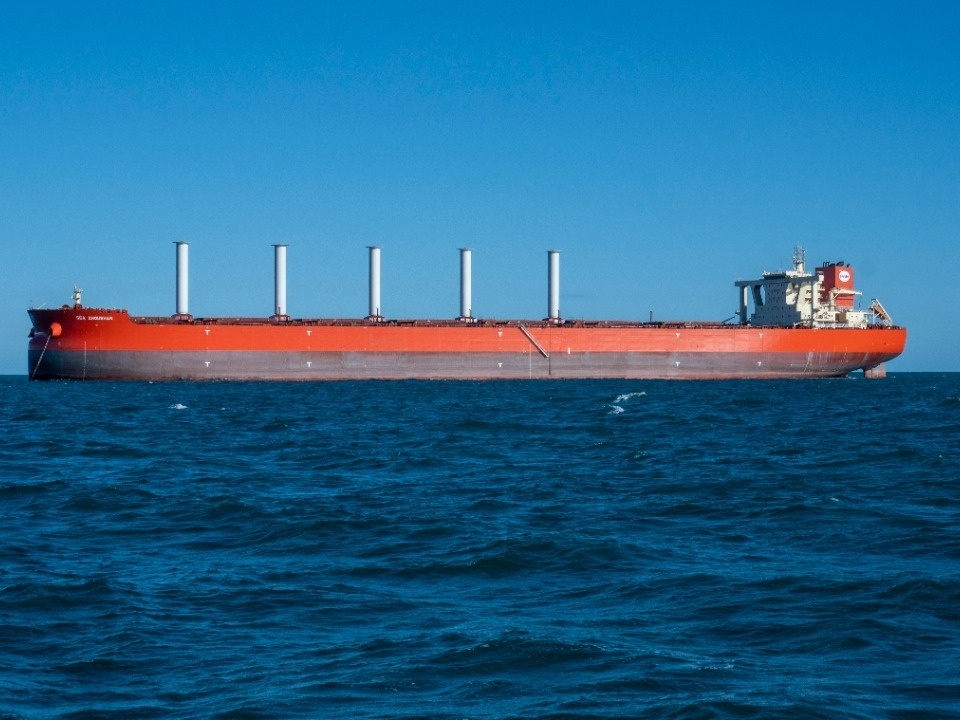
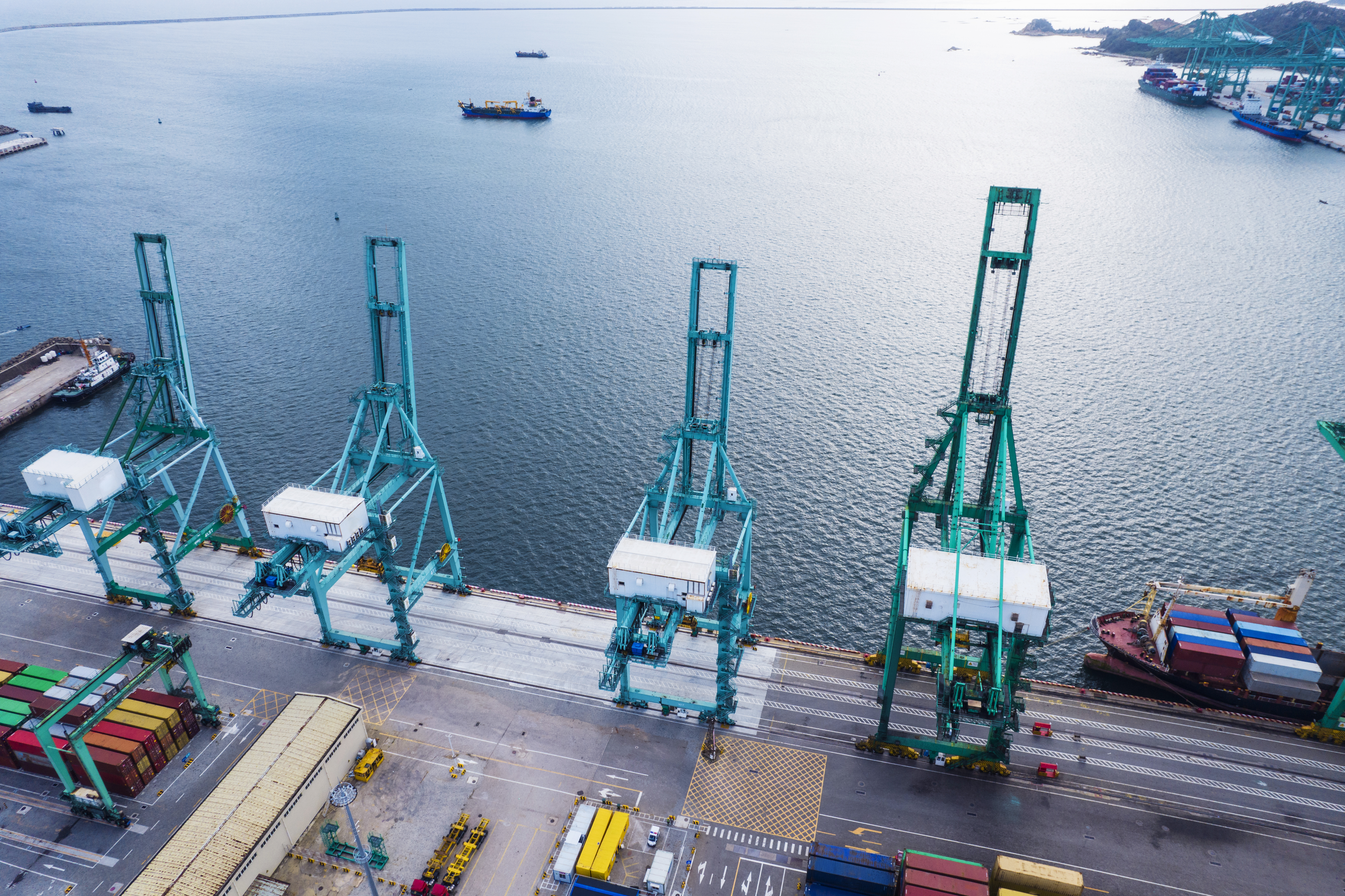
 The maritime sector is no stranger to ambitious targets, but the International Maritime Organization’s (IMO) 2023 GHG Strategy marks a watershed moment. Now, with the 2030 checkpoints looming, the demand for clear action and adaptation could not be more intense. At TROPICAL SHIP SUPPLY LTD., we see these changes as both a responsibility and a remarkable opportunity—for our business, our environment, and the clients and crews we serve in Brazilian ports and beyond.
The 2023 GHG strategy: A bold new course
The IMO’s latest strategy sets revised, ambitious targets: a 40% reduction in carbon intensity by 2030, with an indicative checkpoint aiming for a 20% reduction in total annual greenhouse gas (GHG) emissions by then (striving for 30%), all compared to 2008 levels. By 2040, the goal rises to 70% (or striving for 80%), and by 2050, the industry aims for net-zero GHG emissions. The International Maritime Organization’s official strategy outlines these phases in detail and highlights the scale of transformation required.
For all stakeholders in the maritime chain, this is no ordinary target: this is an industry reset.
The meaning of 2030 checkpoints
Why focus so much on 2030? This date serves as the first real assessment—a crucial checkpoint toward greater decarbonization. The Climate Action Tracker suggests that to achieve a 20% reduction, the industry must pull emissions down to about 637 million tonnes of CO₂ equivalent. If we strive for the 30% mark, we need to bring it below 557 million tonnes.
At TROPICAL SHIP SUPPLY LTD., we realize the decisions we make today create the pathway for the supply routes of tomorrow. Our daily activities, from sourcing and delivering provisions to implementing greener practices, now have broader consequences.
How the supply chain is already changing
Change began the day the new strategy was signed. From our dockside perspective, we observe ripples and currents across the entire chain. Here are key developments already shaping the sector:
- Green procurement. Owners and operators are increasingly demanding eco-friendly products, recyclable packaging, and local sourcing. These aren’t buzzwords—they’re contract requirements.
- Efficiency in logistics. With fuel accounting for a large share of operational emissions, optimized routes, timely deliveries, and consolidation have become daily basics. Speed still matters, but now so does every liter of fuel saved.
- Transparency and reporting. Stakeholders expect verifiable data on GHG footprints, meaning supply partners must track product origins, transport methods, and even the packaging end-of-life.
- Digitalization. From e-invoices to digital signatures and automated inventory, paperwork reductions equal emission reductions.
In our operations, these shifts are not theoretical. They have prompted adjustments and innovation from the warehouse floor to the delivery trucks and up the supply chain. We see our clients, especially shipowners and agents, incorporating GHG data into their supplier evaluations, a trend we expect to accelerate as the 2030 checkpoint draws nearer.
What ports and suppliers are doing differently
Ports are strategic battlefields in the race to cut emissions. As we serve vessels in key Brazilian ports, we notice new collaborations forming:
- Investments in cleaner energy infrastructure like shore power and solar panels
- Integrated waste reduction and recycling programs
- Coordination with suppliers for more sustainable ship visits
- Push towards electric or low-emission vehicles within port zones
We’ve responded by embracing renewable energy in our own facilities with solar panels and upgraded sustainability policies—as highlighted in our efforts to use smart packaging, prioritize waste reduction, and source more responsibly.
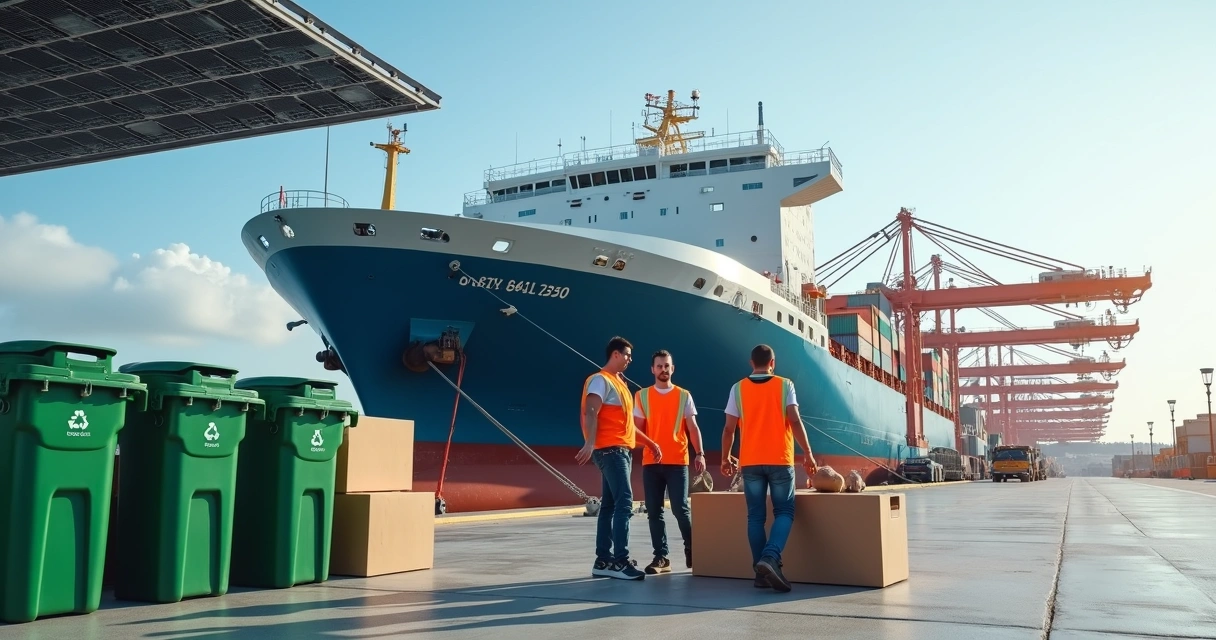 This industry-wide movement aligns us closely with our clients’ needs: reliable service, now more transparent and environmentally conscious than ever.
Impact for shipowners, operators, and cargo interests
Shipowners face mounting expectations. Compliance isn’t just regulatory, it’s commercial—charterers and cargo owners are increasingly selective, basing contracts not just on cost or timing but on climate credentials. Transparent records, emission scores, and audit trails are fast becoming the norm.
As vessel operators must report and reduce emissions, every fresh provision delivered, every crew transfer, and every spare part supplied needs to fit into a clear sustainability framework. For projects like ours—delivering food, safety equipment, galley supplies, and more—the impact is direct. We’ve adopted new sourcing standards, digital checklists, and traced all supply chains with sustainability in mind.
For cargo owners, especially major importers and exporters, the ability to report on their logistics partners’ emission profiles is now a significant differentiator. In turn, they pressure agents and suppliers to comply and support their disclosures.
Looking ahead: preparing for 2030 and beyond
What will successful ship supply look like as we approach 2030? It is a world where:
- Supply chains are mapped and measured for every CO₂ emission
- Environmental and operational KPI dashboards guide every task, from warehouse picking to delivery windows
- Collaboration across the chain—including port authorities, service providers, and shipowners—ensures shared investment in greener infrastructure
- Clients reward suppliers that show documented reductions and a commitment to a steady, long-term transition
On a daily basis, this means greener choices—from packaging to route planning—and tighter control of our own processes. At TROPICAL SHIP SUPPLY LTD., our focus is to keep adapting, always blending agility, quality, and sustainability for our clients.
The Brazilian ports we serve are already reflecting these changes. Legislative and project developments, such as those tracking decarbonization plans or supporting offshore wind and green hydrogen projects, underscore the scale and importance of coordinated progress across the sector. For those interested, our analysis on Brazil’s maritime decarbonization dilemma and coverage of offshore wind and hydrogen projects offer additional insights.
By staying at the forefront of sustainability trends and maintaining rigid quality standards, we continue to support the evolving needs of vessels and shipping companies operating in Brazil. Our agile structure makes us the trusted partner throughout these challenging—but promising—times.
Conclusion: Turning targets into action
If there is one lesson in all of this, it is that real progress always starts with practical steps taken by real people, every day. We at TROPICAL SHIP SUPPLY LTD. are committed to helping clients and partners turn these bold IMO GHG targets into concrete, measurable outcomes—delivering not only what you ask for, but helping you meet future demands before they arrive.
The future of maritime supply is green.
Now is the time for the industry to act decisively. If you are ready to strengthen your sustainability strategy, we invite you to connect with us and discover how our reliable, transparent, and forward-thinking solutions can help you thrive in the new era of maritime logistics.Get to know our services and request a customized quote. Your journey toward lower emissions and futureproof shipping starts here.
Frequently Asked Questions
What is the IMO GHG Strategy 2023?
The IMO GHG Strategy 2023 is an updated global agreement to reduce greenhouse gas emissions from international shipping, aiming for a 40% reduction in carbon intensity by 2030, a 70% reduction by 2040, and net-zero by or around 2050, all compared to 2008 levels. The strategy lays out specific checkpoints and guides the industry’s transition to cleaner shipping practices, as outlined by the International Maritime Organization.
What are the 2030 checkpoints about?
The 2030 checkpoints are milestone targets to drive progress within the first decade of the IMO’s strategy. Specifically, the industry must achieve at least a 20% reduction (striving for 30%) in total annual GHG emissions compared to 2008 levels. Achieving even 20% means bringing industry emissions to around 637 million tonnes CO₂ equivalent by 2030. These checkpoints are essential to keeping the transition on track, as highlighted by the Climate Action Tracker.
How will shipping companies be affected?
Shipping companies will face stricter requirements to measure, report, and reduce their greenhouse gas emissions. From compliance with emissions audits to choosing greener supplies and optimizing fuel and logistics, companies will need to rethink processes. Contracts and charters will increasingly factor in a supplier’s climate performance as a key consideration.
What changes for cargo owners in 2023?
Cargo owners will be encouraged, and sometimes required, to trace and disclose the climate impact of their shipping choices. This means working with transparent partners, requesting clear GHG data from every supplier, and prioritizing shipping routes and services that support emissions reduction. As a result, working with a company like TROPICAL SHIP SUPPLY LTD.—which already documents and minimizes its environmental footprint—becomes even more relevant.
How can ports prepare for new rules?
Ports can prepare by upgrading energy infrastructure (such as providing shore power or installing solar panels), developing recycling and waste management plans, digitalizing operations, and coordinating with ship suppliers for greener visits. These steps help all ships calling at the port meet tightening global requirements while fostering a cleaner local environment. See more in our latest maritime news and insights.