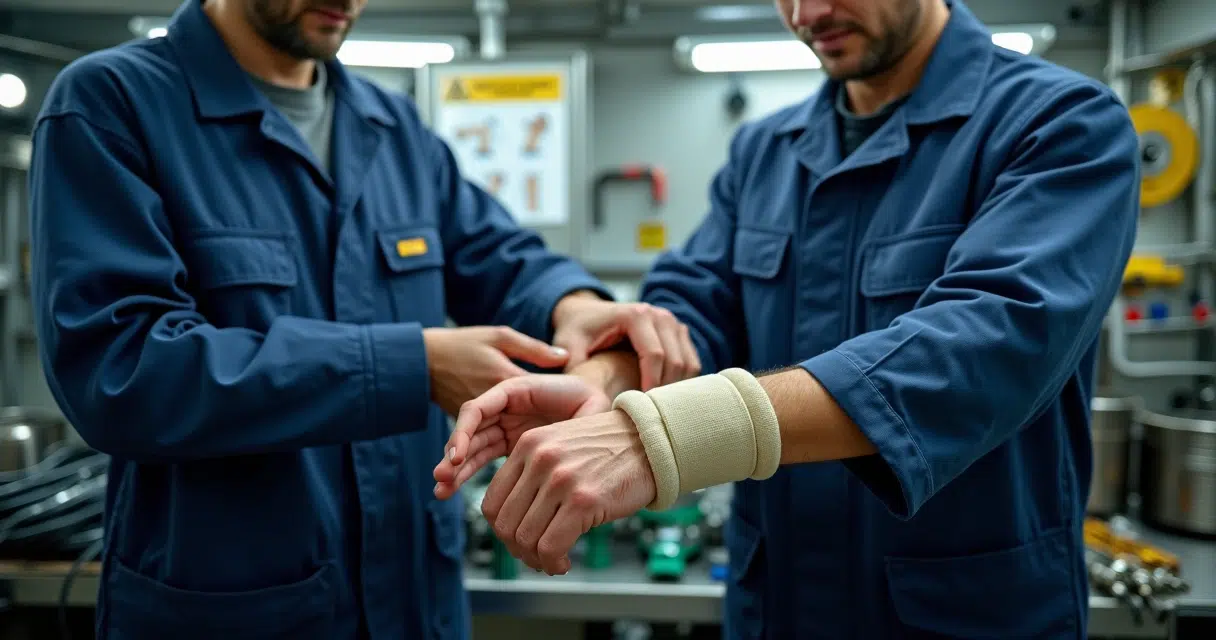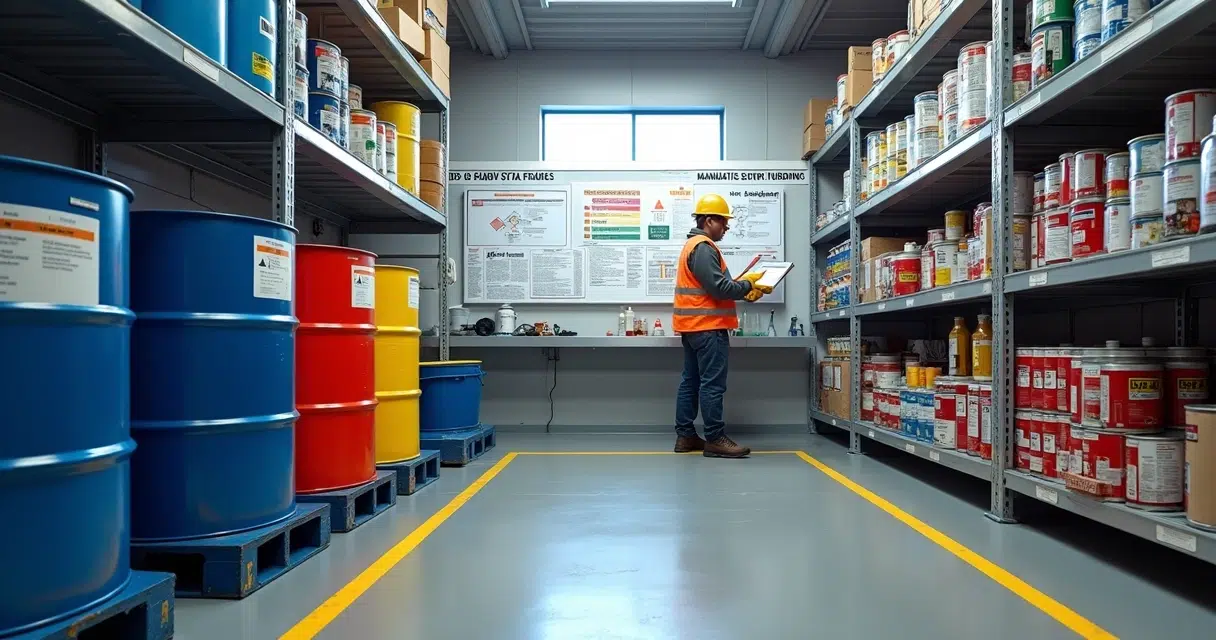
Handling chemicals, paints, and lubricants safely is at the core of what we do at TROPICAL SHIP SUPPLY LTD. Every vessel we serve, whether at the port of Santos or across the Brazilian coastline, relies on an organized, clear approach to safe chemical shipping.
Why chemical safety matters for maritime supply
Managing substances like chemicals, paints, and lubricants on board requires more than just good intentions. It means detailed documentation, clear segregation practices, and constant adaptation to regulatory changes. We have seen again and again: even a minor chemical mishap can compromise not only the cargo but the safety of crew and environment. That is why our approach goes beyond delivery—we remain vigilant about every step, all the way from our supply base to your vessel deck.
Strong organization brings real safety, not just paperwork.
Understanding MSDS: the foundation of chemical shipping
The Material Safety Data Sheet (MSDS), now more commonly called Safety Data Sheet (SDS), is the foundation for safe chemical management in the maritime world. It provides comprehensive details about each chemical’s risks, storage, handling instructions, and emergency actions, which makes it not just a bureaucratic requirement, but an everyday operational tool.
At TROPICAL SHIP SUPPLY LTD., we make it our mission to ensure that every delivery of chemicals or lubricants is accompanied by updated and accurate MSDS documentation. This is part of our culture of quality and compliance, providing not just the products but the peace of mind that comes with safe, well-documented supply practices.
The ripple effect of proper documentation
When we talk about documentation, we do not just mean a stack of paperwork. Proper MSDS management ensures every crew member, inspector, and onboard officer knows precisely how to handle, store, and respond to incidents with chemicals or lubricants.
Organizing MSDS efficiently minimizes downtime during port inspections and guarantees compliance with Brazilian and international maritime law. But it also sets the groundwork for efficient emergency response. According to the EPA, relying solely on MSDS/SDS is not enough—emergency responders and planners should consult multiple data sources when planning for chemical emergencies, since a single source might not contain all the necessary details about a particular hazard. We always advocate a proactive approach, using the MSDS as the starting point and supplementing with guidance from relevant authorities and research when necessary (EPA advice).
 Our approach to MSDS organization
 Our approach to MSDS organization
In our experience, the best results come from building a strong routine for MSDS control:
- Every chemical, paint, and lubricant is assigned a digital and paper MSDS file upon entry into our inventory.
- We update files immediately if manufacturers revise any data or if local authority rules evolve.
- All MSDS documents are stored in a clearly labeled, easily accessible location on every vessel and at our supply bases.
- We perform regular audits to keep documentation complete and up-to-date before every shipment.
These procedures mean that when a vessel receives supplies from us, all the necessary documentation comes included. This is just one way we deliver confidence, not just cargo, as one of Brazil’s most respected marine supply companies.
Practical steps for segregating chemicals, paints, and lubricants
It is not enough to have information—we act on it. Segregating chemicals correctly is fundamental for both compliance and real-world safety. The NIH guides the market by recommending that incompatible chemicals be stored separately, consulting Safety Data Sheets for specific incompatibilities and handling instructions (NIH chemical compatibility and segregation).
We have created practical steps that all our team members follow, and that we recommend for our shipping clients:
- Group chemicals by hazard classification (flammable, corrosive, toxic, etc.).
- Never store acids with bases, or oxidizers with organics/hydrocarbons.
- Paints and solvents are kept separate from oxidizing agents and active chemicals.
- Lubricants, although usually stable, are segregated from reactive substances and strong acids/alkalis.
- Use color-coded bins and barrels with clear hazard symbols for easy identification.
- Always follow the quantities and methods detailed in the MSDS and local port regulations.
Our team is trained to check for chemical compatibility, maintain airflow in storage areas, and use secondary containment to prevent spill risks. This hands-on segregation prevents unwanted chemical reactions and ensures safety for people and cargo alike.
 Case reflection: learning from chemical safety data
 Case reflection: learning from chemical safety data
We have learned from the EPA’s Toxics Release Inventory program that tracking chemical management and environmental risk is not just a rule—it’s an opportunity to improve operations, reduce releases, and keep our ports and water cleaner for future generations.
Our dedication to sustainable practices and transparent information policies goes hand in hand with our strict control over chemical handling, in line with our responsibility not only to clients, but also to our environment and local communities.
Shipping paints and lubricants: tips for safer delivery and use
Paints and lubricants are treated as special cargo in our routines. Here are a few practical lessons we follow and share:
- Transport paints and solvents in temperature-stable, flame-resistant containers.
- Lubricants are sealed, and labels are checked for legibility before being sent to the vessel.
- Storage spaces are kept clean, dry, and free of sources of ignition.
- Spill containment kits and emergency eyewash stations are placed nearby when appropriate.
Every step, from selection to organization, is checked by experienced team members—something our clients have come to trust above all else.
We serve shipping wherever it is needed
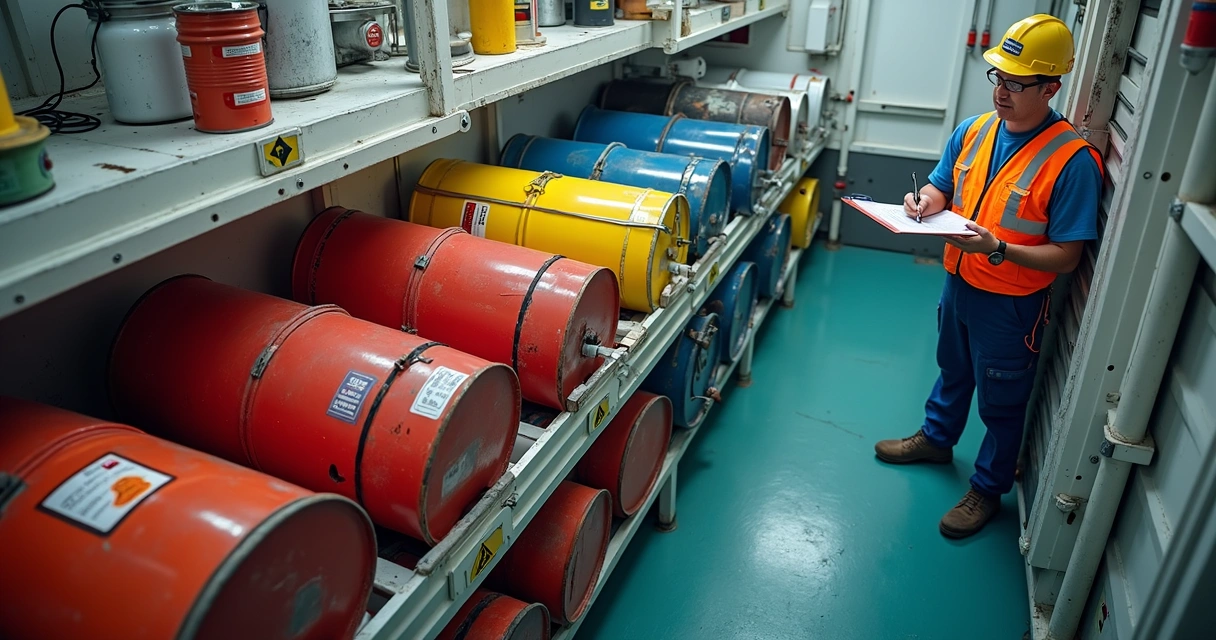 We serve shipping wherever it is needed
Our presence at ports across Brazil—from Pecém to Itaguaí, from São Luís to the heart of Rio—means we recognize the variety of challenges different ports and ships encounter. Our local knowledge is informed not only by fieldwork, but also by ongoing updates from industry sources, regulatory bodies, and practical experience. For the latest on shipping and operational news, our Maritime News and industry blog are open resources to all partners.
We do more than comply; we strive for excellence. From our commitment to renewable energy and environmentally conscious packaging to a reliable chain of documentation and quality assurance, our methods reflect our ambition to become a reference for anyone looking for trusted marine supply service in Brazil.
Conclusion
Handling chemicals, paints, and lubricants securely aboard ships is as much about systematic documentation and segregation as it is about teamwork and foresight. Updated MSDS files, careful chemical grouping, and hands-on staff training bring real world safety to every maritime operation. This is how we at TROPICAL SHIP SUPPLY LTD. uphold our standard for safe shipping and pledge to keep our clients’ operations compliant, safe, and efficient.
If you want to discover how our shipping solutions can strengthen your onboard safety and chemical management, reach out today. See for yourself how our process brings reliability, quick service, and robust safety protocols to vessels in Brazil and beyond.
Frequently asked questions
What is an MSDS document?
An MSDS (Material Safety Data Sheet), now more often called Safety Data Sheet (SDS), is a detailed informational document provided with chemicals, paints, or lubricants. An MSDS describes hazards, handling guidelines, storage needs, emergency actions, and compatibility instructions for each specific chemical. Its main goal is to inform users about how to work safely with potentially hazardous materials.
How to organize MSDS for shipping?
To organize MSDS documentation for shipping, we recommend: keeping both digital and paper copies in easily accessible locations, updating them regularly, storing them with each type of chemical, and making them available to every crew member and inspector before and during every shipment. Consistent labeling, regular audits, and mandatory training help enforce these routines and ensure smooth compliance with both local and international maritime law.
What chemicals need special segregation?
Some chemicals that require strict segregation include acids and bases, flammable liquids, oxidizers, and reactive compounds. Certain paints, solvents, and lubricants must be stored apart from oxidizing agents and strong acids or alkalis to prevent dangerous reactions. We always consult each MSDS to determine specific segregation needs and follow guidance from government and port authorities (NIH recommendations on chemical segregation).
How can I store lubricants safely?
Lubricants should be stored in their original, sealed containers, away from heat sources, with clear labeling and in areas separate from chemicals like strong acids, alkalis, or oxidizers. Containers must be checked for leaks, stored upright, and access should be restricted to trained personnel. We also recommend installing spill kits and ensuring good ventilation in storage areas.
Why is MSDS important for shipping?
MSDS documents are important for shipping because they ensure that everyone handling chemicals has up-to-date information on hazards, storage, and emergency procedures. This documentation supports regulatory compliance, protects crew and cargo, and streamlines port inspections and emergency responses, promoting a safer shipping industry overall.
For further insights on maritime supply and chemical logistics, you can read more at our dedicated Brazilian ship supply page or catch up on industry trends at key news about port operations.