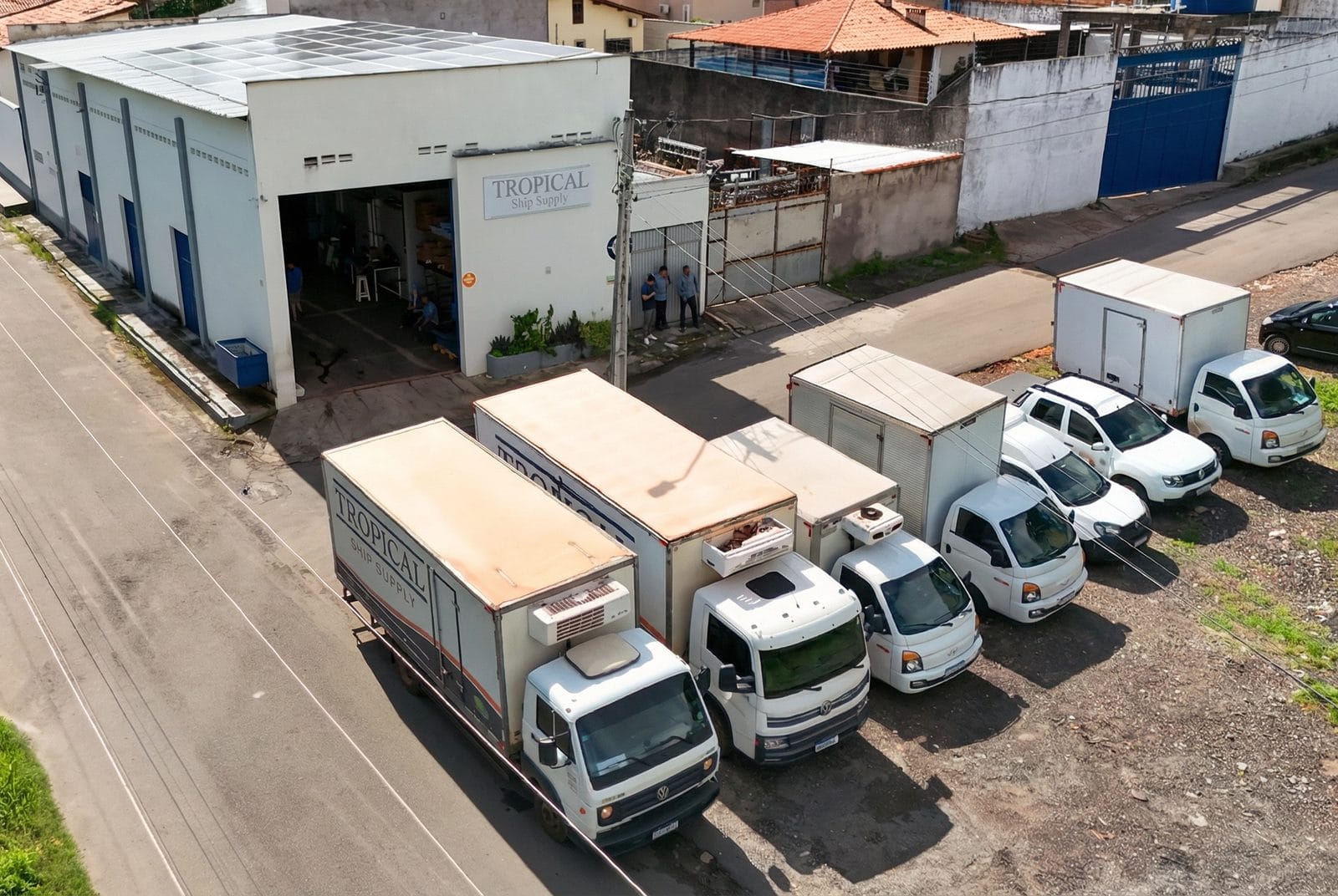
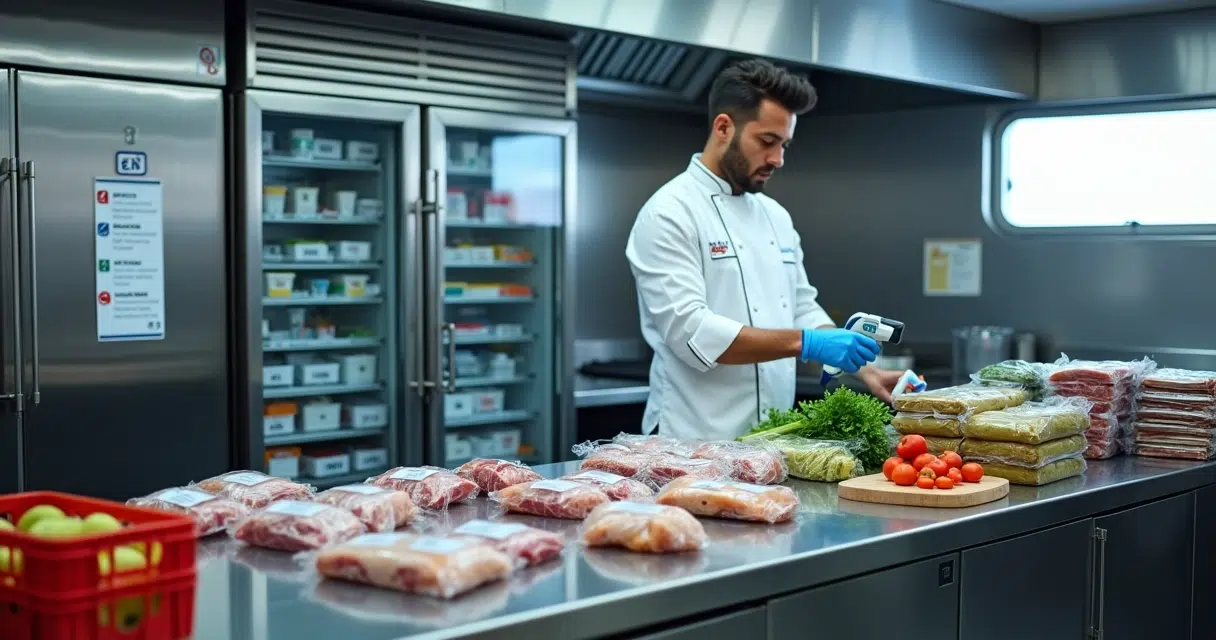
At Tropical Ship Supply Ltd., we see every delivery as more than just transferring goods from our docks to your vessel. To us, it is a commitment—a promise—that the provisions reaching your galley meet the highest standards of safety and reliability. Food safety on ships is not a luxury; it is a basic need for crew health, seamless operations, and regulatory compliance. Today, we share how we approach hygiene, temperature, shelf life, and traceability in our provisions, always keeping our services “audit-ready” for both Brazilian and international calls.
Why food safety is non-negotiable at sea
Operating in the demanding maritime sector, we come face-to-face with challenges: fluctuating temperatures, strict port regulations, crew turnover, and the ever-present risk of cross-contamination. At sea or in port, foodborne illnesses are not just inconvenient—they can disrupt the entire journey, threaten crew health, or, in the worst cases, become life-threatening. As found in leading studies, produce is responsible for nearly half of all foodborne illnesses, with meat and poultry leading the fatal cases, underlining the importance of proper sourcing, handling, and monitoring of all provisions according to the CDC.
Crew safety starts long before the first meal is served.
That is why at Tropical Ship Supply Ltd., we champion strict protocols, meticulous checks, and continuous training for our staff when handling maritime provisions.
Our hygiene protocols: Clean, controlled, and consistent
Our experience shows that the foundation of food safety is rooted in hygiene. Every product, whether it’s fresh produce, dry goods, or specialized dietary provisions, is sourced from vetted suppliers. Each step—from receipt at our warehouse to storage, packing, and transport—is monitored.
- Routine cleaning and disinfection of storage areas and delivery vehicles.
- Compulsory use of personal protective equipment by all staff.
- Strict cross-contamination controls separating raw, cooked, and allergenic items.
- Frequent hand-washing and inspection intervals throughout processing and loading.
We do not see hygiene as a box to check—it is an operational habit, maintained in every port we serve, from Vitória and Itaguaí to São Luís and Belém.
Temperature control: Guarding the integrity of every provision
We understand from our work that temperature control is the silent guardian of every shipment. According to North Dakota State University, bacteria multiply rapidly between 41°F and 135°F—the so-called “danger zone.” Within this window, food can become unsafe in just a few hours. To prevent this and keep products audit-ready, we apply the following best practices:
 Refrigerated trucks always set to 41°F (5°C) or lower during transport.
- Frozen goods kept at 0°F (-18°C) or lower, from our warehouse through to vessel delivery.
- Continuous temperature monitoring and real-time alarms for any deviations.
- Clear product placement in storage based on temperature requirements (chilled, frozen, ambient).
 Refrigerated trucks always set to 41°F (5°C) or lower during transport.
Keeping food at the right temperature is our strongest defense against bacterial growth.From our first loading action to our final transfer on deck, our team is vigilant on this front.
 Managing shelf life and expiry: Structured, consistent practices
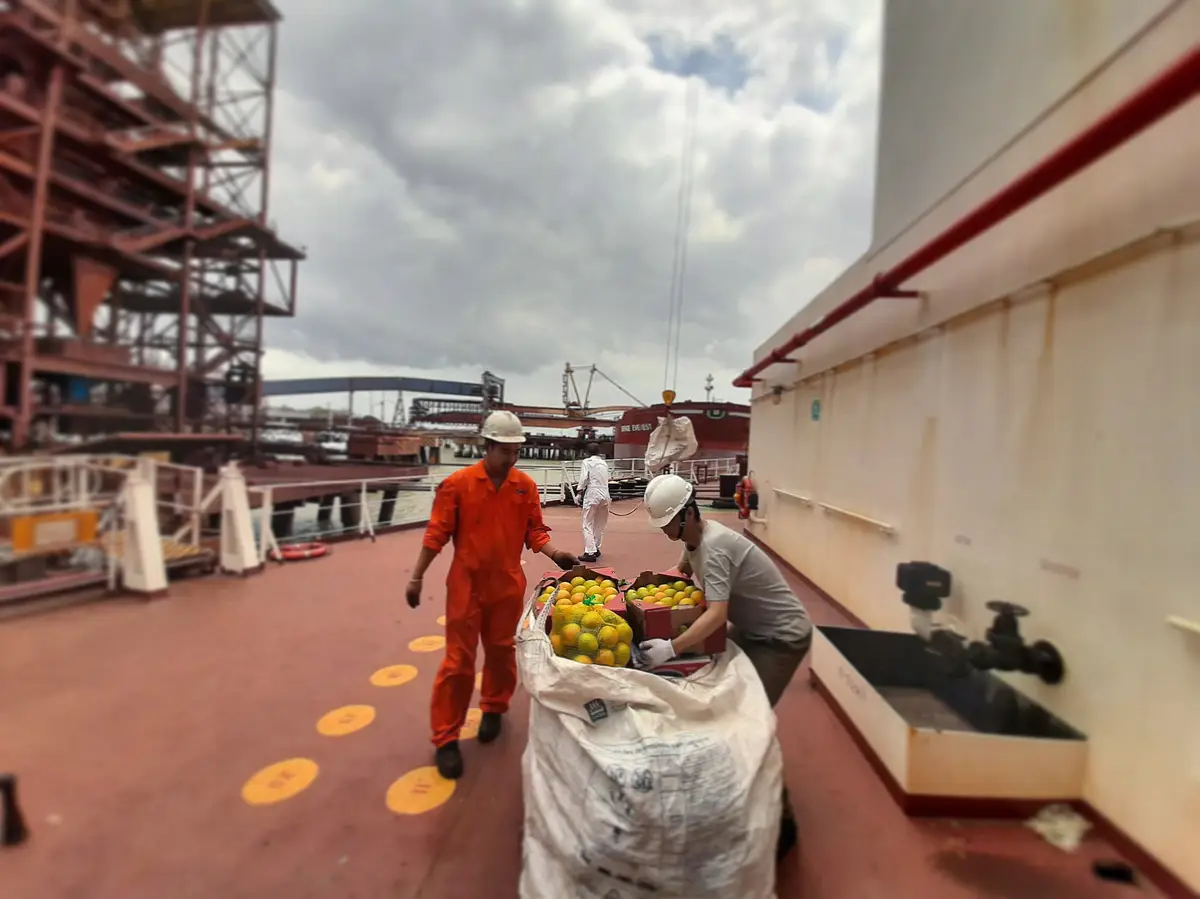 Managing shelf life and expiry: Structured, consistent practices
Expiration control is not just a compliance requirement. It is a responsibility. The CDC found that nearly 25% of establishments failed to properly date-mark foods that required it, resulting in products staying on shelves long after they should be consumed. We implement several layers of checks to eliminate this risk:
- Every product is recorded and labeled on arrival in our warehouse—no exceptions.
- First-in, first-out (FIFO) management for all stock, especially perishables.
- Mandatory digital date marking—no hand-written exceptions—across all packages.
- Double check before loading, with any close-to-expiry items clearly marked and reported to the vessel for consignment approval.
We want every maritime client to have confidence—when an inspection comes, every provision is clearly within its safe shelf life. Shelf life data is as transparent for ship agents as it is for our team.
Traceability: A visible supply chain, end to end
One of the most asked questions we get: How traceable are the products you deliver? For us, traceability means having documented proof of every step:
- Supplier records for all products, available for ship agents and authorities anytime.
- Batch and lot information married to our delivery documentation on each vessel call.
- Real-time updates on all provision movements: from warehouse arrival to “onboard delivered.”
- Immediacy in recall procedures, should any traceability alert occur.
 Transparency is not a benefit—it is a guarantee. We aim for “audit-ready” with every delivery, not just on audit days.
What does “audit-ready” look like in practice?
We prepare for food inspections the same way we prepare for an onboard delivery: clear records, clean and organized storage, clear separation of allergenic/material risk foods, and trained staff ready to respond to any query. Auditors, whether company or authority representatives, do not need to wait for information—it’s there in real time, tied to each provision batch.
We know ships can get unexpected visits from authorities or third-party inspectors at ports like Santos, Pecém, or Macapá. That is why our approach always anticipates questions on hygiene, expiry, and traceability so no client is left unprepared. Our reputation is built on this reliability.
Delivering excellence, every port, every time
From the ports we serve across Brazil to on-demand delivery in key corridors, our team is committed to robust, transparent supply protocols. We combine rigorous hygiene, secure logistics, and the latest digital tools to ensure every basket of fruit, every palette of dry stores, and every carton of dairy is ready to meet the highest standards from port to galley. We do this not only for regulatory reasons but because our clients deserve trust.
Would you like to see what our certified Ship Chandler services could mean for your crew and compliance?
- Learn more about our approach to ship provisions and marine supply services in Brazil.
- Stay updated through our maritime news hub and our insights on food safety and compliance.
Visit us and discover why Tropical Ship Supply Ltd. is trusted for safe, reliable maritime provisions across the country. When you’re ready to raise your standards, our team is only a message away.
Frequently asked questions
What is food safety compliance?
Food safety compliance is adhering to established legal and industry standards for the sourcing, handling, storage, and distribution of food products to ensure they are safe for consumption.For maritime operations, this means following protocols for cleanliness, temperature control, expiry tracking, and traceability that meet both local and international regulations.
How to store food at safe temperatures?
To store food safely, keep refrigeration units at or below 41°F (5°C) and freezers at or below 0°F (-18°C). You should separate perishable, chilled, and frozen products, and regularly monitor storage temperatures with alarms for any deviations. This reduces the risk of foodborne illnesses caused by bacterial growth in the “danger zone” between 41°F and 135°F, as emphasized by studies at North Dakota State University.
What is food traceability?
Food traceability is the ability to track each provision through every stage of the supply chain, from supplier to vessel delivery. This includes retaining supplier records, batch numbers, and movement documentation so any product can be identified—and recalled—at any time.
How long can food be stored safely?
Safe storage depends on the type of product and storage conditions. Perishable items (e.g., dairy, meats, fresh produce) should be used within days to weeks, depending on expiry dates and storage temperatures. Shelf-stable items last longer, but all should be checked regularly for expiry and quality, with proper date marking to avoid accidental lapse, aligning with CDC best practice.
How to prepare for a food audit?
Audit-readiness starts with:
- Organized and clean storage areas
- Clear labeling and digital date marking of all products
- Well-documented supplier and batch records
- Trained staff who are prepared to answer questions confidently
Maintain all records up to date and accessible, so when inspectors arrive, information is delivered in real time with no delays.To know more about how we ensure food safety and compliance in maritime supply, connect with Tropical Ship Supply Ltd.—your next provision delivery could be your safest yet.