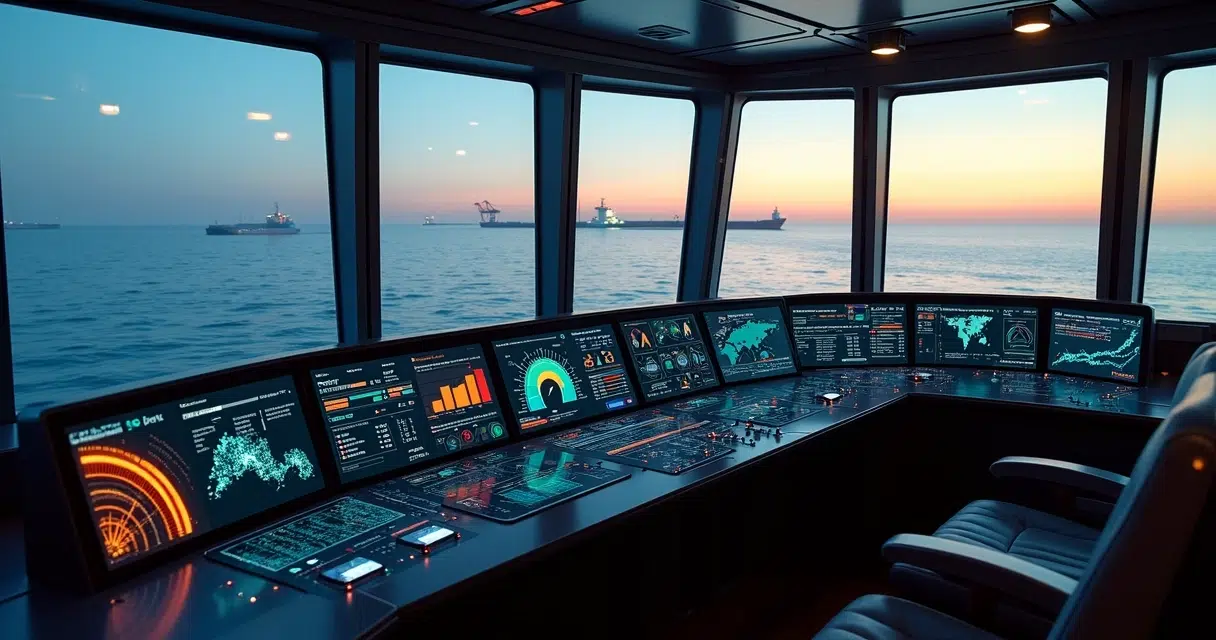
Shipping is on a journey. We all are. New standards keep shaping how we operate vessels and deliver services in Brazil and beyond. One term has caught everyone’s attention: The Carbon Intensity Indicator (CII). Since the International Maritime Organization (IMO) pushed this measure forward, it became a reality no ship owner or ship Chandler can ignore. But what exactly is the CII, and why does it affect how we, at Tropical Ship Supply Ltd., and our clients, plan every nautical mile?
Understanding the Carbon Intensity Indicator: a new era for shipping
The Carbon Intensity Indicator (CII) is a mandatory metric adopted by the IMO to rate how efficiently a ship transports goods or passengers, based on greenhouse gas emissions per cargo ton-mile. It directly links a ship’s environmental impact to its commercial operations, affecting vessel performance, industry reputation, and compliance costs. The CII isn’t just another regulation—it’s an operational turning point.
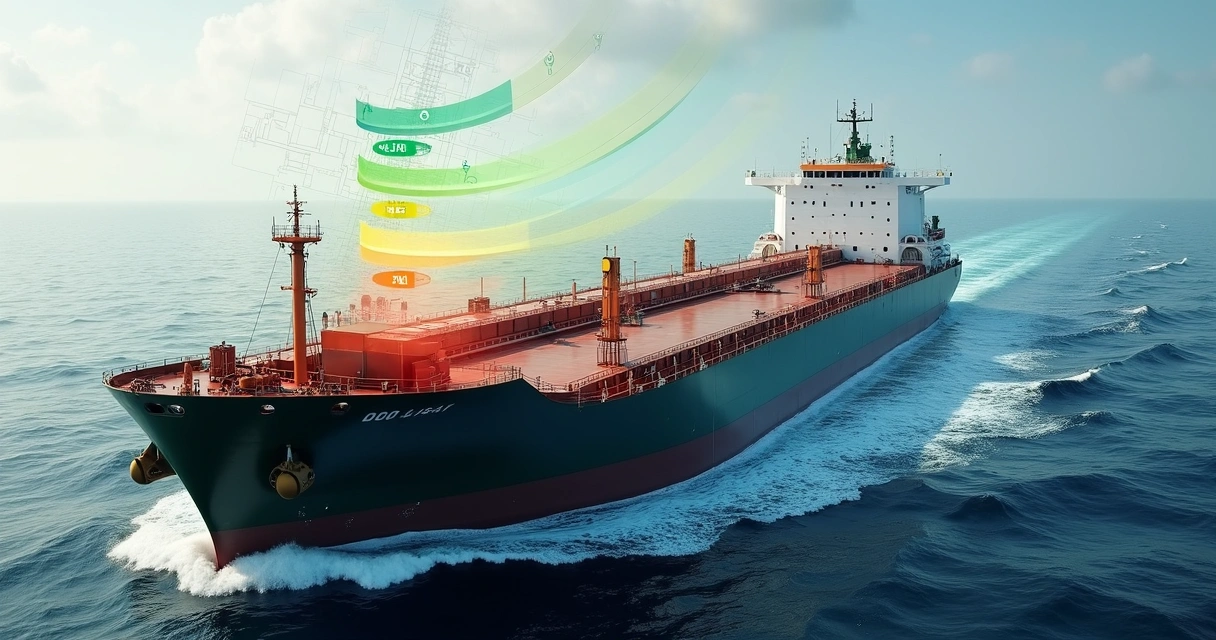 For us at Tropical Ship Supply, it means that the supplies and services we offer are part of the bigger picture: how ships, crew, and cargo interact with global environmental goals. We have witnessed how the CII shapes decision-making for owners, operators, ship Chandler teams, and everyone committed to decarbonizing shipping in Brazil.
How the CII is calculated: moving sustainability from paper to navigation
The basic formula for a ship’s CII is simple:
CII = Annual CO₂ emissions / (Annual distance sailed × Total cargo carried)
But in practice, it changes how every voyage is planned. Vessels are graded from A (best) to E (worst), with penalties and mandatory corrective actions for those who do not keep their rating within acceptable thresholds. Each year, the calculation covers all cargo transported and miles sailed, making it a dynamic, living metric—not just a number checked at inspection.This calculation uses fuel consumption and CO₂ emission factors, established routes, distances, cargo weights, and operational data. It gives a transparent, standardized view across fleets and individual ships, regardless of flag or owner. The approach aligns with global energy transition logic, as reported in International Energy Agency indicators on energy transition progress, and is similar to the efficiency measures used in global industrial carbon intensity indexes.
Why are ship operators adapting to the CII?
We are seeing a wave of internal reviews by our clients—ship owners, agents, and crew—who use CII data to redesign everything from cargo planning to port calls. Why? Because the CII:
- Directly impacts a vessel’s marketability and charter hire—higher-rated ships have an advantage.
- Is used by authorities and customers as proof of sustainable practice, affecting contracts.
- May lead to regulatory penalties or reputational damage if ratings fall below “C.”
- Drives operational changes: slow steaming, energy-saving retrofits, and supply chain optimizations.
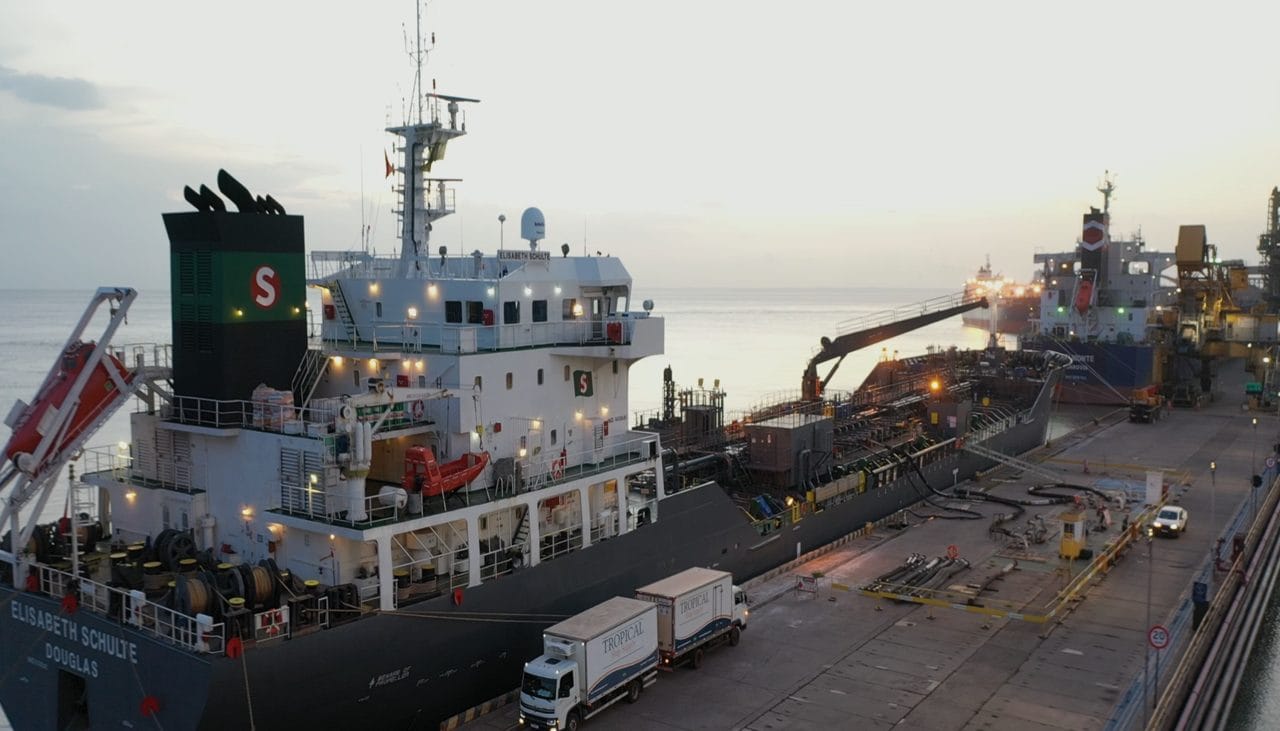
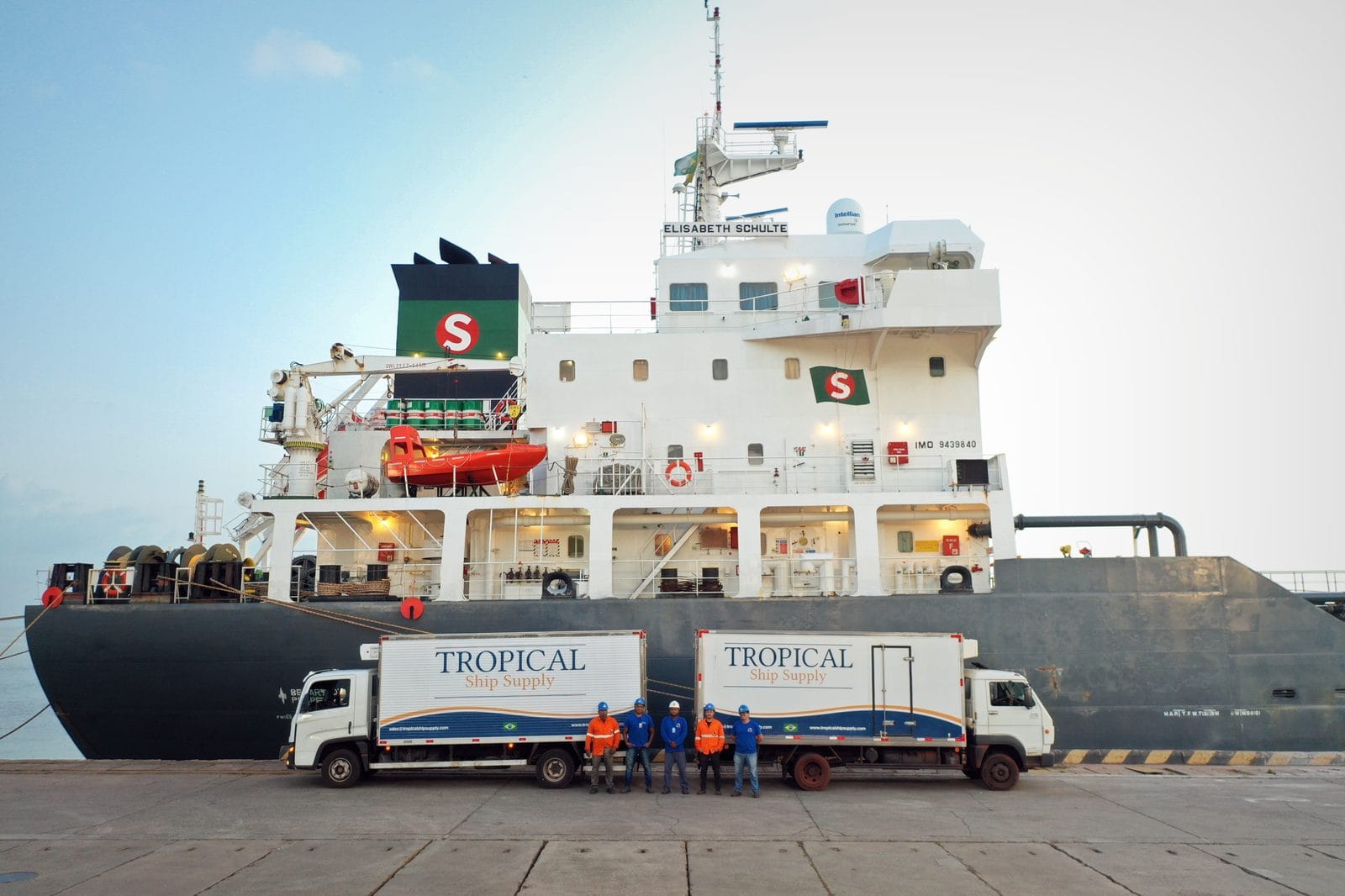
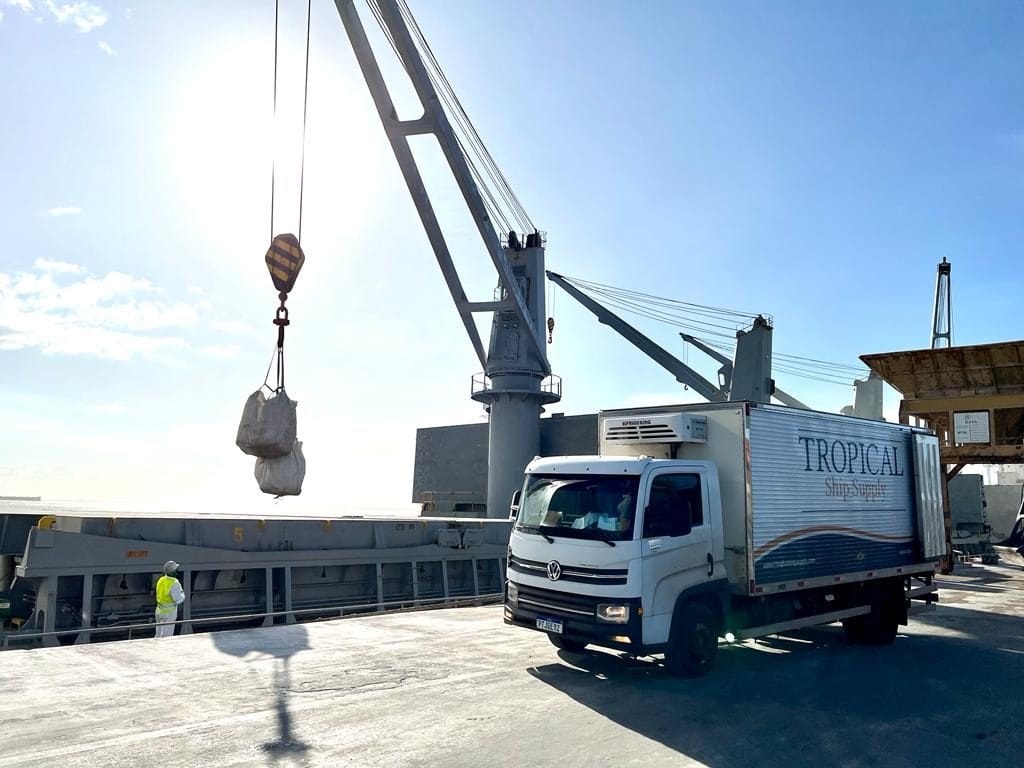
For us, growing compliance demands mean collaborating even more closely with clients, planning provisions to fit tighter voyage windows and changing fuel strategies.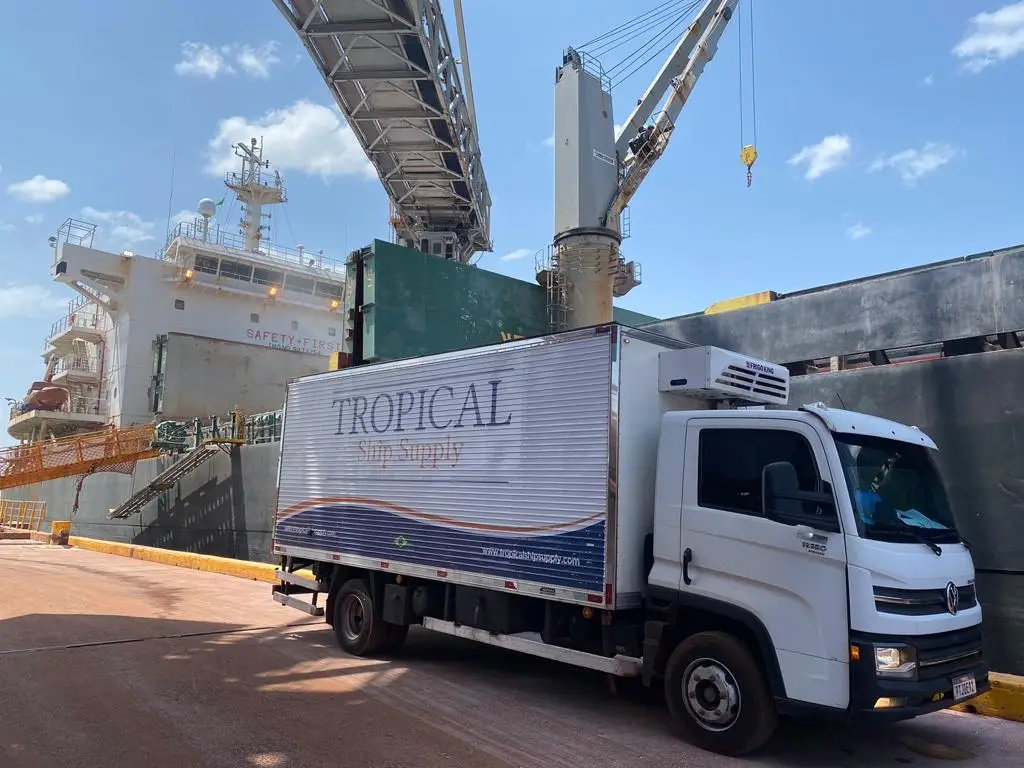 A real example is our work in ports such as Santos, Vitória, or São Luís. We have supplied ships undertaking routes specifically selected to optimize their CII, helping them remain within regulatory thresholds while still ensuring on-time, quality resupply and support across Brazil’s maritime infrastructure.
The global context matters: Studies such as Eurostat news reporting EU greenhouse gas totals show that the energy sector, shipping included, is required to deliver substantial carbon intensity reductions year after year. While the CII is just one piece, it is a deeply practical one.
The strategic challenge: balancing compliance, cost, and operational needs
Looking ahead, we all face choices. Should a vessel limit speed, cut cargo weight, or invest in technical upgrades? Each will affect CII status and future profitability. But balancing these actions is a challenge.
In our experience, the CII:
- Pushes for better voyage management and closer supply chain planning.
- Demands finding suppliers—like Tropical Ship Supply—who can deliver reliably, even with more frequent, sometimes shorter port stays.
- Rewards innovation in logistics, from eco-friendly provisions packaging to supporting vessels with flexible delivery models.
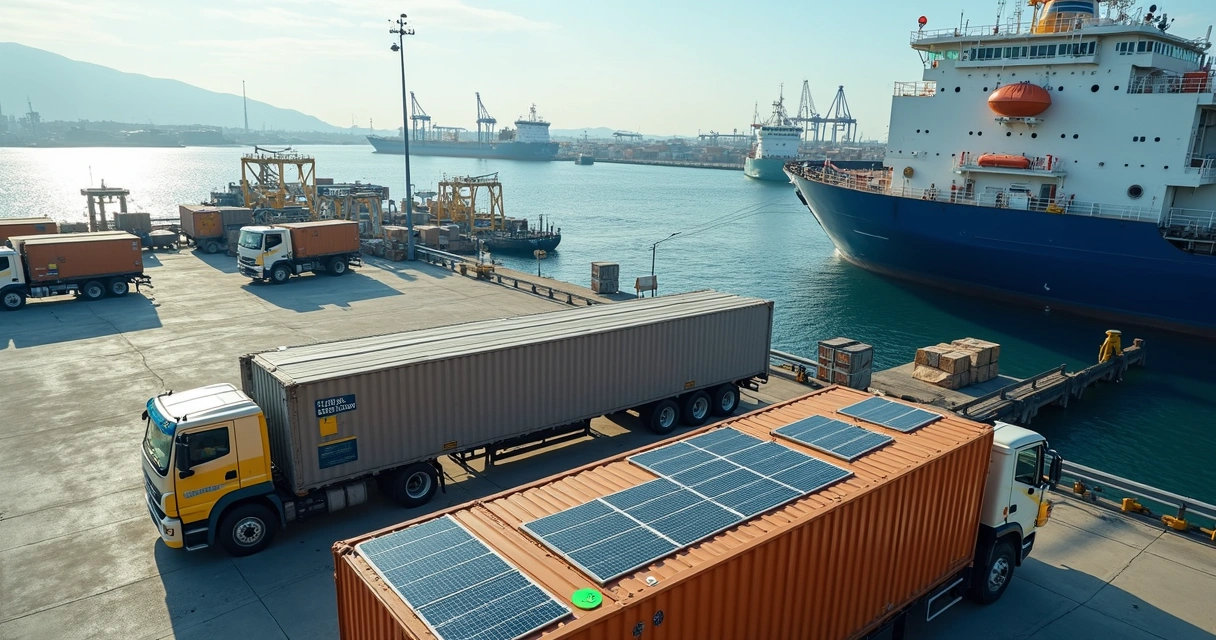 We believe that, just as World Bank indicator for carbon intensity of GDP suggests about economic output, shipping’s ability to decouple growth from emission is now written into the daily routines of fleet managers, officers, and suppliers. This shift will shape maritime business for years to come.
Environmental compliance and supply: our experience at Tropical Ship Supply
At Tropical Ship Supply, we see our commitment to sustainability reflected in everything we do—whether it’s using renewable energy, reducing packaging waste, or supporting vessels with eco-conscious product choices. As CII compliance grows in importance, we help clients meet regulatory demands and prove their environmental leadership.
Our clients depend on us to keep their operations running smoothly and their CII scores competitive in a very visible, international market. Thanks to our structured network and focus on quality, we are ready for tomorrow’s shipping demands.
Conclusion: setting a new standard for efficiency and responsibility
CII is more than a rating. It’s a call to action for the maritime sector.
As a ship Chandler in Brazil’s leading ports, we know the new standards bring both responsibility and new opportunities for collaboration. With the right partners and a proactive approach, all stakeholders—from ship owners to Chandler teams—can keep shipping safe, profitable, and sustainable.We are ready to help you stay ahead. If you want to learn more about how your shipping operations can meet today’s environmental and commercial requirements, contact Tropical Ship Supply Ltd. for advice, tailored supply solutions, and support for your next voyage.
You can always stay informed through our maritime news updates or get deeper insights from our maritime blog resources.
Frequently asked questions
What is the Carbon Intensity Indicator?
The Carbon Intensity Indicator (CII) is a measure established by the IMO to assess how much carbon dioxide a ship emits compared to the amount of cargo it transports over a certain distance. CII gives every vessel a score from A to E, reflecting its greenhouse gas efficiency on an annual basis.
How does CII impact ship operations?
CII influences everything from voyage planning and cargo allotment to speed and fuel strategy. Ships with poor CII ratings may face commercial disadvantages, higher scrutiny from authorities, and pressure to adopt new operational practices or technologies.
How is the CII calculated for ships?
CII is calculated by dividing a ship’s annual CO₂ emissions by the product of its distance sailed and the weight of cargo transported during that time. Regular reporting and assessment ensure the indicator remains an up-to-date reflection of operational efficiency.
Why is CII important for shipping companies?
CII is now considered by charterers, regulators, and customers as proof of a vessel’s sustainable operation. Maintaining a good CII rating helps shipping companies avoid penalties, safeguard market position, and support global emission reduction goals.
How can ships improve their CII rating?
Ships can improve CII ratings by optimizing speed, planning efficient routes, upgrading to cleaner technologies, and ensuring cargo is managed efficiently. Working with partners like Tropical Ship Supply supports operational flexibility and compliance as environmental standards get stricter.
Looking to reduce costs without sacrificing reliability during calls in Brazil? Tropical Ship Supply supports vessels with on-time delivery, consistent quality, and local assistance across key ports in the North and Northeast.
Contact our team and request a quote:Quotation@tropicalshipsupply.com+55 98 98347-0908 (24/7) WhatsApp