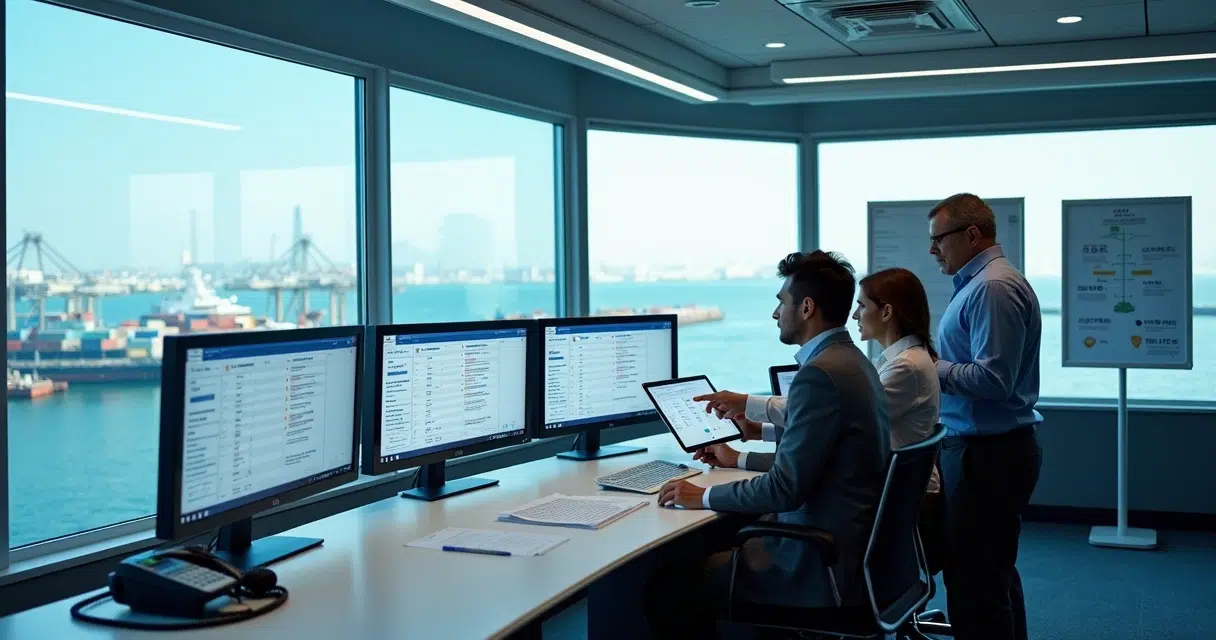
In maritime operations, every message, decision, and instruction matters. We have seen, firsthand, how even a single miscommunication can result in delays, unexpected costs, or, in the worst cases, threaten crew safety and cargo integrity. At TROPICAL SHIP SUPPLY LTD., we know that clear, effective communication is not just recommended—it is an absolute necessity.
According to industry research, communication failures account for up to 18% of critical vessel casualties and 28% of critical personnel injuries in global maritime incidents (U.S. Coast Guard/TRB). The risk can be even higher in operations involving multinational crews where language diversity and varying proficiency multiply the chances of a mistake (RePEc research). The challenge is clear: We must standardize how we exchange information, and templates are the answer we trust.
Templates bring repeatability. Repeatability brings safety.
Why miscommunication happens in maritime operations
Our team’s experience at key Brazilian ports has revealed the typical roots of missteps:
- Ambiguity in requests—one word can mean different things to a captain, to an agent, or to a buyer
- Information overload—critical points become buried in lengthy emails or calls
- Interruptions and distractions—crew and agents are too often multitasking, which multiplies error risk (U.S. National Transportation Safety Board)
- Multiple languages on the same operation chain—causing standard terms to be misinterpreted
Real stories from our clients confirm that standardized communications prevent costly misunderstandings and delays. This is why we invested heavily in our own operation protocols, and encourage every actor—captain, agency, and buyer—to join us in using communication templates designed to fit the flow of maritime supply chain logistics.
The power of templates in operational flow
A template is more than just a pre-written document or message. In our business, it is a tested framework—built to guide the sender through every critical detail that must be addressed and recorded for safe and fast delivery, order processing, or clearance.
Consider just one example—a ship supply delivery notice:
- Recipient details (date/time, ship name, berth, IMO number)
- Full supply list with item codes and units
- Health and safety access instructions
- Authorizations and documentation requirements
- Contact for onsite issues or emergencies
By using a template, we ensure that no step is missed. If every party in the operation uses the same guided structure—errors and “I thought you meant…” scenarios fall dramatically. Our operational flow, from RFQ to Proof of Delivery, is mapped, tracked, and confirmed using templates—a best practice that stops miscommunication right where it starts (our documented operating flow).
 Building the ideal template: our keys for success
 Building the ideal template: our keys for success
In our journey, templates have evolved through hundreds of port calls, client interviews, and incident reviews. Here is what we include in every standard communication template:
- Clear headers: Subject, action required, and reference numbers for traceability
- Pre-filled contact fields: So no one is “missed” during shift changes or time-sensitive operations
- Logical sequences: Information in the precise order that tasks must occur—from request to result
- Multilingual notes: Short, approved phrases in English, Portuguese, and other relevant languages
- Mandatory checkboxes: No communication can be sent if a critical field is left blank
When all parties operate with this level of discipline, alignment replaces confusion. Everyone knows what to expect, when, and from whom. This is the foundation for transparent, swift, and reliable port supply operations.
Standardized communication reduces human error
Strong evidence connects standardized communication to better outcomes. A review of 429 maritime accidents found that errors linked to communication—mistaken words, unclear meanings, or forgotten steps—are a major source of preventable incidents (TRB accident analysis).
By making templates part of our daily work, we:
- Reduce guesswork and omission
- Speed up turnaround by making information easy to find and confirm
- Support compliance for audits—since every step is pre-recorded
- Encourage feedback for ongoing template improvement
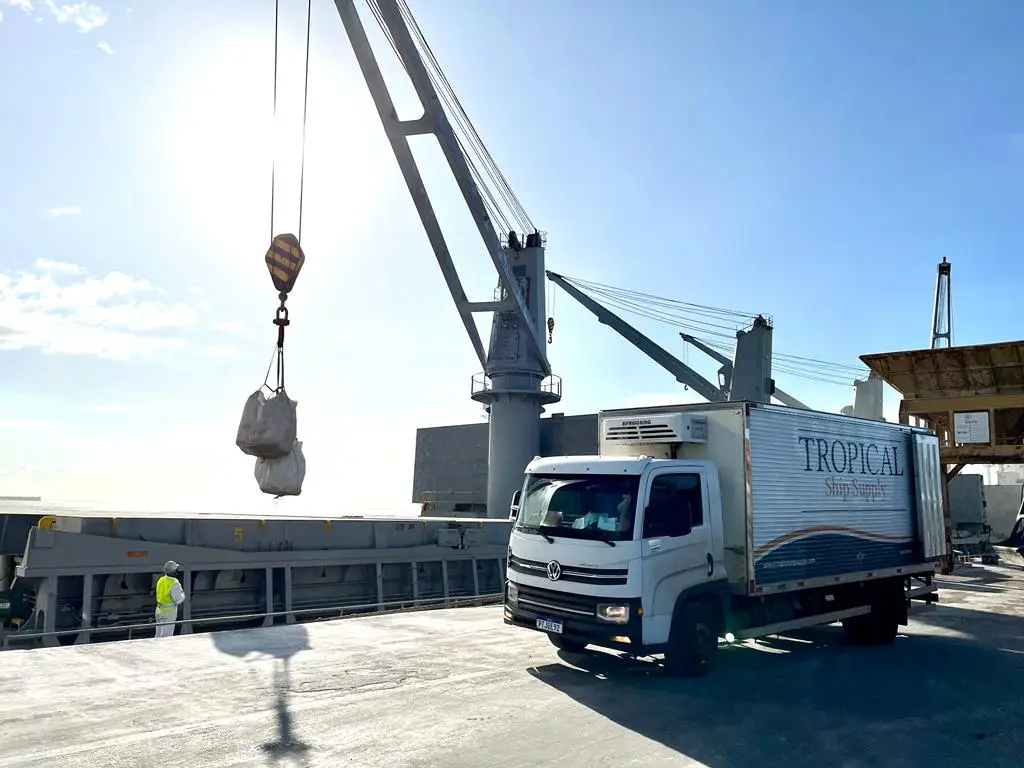 We saw these results transform our own delivery performance. Orders arrived with the right products, documentation met port authority checks, and our team operated with less stress and confusion.
Real-life workflow: from document template to delivery
Let’s take a quick walk through how a single template supports our process at Brazilian ports:
- An order arrives via template-based request—captain fills all fields (items, location, contact, ETA, special instructions)
- The agency receives and confirms using an acknowledgment template—recording any clarifications or constraints
- Buyers coordinate dispatch, filling a logistics template for timing and compliance checks
- Our delivery team references these templates for scheduling, cargo prep, and loading—no guesswork
- At handover, the Proof of Delivery form ensures every box is ticked, with digital and print traceability
Across our coverage in Brazilian ports, this structure means our clients face fewer surprises at authority checkpoints and customs—and we all work in sync (document requirements and checkpoints).
Making templates work in a digital world
Today, these templates are not just on paper. Our team integrates them into digital communications, mobile workflows, and supplier verification steps. When documents must be managed digitally, our protocols supply the pre-built formats needed for traceable, compliant operations (digital invoicing in maritime supply). This connects physical delivery to paperless records, making audit trails simple and consistent.
For sensitive operations, such as handling bonded stores and restricted supplies, template-driven record keeping enhances both control and accuracy (best practices for bonded store control). It is how we control verification, reduce losses, and keep every stakeholder accountable to clear, repeatable criteria.
Continuous improvement: templates that evolve
 Continuous improvement: templates that evolve
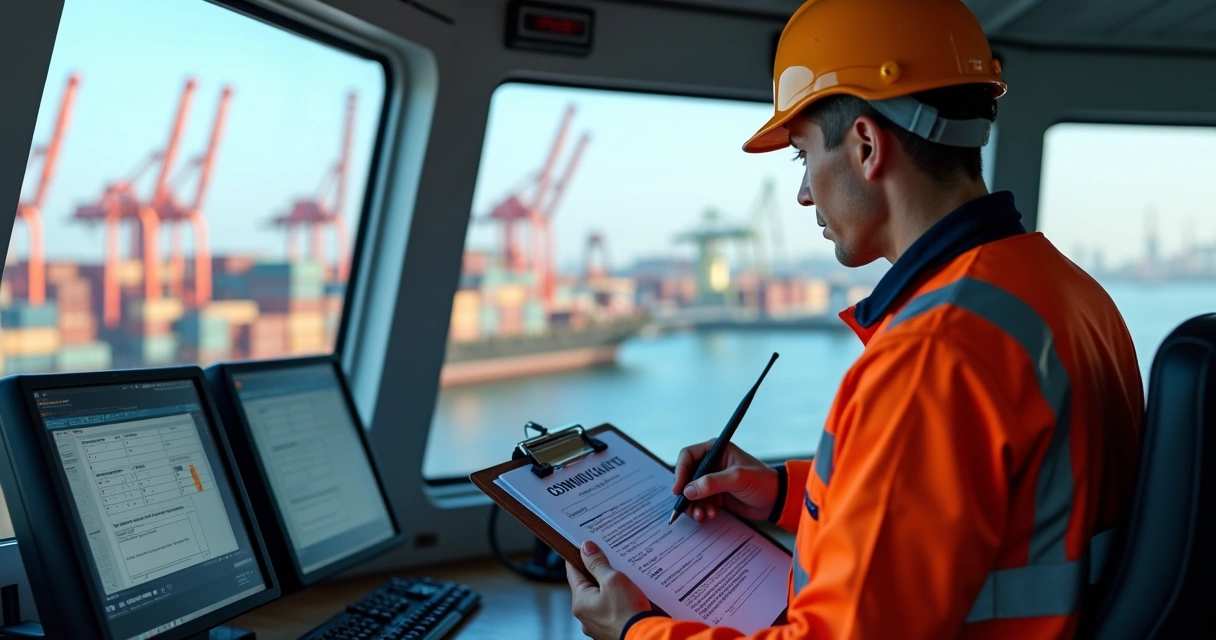
We believe templates are living documents. Every feedback, every new port regulation, and every near-miss incident shapes the next update. We invite each stakeholder to suggest modifications—so communications grow safer, more direct, and more useful for captains, agents, and buyers alike. This path ensures that templates drive not just compliance, but also continuous safety improvement.
Our commitment to quality, transparency, and reliability at TROPICAL SHIP SUPPLY LTD. is reflected in every aspect of our operations. We see communication templates not just as documents, but as the backbone of trusted maritime service, connecting global clients to our services—on time, every time.
Conclusion
Clear communication saves time, money, and lives. By adopting standardized templates—tested daily by our team at TROPICAL SHIP SUPPLY LTD.—any captain, agency, or buyer can slash the risk of human error and give their fleet the fastest, safest supply service possible. We call on all our partners to request our template formats, share feedback, and join us in building the new standard for safety and transparency in Brazilian maritime logistics.
Ready to see the difference? Experience the reliability and peace of mind that structured communication brings. Contact us for your next supply operation, request a free template sample, and discover how easy flawless coordination can be.
Frequently asked questions
What is a communication template?
A communication template is a pre-designed, structured document or message form used to ensure that all essential information is consistently shared between captains, agencies, and buyers in maritime operations. It eliminates ambiguity, reduces misunderstandings, and guarantees that critical steps and requirements are never left out.
How to use templates for operations?
To use templates effectively, simply fill in the required fields step by step according to the operational flow. Templates should be tailored to task type: order requests, confirmations, delivery notices, or compliance checklists. Share templates with all stakeholders prior to the operation. By following the sequence and not skipping sections, you minimize the risk of oversight, duplication, or missing information.
Are templates worth it in shipping?
Yes, templates are a proven tool in shipping and maritime supply. Studies and operational results confirm they reduce errors, speed up processes, and enhance traceability, especially during complex, multi-actor port operations.
Where can I find template examples?
Most reputable marine supply and ship service organizations offer ready-to-use templates. At TROPICAL SHIP SUPPLY LTD., we provide tailored templates to our clients and partners for the entire supply chain, including digital formats compatible with port authority regulations and traceability requirements. You can also find examples in our documentation about the ideal operating flow and checklists on our website.
Do templates reduce human error?
Yes, templates directly reduce human error by providing a consistent structure for information exchange. This repeatable method ensures no critical detail is forgotten or misunderstood, greatly improving safety and operational quality in maritime logistics.