A grain ship bound for Itacoatiara spends days on the river before she reaches the berth. She crosses the North Bar at the mouth of the Amazon, takes her pilots near Macapá and keeps them all the way up. For a ship chandler at Itacoatiara, that passage is the working window: we settle the order while she is still downriver, so the stores are ready when she arrives.
Itacoatiara and the Hermasa grain terminal
Itacoatiara sits on the left bank of the Amazon, in the state of Amazonas, downriver from Manaus. Ocean-going ships come here for grain. The largest terminal is Hermasa, run by the Amaggi group, which opened the river corridor between Porto Velho and Itacoatiara in 1997. Soy and corn from Brazil’s centre-west come down the Madeira river by barge and go into bulk carriers at Itacoatiara for export.
The volume keeps growing. Brazil’s Ministry of Ports and Airports reported that Hermasa handled 12.2 million tonnes in 2025, 29.9% more than in 2024, and listed it among the national highlights of the year. The harbour master’s rules for the Western Amazon name other private terminals in the city as well.
How a ship reaches Itacoatiara
Every ship enters the Amazon over the North Bar, and the bar sets her draft. In May 2026 the Brazilian Navy raised the limit at the Arco Lamoso to 11.85 metres for merchant ships from 1 February to 15 August, and to 11.70 metres for the rest of the year. By the Navy’s estimate, a Panamax can now carry up to about ten thousand tonnes more.
From Fazendinha, near Macapá and the port of Santana, pilotage is compulsory up the river to Itacoatiara. Praticagem do Brasil, the national pilots’ council, notes that ships calling at Itacoatiara keep the same pilots: the pair that takes her upriver also handles the manoeuvre at the terminal.
In the dry season the tighter limits sit higher up the river. In its 2026 low-water notice, the Western Amazon harbour master warned that ships must reduce cargo on the stretch between Itacoatiara and Manaus, where the critical points are the mouth of the Madeira and Tabocal. A ship loading at Hermasa stays below that stretch. A ship going on to Manaus has to plan for it.
What decides the delivery at Itacoatiara
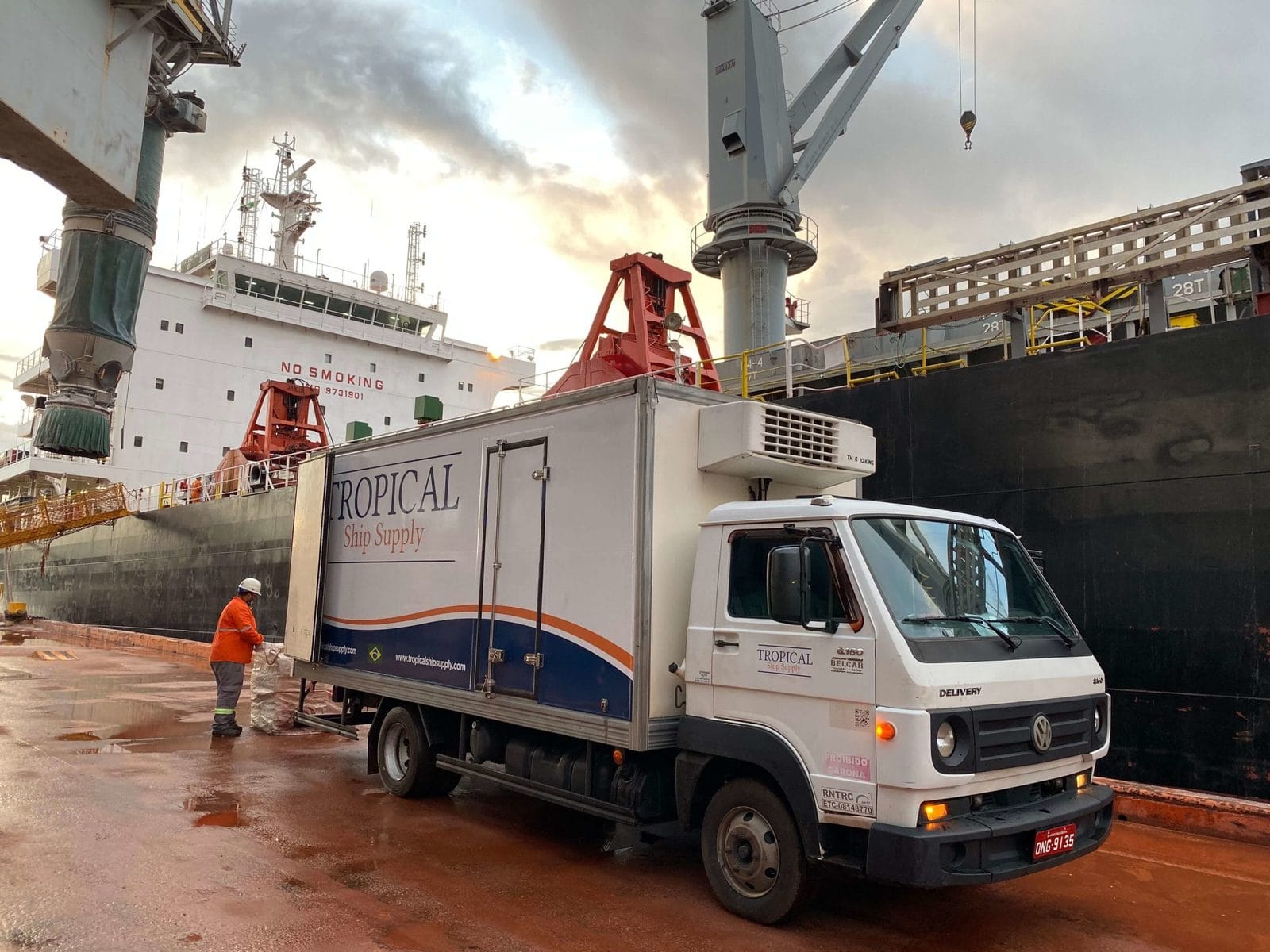
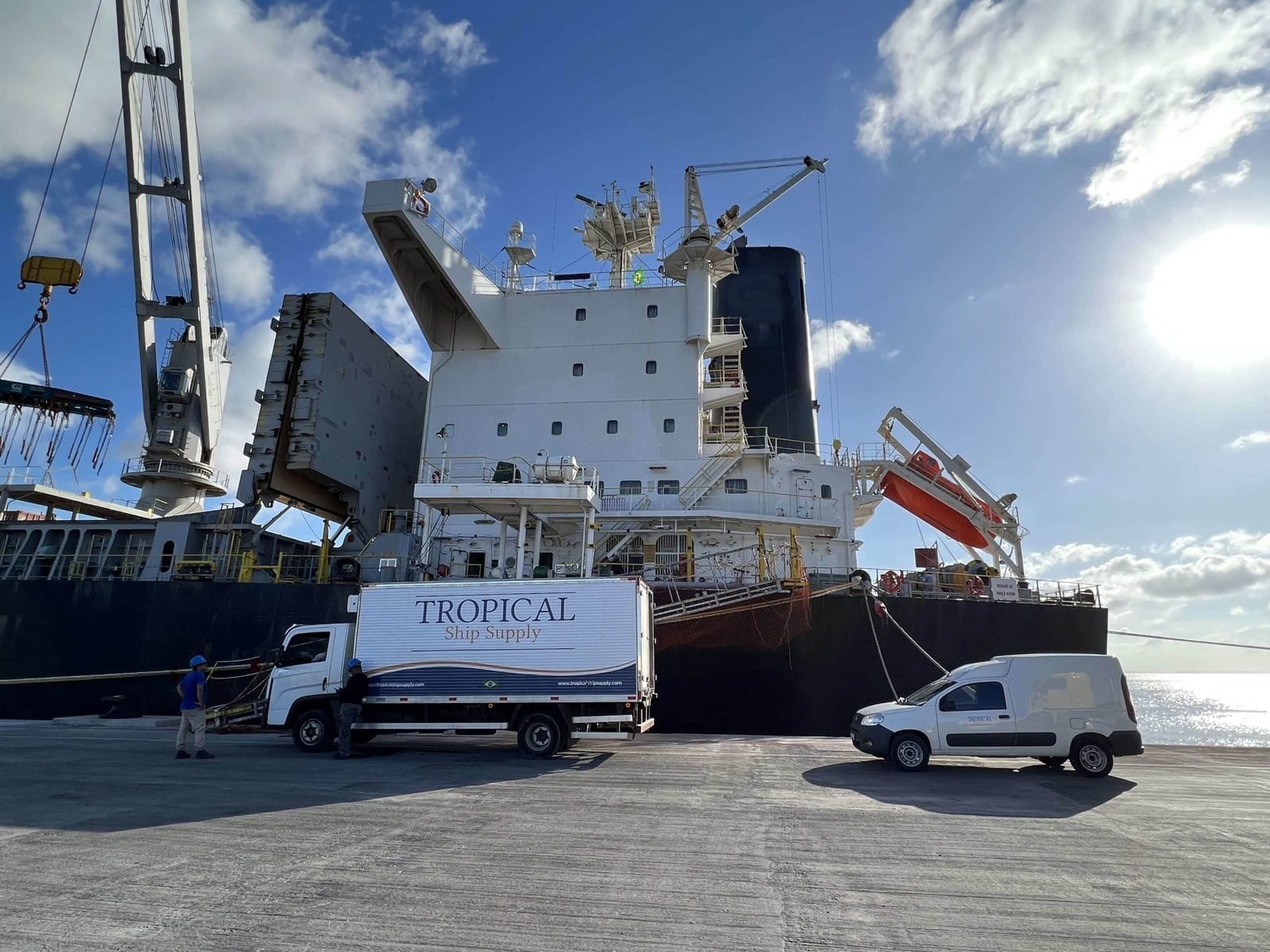
Itacoatiara is a long way from any warehouse on the coast. Fresh, frozen and dry stores travel inland to reach the ship, and a requisition that arrives after berthing leaves little room to replace a missing item before she sails.
Two things decide the result: the time you give us, and what you tell us about the ship.
- Send the requisition with the ETA at the North Bar, not the ETA at the berth. The river passage is the time we work with.
- Send it as soon as you have it, even incomplete. We start on what is certain and close the gaps as the list firms up.
- Tell us where she will wait: at the Hermasa berth or at the Itacoatiara anchorage. It changes how and when the delivery reaches her.
- Name the agency handling the call. Port access, boat permits and the delivery slot go through them, so we talk to them early.
- Flag bonded stores and spare parts in the first message. The customs paperwork takes longer than the goods.
How we supply ships at Itacoatiara
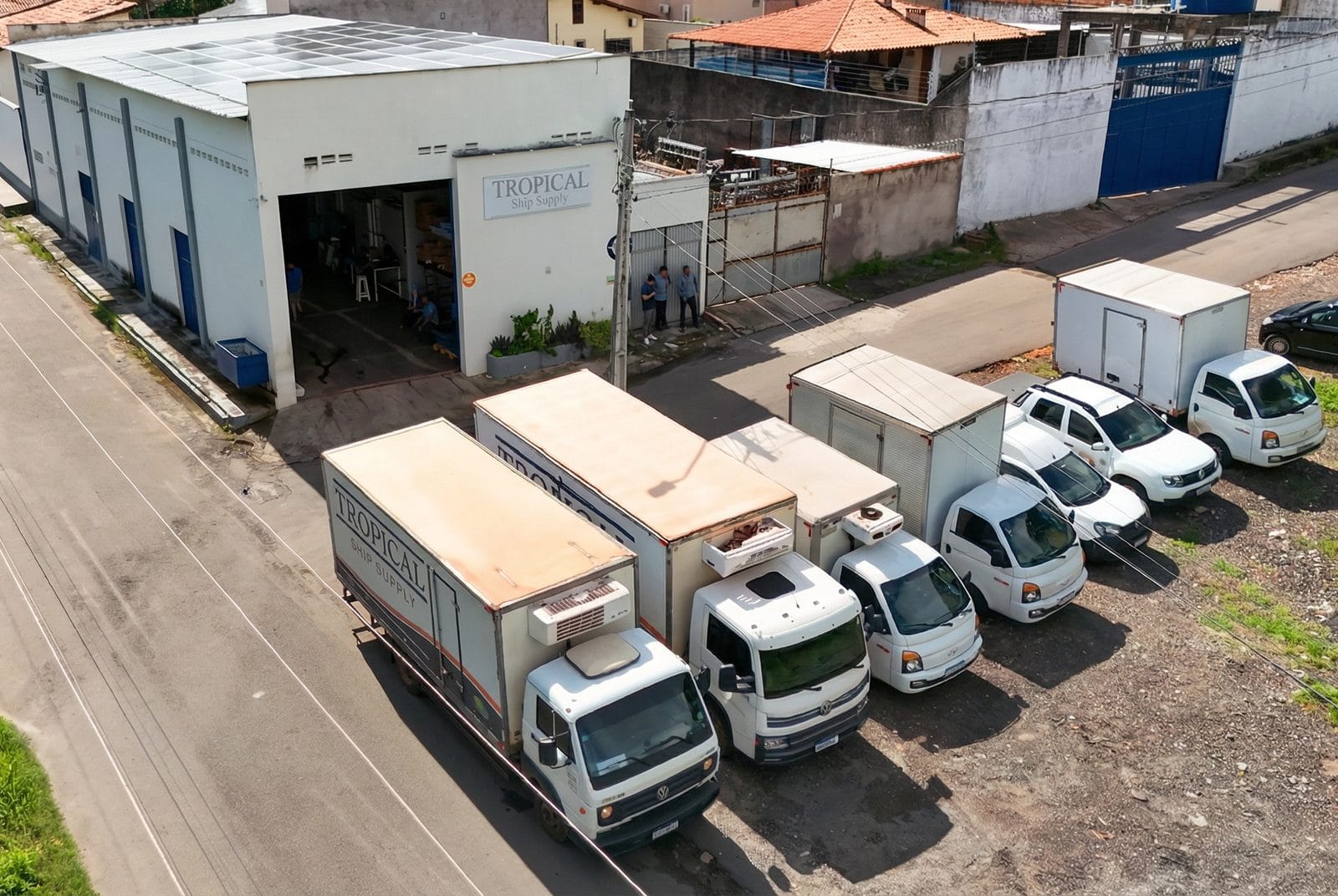
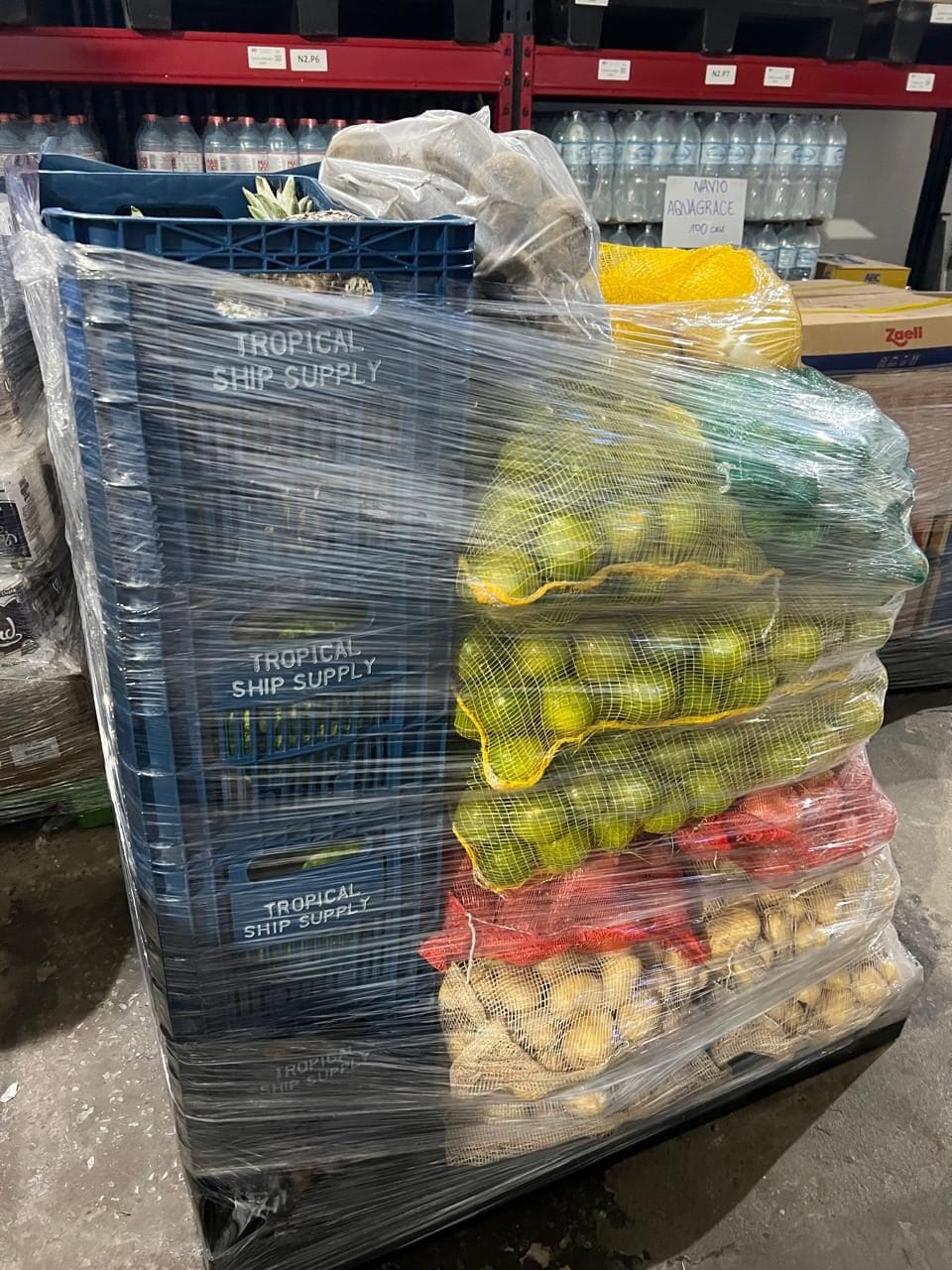
Our warehouse and refrigerated fleet are in São Luís, and we have a branch in Belém. At Itacoatiara we deliver through a local partner. You deal with one supplier: the quotation, the order and the invoice come from us.
What we put on board:
- Provisions: fresh, frozen and dry stores, with the cold chain planned for the inland leg
- Bonded stores, under customs seal
- Deck and engine stores: ropes, paints, tools, lubricants and chemicals
- Cabin stores, safety and hygiene supplies, charts and spare parts
Further down the Amazon, where the Tapajós joins it, we also serve Santarém. Near the river mouth, our branch works the Port of Belém. We answer 24/7, in Portuguese and English. Tropical Ship Supply is IMPA member #2000113.
Calling at Itacoatiara? Send the vessel, the IMO number, the ETA and the requisition to quotation@tropicalshipsupply.com and we will come back with a quotation.