
Delivering maritime provisions is more than just moving products from warehouse to vessel. At Tropical Ship Supply Ltd., we believe food safety for ships is the invisible anchor holding operations together. When we stock a vessel for an ocean crossing, every step—hygiene, temperature control, shelf life management, and traceability—matters for health, productivity, and compliance. Here’s our view on what it takes to maintain true audit-ready standards at sea.
Food safety culture at sea
Onboard hygiene is the front line in protecting crews and cargo. Illness linked to contaminated food remains a real threat on ships, and according to the CDC, produce accounts for nearly half of foodborne illnesses, while meat and poultry are the leading source of fatal infections. Rigorous hygiene standards aren’t just best practices—they save lives as CDC data demonstrates.
- Cleaning routines for all surfaces in storage and galley areas
- Use of single-use gloves and protective gear during food handling
- Scheduled deep-sanitization before and after port rotations
- Frequent staff training on updated hygiene protocols
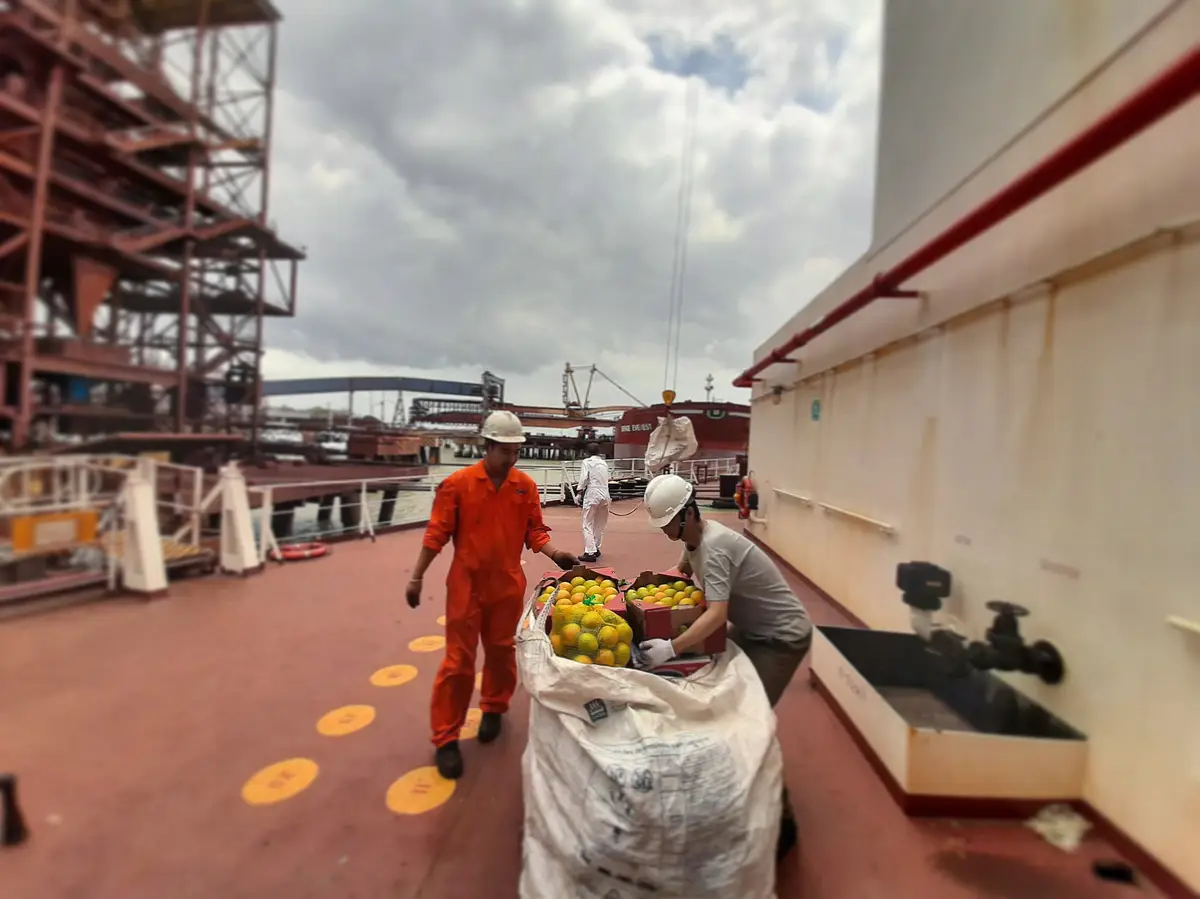
We drive continuous education on these practices within our operations. Our delivery teams, for example, never board a ship without proper personal protective equipment and strictly follow a seal-chain protocol to ensure hygiene from dock to deck.
Temperature control: Protecting provisions from port to plate
Temperature management could be the decisive factor between safe nourishment and a health hazard. According to experts at the NSF, incorrect temperature storage is frequently observed in grocery operations, and its impact is considerable. For vessels, getting this wrong can mean not only spoiled supplies, but increased risk of foodborne illnesses.
We maintain a rigorous chain of temperature controls:
- Verification of climate-controlled storage for perishables, from our warehouse up to delivery on board.
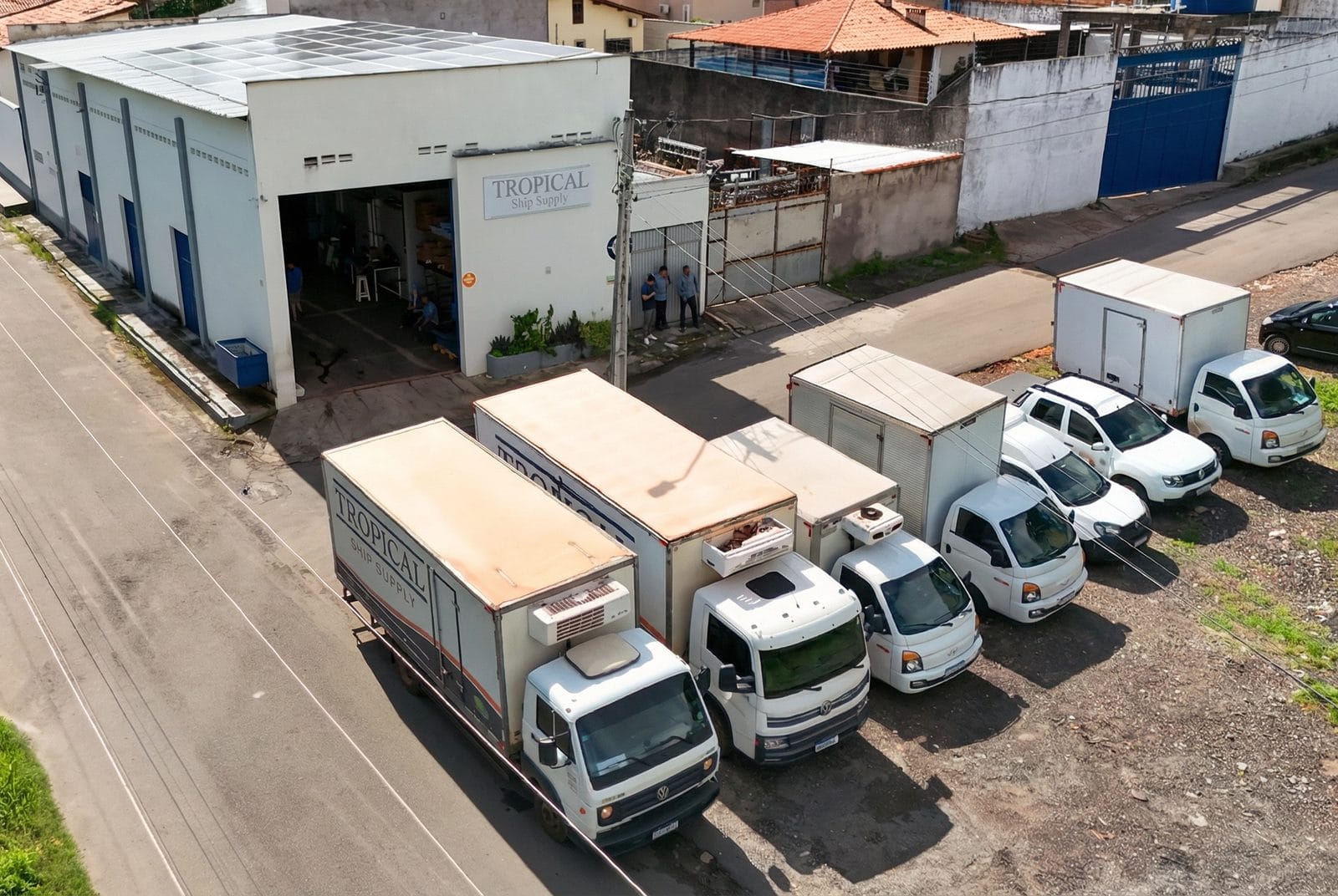
- Dedicated refrigerated vehicles for last-mile delivery to ports, calibrated to guarantee consistent cool-chain integrity.
- Continuous temperature logging with digital sensors and real-time alerts monitored by our operations team.
- Regular inspection and calibration of refrigeration equipment.
No cold chain breaks are tolerated, and our auditing system includes logs and documentation ready for regulatory review. This approach is aligned with modern cold chain logistics for ships and demonstrates a level of control that not only protects compliance but ensures peace of mind for our shipping clients.
 Shelf life: Supplying provisions that last
 Shelf life: Supplying provisions that last
Understanding shelf life at sea goes beyond expiration dates printed on packaging. It’s about providing only what will remain safe and nutritious for the duration of a voyage. The stakes are higher at sea; resupply isn’t an option until the next port.
In our line of work supplying all kinds of stores—from fresh produce to specialty galley ingredients—the following strategies guide our shelf life management:
- Careful selection of products with maximum usable expiration timelines for long crossings
- Stock rotation system that always delivers first in, first out (FIFO) order
- Documentation of best-before and use-by dates for all perishable and non-perishable items
- Onboard crew guidance for optimal storage to further preserve shelf life
We witnessed firsthand that ships maintaining disciplined stock rotation avoid mid-crossing spoilage and foodborne risks. Choosing well and handling well are both non-negotiable, especially on routes where rough seas and delays can happen. Our experience guiding ship operators on avoiding food spoilage during long ocean crossings demonstrates how far good shelf-life planning can go.
 Traceability: Ready for any audit
 Traceability: Ready for any audit
Traceability is the foundation of food safety assurance and legal compliance aboard ships. Without a robust tracking system, it is simply impossible to guarantee the safety and origin of every supply.
Our audit-ready standard means:
- Clear documentation from sourcing to delivery to vessel—no break in records, no gaps that could invalidate an audit
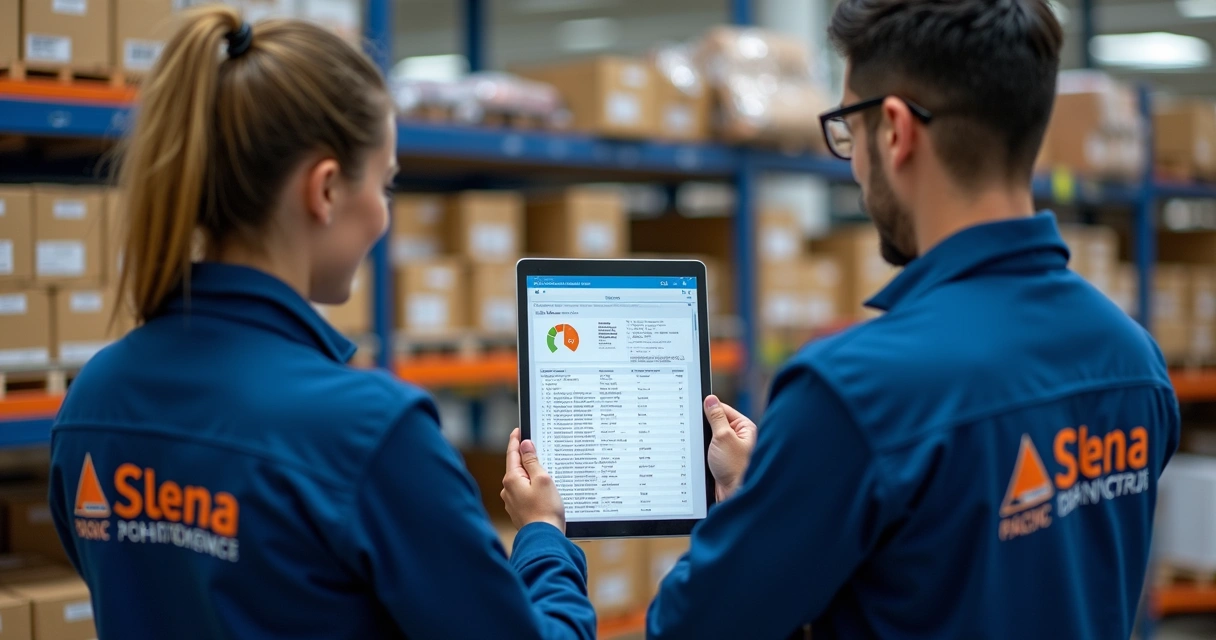
- Supplies are batch-coded, and digital logs trace all movements, storage locations, and temperature conditions
- Date marking perishable foods according to the strictest guidance; in fact, a CDC analysis shows that businesses with clear date-marking practices are five times more compliant and play a key role in preventing foodborne illness as CDC found
- Immediate access to shipping and storage histories for every product, available for both internal and port authority audits
Our processes not only satisfy but exceed the expectations of ship operators and auditors. We built traceability as a core backbone, which means that should a recall or investigation ever be needed, we can pinpoint every stock movement along the way. Advice for ship operators on handling provisions in Brazil always emphasizes that complete, transparent documentation is a non-negotiable requirement.
The audit-ready difference
 The audit-ready difference
When we say “audit-ready,” we mean that there’s never a scramble or paperwork panic when inspectors arrive. Our certifications and structured procedures set the groundwork, and our staff are ready to present documentation, digital logs, temperature records, and origin data at a moment’s notice. Compliance isn’t a hurdle—it’s our everyday standard.
This approach is what we reinforce in our team, and what our partners expect. From Brazilian ports and beyond, being audit-ready means:
- Zero gaps in documentation
- Confidence in every step from supplier to vessel
- Peace of mind for captains, crews, and the companies we serve
Our efficiency as a ship chandler shows not just in what we deliver, but how we deliver.
We provide more than provisions. We bring confidence on board.
Matching safety, transparency, and sustainability
At Tropical Ship Supply Ltd., food safety goes hand-in-hand with our commitment to sustainability—using renewable energy and eco-conscious packaging, recycling initiatives, and continuous investment in quality. But above all, every fresh ingredient that reaches a ship under our care reflects a network of trust and strict process—nurtured by decades of maritime experience.
Interested in operational reliability, fewer delays, and safer food standards for your fleet? Discover how we can support your vessel’s journey—request a quote and see the difference yourself.
Looking to reduce costs without sacrificing reliability during calls in Brazil? Tropical Ship Supply supports vessels with on-time delivery, consistent quality, and local assistance across key ports in the North and Northeast.
Contact our team and request a quote:Quotation@tropicalshipsupply.com +55 98 98347-0908 (24/7) WhatsApp
Frequently asked questions
What is food safety in provisions?
Food safety in provisions means preventing contamination and foodborne illness by following strict hygiene and handling procedures from sourcing through delivery to the vessel. It involves staff training, routine cleaning, and thorough recordkeeping so that every ingredient on board meets health expectations.
How to control food temperature safely?
Safely controlling food temperature means using climate-controlled storage and transportation, regular temperature logging, and real-time alerts for deviations. All cold-chain processes are maintained end-to-end, reducing risks of pathogen growth as highlighted by the NSF.
What does shelf life mean?
Shelf life is the time a food product stays safe and retains its expected quality when stored as recommended. For ship supply, this means planning and stock rotation so all provisions remain suitable for the length of a voyage, without spoilage or safety risks.
How to ensure food traceability?
Food traceability is ensured by documenting product origin, batch numbers, storage conditions, and delivery records in a digital log. Effective traceability allows for immediate retrieval of supply data for audits or recall events, boosting both confidence and compliance.
What is audit-ready food safety standard?
An audit-ready food safety standard is a set of documented processes, records, and practices that ensure regulatory compliance and facilitate smooth inspections at any time. By having every step and condition of supply logged and accessible, audit-readiness promotes trust and transparency with customers and authorities.