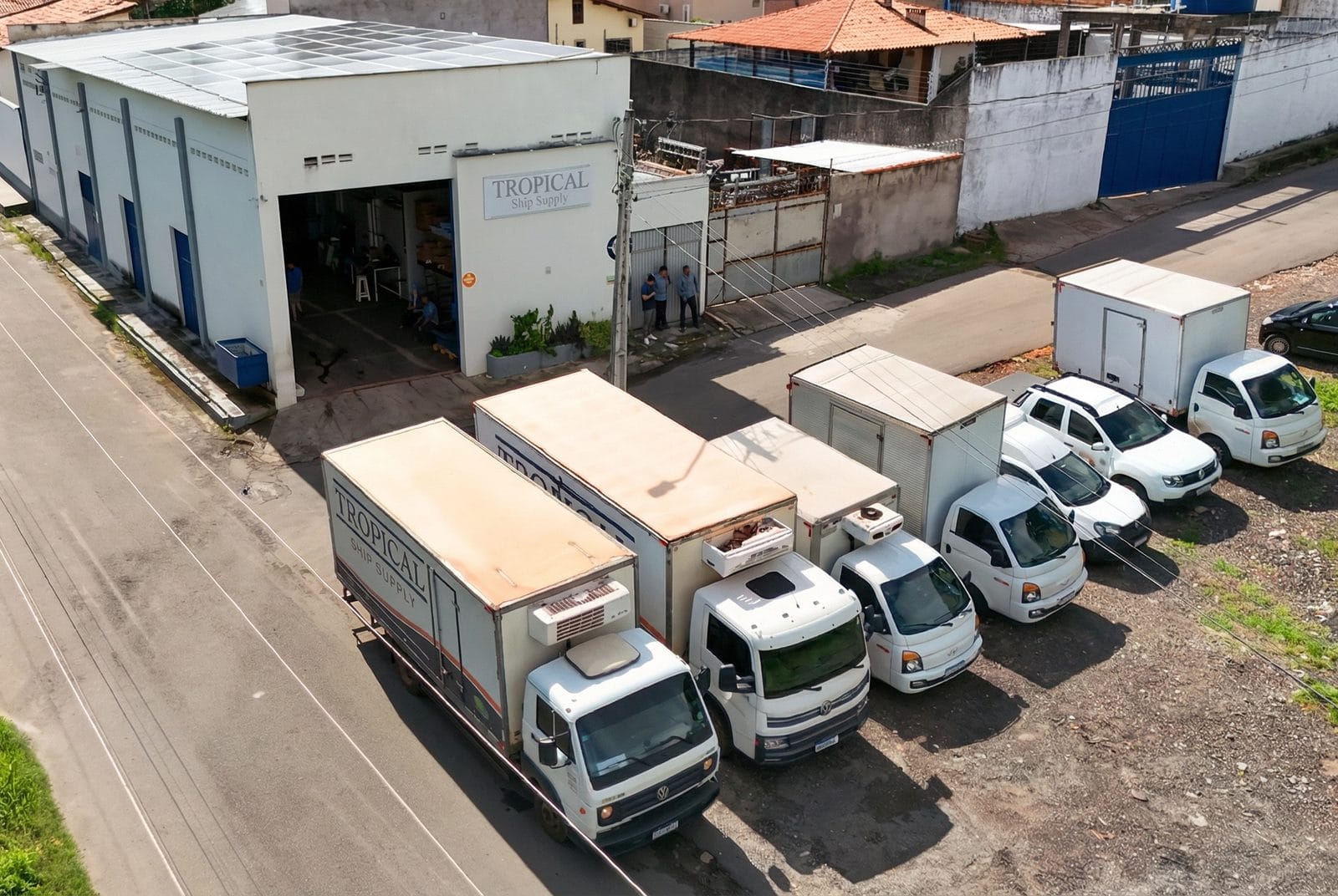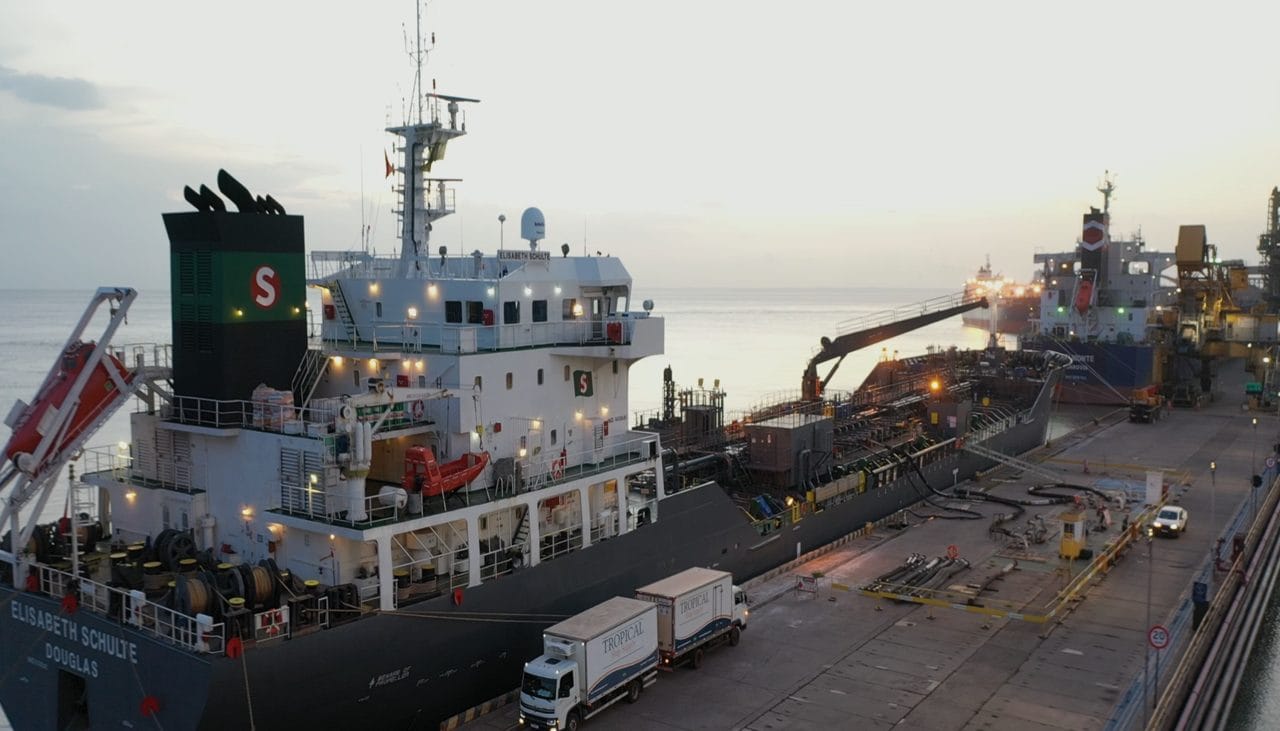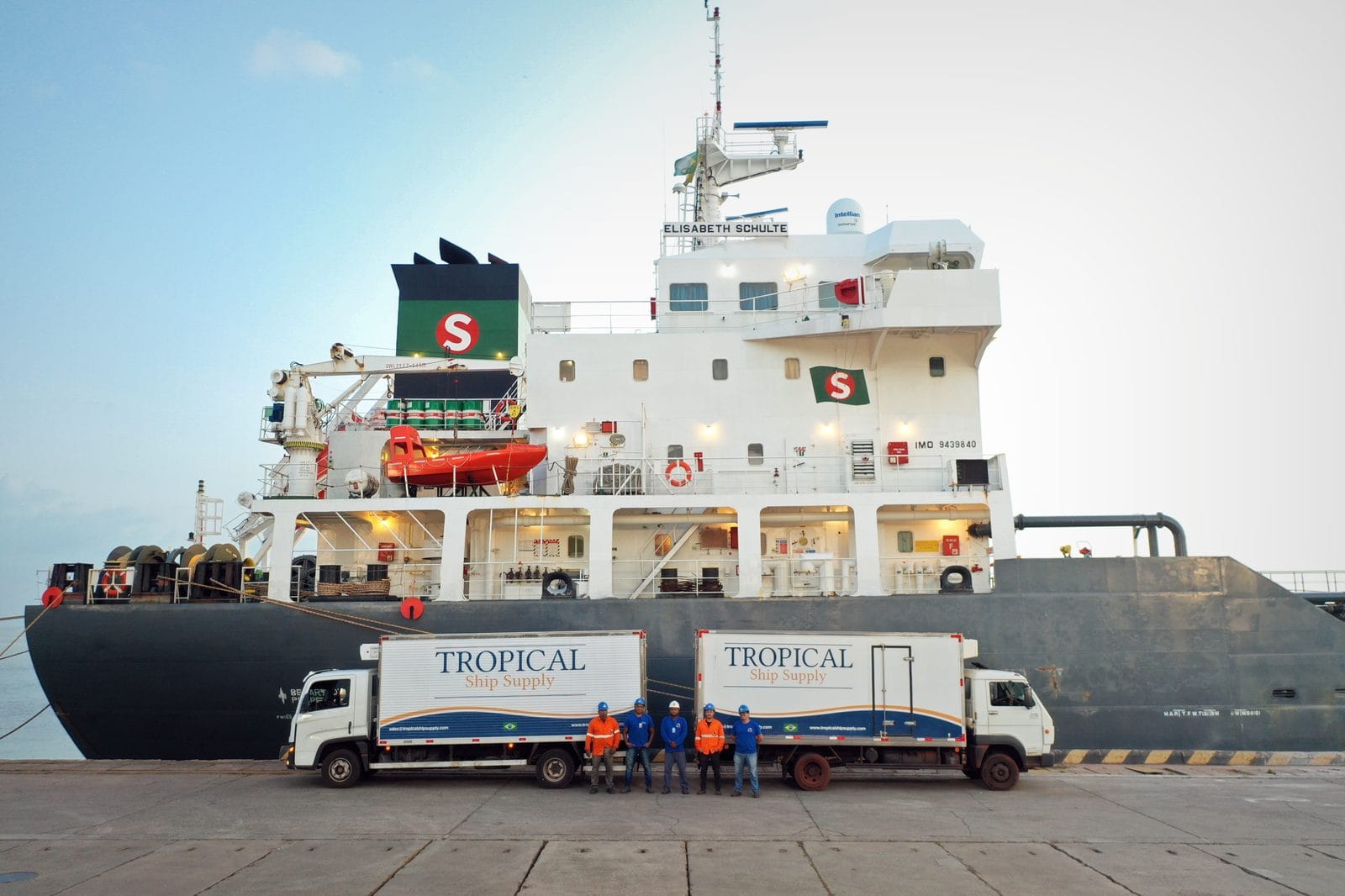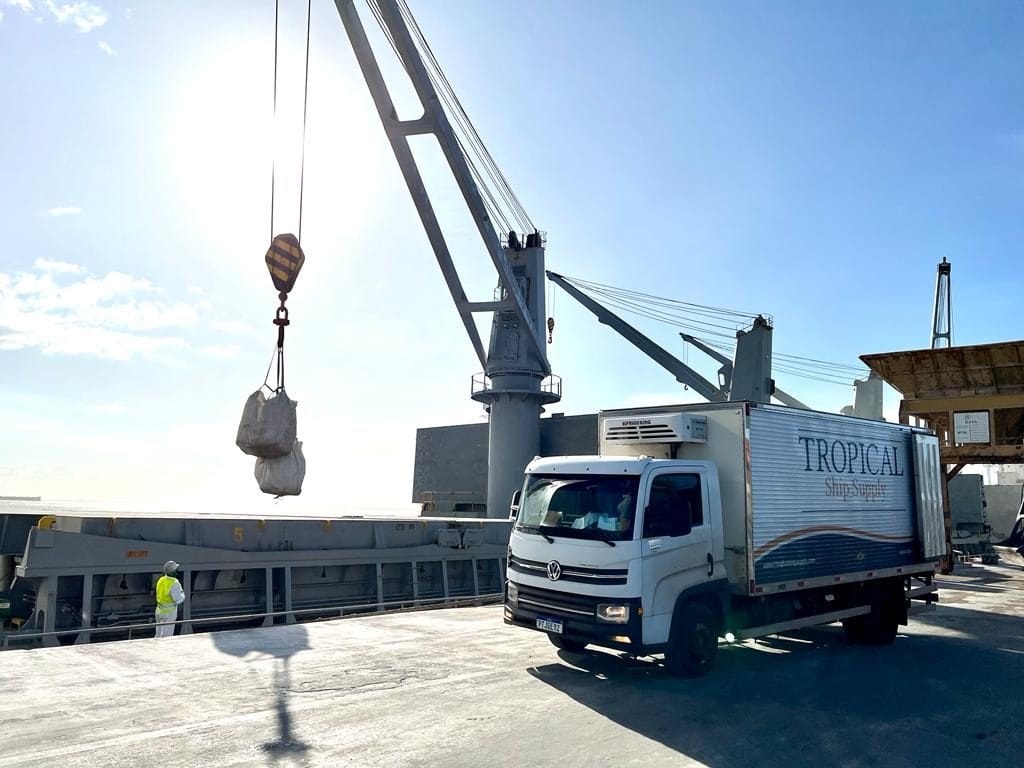
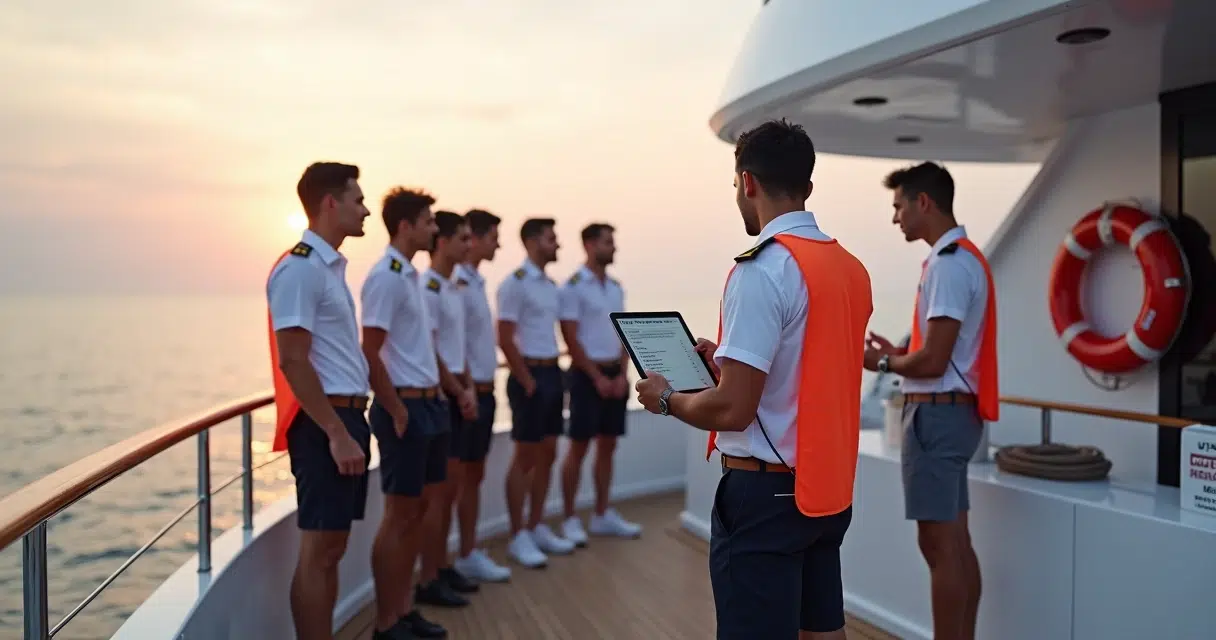
At Tropical Ship Supply Ltd., we are constantly reminded that safe operations are built upon respect for the people who work at sea. Crew welfare and legal rights are not just checkboxes—they are the core of maritime responsibility. Our experience supplying vessels across Brazil’s strategic ports has shown us that even with modern regulations and resources, crew protection sometimes remains only words on paper. That is why we want to emphasize tools like Protecting Crew Lives (PCL), a fresh, independent platform that’s changing the way superyacht crew members understand and demand their rights.
A new chapter for crew protection
We have seen the maritime sector evolve, yet gaps persist between what maritime law promises and what is practiced on board. This is where PCL comes in—a user-driven, advocacy-first platform, launched by Nicole Coetzer and Chantal Johnson in memory of 20-year-old Paige Bell, who tragically lost her life while working in the Bahamas. PCL seeks not only to honor Paige’s legacy but also to empower every crew member so that situations like hers are never repeated.
“Crew rights are non-negotiable. They are not privileges.”
These words capture the spirit behind PCL and echo what we at Tropical Ship Supply witness every day in the maritime industry. Our goal, like PCL’s, is to keep safety, dignity, and well-being at the forefront for every seafarer we support.
What makes Protecting Crew Lives (PCL) unique?
PCL isn’t just another information portal. It is entirely self-funded and independent, answering only to its users: the crew. The platform does not investigate or assign blame, nor is it a regulatory body—it focuses on providing reliable advocacy and practical knowledge, available quickly and privately from any modern smartphone.
- Four-Stage Resource Library: Clear instructions, checklists, and timelines start from the pre-boarding process and guide users through day-to-day routines, reporting concerns, and knowing what to do when rights are ignored.
- Regulatory framework guides: The jargon of MLC 2006, STCW, and ISPS Code can be overwhelming. PCL explains these regulations in plain language—how they protect crew, guarantee fair pay, define safe working hours, require transparent contracts, and ensure medical access. By demystifying the law, PCL helps crew recognize their rights and demand accountability, even when facing pressures to stay silent.
- Direct reporting channels: PCL connects crew to the right authorities and trusted support groups—eliminating confusion and helping those in distress to get effective help quickly.
- Yellow Rose Crew Directory: An evolving, truly independent list of service providers who self-certify to standards of safety and welfare. No one can buy their way onto the list.
 We believe in strengthening the chain of protection around crew members, and this digital approach is a major step forward.
Why understanding your rights matters
Despite dedicated ship managers and responsible owners, breaches in crew contracts, neglected obligations, and unhealthy pressure to accept unfair treatment still exist. In our dealings with ships that depend on Tropical Ship Supply, we see positive change when knowledge meets action. PCL shines a light into corners where confusion or fear might otherwise keep crew suffering in silence.
Knowledge transforms vulnerability into empowerment.
The laws already exist, yet their application depends on crew knowing how, when, and where to act. PCL’s practical, step-by-step guides sidestep legal language to give direct, relatable answers—covering everything from pre-departure preparation to steps to take if something goes wrong.
How does PCL actually work?
PCL lives at www.protectingcrewlives.com. It functions as a progressive web app, built for ease of use and low data consumption. Once you open the site on any smartphone, you’ll see a prompt: “Add to Home Screen.” With one tap, PCL installs quietly and works even when offline. This means no matter where you are, even if connection drops mid-ocean, you still hold the guide in your palm.
PCL’s browser-based, lightweight design ensures that help and information are never more than a screen tap away—and that privacy is always preserved.
- Fast, easy access: No clunky downloads or registration, just simple visibility.
- Private by default: No tracking, user data stays private and on your device.
- Always advocacy: PCL does not replace regulators, but it does make reporting and help-seeking as easy as possible.
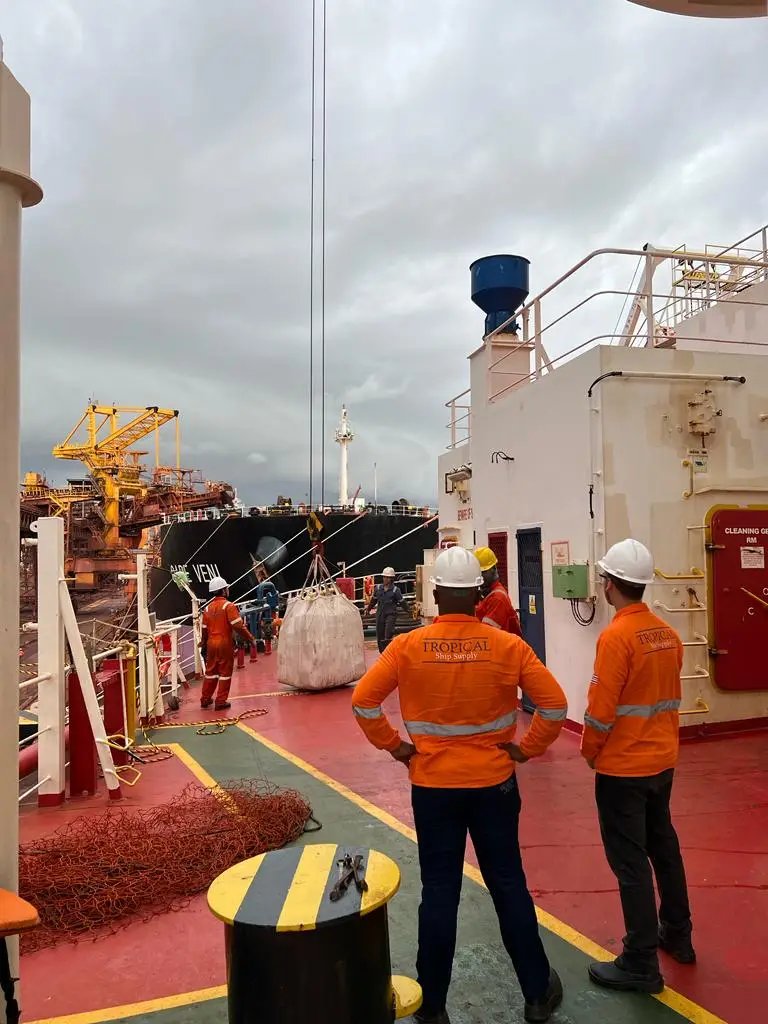 Our commitment at Tropical Ship Supply ties into this philosophy: reliable service, quality products, maximum transparency, and a respect for every person who boards a ship we serve.
Closing the gap: From paper to real protection
PCL’s founders openly address what too many still experience: “The gap between crew members’ written rights and how they are applied in real situations is stark.” This is why every crew member, officer, and agent should familiarize themselves with both the rights enshrined under international law, and the practical steps to enforce those rights if needed. Nobody should feel alone, unheard, or trapped by contractual or social pressure, ever again.
Platforms like PCL make seeking support less daunting and add real pressure for greater transparency and industry accountability. Crew safety is not one person’s problem; it is a shared responsibility—and it starts with awareness, continues through teamwork, and succeeds with direct access to the tools that make a difference.
We at Tropical Ship Supply are proud to support safety-first shipping with not only timely provisions and technical support, but also by encouraging everyone in our network to use available resources, such as:
- A regularly updated maritime news section for the latest information.
- Compliance tips for safety and SOLAS regulations, directly tied to crew welfare.
- Dedicated safety equipment resources for all vessel types.
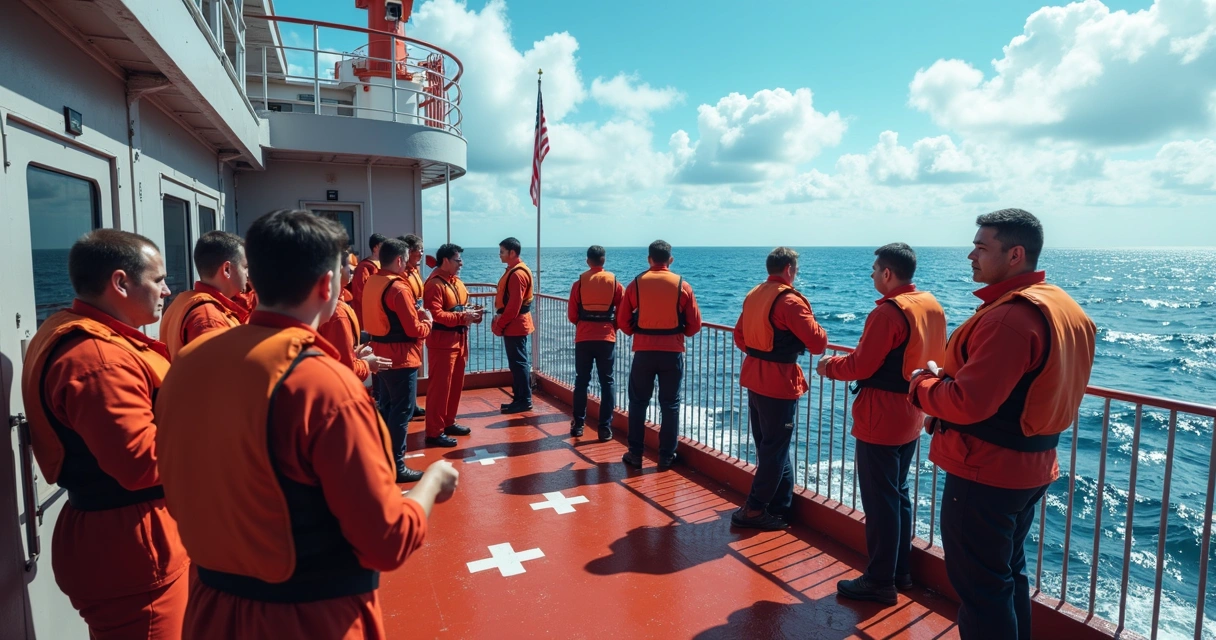 If you are looking to reduce costs without giving up reliability during vessel calls in Brazil, our team at Tropical Ship Supply is here to deliver on time, with consistent quality, and local support in key ports. The safety, dignity, and legal protection of crew members is something that every link in the maritime chain must defend—every day, on every ship.
Get in touch for a quote and discover how quality, transparency, and advocacy can go hand in hand with efficient support for your operations.
Frequently asked questions
What are my basic maritime rights?
Your basic maritime rights include fair pay, safe working hours, access to medical care, a safe living and working environment, and protection against unfair treatment, as defined in key documents like MLC 2006, STCW, and ISPS Code. These are rights, not privileges, and cannot be waived by contract or custom.
How can I report unsafe conditions?
You can report unsafe conditions through direct channels like Protecting Crew Lives, which links crew directly to the right authorities and support groups. Most vessels also have mandatory reporting lines per international law. Use plain-language guides to make reporting swift and secure, online or offline as needed.
Who protects crew rights at sea?
Crew rights are protected by international conventions, national maritime authorities, labor unions, and advocacy platforms like PCL. Regulatory frameworks such as the MLC 2006, STCW, and ISPS Code set mandatory standards, while organizations on-shore and digital support platforms help ensure these rights are upheld in reality.
What to do if rights are violated?
If your rights are violated, document everything clearly, review the steps provided in independent platforms like PCL, contact shore-side authorities or trusted crew advocacy groups, and use available reporting channels to ensure your concern is officially recorded and acted on.
Where to get legal help onboard?
Legal help may be available through the contact channels promoted by specialized advocacy groups, and PCL’s directory of independent service providers who self-declare support for crew safety and welfare. Check your ship’s posted resources, and make sure to use any secure, anonymous help lines or online inboxes offered by platforms like Protecting Crew Lives.