Onboard modern vessels, attention to water and hygiene standards can mean the difference between smooth operations or costly delays. At Tropical Ship Supply Ltd., our experience in providing high-standard marine supplies at Brazilian ports has shown us that keeping water and hygiene supplies fully compliant is not just a formality, but a core part of maritime safety and operational efficiency.
Why water and hygiene supplies matter in maritime supply
Clean water and reliable hygiene supplies are non-negotiable for any vessel aiming for operational continuity and regulatory compliance. International health regulations and port authorities enforce strict sanitary requirements to prevent outbreaks and maintain crew well-being. Ships undergo inspections by authorities or classification societies, focusing on everything from potable water quality to the documentation of cleaning routines and the traceability of water delivery.
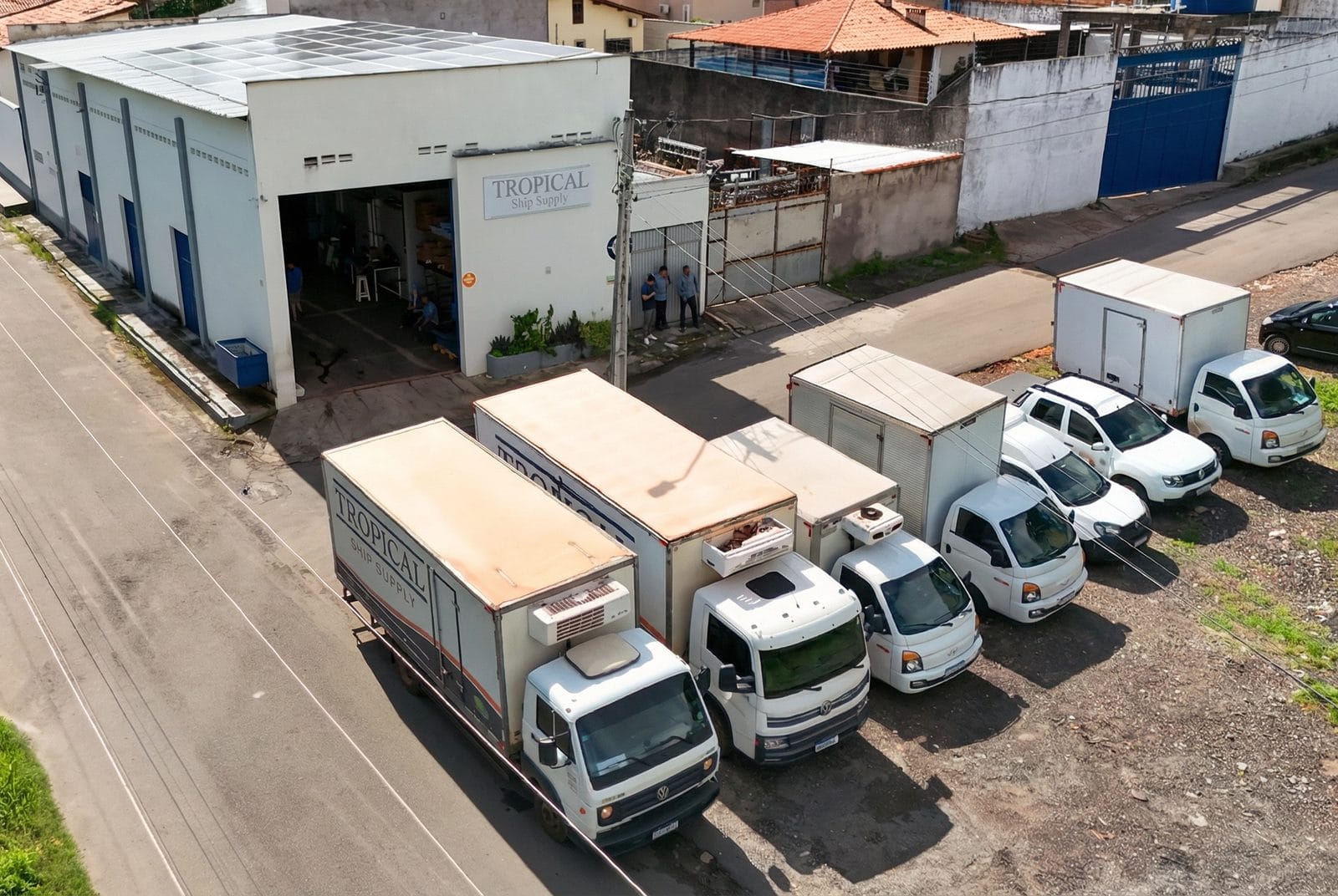
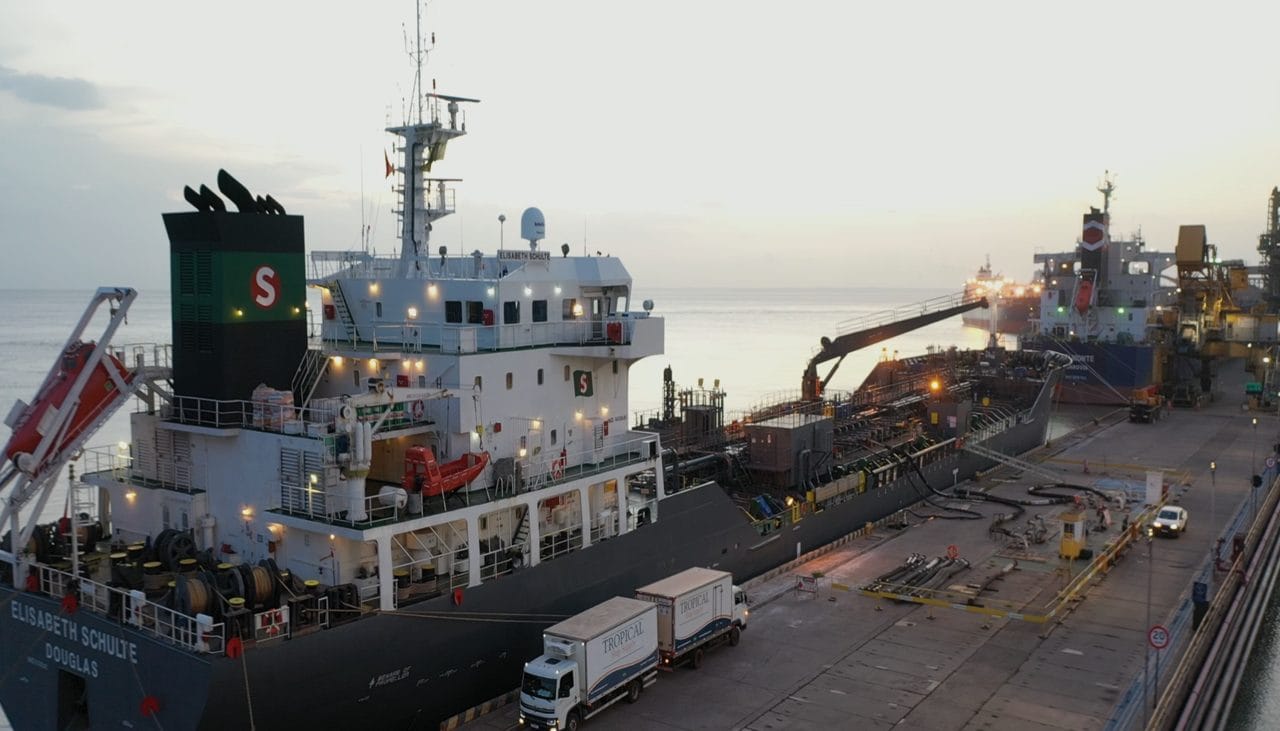
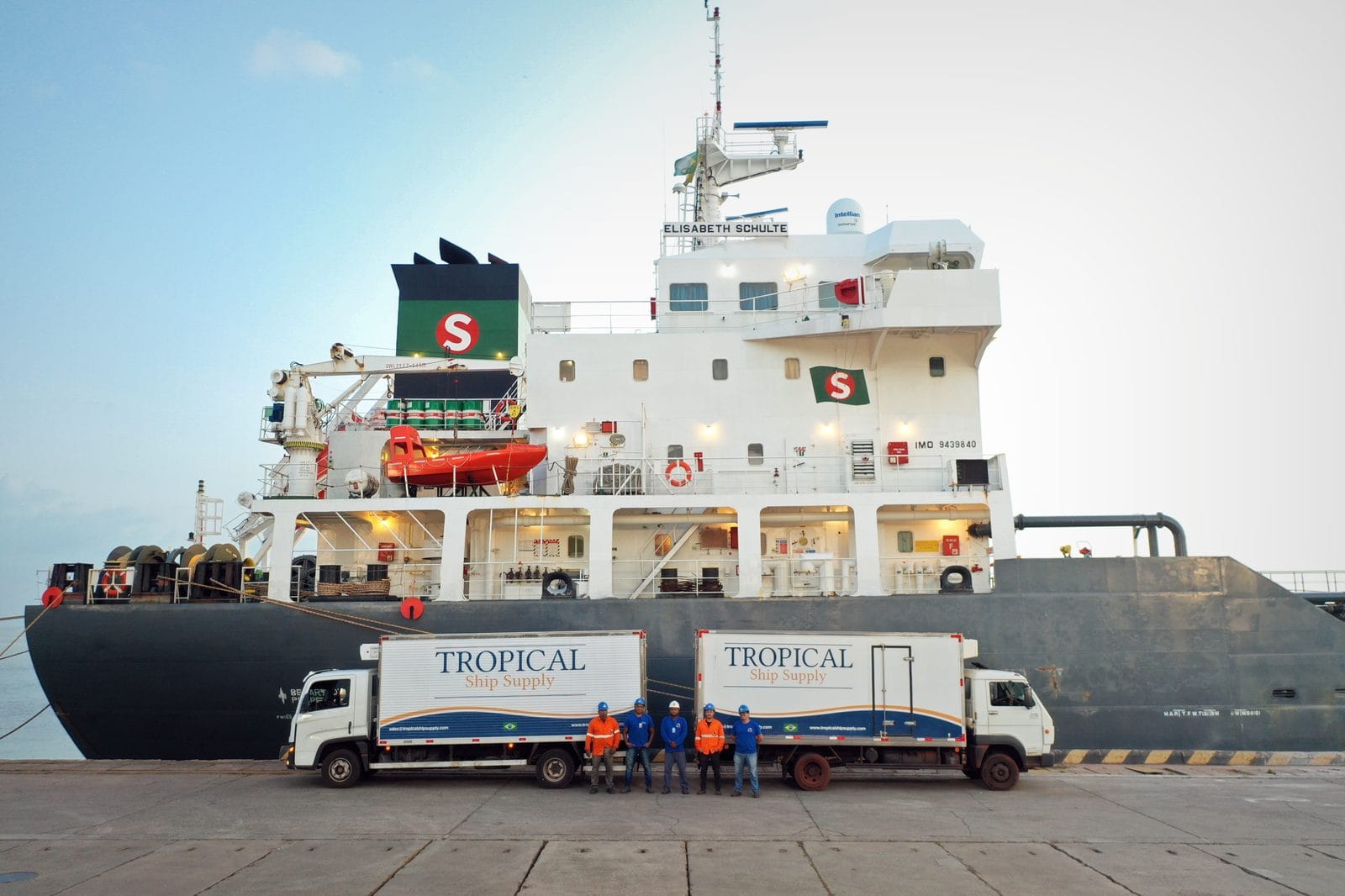
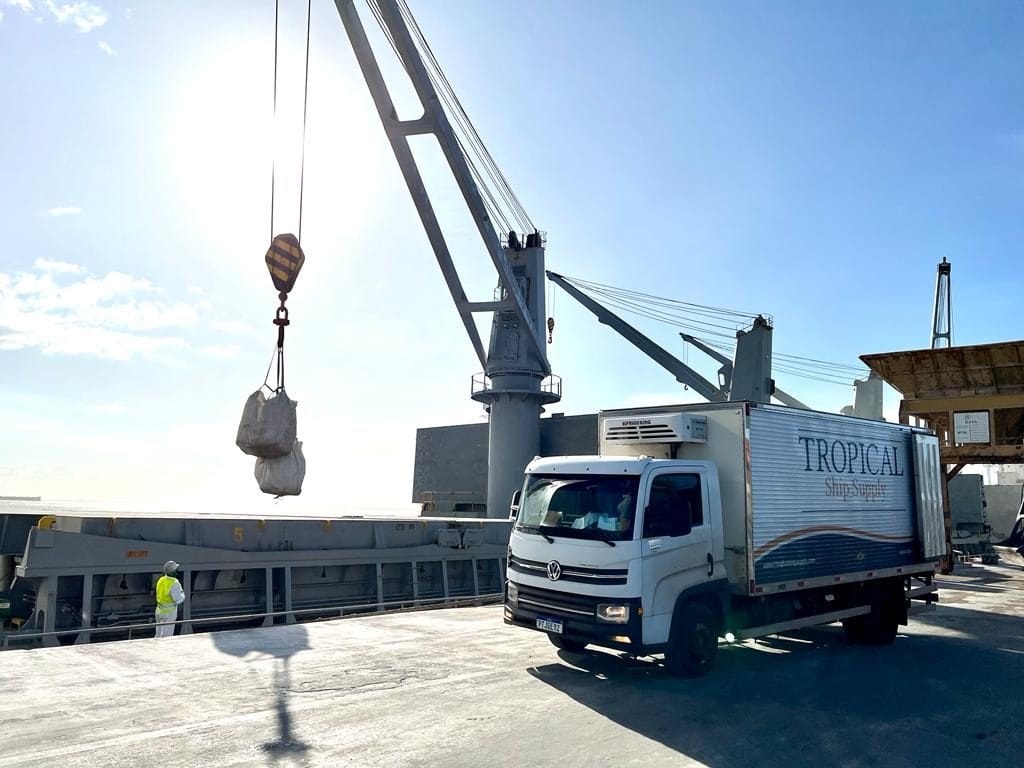
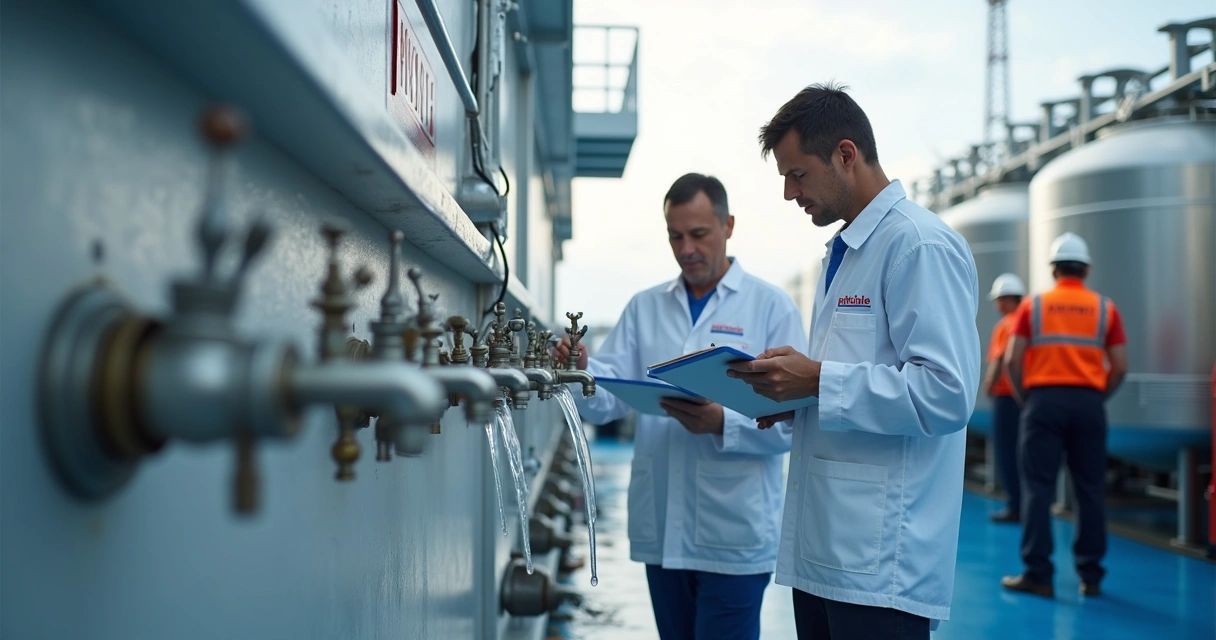 From our perspective at Tropical Ship Supply Ltd., these demands drive us to provide water and hygiene products that do not just meet the basic legal requirements, but also deliver reliability in every supply run. Our commitment extends through the supply chain—from the warehouse, to temperature-controlled trucks, to delivery at the gangway.
Understanding sanitary requirements for water on ships
Inspections aboard ships mostly revolve around several elements related to water:
- Source and storage: Water must come from potable sources and be stored in tanks that are regularly inspected and cleaned.
- Distribution: Pipes must be clearly labelled and separated from non-potable systems.
- Temperature control: Hot water for personal use must meet specified temperatures to prevent bacteria growth.
- Monitoring and sampling: Frequent testing and documentation of water quality, including presence of chlorine and absence of harmful microorganisms.
Public health authorities, such as the CDC Vessel Sanitation Program, regularly conduct inspections focusing on potable water systems, food safety, and overall cleanliness. These inspections often occur unannounced and include strict assessment of documentation, storage, and crew hygiene protocol. Failures can result in re-inspections or, for passenger vessels, recommendations against sailing CDC Vessel Sanitation Program, Johns Hopkins Medicine.
Building a compliant hygiene supply list
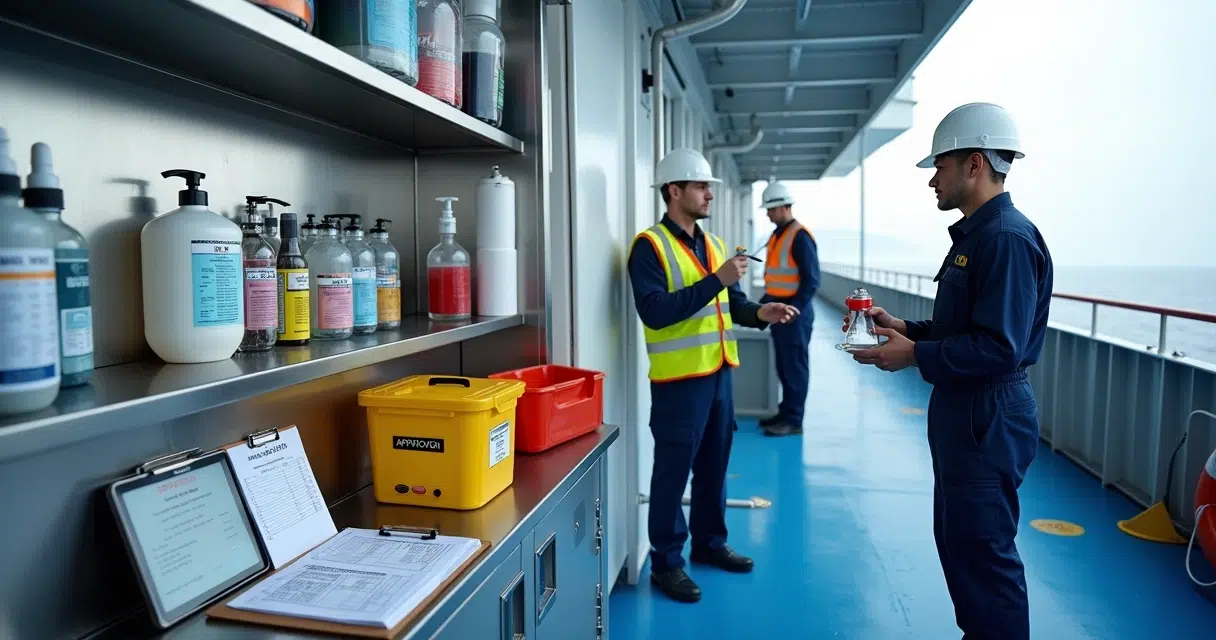
Ships should maintain a diverse stock of hygiene materials, such as soaps, sanitizers, surface disinfectants, disposable paper supplies, and cleaning tools. Routine provision schedules and onboard inventory management can help avoid shortages or expired products, supporting readiness for inspection at any time.
- Handwashing stations must be fitted with soap, disposable towels, and water at all times.
- Toilet facilities require a constant supply of cleaning agents, sanitizers, and personal hygiene items.
- Cleaning routines and supplies must be documented and stored where inspectors can verify them.
- Drinking fountains and galley water points need signage and inspection logs to prove maintenance.
We have organized our product line around these needs at Tropical Ship Supply Ltd., making sure ships calling at Brazilian ports can equip themselves with internationally recognized hygiene supplies and documentation support.
Inspection readiness: preparing your crew and your evidence
Every inspection starts with documentation. Inspectors often ask for logs showing when potable water tanks were cleaned, what chemicals were used, and who performed the task. They want to see evidence, so these logs should be organized and ready to hand over.
There are a few simple steps to be always prepared:
- Maintain accurate cleaning and testing logs, including dates, personnel, and test results.
- Label and store hygiene supplies—clearly, in designated areas, to make verification straightforward.
- Train your crew on sanitation routines, safe handling of chemicals, and the location of key documents and supplies.
- Review checklists ahead of arrival in port, using up-to-date international and local standards (as in safety inspection compliance guides).
- Regularly calibrate and update water testing equipment, and store calibration certificates with the testing logs.
Being able to produce detailed records and evidence of compliance is as necessary as actually following the procedures. Inspectors value traceability—they often want to audit the chain of supply for water brought aboard, down to batch numbers and delivery temperatures. This is why we have focused on traceability in our own approach, helping supply clients with reliable documentation and supply evidence, as detailed in our operating flow and evidence process.
Traceability and transparency: supporting inspection evidence
 Modern shipping requires not only compliance, but also transparency. Providing evidence of water source, handling methods, and condition on delivery is fundamental in passing port state or CDC checks. This includes packaging slips, temperature control records, signed delivery notes, and supplier certificates.
Tropical Ship Supply Ltd. has always believed in keeping operations transparent—so we document our supply chain from source to ship, keeping delivery records ready for audit by crew or inspectors as needed.
Key practical steps for guaranteed compliance
Based on our years supplying marine operators, we recommend the following ongoing steps:
- Regularly check and replenish hygiene supplies before shortages occur.
- Follow up-to-date water testing protocols and maintain annotated records.
- Keep cleaning and supply areas organized—unexpected audits are the rule, not the exception.
- Document every batch, including delivery and onboard storage temperatures.
- Foster a safety culture: empower the crew to speak up if supplies run low or if unclean conditions develop.
Through these steps, we help our clients reduce operational risks and ensure compliance with local and international guidelines. See more about food safety, hygiene inspection processes, and temperature traceability requirements at our in-depth audit-ready resource.
Conclusion
As we have seen through years of service at Tropical Ship Supply Ltd., maintaining water and hygiene supplies for inspections is both a compliance matter and a cornerstone of ship safety. By providing the right tools, support, and documentation, we keep our clients audit-ready at any Brazilian port.
Ship operations run smoothly when inspections are easy and evidence speaks for itself.
If you are seeking confidence and transparency in your ship supply operations, connect with our team. Let us show you how our supply solutions match global compliance needs while supporting your crew at every port of call.
Frequently asked questions
What are basic sanitary requirements for water?
Basic sanitary requirements include sourcing water from potable supplies, keeping tanks clean, labelling pipes, controlling water temperatures, and performing microbiological testing. Crew must keep logs of all cleaning and water testing activities for inspector review, which supports compliance and protects the health of everyone on board CDC Vessel Sanitation Program guidelines.
How to prepare for hygiene inspections?
Maintain up-to-date cleaning and restocking logs, ensure all hygiene stations and toilets have fresh supplies and signage, train crew on inspection protocols, and organize documents for easy access. Simulate spot-checks and use compliance checklists before arriving at port. Rely on a trustworthy supplier, such as TROPICAL SHIP SUPPLY LTD., to keep stocks consistent and documentation complete.
What evidence is needed for inspections?
Evidence must include cleaning and testing logs, batch documentation, temperature records for delivered items, supplier certifications, and proof of delivery with signatures. Inspectors may also request to see calibration certificates for testing equipment and clear labelling of all hygiene supplies and storage areas.
Where to buy water hygiene supplies?
Professional ship chandlers that specialize in marine supply, like TROPICAL SHIP SUPPLY LTD., provide certified water hygiene products, delivery documentation, and all records necessary for inspection readiness. We focus on transparency and reliable delivery to major Brazilian ports.
How often should hygiene checks happen?
Routine hygiene checks and water testing should occur at intervals specified by local port regulations and international standards, commonly every few days for potable water and before arrival at port. Crew should be prepared for unannounced inspections at any time throughout the year, especially for vessels traveling internationally CDC inspection frequencies.