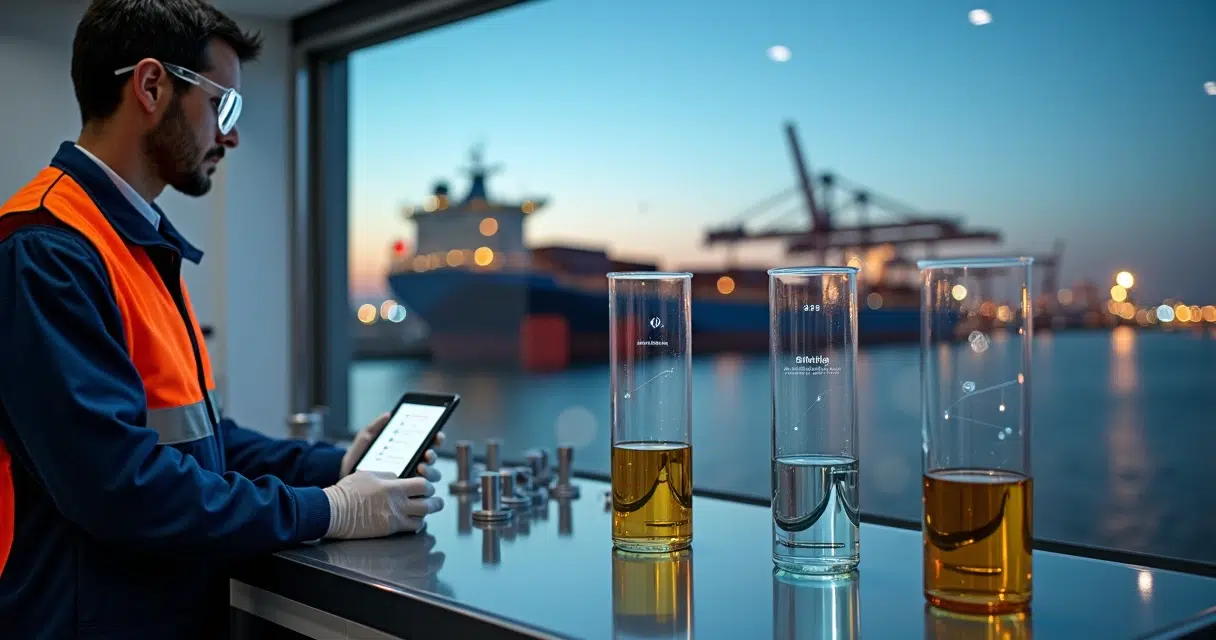
Reducing the environmental footprint of maritime operations has become more than a trend — it’s a necessity. As the International Maritime Organization strengthens requirements to slash greenhouse gas emissions by 50% by 2050 compared to 2008, interest in alternative fuels like biofuels, methanol, and ammonia is growing rapidly. At Tropical Ship Supply Ltd., we recognize that these transitions are not only about choosing new fuels, but also about transforming daily practices, routines, and the very logistics of onboard consumables as set by the IMO.
Shifting to alternative fuels: what changes on board?
Moving from traditional marine fuels to biofuels, methanol, or ammonia brings alterations that ripple through every aspect of ship supply. As a company dedicated to seamless deliveries at ports across Brazil, we’ve witnessed firsthand how adapting to these new standards requires a broad operational vision. Here’s how these alternatives touch the heart of the vessel’s routines, storage demands, and consumables management.
Change doesn’t happen in isolation; it transforms the whole supply chain.
The unique impact of each fuel
- Biofuels may mix with conventional marine oils but often require updated filtration and careful management of perishability.
- Methanol is liquid at ambient temperature, but it’s highly flammable and toxic, calling for special tank coatings, robust detection systems, and tight crew protocols.
- Ammonia, while holding promise as a zero-carbon fuel, is toxic and corrosive, needing purpose-built storage and handling systems, as well as trained crew.
Every fuel option, from sourcing to onboard handling, introduces operational adjustments and specific routines.
 How consumables adapt to alternative marine fuels
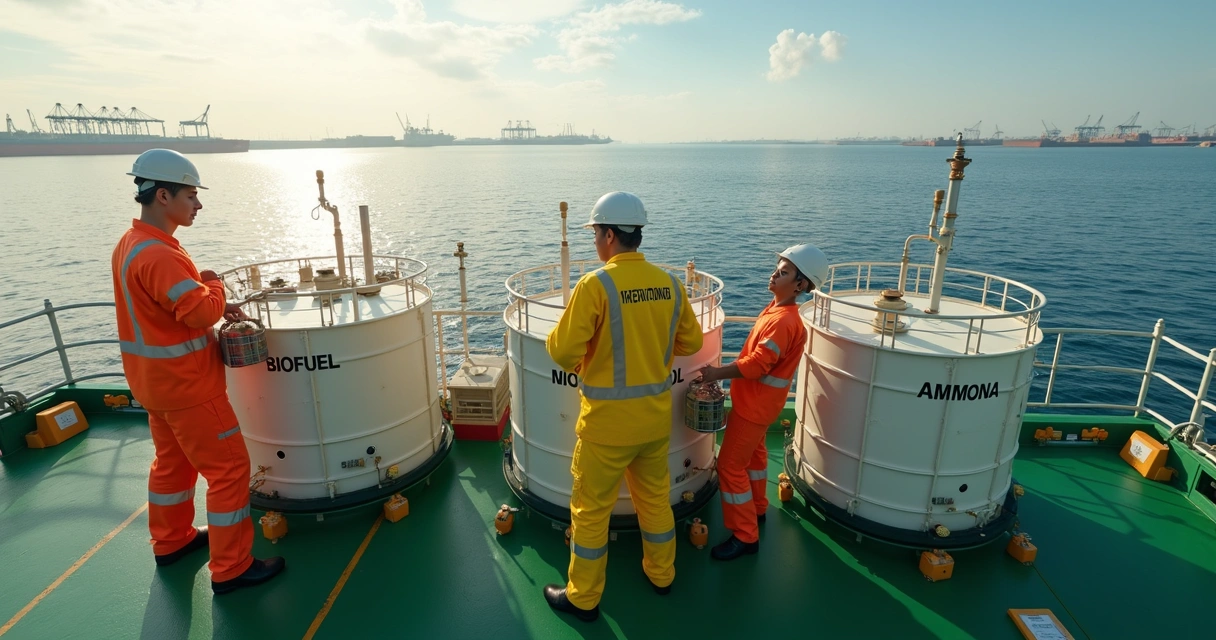 How consumables adapt to alternative marine fuels
The move to new fuels has a direct influence on consumables. Consumable provisioning, from lubricants to cleaning agents, is now subject to stricter requirements:
- Lubricant compatibility: Methanol and ammonia engines often need specialized lubricants, as these fuels interact differently with engine components compared to fuel oils. This means a smart, proactive approach in partnership with trusted suppliers to keep supplies compatible and efficient.
- Shelf life and perishability: Biofuels may degrade faster due to biological activity. We align our procurement and storage to minimize spoilage and maintain fuel quality from supply base to vessel.
- Handling supplies for safety: Methanol and ammonia require protective clothing, leak detection kits, and emergency response consumables, shaping our regular supply streets to include specialized gear.
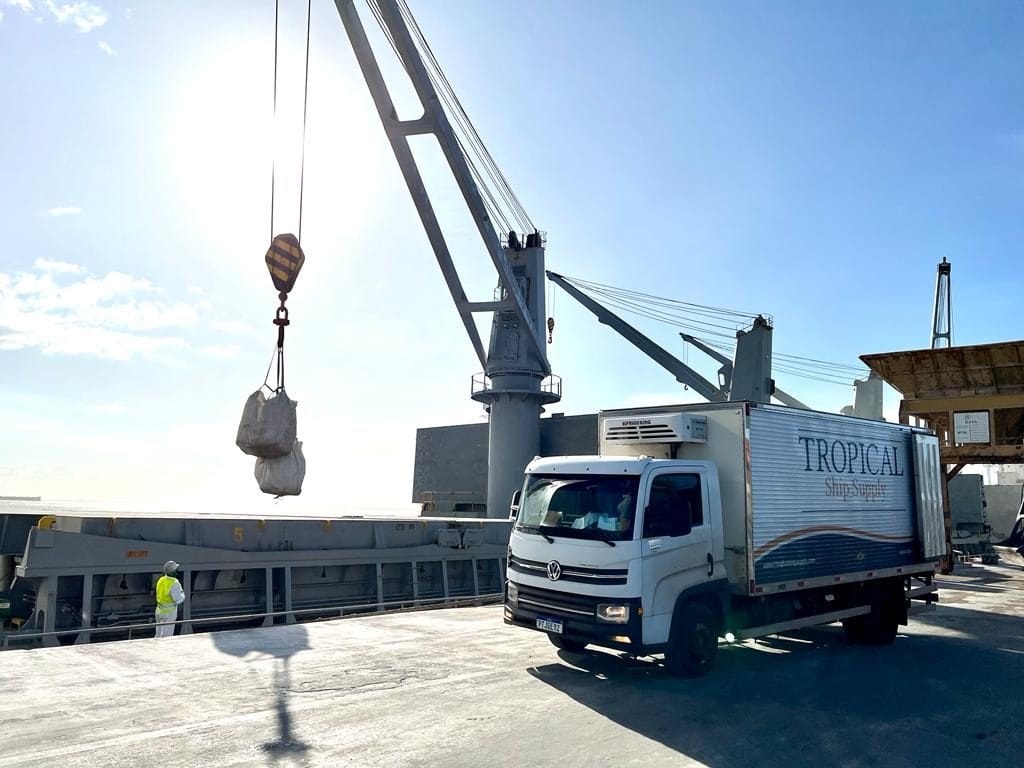
With each call, we at Tropical Ship Supply deliver provisions that reflect these updated standards, ensuring each vessel’s storage aligns with the very latest safety and operational demands. Our team’s expertise and readiness streamline these changes for our clients.
Storage and tanks: redesigning for the future
Ships must reconsider their tank setups as they begin using these alternatives. Biofuels can use adapted tanks, but strict cleaning and monitoring are needed to avoid contamination. Methanol tanks need non-corrosive linings and vapor recovery systems. Ammonia requires even more robust, refrigerated, and pressurized storage ― and that affects not just installation but continuous supply logistics.
- Biofuels: Compatible with existing infrastructure after thorough cleaning. However, long-term storage can foster microbial growth, impacting quality. Frequent monitoring is key.
- Methanol: Needs stainless steel or lined tanks, vapor detectors, and blast-proof barriers. Routine inspections are necessary for leak detection and air quality.
- Ammonia: Stored under pressure or at low temperatures, with elaborate safety and detection equipment mandatory. Supply teams must be trained for hazardous handling at each port.
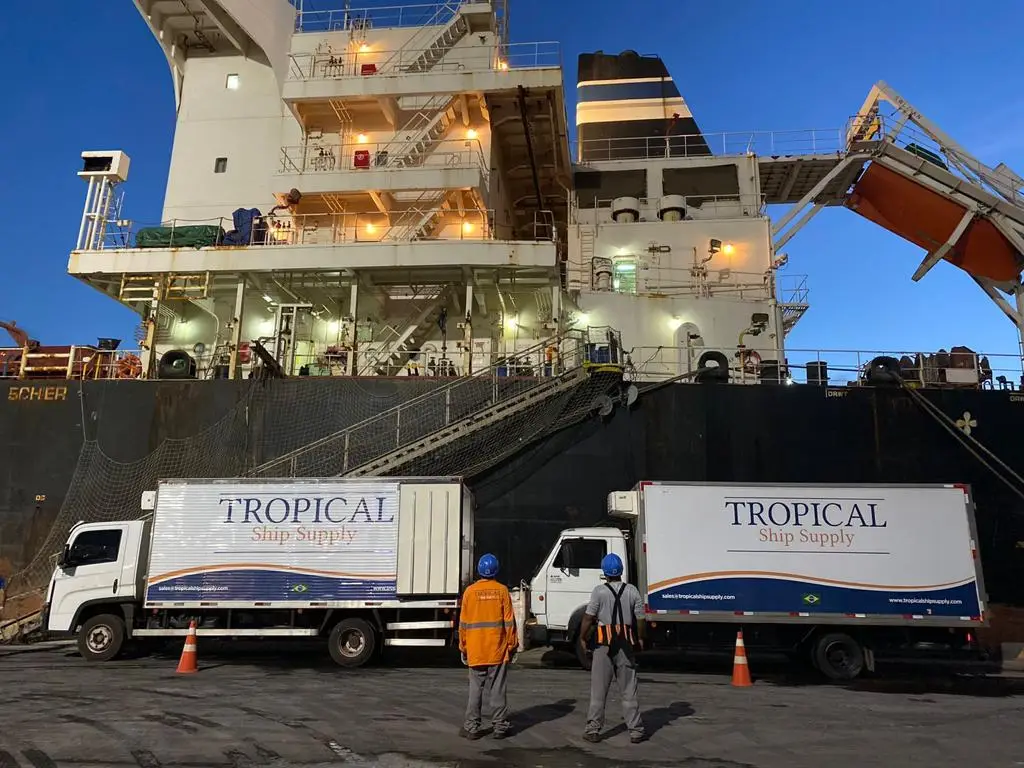
We’ve adapted our own logistics to reflect this reality, bringing specialized tank-care products, safety gear, and cleaning solutions to the Brazilian coast. By supporting clients through these transitions, we redefine what it means to be a partner in maritime supply.
Routine changes: safety, transparency, and training
Fuel transitions also mean new routines. At every level — from ordering to delivery, and from on-deck storage to fuel transfer — safety is the top priority.
- Safety drills and crew training: Regular training is now mandatory, focusing on new risks and emergency actions associated with methanol and ammonia. In our experience, new fuel qualities demand retraining, mock drills, and transparent procedures.
- Documentation and reporting: Every transfer, every tank cleaning, and every incident must now be documented in detail, supporting transparency and regulatory compliance.
- Environmental monitoring: Enhanced routines include regular emissions checks, spillage protocols, and waste management. As we introduced solar energy, we found that integrated sustainability is achievable at every touchpoint.
Routines aren’t just paperwork — they are peace of mind for crews and the environment.
How Tropical Ship Supply Ltd. is leading with flexibility
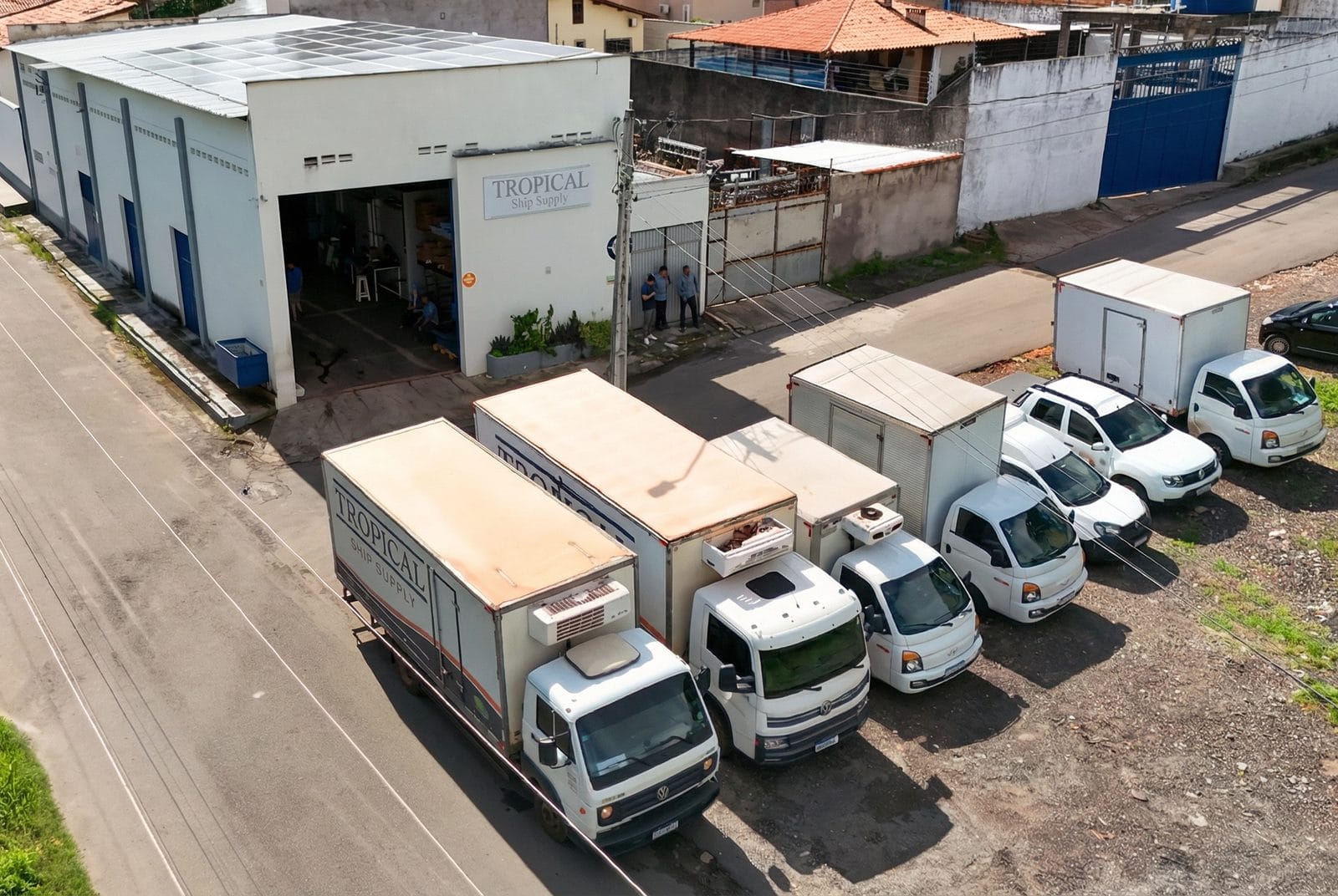
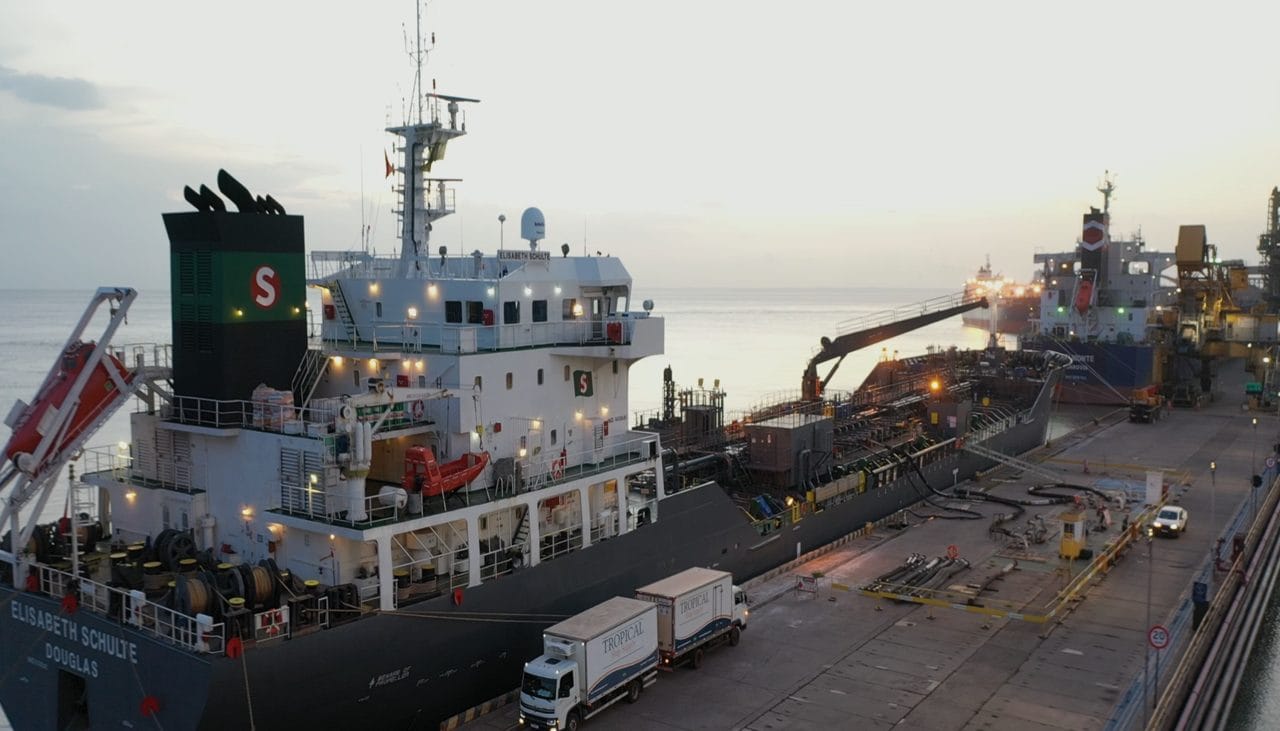
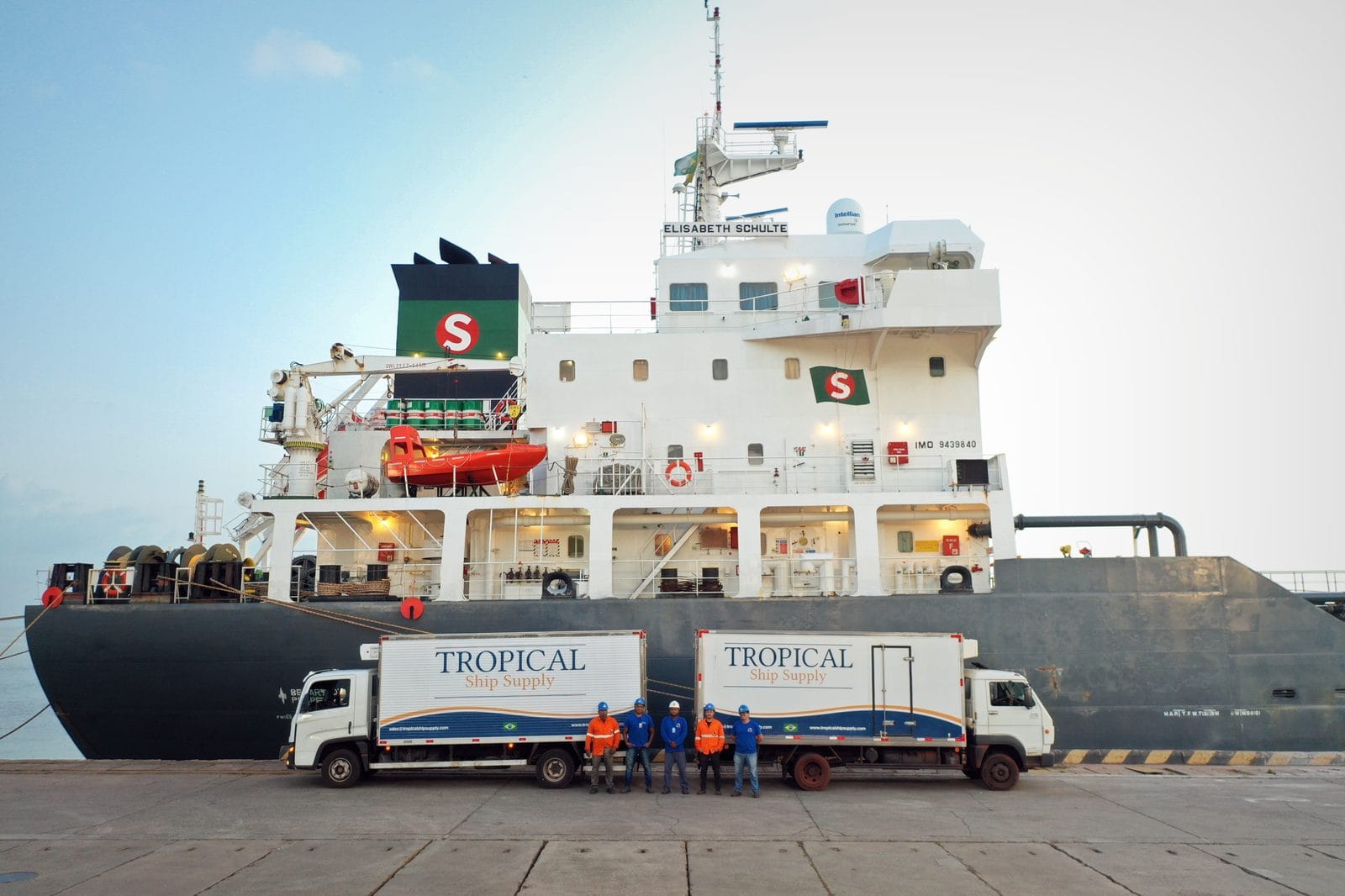
Serving major ports across Brazil, our operational strength lies in our ability to respond to these changes with agility and expertise. We work closely with shipping lines, agents, and crews to tailor every delivery. Our approach to provisioning, documentation, and sustainability directly reflects the IMO’s stricter goals for shipping (IMO greenhouse gas reduction targets).
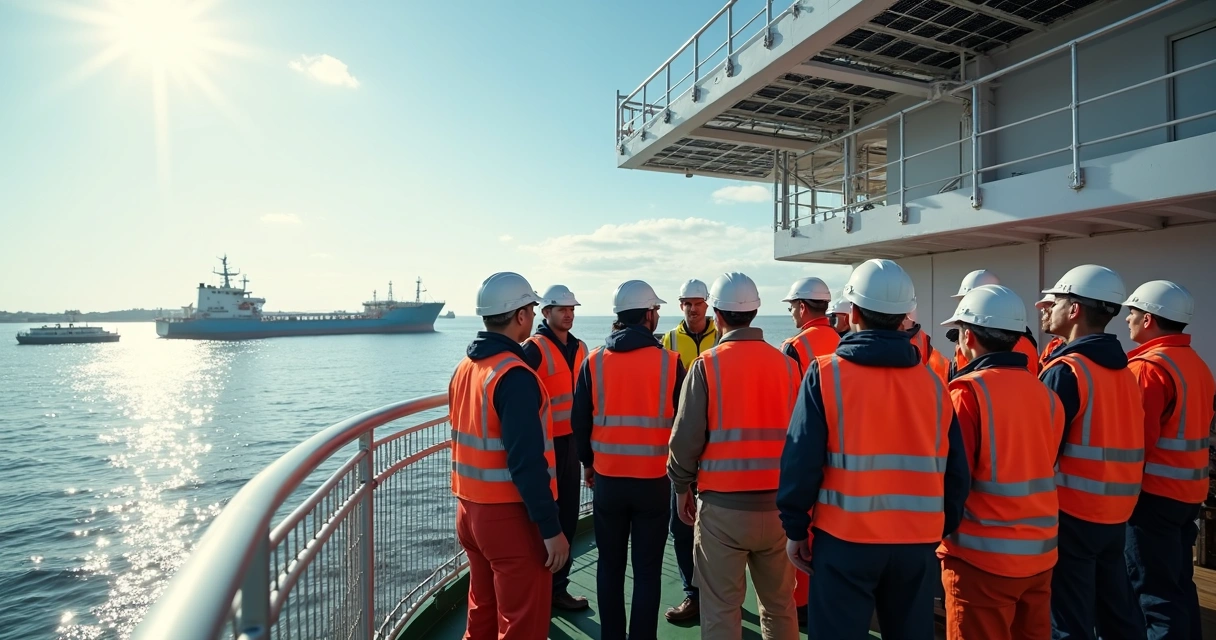 We’re not just adapting — we’re helping to set the pace for smarter, greener maritime supply. Our clients already enjoy the benefits of a cleaner logistics chain, backed by reliable supply and hands-on local support. For more on Brazil’s journey toward maritime decarbonization, see our analysis on navigating Brazil’s maritime decarbonization dilemma.
Conclusion
At Tropical Ship Supply Ltd., we take pride in supporting ship operators as they face the transition to alternative fuels. Every adjustment, from provision management to new storage routines, brings us closer to a shipping industry that’s both modern and sustainable. Our experienced team stands ready to keep every vessel supplied, safe, and compliant across Brazil’s ports. If your operations need a partner who understands the details of these new demands, we encourage you to reach out, experience our quality, and join us on this journey towards a greener maritime future.
Looking to reduce costs without sacrificing reliability during calls in Brazil?Tropical Ship Supply supports vessels with on-time delivery, consistent quality, and local assistance across key ports in the North and Northeast.Contact our team and request a quote:Quotation@tropicalshipsupply.com+55 98 98347-0908 (24/7) WhatsApp
Frequently asked questions
What are alternative maritime fuels?
Alternative maritime fuels are energy sources used to power vessels while reducing greenhouse gas emissions. These include biofuels derived from biological sources, methanol produced from renewable or natural gas sources, and ammonia synthesized typically from hydrogen and nitrogen. Each has distinct properties, with varying implications for safety, environmental impact, and ship operations. The IMO’s environmental goals are driving widespread adoption of these fuels to cut emissions from international shipping by at least half by 2050 compared to 2008.
How does ammonia affect storage routines?
Ammonia requires tanks that are pressurized or refrigerated for safe storage due to its toxicity and corrosiveness. Handling demands robust safety measures, emergency readiness, and specialized detection and ventilation systems. Ship crews need specific training to manage routine operations and potential incidents, shifting regular routines toward high safety scrutiny when ammonia is on board.
Are biofuels safe for marine engines?
Yes, biofuels can be safe for marine engines if correctly sourced and handled. Most modern marine engines require few modifications for low concentrations of biofuel blends, but higher concentrations may need filter adjustments and more frequent checks to prevent microbial growth and maintain fuel quality. Working with trusted suppliers ensures safety and smooth integration into existing operations.
Is methanol cost-effective for ships?
Methanol holds potential for cost effectiveness, especially as renewable production scales up. However, its energy density is lower than traditional fuels, so ships may require larger tanks or more frequent bunkering, impacting operational costs. Safety upgrades to storage and handling routines are also a consideration. Overall, it presents a balance between cleaner emissions and the initial investment needed to adapt ship systems.
How do these fuels impact consumables?
New fuels like biofuels, methanol, and ammonia often require changes in consumables such as lubricants, cleaning agents, and safety gear. Specialized engine oils, anti-microbial additives, and additional protection kits for personnel may be vital. Supply routines evolve to accommodate these differences, ensuring compatibility, safety, and preservation of operational standards on board.
For the latest trends and insights in maritime supply and energy transitions, keep up with our maritime news and the impact of Brazil’s development in offshore wind and green hydrogen.