
Maritime transport is facing new waves of change. The FuelEU Maritime regulation, starting January 2025, is setting fresh standards for fuel use on board commercial vessels. At Tropical Ship Supply Ltd., we see these regulatory shifts as not only a challenge, but also a unique opportunity for shipping companies and suppliers across Brazil and beyond.
Understanding FuelEU Maritime: A new paradigm
FuelEU Maritime is an EU regulation that targets a progressive reduction in greenhouse gas (GHG) intensity from shipboard energy, pushing for cleaner, more sustainable maritime transport. The goal is ambitious—by 2050, ships must achieve an 80% reduction in GHG intensity, compared with a 2020 reference value of 91.16 gCO₂eq/MJ. The first step, already on the horizon, is a 2% reduction by 2025. These targets drive significant transformation in the way fuel and energy are managed on board vessels, with a strong watch on practical results rather than just theory.For more regulatory specifics, we always direct clients to the foundational EU policies and in-depth sector sources like the Clean Hydrogen Observatory and details about decarbonising maritime transport.
Reducing ships’ climate impact is becoming a worldwide commitment.
Who is affected and when does it apply?
As industry specialists, we know the regulation covers more than just the EU. FuelEU Maritime applies to all commercial ships above 5,000 gross tonnage (GT) using EU ports. This includes 100% of the energy consumed during voyages between EU ports and 50% of the energy used for journeys between the EU and other countries.
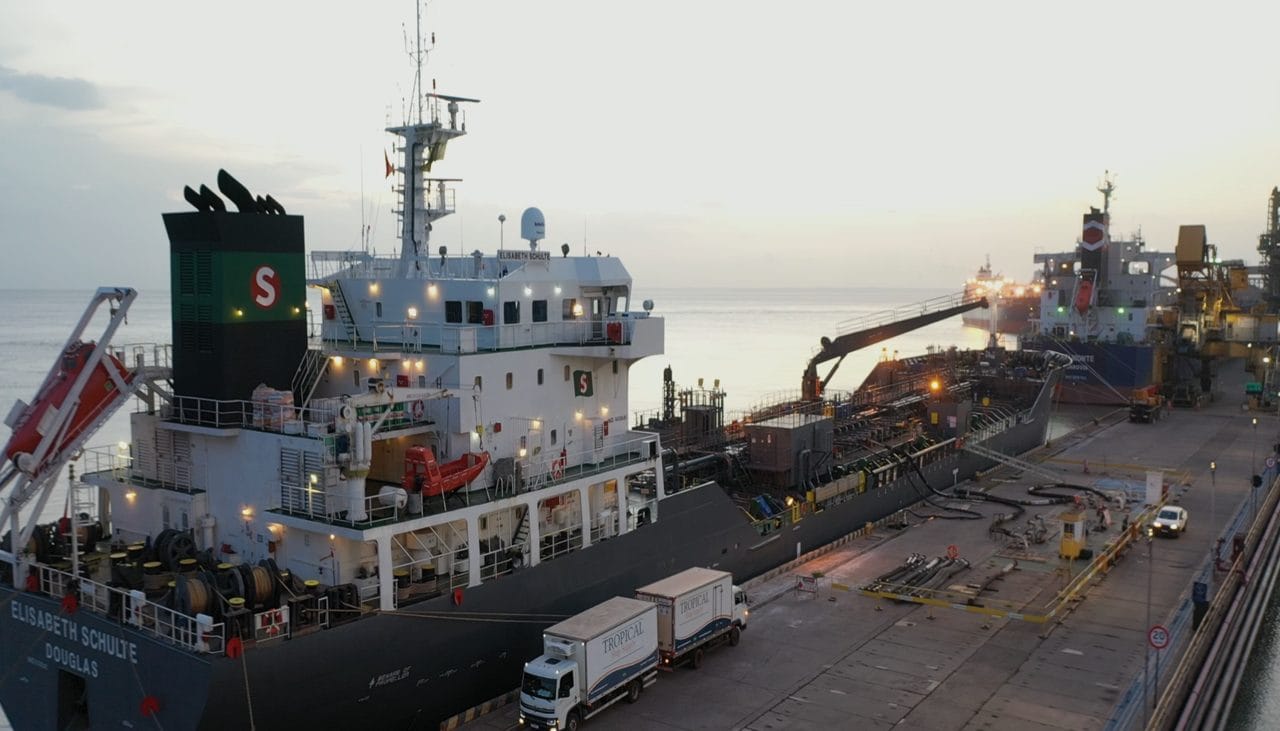
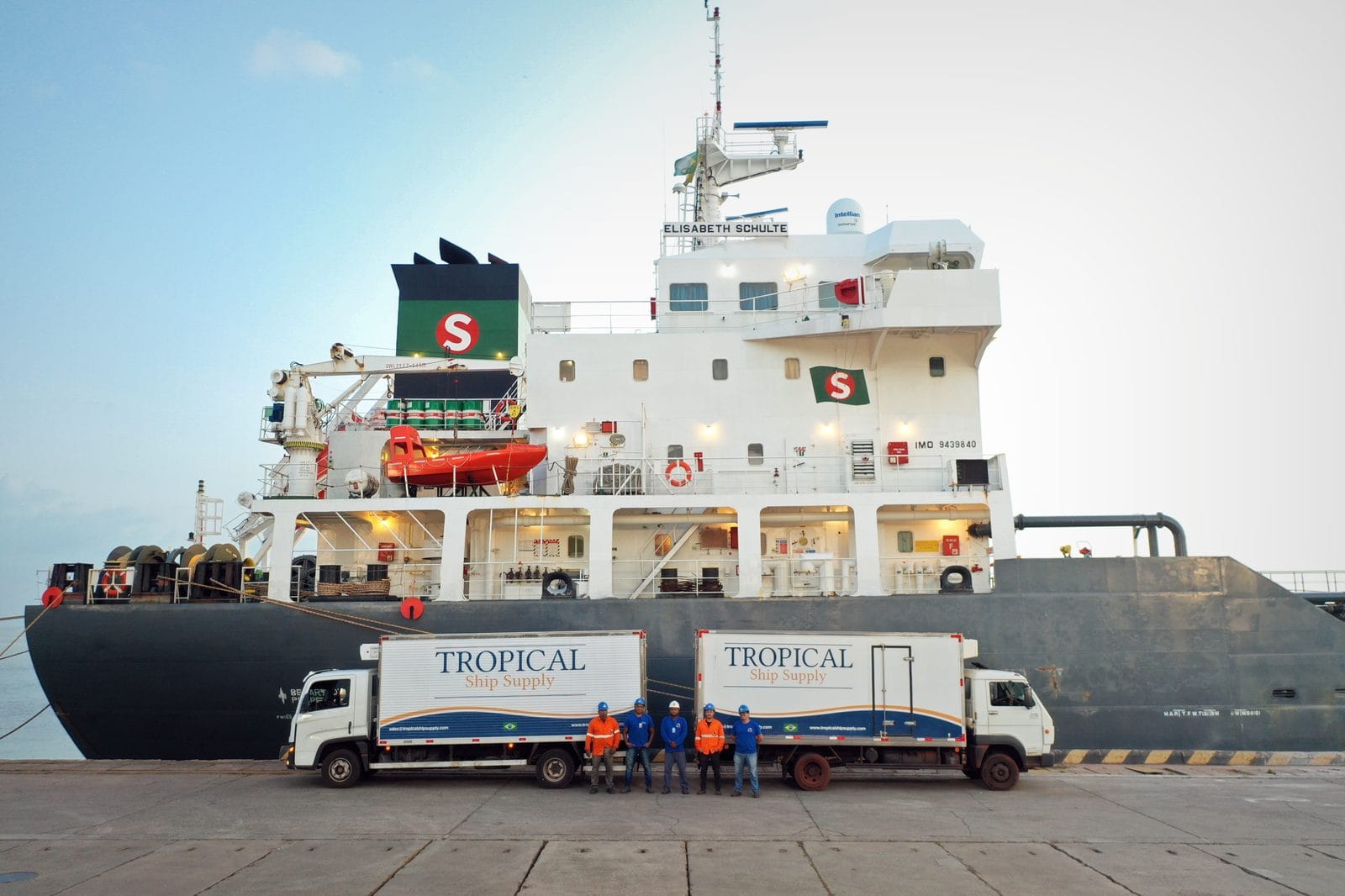
That means vessels regularly calling at Brazilian ports and trading with Europe are directly impacted—even more so for shipowners, fleet managers, and agents wanting to maintain competitiveness on international routes. For those making stops in regions we serve, such as Northern and Northeastern Brazilian ports, we’re already focused on helping transition to compliant operations. Our team at Tropical Ship Supply remains proactive about informing clients about when and how the rules will impact their next calls.
Targets and timelines
The pathway to 2050 is laid out step by step:
- 2025: 2% GHG intensity reduction
- 2030: 6% GHG intensity reduction
- 2040: 31% GHG intensity reduction
- 2050: 80% GHG intensity reduction
All based on a 2020 baseline. Progress will be measured through fuel and energy monitoring, reporting, and verification systems. Vessels unable to demonstrate compliance will face financial penalties and potential restrictions on operating in EU waters.
 How FuelEU Maritime affects fuel and energy on ships
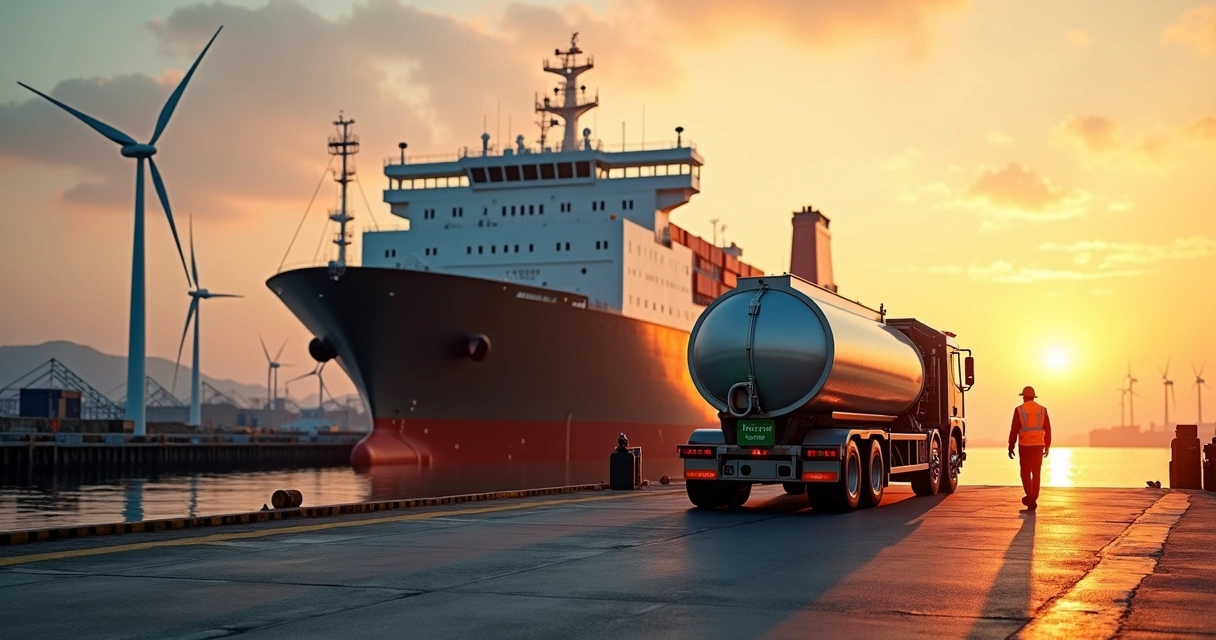 How FuelEU Maritime affects fuel and energy on ships
At the operational level, the most visible change is the type of fuel being supplied and consumed. Shipowners must rethink procurement choices: it’s no longer just cost and reliability, but the GHG intensity of all energy used that matters. We’ve observed, in daily operations at Tropical Ship Supply, a growing demand for compliant fuels, better monitoring solutions, and advice on supply chain sustainability across Brazilian ports.
- Bunkering practices: More requests for low-sulphur, biofuel blends, and other alternative fuels.
- Energy management: Efficient usage tracking, documentation, and certification.
- Supplies and services: Adapting to the need for cleaner lubricants, maintenance routines, and waste reduction packaging.
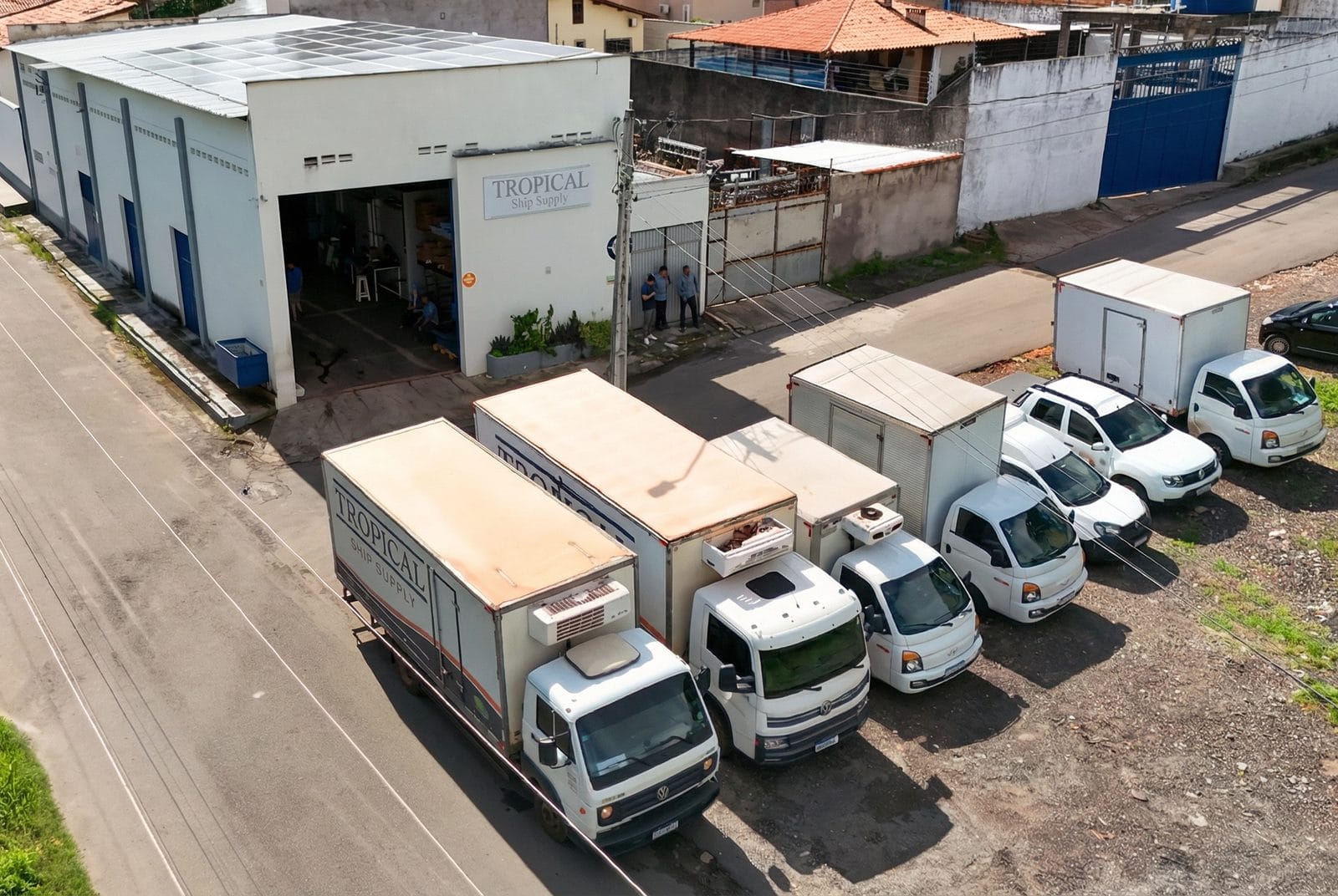
The regulation demands a full rethinking of energy chains—from what is supplied, how it is delivered, to how consumption is verified. As a supplier, we invest in staff training and green technologies, from energy-efficient logistics at our port bases to solar-powered warehousing, as part of our sustainability policy.
 Practical implications for ship suppliers and operators
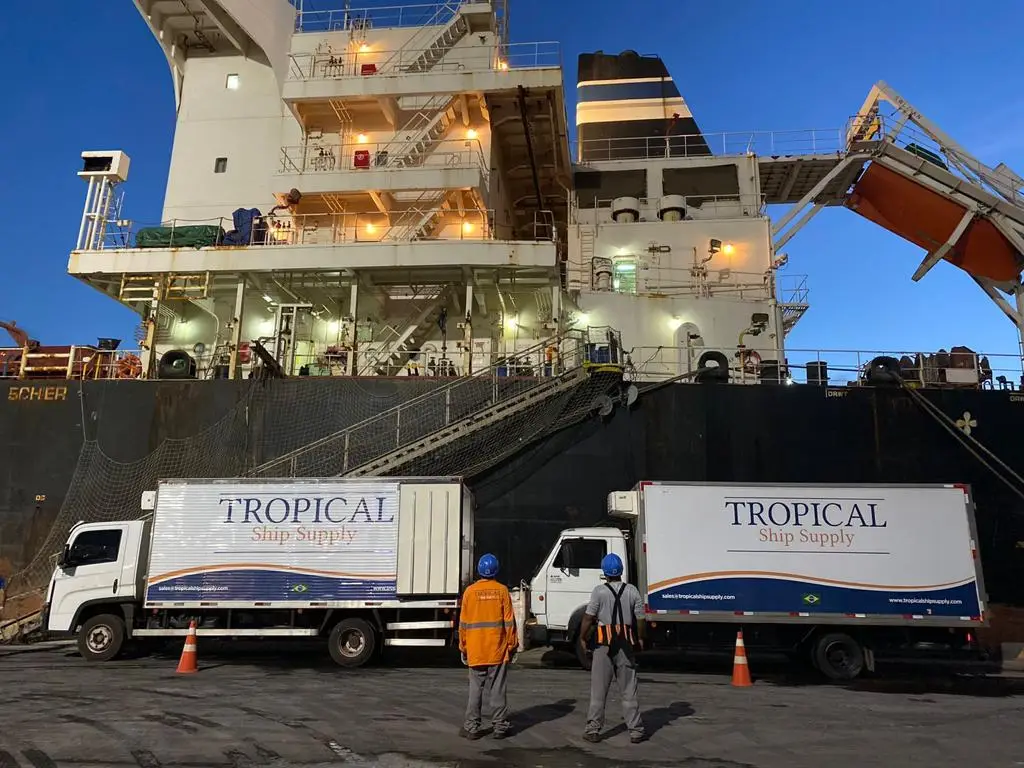 Practical implications for ship suppliers and operators
From our vantage as a Brazilian ship supplier, the shift under FuelEU Maritime translates into several concrete actions:
- Regularly updating our portfolio to ensure provision of compliant products
- Training the team for up-to-date documentation, to support clients in audits
- Collaborating with ship managers to optimize supply lines for new fuel types
- Investing in renewable energy and sustainable packaging at service bases
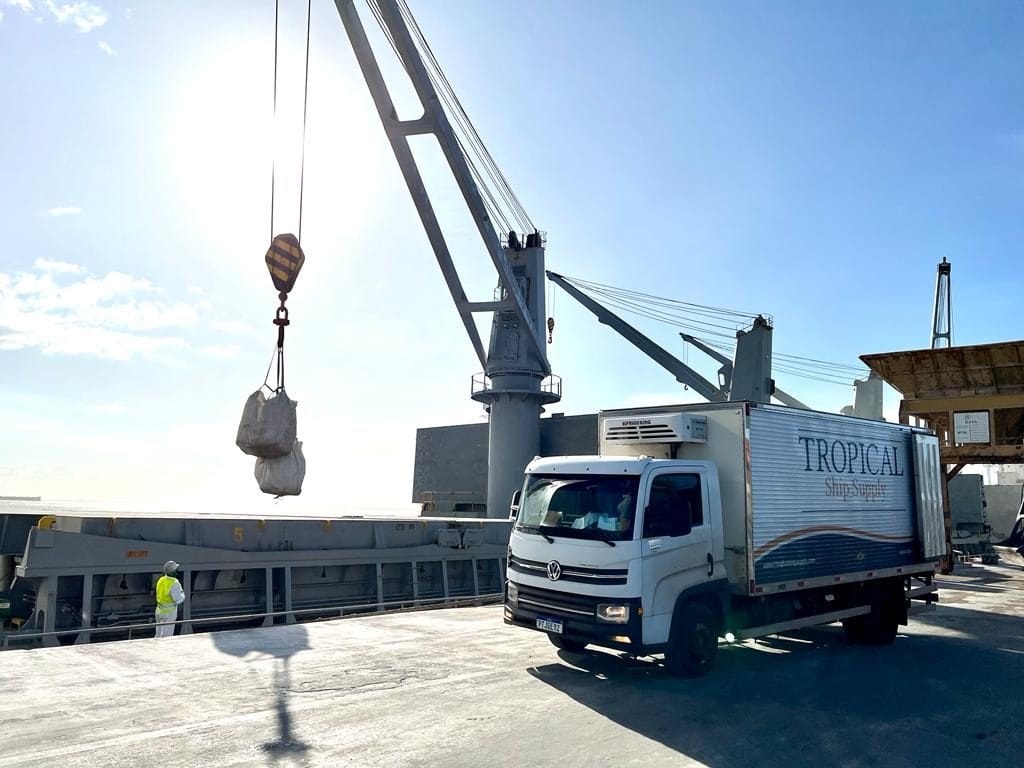
- Maintaining high reliability and rapid response across all covered ports
Our experience in the sector, particularly in North and Northeast Brazil, tells us clients appreciate a hands-on approach to regulatory change. We share stories, discuss practical hurdles, and together explore fuel supply adaptation. The journey is not just about meeting the target, but about making the process smooth for every vessel supported.
Challenges and opportunities as we look ahead
We strongly believe the FuelEU Maritime regulation will increasingly dictate the ship supply landscape in the coming years. Some of the obstacles we help clients tackle every day are:
- Clarifying which fuels or blends are definitely compliant and locally available
- Coordinating documentation for both EU and non-EU voyages
- Managing transition costs for shipowners, while keeping efficiency and budget in mind
And yet, we see clear opportunities. For example, supporting clients in the shift to renewables is not just a regulatory obligation, but a differentiator for companies focused on environmental reputation and future-proof operations. Our own sustainability initiatives—from solar energy in logistics centers to eco-friendly packaging—become part of the value chain, as seen in our recent projects and news updates from Brazil’s maritime sector available through our maritime blog news and maritime news.
Why choose local expertise for global compliance?
 Why choose local expertise for global compliance?
Our coverage of every key port in Brazil and our proven track record bring advantages to any shipowner trading under FuelEU Maritime rules. As new requirements roll out and enforcement tightens, reliable partners are needed for:
- Immediate supply of compliant products at any hour
- Local presence to handle paperwork and port formalities
- Guidance on trends and regulatory shifts affecting upcoming routes and cargo types
Following the evolution of green shipping, at Tropical Ship Supply we always encourage our clients to stay informed through relevant updates, such as those on Brazil’s green hydrogen and wind energy projects in the context of the shipping industry. More details can be found in insights on sustainable energy transition in Brazil.
Final thoughts: Ready for the next port of call?
At Tropical Ship Supply Ltd., we do more than just deliver products—we support clients through every change and requirement maritime regulators present. From guided compliance in port logistics to continuous investment in greener operations, our mission is to help your fleet run smoother, cleaner, and always on time. For a more in-depth look at how we approach decarbonization, explore our perspective on maritime decarbonization challenges.
Are you looking to prepare your fleet for FuelEU Maritime? Let’s start a conversation—reach out to know how we can make your transitions easier and help your vessels stay ahead of the upcoming regulations. We stand ready at every port, ensuring compliance and quality for every call.
Frequently Asked Questions
What is FuelEU Maritime regulation?
FuelEU Maritime is a European Union regulation designed to reduce the greenhouse gas intensity of energy used onboard ships, starting in January 2025 with gradual targets up to 2050. The goal is to cut emissions by progressively tightening rules, affecting the fuel and energy mix allowed for international commercial shipping operating from, to, and within the EU. More can be found at the Clean Hydrogen Observatory.
When does FuelEU Maritime apply?
The regulation takes effect on January 1, 2025. It applies to all commercial vessels above 5,000 gross tonnage when calling at EU ports, covering energy used on 100% of intra-EU voyages and 50% of voyages between the EU and non-EU ports. Check the EU Commission guidelines for up-to-date coverage.
How does it affect ship fuel?
The regulation requires the use of fuels with lower GHG intensity, increasing demand for alternatives to traditional marine fuels. Shipping companies must track, report, and reduce their carbon footprint, steering procurement and operational decisions towards decarbonising energy use onboard.
What ships must follow FuelEU rules?
All commercial vessels over 5,000 GT that call at ports within the European Union are covered, regardless of flag or ownership. Ships operating strictly between non-EU nations are not subject to the same GHG reduction targets, but those engaged in EU trade are fully included.
Are alternative fuels required for compliance?
Alternative fuels such as biofuels, LNG, hydrogen-derived fuels, and other renewables can be chosen to achieve the GHG intensity targets. The regulation does not mandate a specific fuel type, but it does require meeting the numerical targets for carbon emissions per unit of energy used on board.