At TROPICAL SHIP SUPPLY LTD., our presence in the heart of Brazil’s ports has shown us that modern shipping faces not only environmental and logistical challenges, but new digital threats as well. The topic of cybersecurity on ships has never been more urgent. As we’ve witnessed operations grow more automated and networks on board become necessary for daily functions, the risks have grown right alongside. We believe every member of the maritime sector—crew, suppliers, agents, and partners—must understand these risks and adapt best practices for a safer operational environment.
The digital shift and shipboard risks
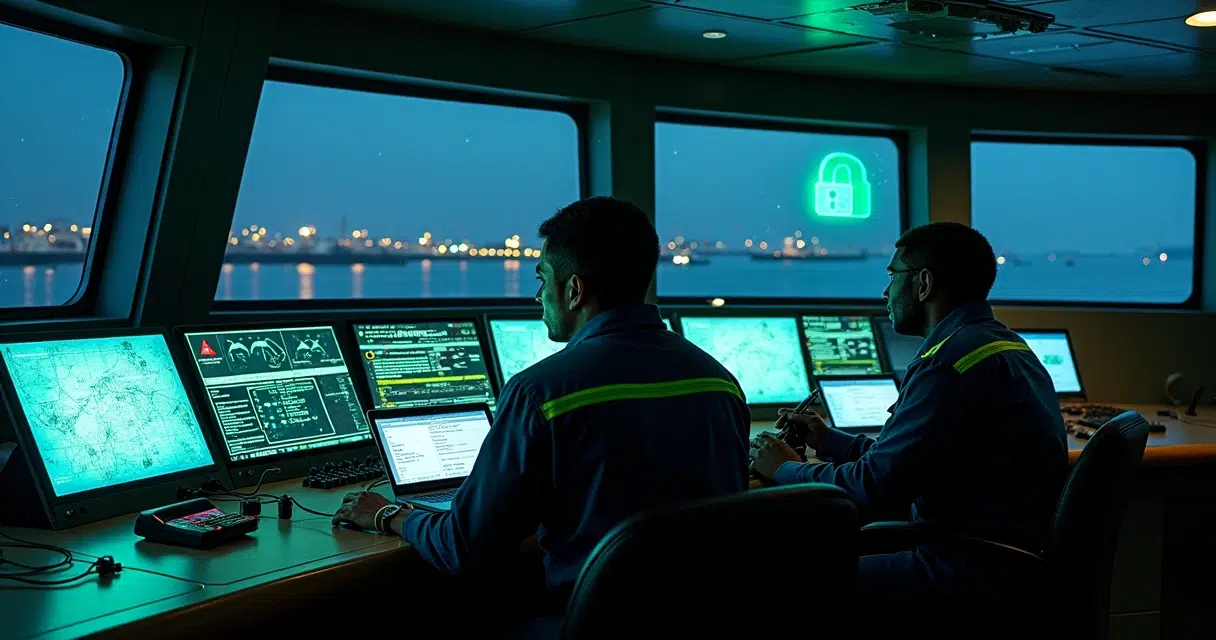
Ships today depend not only on cargo and crew, but also on the silent heartbeat of networks, servers, and digital systems. These systems manage everything from navigation to engine controls, provisioning, and communication with shore-based teams. This connectivity brings many benefits, but it also creates many points of vulnerability that attackers can exploit. A single weak link—an outdated navigation chart, an unsecured email, an untrained crew member—can become a gateway to significant—and sometimes disastrous—incidents.
Cyber incidents onboard do not just damage data. They can endanger safety, disrupt schedules, and even compromise the environment. In our day-to-day at TROPICAL SHIP SUPPLY LTD., serving ships in Brazil’s busiest ports, we make digital safety a non-negotiable priority.
 Common cyber risks faced by ships
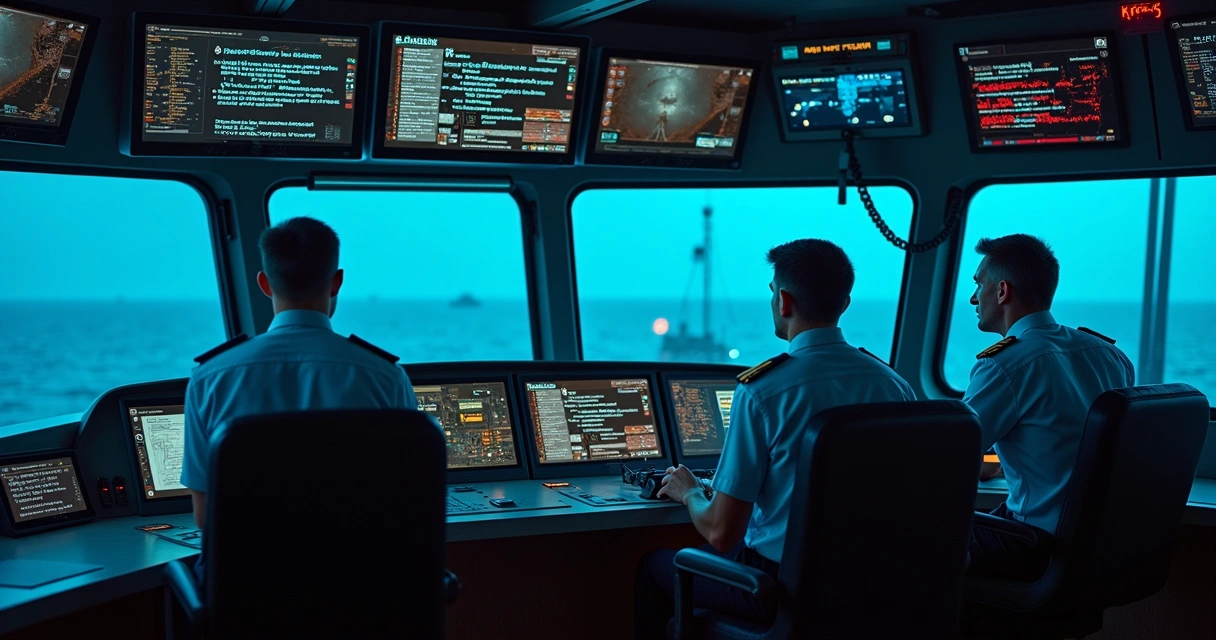 Common cyber risks faced by ships
Through years of assisting international and national fleets, we have identified a few recurring cyber risks that ships and their teams routinely face:
- Phishing Attacks: Malicious emails trick crew or suppliers into revealing sensitive data or installing malware.
- Ransomware: Cybercriminals lock vital systems or data and demand payment for their release.
- Unsecured Wireless Networks: Poorly protected Wi-Fi can allow unauthorized access to ship systems.
- Infected Devices: USB drives or laptops brought aboard can introduce malware.
- Supply Chain Attacks: Threats that enter through vendors or partners who connect to onboard systems.
- Poor Password Practices: Simple or repeated passwords are easily cracked by attackers.
- Lack of Software Updates: Outdated programs and operating systems provide many ways in.
We see these risks not as distant possibilities, but as daily realities that require active defense. When provisioning for vessels, as we do across Brazil, we ensure our interactions—be it documents, emails, or digital connections—are secured and verified.
Best practices for the crew: Awareness is protection
Our experience tells us that cybersecurity starts with people, not machines. Crew members are a ship’s first and most important line of defense. Here are the main practices we encourage and help reinforce among the teams we supply:
- Comprehensive cyber training: Regular, scenario-based training helps crew recognize deceitful links, social engineering tactics, and the signs of security compromise.
- Access control and need-to-know policies: Only those who require access to certain digital systems get it. All others are locked out—a simple, strong barrier.
- Strong passwords and authentication: Complex, unique passwords, changed frequently, backed up by multi-factor authentication where possible.
- Device management: Portable storage devices and personal electronics are rigorously checked and kept up to date before connecting to ship networks.
- Reporting suspicious activity: Every crew member is empowered and instructed to report anything unusual to a supervisor or the IT team.
This approach creates a culture of vigilance. We have seen firsthand that clear communication—even quick reminders during supply drop-offs or at shift change—can make all the difference.
Suppliers and the cybersecurity chain
As a leading ship chandler, we understand the responsibility that suppliers have in maintaining the cybersecurity perimeter. Our own policies at TROPICAL SHIP SUPPLY LTD. include:
- Securing all documentation digitally using encryption and secure sharing platforms.
- Never introducing unknown devices to a vessel’s environment without thorough scanning.
- Maintaining up-to-date records of every electronic interaction and delivery.
- Auditing our own networks and assets, especially those that interface with clients.
- Regularly retraining our teams in the newest security standards and emerging threats.
Through these measures, we reduce risk—not just for ourselves, but for everyone who relies on us at sea and at port. The safety chain is only as strong as its weakest link, and every partner must play their part.
 Industry guidance and global standards
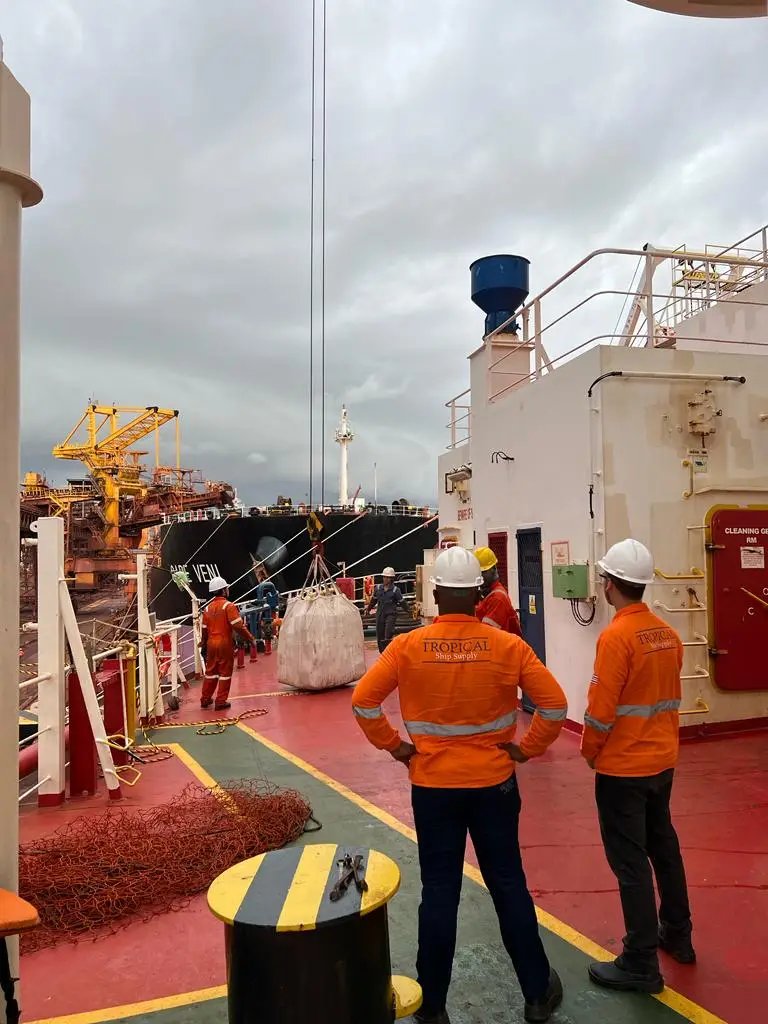 Industry guidance and global standards
We pay close attention to global standards, like those set by the International Maritime Organization (IMO). Their recent mandates require an assessment of cyber risk as part of a ship’s Safety Management System. That means shipowners, managers, crew, and partners such as our company must evaluate cyber threats as routinely as they would inspect lifeboats or fire alarms.
Those who prepare will operate safer, more reliably, and with greater peace of mind. Ships, their suppliers, and all maritime stakeholders must view cybersecurity as an inseparable aspect of maritime operation—just as we do at TROPICAL SHIP SUPPLY LTD.
If you want to follow maritime updates and new safety practices, our news section and blog are regularly updated with helpful insights and policy changes for the Brazilian and global maritime world.
The path forward: Continuous improvement
Our work never stands still—neither do the risks. Each day, new techniques and vulnerabilities appear, challenging the routines we built yesterday. That is why our procedures for handling provisions, bonded stocks, and technical supplies are always being refined. We support vessels not just by moving cargo or food, but by sharing information, reinforcing good habits, and supporting ship teams in embracing—or even demanding—cybersecurity as a shared responsibility.
Keeping the cyber perimeter strong is an ongoing task, built on trust, training, and disciplined procedures. It is a team effort from the dock to the ship’s bridge and beyond.
Conclusion
 Conclusion
We at TROPICAL SHIP SUPPLY LTD. believe that ships embracing robust digital safety protocols will be those best prepared for the future. Our ongoing commitment to both operational excellence and cybersecurity is not just about following the rules; it is about delivering true peace of mind to every client we serve.
If your vessel, management company, or supply team is seeking safer and more reliable operations in Brazil’s major ports, start your journey with us. Reduce risks, maintain your schedules, and invest in safety—both physical and digital. Contact our crew for a secure, efficient, and forward-looking supply partnership.
For more information about our sustainable practices and port coverage, visit our insights on Brazil ship supplier operations, read about environmental leadership in Brazil’s ports, or follow recent port innovations at Itaqui public port.
Frequently asked questions
What are common cyber risks on ships?
Ships face cyber risks like phishing, ransomware, exposed Wi-Fi networks, malware on USB drives, supply chain attacks via suppliers, poor password practices, and outdated software. These issues can lead to operational failures, data loss, or even accidents.
How to train crew for cybersecurity?
Crew should undergo regular cybersecurity training, learning how to spot suspicious emails, use strong authentication, limit device usage, and promptly report any irregularities. Training must be practical, up to date, and tailored to ship-specific systems.
What best practices prevent cyber attacks?
Best practices include enforcing strong passwords, updating software, limiting system access, scanning all new devices before they connect, using encrypted communication, and conducting routine audits and drills to reinforce awareness and readiness.
How can suppliers improve ship cybersecurity?
Suppliers can protect ships by using secure digital processes, never introducing unverified hardware onboard, retraining their staff, and keeping their systems compliant with modern security protocols. Every supplier should view themselves as part of the ship’s extended defense.
Is ship cybersecurity required by law?
Yes. The International Maritime Organization now requires cyber risk to be addressed under a ship’s Safety Management System. Compliance isn’t just recommended—it’s part of international regulatory expectations.
Looking to reduce costs without sacrificing reliability during calls in Brazil? Tropical Ship Supply supports vessels with on-time delivery, consistent quality, and local assistance across key ports in the North and Northeast.Contact our team and request a quote:Quotation@tropicalshipsupply.com+55 98 98347-0908 (24/7) WhatsApp