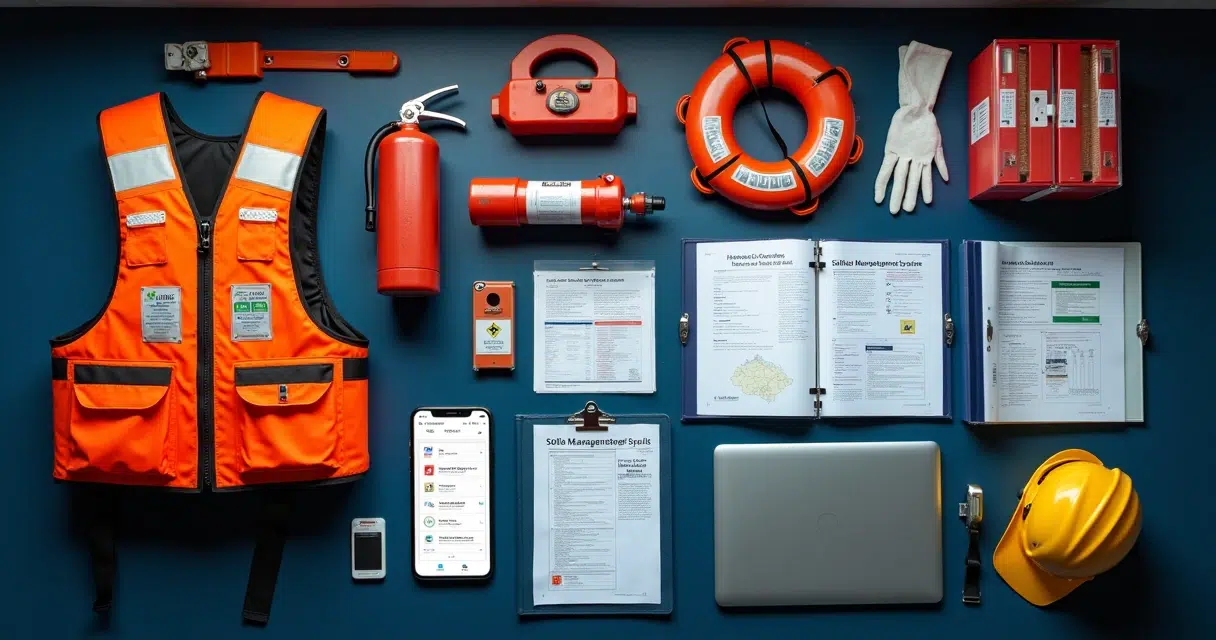
Safety on board is not simply a regulation that we follow—it defines how we deliver value for our clients at Tropical Ship Supply Ltd. Marine operations face frequent inspections, and being unprepared can result in costly delays or even detentions. We’ve seen throughout many calls in Brazilian ports that the way a vessel handles Safety and SOLAS requirements is what sets apart smooth operations from stressful surprises.
Understanding SOLAS and its impact on operations
SOLAS stands for “Safety of Life at Sea,” representing one of the world’s most rigorous international maritime conventions. Its standards cover everything from fire-fighting systems and lifesaving appliances to navigation equipment and vessel organization. Every year, port state inspections in Brazil and worldwide highlight a familiar set of issues and items. We learned that anticipating what inspectors look for is the key to keeping vessels compliant and operational.
A recent inspection report by AMSA in 2023 shows that life-saving appliances, safety management systems, and fire safety are consistently the top cited issues. In our experience serving Brazilian ports, these findings echo what we see daily on the docks and ship decks.
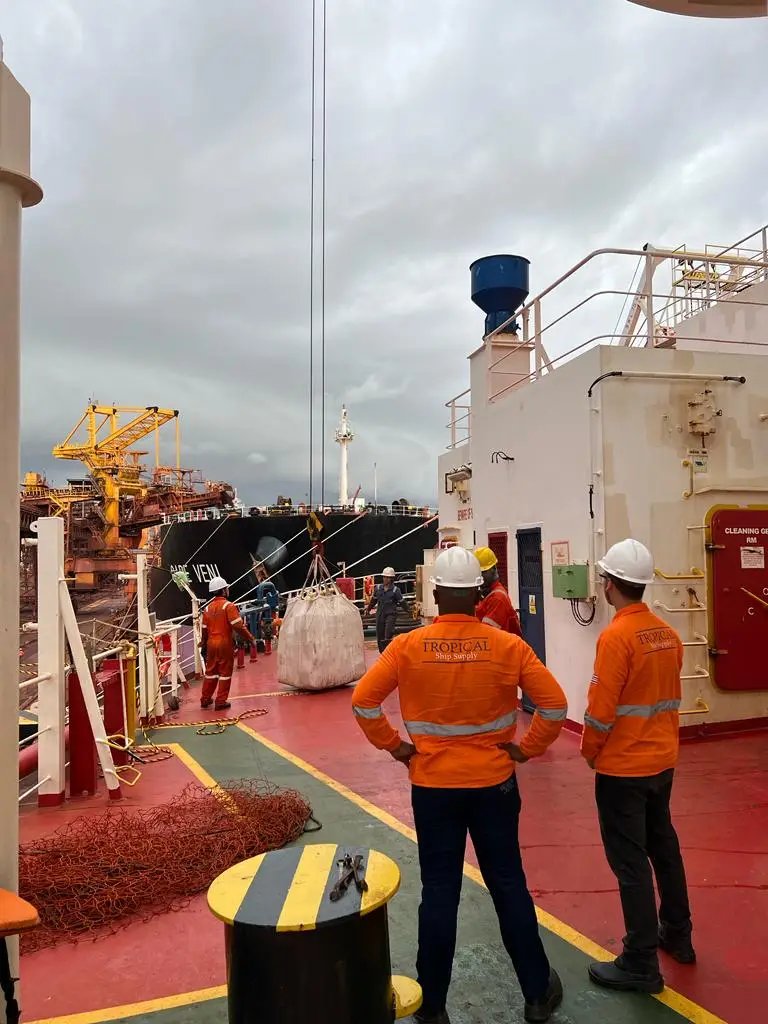 With decades of direct service, we built an approach at Tropical Ship Supply that makes compliance achievable, not stressful. Our reputation stems from a practical understanding of shipboard needs and a commitment to anticipation, quick response, and quality materials.
What inspectors ask for most: a closer look at key SOLAS items
From São Luís to Vitória, the checklist for SOLAS compliance appears daunting, but it revolves around a manageable set of core items. The top items frequently requested or inspected include:
- Life jackets and immersion suits, with proper certification and visible stowage
- Lifeboat provisions: oars, pyrotechnics, emergency rations, and first aid kits
- Fire extinguishers (serviced and with up-to-date tags), as well as fire hoses and hydrants
- Escape route signage, lighting, and emergency instructions (including those in Portuguese for Brazilian ports)
- Fire detection and alarm systems in working order
- BA sets and gas detectors
- Up-to-date navigation charts and publications
- Medical supplies compliant with flag and port requirements
- Safety Data Sheets (SDS) for chemicals and dangerous goods
The reason these items are so closely watched is clear: They have a direct link to the vessel’s readiness to handle real emergencies and to meet the international standards set by SOLAS.
How we help vessels stay inspection-ready in Brazil
At Tropical Ship Supply Ltd., we partner with vessel masters, technical superintendents, and ship managers to ensure that every vessel calling Brazilian ports can demonstrate SOLAS compliance with confidence. Our approach combines a responsive supply chain with real-time information—right when you need it most.
We organize our ship supply kits focusing on audit trends and inspection patterns. Our experience shows that last-minute non-conformities often arise from overlooked details, such as expired pyrotechnics, missing signage in local language, or outdated first aid packaging.
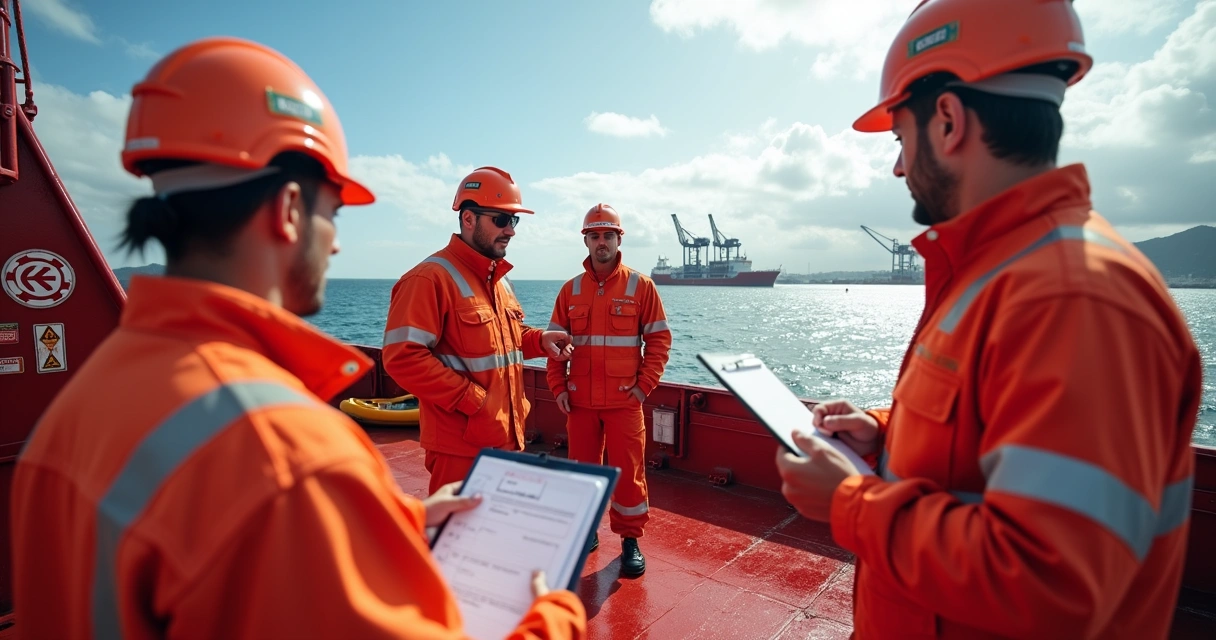 We have developed reliable procedures and documentation support, making compliance a habit and not a last-minute rush. The knowledge we share is built from attending vessels in all key Brazilian ports, including strategic gateways in the North and Northeastsee more on our services for Brazilian ports.
Guidelines for building a SOLAS compliance kit
Putting together a compliance kit isn’t just a matter of amassing supplies. It’s about matching supply with regulation.
- Start with a recent SOLAS checklist adapted for Brazilian requirements—this is the foundation.
- Review expiry dates for all consumables: pyrotechnics, rations, and medical items. Document each check in your logs.
- Verify every tag, stamp, and certificate is valid and accessible. We have seen several vessels detained only because documentation was missing, not the equipment itself.
- Prepare extra signage in Portuguese—inspectors appreciate thorough communication and correct local adaptation.
- Keep all equipment stowed in dedicated lockers, labeled, and free from obstruction.
Checklists and replenishment calendars are your best allies. We always provide updated logs and labels to our clients, which facilitates coordination with inspecting officers and saves precious time on turnaround.
Smart tips to pass inspections and avoid common pitfalls
No matter how prepared you feel, small oversights can cause unnecessary stress. Here’s what our experience in Brazilian ports has taught us:
- Train and brief the crew before inspection—everyone should know equipment location and basic function.
- Assign responsibilities: one crew member should oversee each section of the kit.
- Run mock inspections using our templates, focusing on the top items mentioned in recent inspection reports.
- Regularly review changes in regulation by following trusted maritime news sources such as the Maritime News section on our website.
Some teams maintain excellent hardware but overlook paperwork or language requirements. Others fixate on one aspect, like fire equipment, and neglect medical stores or signage. Balance across all SOLAS areas is the real mark of a well-prepared vessel.
Our commitment at Tropical Ship Supply Ltd.
We support crews beyond simple supply. Our solutions are crafted with a clear understanding of the regulatory and practical demands vessels face in Brazil. We integrate renewable energy and sustainability into our work[see more on our environmental initiatives in our company profile]—because we share responsibility for a safer and greener future every step of the way.
Our network and expertise guarantee quick delivery, timely updates, and peace of mind, no matter what port you call. The reliability of your safety kit is only as strong as your partnership with your supplier.
 Conclusion: Inspection success starts with preparation
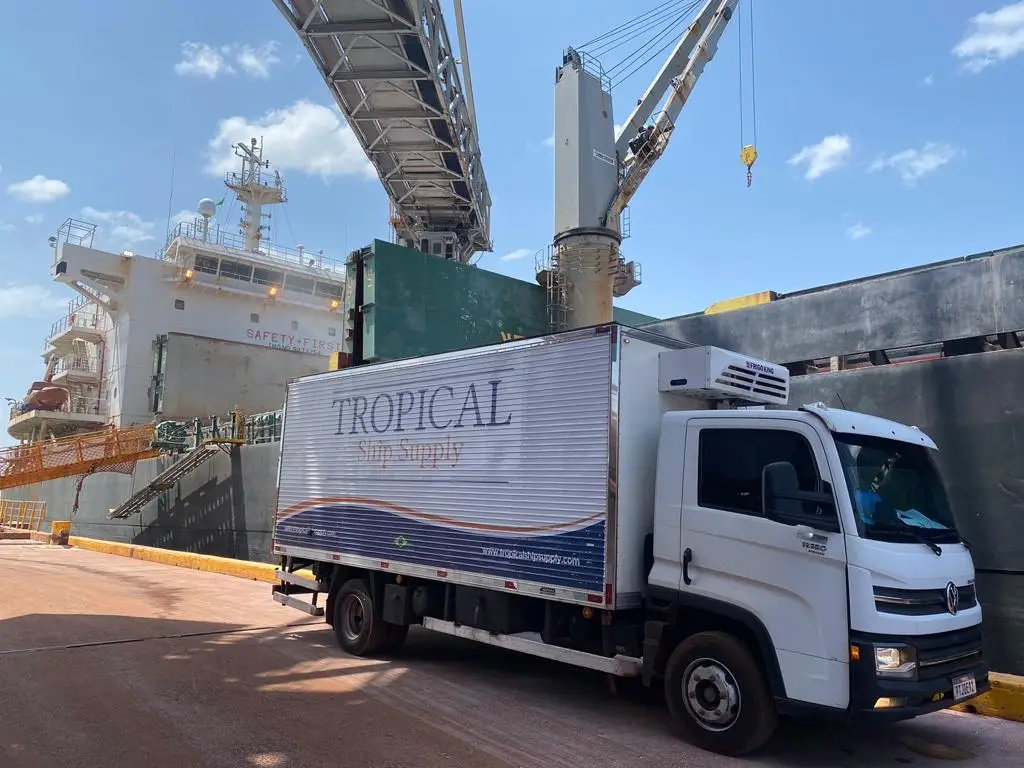 Conclusion: Inspection success starts with preparation
Compliance is not luck. It’s a habit.
We at Tropical Ship Supply Ltd. encourage all our partners to make compliance kits a living priority. This prevents surprises, supports crew safety, and keeps operations running without costly interruptions. Start your voyage on the right foot by letting us support your next call in Brazil. Contact our team for a personalized compliance kit and see how you can focus on navigation—while we focus on the details.
Looking to reduce costs without sacrificing reliability during calls in Brazil?Tropical Ship Supply supports vessels with on-time delivery, consistent quality, and local assistance across key ports in the North and Northeast.
Contact our team and request a quote:Quotation@tropicalshipsupply.com+55 98 98347-0908 (24/7) WhatsApp
Frequently asked questions
What is a SOLAS compliance kit?
A SOLAS compliance kit is a collection of onboard safety items, equipment, and documentation required by the Safety of Life at Sea (SOLAS) convention. The kit ensures that a vessel meets international safety standards for inspections and emergency situations. It typically includes life jackets, fire extinguishers, first aid supplies, updated navigation charts, and proper signage in local language, among others.
How to prepare for a safety inspection?
We recommend beginning with a detailed checklist based on the latest SOLAS regulations and port-specific requirements. Check expiry dates, update all documentation, and brief the crew on item locations and use. Mock inspections help spot weak spots before official visits. Keeping equipment labeled, accessible, and complemented with proper signage (especially in local languages) further streamlines the process.
What are the most requested SOLAS items?
During inspections, the most frequently requested items are life-saving appliances such as life jackets, immersion suits, functional lifeboats, fire extinguishers with updated tags, escape route signage, emergency lighting, and verified navigation charts. These items are prioritized due to their direct impact on onboard safety and compliance, as confirmed by leading inspection reports.
Where to buy SOLAS compliant equipment?
You can count on our experienced team at Tropical Ship Supply Ltd. to provide fully SOLAS-compliant equipment and guidance for Brazilian ports. We offer prompt delivery and the assurance that all products are certified for maritime use. By working with us, you benefit from decades of direct experience with local requirements, reducing the risk of compliance failures.
How often should safety kits be checked?
Best practices suggest checking SOLAS safety kits before every departure and at least monthly for ongoing compliance. Items with expiration dates should be tracked closely. We recommend implementing regular checklists and maintenance logs to catch any lapse early, ensuring the vessel is always ready for both inspections and emergencies.