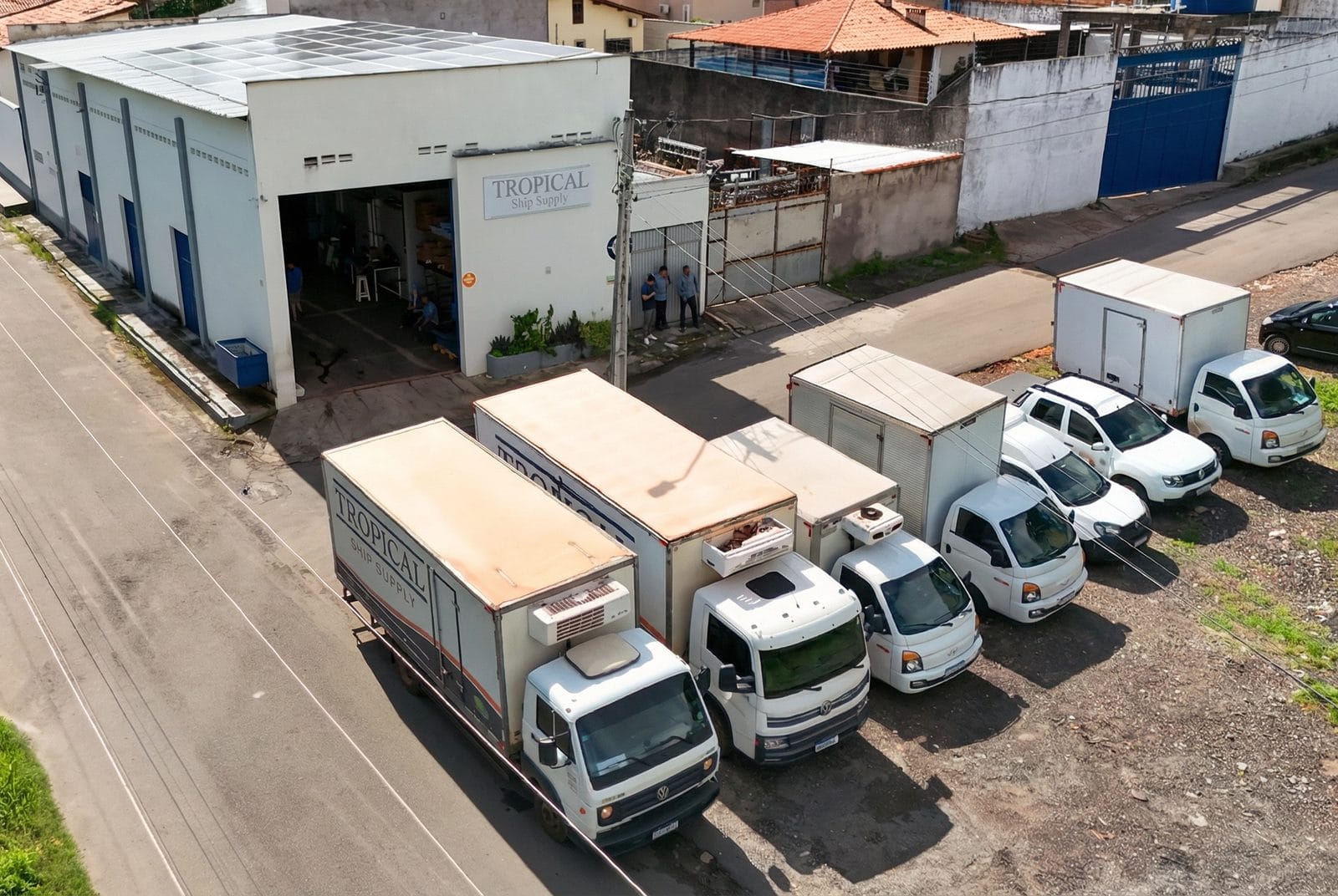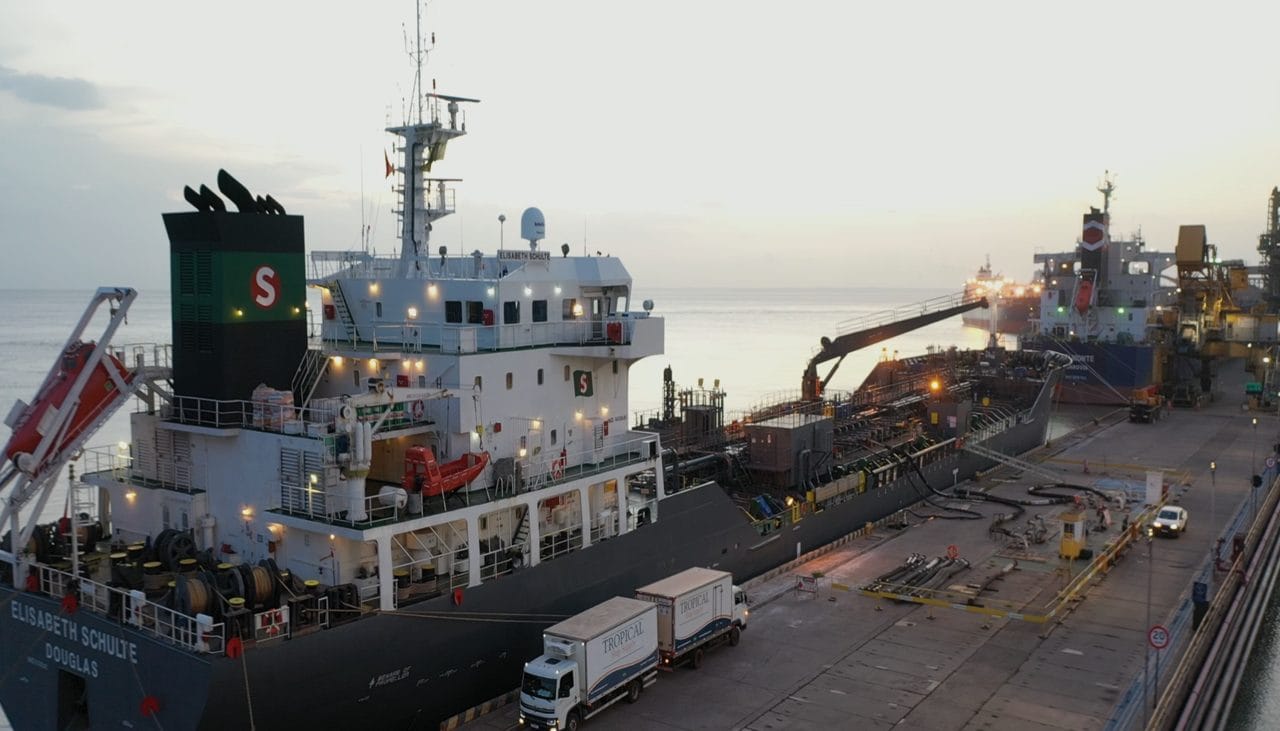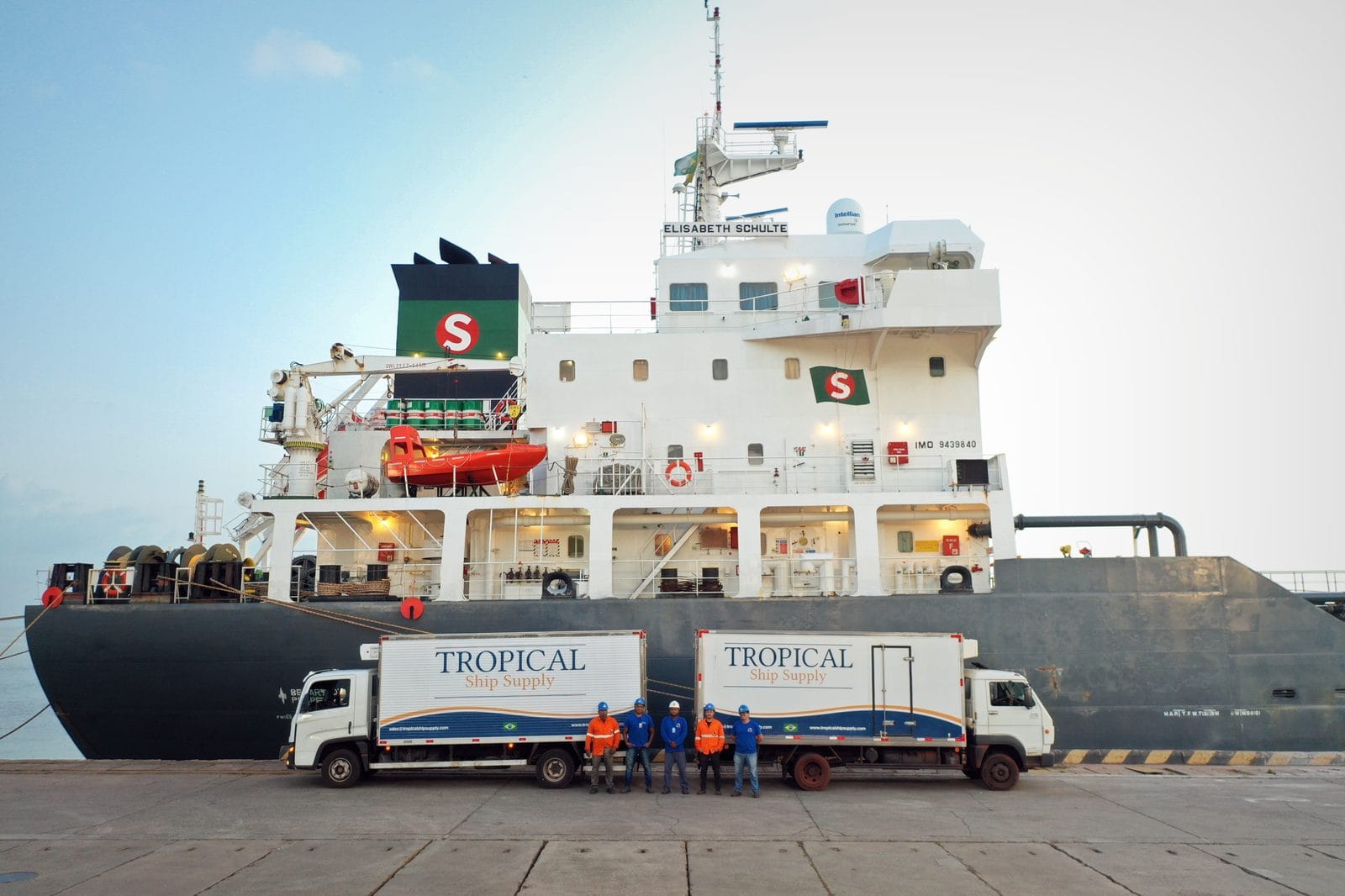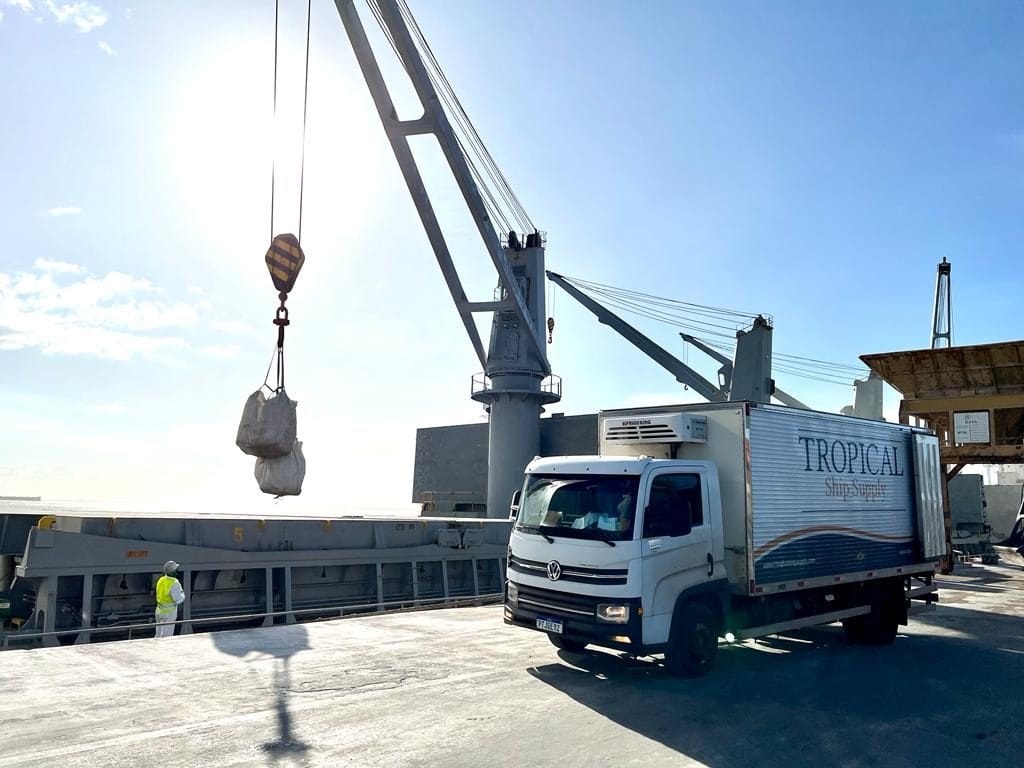
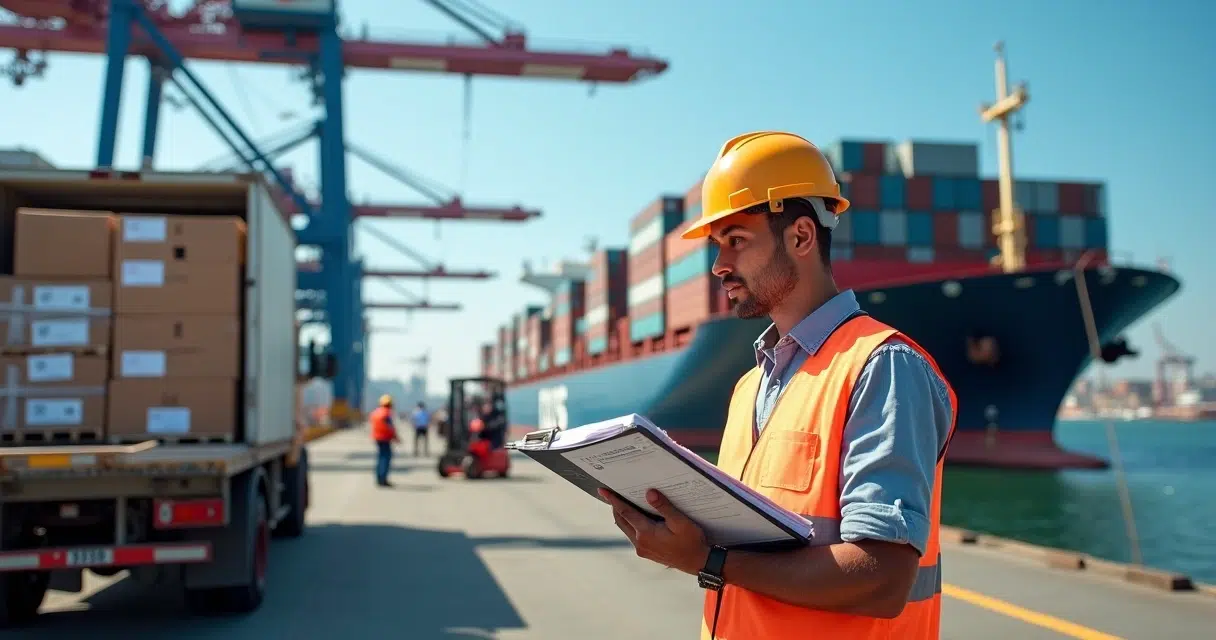
The world moves on reliable supply and precise timing, especially in Brazil’s strategic ports. Every port call becomes a test of efficiency, documentation, and teamwork. At TROPICAL SHIP SUPPLY LTD., we know that delivering on time is more than a promise—it’s a practice built on expertise, clear steps, and local know-how.
What makes onboard delivery in Brazil unique?
With Brazil’s ports breaking records—over 1.32 billion tons of cargo in 2024 and a 20% surge in containerized shipments—the landscape grows busier each yearcargo movement in 2024. We feel the pace. These achievements mean more stringent controls, evolving requirements, and a heightened need for agility.
Every onboard delivery begins before we reach the dock, with meticulous planning and robust documentation. The right paperwork is the foundation upon which all smooth operations stand.
Key documents for onboard delivery
In our day-to-day, accuracy in paperwork isn’t just compliance; it’s the difference between a seamless delivery and costly delays. For every type of operation, some documents are universal while others depend on cargo or procedure type:
- Delivery Note (Conhecimento de Entrega): The baseline record for any delivery, it ensures the goods, quantities, and recipients are accounted for.
- Invoice (Nota Fiscal): Required for goods movement within Brazil, this document not only tracks value but validates cargo legality at port gates and checkpoints.
- Bill of Lading (Conhecimento de Embarque): Especially for bonded or transit goods, bridging shipper and receiver rights.
- Sanitary and Inspection Certificates: When providing fresh or perishable items, food certifications and, occasionally, pest control attestations are needed.
- Special Authorizations: For safety equipment, chemicals, or restricted goods, additional permissions or registry features may be required.
Documents vary slightly for cabotage, international transit, or emergency stops. Recent upgrades like the Porto Sem Papel system are streamlining these processes, reducing bureaucracy and helping us respond quickly even in fast-paced environments such as Santos, where pre-arrival authorizations reach industry highs.
 The responsible parties: Who does what?
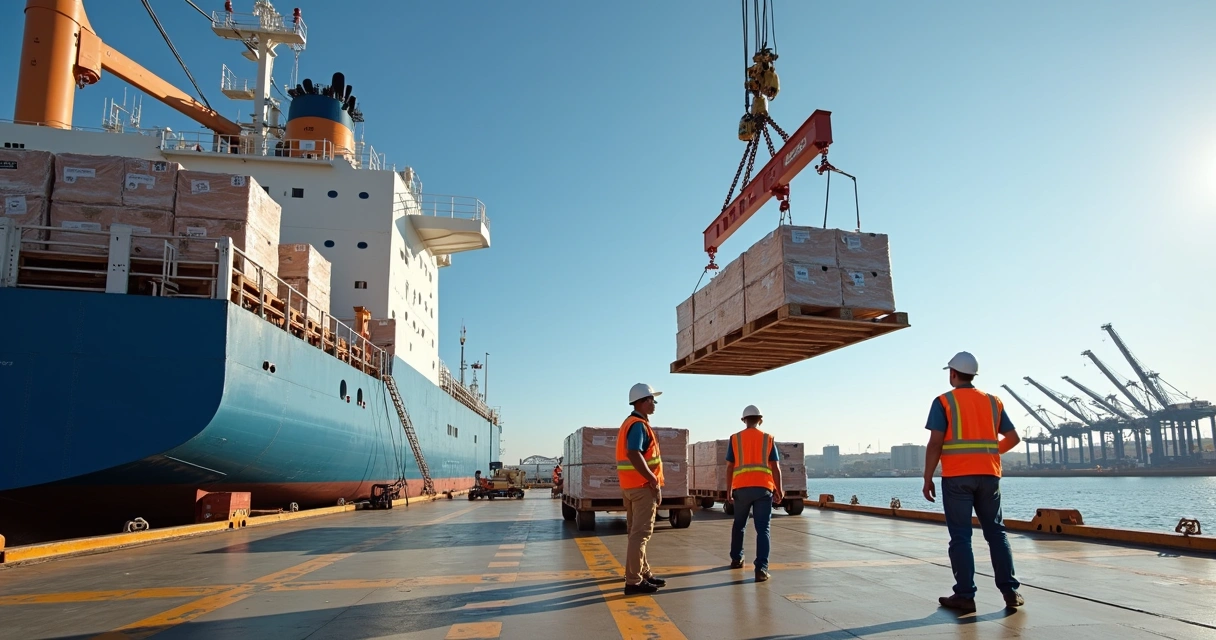 The responsible parties: Who does what?
Making everything work, especially across the vast Brazilian coastline and complex ports, demands clarity of roles. At TROPICAL SHIP SUPPLY LTD., our experienced team coordinates every phase, but ultimate responsibility is shared:
- Ship Chandler/Deliverer: We organize, document, load, and initiate clearance for delivery, confirming every item before it leaves our facility.
- Vessel’s Agent: Ensures all port entry requirements are met and documentation is in order. Agents liaise with authorities, schedule dockings, and solve last-minute obstacles.
- Port Authority & Customs: Review paperwork, approve entry, and inspect selects shipments according to risk assessments or regulatory checks.
- Ship’s Crew: Receives goods, verifies delivery, and signs off official records, often in the presence of our staff or authorized agent.
Everyone in the chain matters—one missing step can stall a whole operation.
Pontos críticos: Where operations can go wrong
We’ve seen it all—unexpected paperwork revisions, authority spot checks, last-minute vessel changes. Avoiding trouble means anticipating the “pain points” that repeat across delivery scenarios:
- Documentation delays: Inadequate or incomplete paperwork is the main cause of supply holdups. We triple-check documents before any truck rolls to port.
- Access restrictions: Some Brazilian ports have shifting access policies or tight security, making advanced notification and authorization essential.
- Cargo inspection protocols: Food, chemical, or safety item deliveries can be subject to heightened checks. Having up-to-date certificates speeds the process.
- Timing clashes: With so many vessels and not enough berths, delivery slots can be fiercely competitive—a single missed appointment might push us to wait hours.
- Weather and port congestion: The physical environment sometimes dictates delivery speed, particularly during high-traffic periods or storms.
“When we plan for challenges, our clients see fast, smooth deliveries and permanent trust.”
 Types of onboard operations: How requirements shift
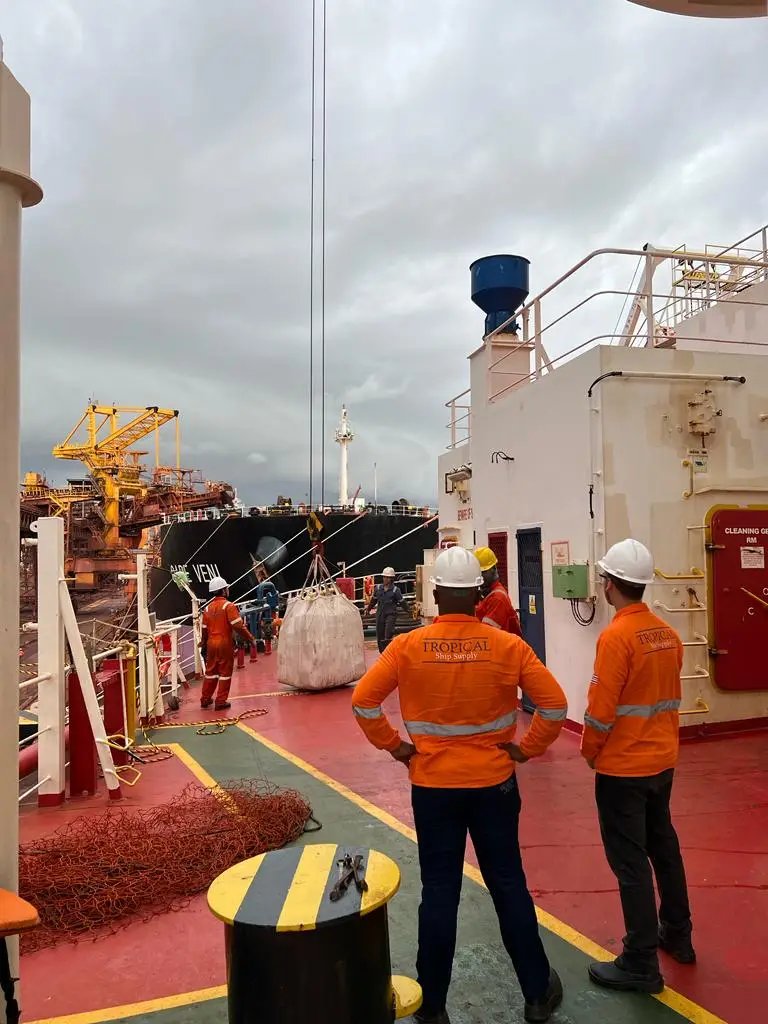 Types of onboard operations: How requirements shift
Brazil’s port system is vast and diverse. With cabotage reaching 213.1 million tons and growing as a preferred alternative for many types of cargooverview on cabotage in 2024, each operation—from coastal supply to international deliveries—demands detailed, tailored handling.
Breakdown by operation type
- Cabotage: Mostly domestic, documentation is lighter but must match federal maritime standards. Internal customs controls can still apply, especially for bonded supplies or special goods.
- International deliveries: Require full customs clearance, more detailed shipping records, and careful scheduling. Every shipment is tracked from our warehouse to your deck.
- Emergency/Off-port: These call for real agility—expedited paperwork, close coordination with the vessel’s agent, and readiness for on-the-fly regulation shifts. Communication is key.
- Special cargo (dangerous goods or perishables): Additional certificates (MSDS, sanitary permissions) and adherence to IMDG regulations are mandatory. Our expertise covers requirements for food safety, chemicals, and rescue items, ensuring we never ship incomplete.
Backed by ongoing logistical intelligence updates and sustainability practices, we adapt not only to formal requirements but also to new industry standards, including green packaging and renewable energy in our operations.
Experience and ongoing alignment: Our promise
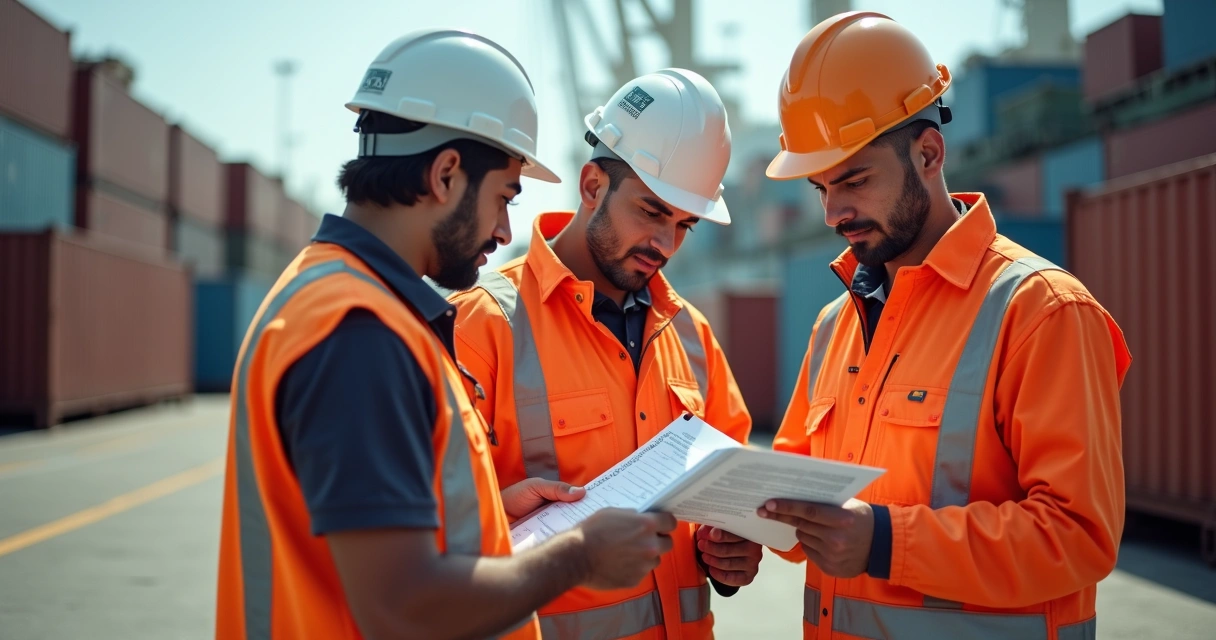 Experience and ongoing alignment: Our promise
With an expert, passionate team, we anticipate changes and keep up with expanding activity shown by growing public port movements and rising container volumes in the sector. We don’t just keep up, we pull ahead—to the benefit of every client.
For insights into the evolving landscape of maritime supply, we regularly update news and perspectives on our maritime news section. Anyone working through the challenge of Brazilian port deliveries benefits from working with those who know the environment, anticipate risks, and never compromise on documentation or service excellence.
Our experience supports timely, safe, and legal supply in the busiest terminals, including during periods of high traffic or regulatory change—such as the privatization and modernization at strategic terminals (details on Santos port modernization).
TROPICAL SHIP SUPPLY LTD. is your trusted partner for efficient and compliant onboard delivery in Brazil. We serve the unique needs of every vessel and crew, ensuring quality, quick responses, and environmental care from start to finish.
Conclusion
Delivering to ships in Brazil is a blend of preparation, accuracy, and professionalism. From thorough documentation to well-trained teams and updated regulatory practices, each step affects the next. At TROPICAL SHIP SUPPLY LTD., our mission is to make your onboard delivery experience fast, compliant, and worry-free. If you want reliable supply, clear communication, and a partner ready for tomorrow’s challenges, you can count on us.
Ready to experience the difference? Get to know TROPICAL SHIP SUPPLY LTD. or request your quote and make your next Brazilian port call worry-free.
Frequently asked questions
What documents are needed for onboard delivery?
The basic documents include a delivery note (Conhecimento de Entrega), invoice (Nota Fiscal), bill of lading for certain goods, sanitary certificates for perishables, and special authorizations for restricted items. These may vary by cargo type and the specifics of the port operation.
Who is responsible for delivery procedures?
Responsibility is shared: the ship chandler (like TROPICAL SHIP SUPPLY LTD.), the vessel’s agent, the port authority, customs officials, and the ship’s crew all play vital roles. Each must perform their part efficiently for a smooth delivery.
What are the critical points in the process?
Critical points include documentation accuracy, timely authorizations, port access restrictions, inspection procedures, and well-coordinated schedules. A single delayed document can halt the entire delivery process.
How does onboard delivery differ by operation type?
Different operations (cabotage, international, emergency, or special cargo) require tailored documents, authorizations, and compliance checks. Each has unique steps and potential challenges, like customs for international or extra certifications for hazardous cargo.
Where to find updated delivery regulations?
Reliable updates come from the official Porto Sem Papel system, industry sources, and partners with up-to-date local experience. For the latest logistics intelligence and sector updates, our maritime blog news keeps you informed.
Looking to reduce costs without sacrificing reliability during calls in Brazil? TROPICAL SHIP SUPPLY supports vessels with on-time delivery, consistent quality, and local assistance across key ports in the North and Northeast.
Contact our team and request a quote: Quotation@tropicalshipsupply.com+55 98 98347-0908 (24/7) WhatsApp