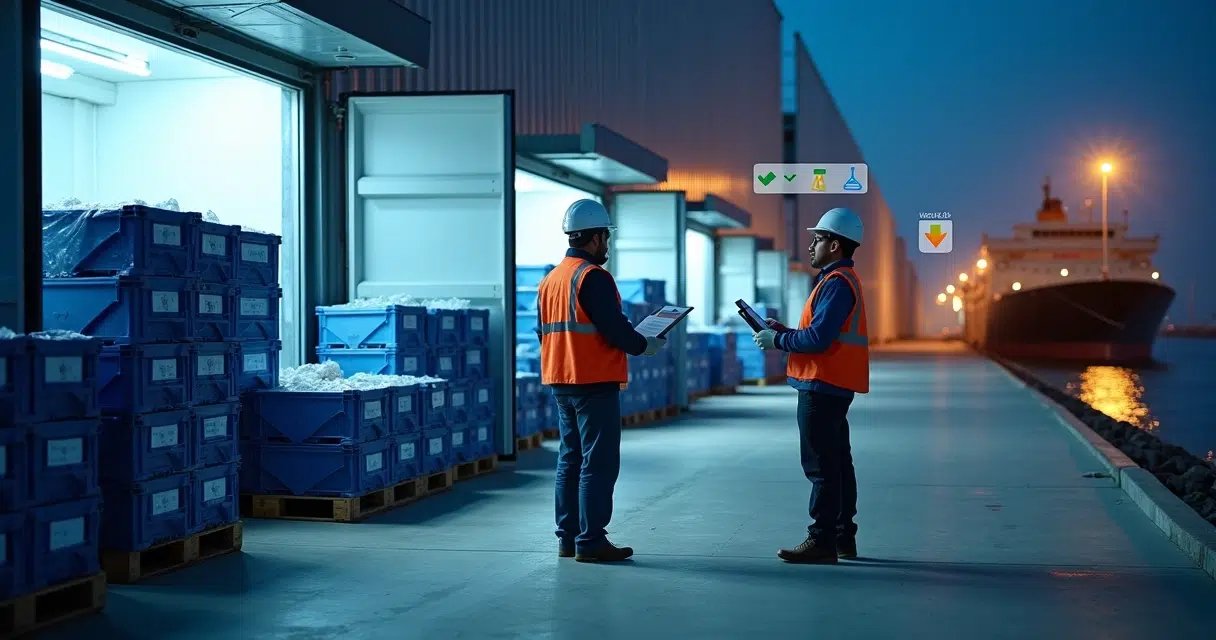
At Tropical Ship Supply Ltd., we believe that delivering fresh, safe, and reliable cold provisions is more than a standard service—it’s a mission that connects us to the needs of vessels across Brazilian ports. The logistics of frozen and chilled goods is a precise choreography where timing, technology, and teamwork set the rhythm. In this article, we’ll share step-by-step how we design and validate cold chain logistics for ships, gathering insights from our experience and international studies on maritime supply operations.
Understanding the importance of cold chain logistics for vessels
Maritime trade moves over 80% of global exchange by volume, and an ever-growing share of this is temperature-sensitive—from food and pharmaceuticals to critical chemicals and fresh produce. With vessels spending days or weeks at sea, any break in the cold chain can result in loss, waste, and risk for crews and cargo alike. This is why ensuring a robust, continuous cold chain is not just preferable—it is non-negotiable for our clients and for us as a provider. Effective cold chain logistics reduce spoilage, meet regulations, and guarantee crew welfare by consistently supplying safe, top-quality food and materials on board. As highlighted in the UNCTAD 2025 report, shipping—and especially cold chain—plays a critical role in global trade stability and food security.
Key building blocks: How we set up reliable cold chain logistics for ships
Based on our daily practices and current research, we structure our cold chain service through careful integration of specialized procedures and tools. Here’s our approach:
- Assessment of exact needs: Each vessel and its itinerary present a unique set of demands. We start by collecting info from captains, officers, or agents on required temperature ranges, cargo types, expected consumption, and journey duration. This ensures we tailor the delivery for each operation.
- Product selection and packaging: Every frozen or chilled item comes packed in certified, insulated containers and boxes, with temperature data loggers when needed to monitor integrity from storage to delivery.
- Pre-cooling and staging: Before leaving our storage facilities, all products are held at the correct final temperature, minimizing thermal shock when loaded into refrigerated trucks—ensuring continual protection for perishables.
 Choosing the right transport and equipment
 Choosing the right transport and equipment
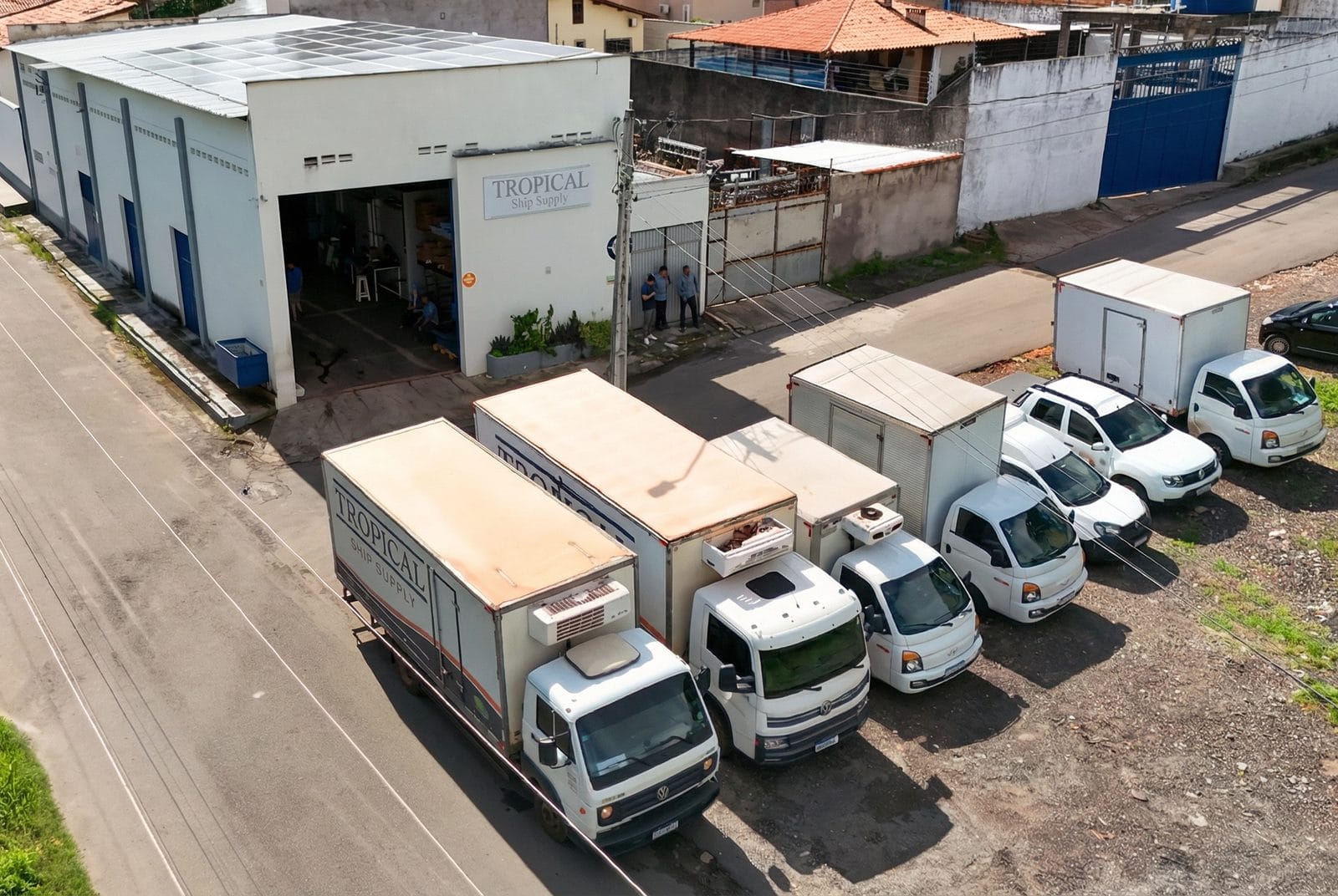
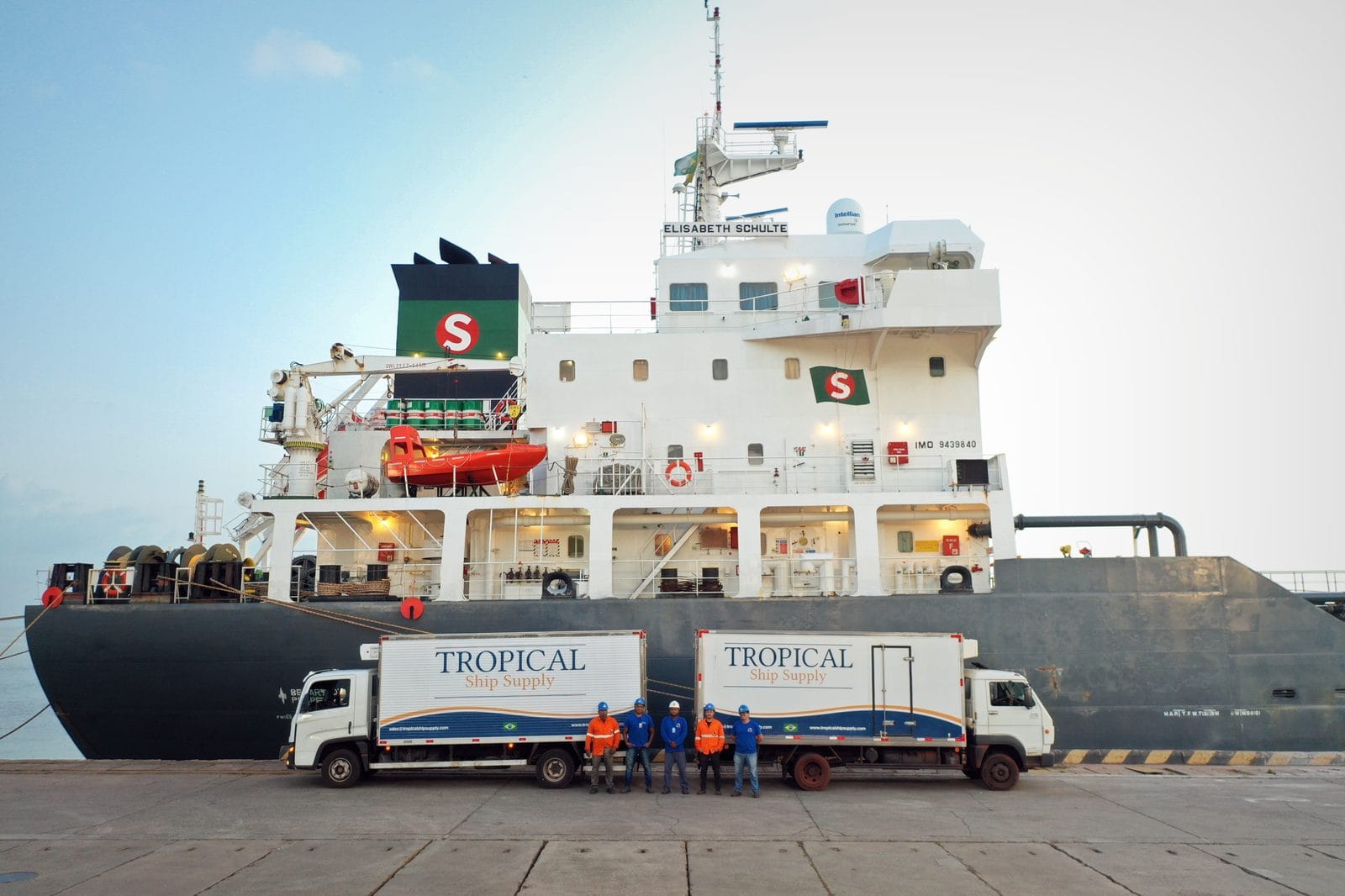
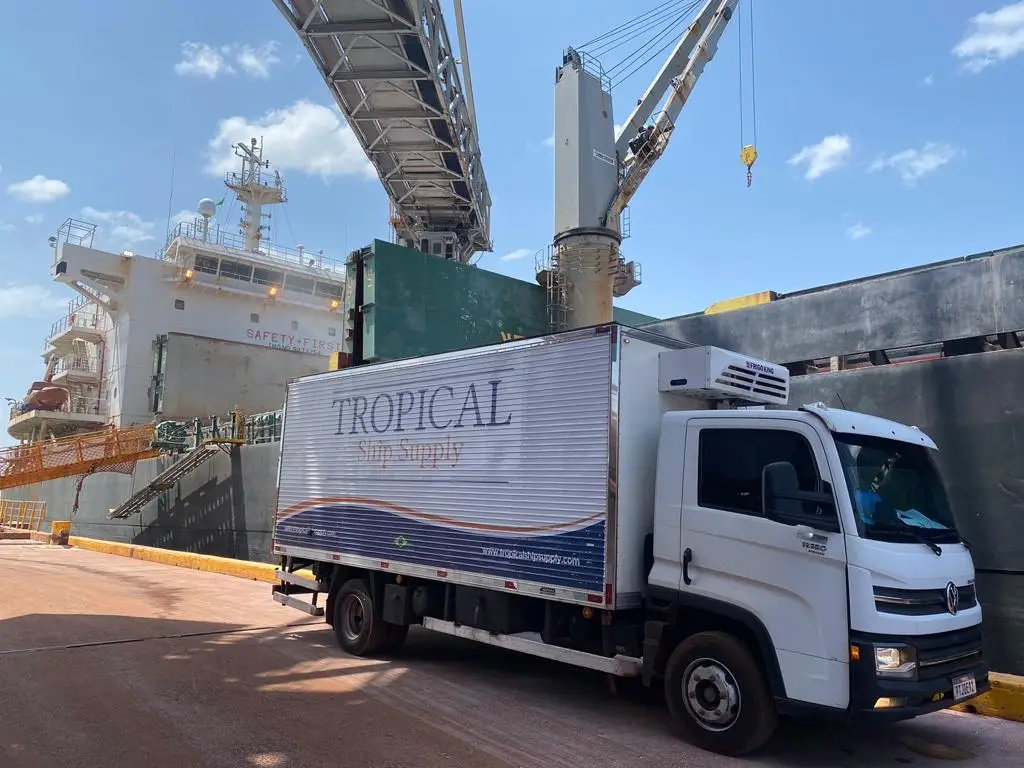
We’ve invested in a fleet of specialized trucks equipped with advanced refrigeration systems, GPS, and thermal sensors, allowing us to track location and temperature in real-time. Our deliveries always use these vehicles from warehouse to port, strictly controlling temperature throughout the journey. This aligns with the global shift toward containerized refrigerated shipping, whose share soared from 33% in 1980 to 82% in 2017 according to Port Economics Management.
 Source-loading cargo—directly transferring it from our climate-controlled warehouse into these trucks and on to vessels without unnecessary stops—prolongs freshness. Studies confirm that source-loading meat into refrigerated containers at the packing plant can extend shelf-life by up to 25 days when compared to cold storage transloading, a fact we integrated into our logistics after reviewing recent academic analysis.
Shipboard delivery and temperature assurance
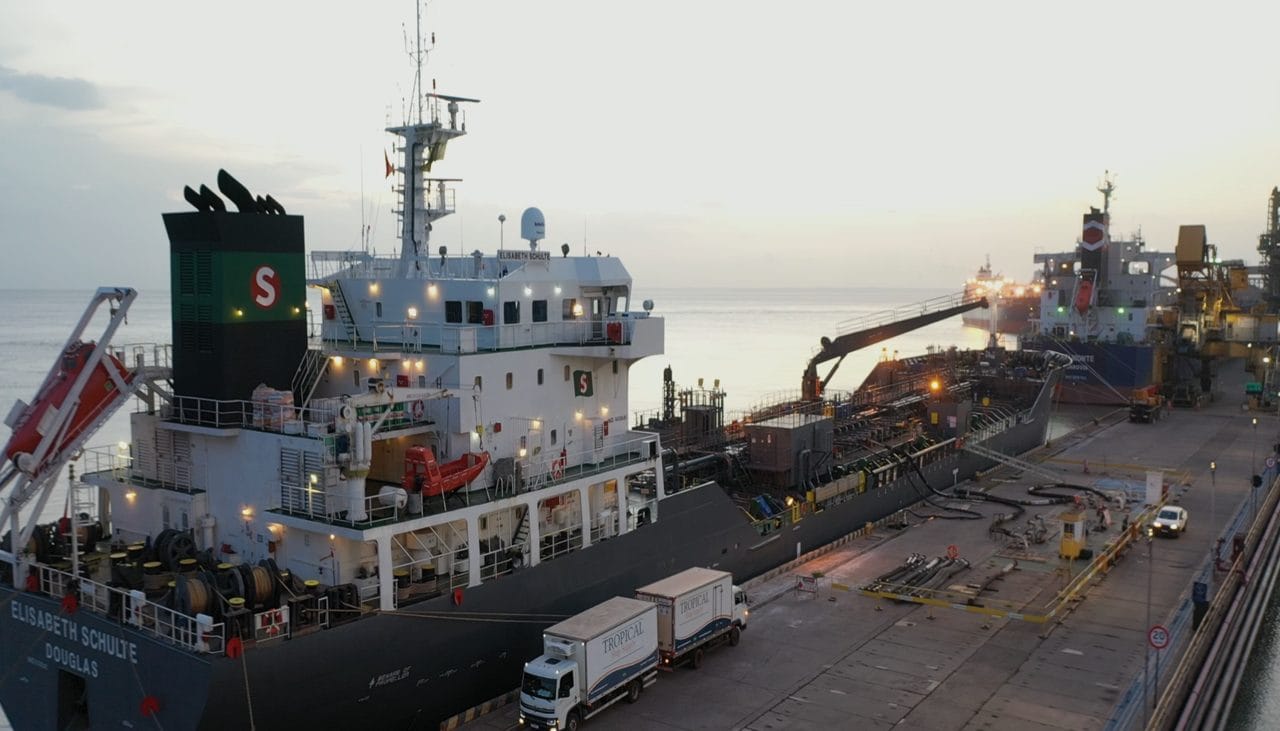
Once at the port, our operation relies on close communication and agile coordination. Our team schedules deliveries to match vessel call windows, minimizing wait time and exposure to outside temperatures. We maintain strict protocols at each step:
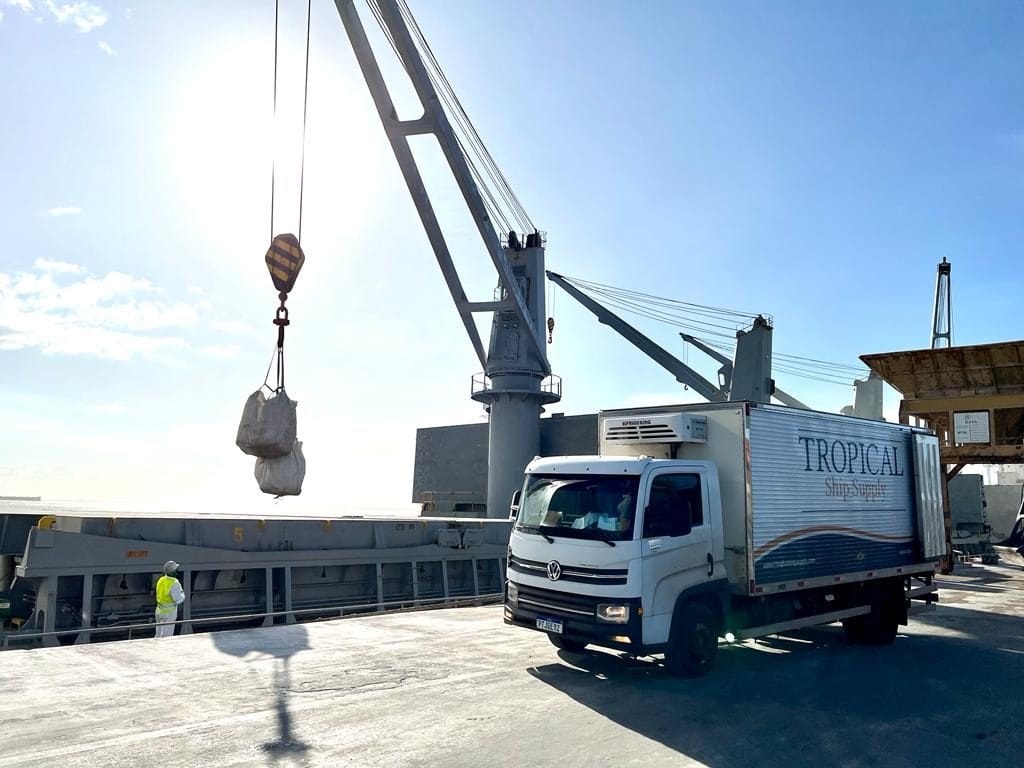
- Quick transfer from truck to ship’s cold storage, always under supervision.
- Verification of recipient ship’s onboard refrigeration capability before product handover.
- Continuous temperature monitoring—both before and after transfer.
- Documenting and reporting temperature integrity, not only for food safety but also for complete traceability.
We know that transparency and reliability make a difference. That’s why we provide temperature records for every cold supply delivery, enabling ships’ officers to confirm everything meets requirements upon receipt.
How we validate cold chain performance
Validation isn’t just a final check—it’s embedded in our workflow. This process assures that the cold chain upheld the right temperatures from storage to the vessel’s galley. Here’s how we put it into practice:
- Temperature mapping: Regular temperature mapping across our storage, transport, and staging areas helps us maintain consistent chill throughout all spaces.
- Third-party audits: We partner with accredited bodies for periodic audits, proving we meet international standards for cold logistics, food safety, and traceability.
- Data logger analysis: On every delivery, we use electronic data loggers that create a continuous record during transport. If the log indicates any breach, we automatically block the lot for investigation before it reaches the vessel.
- Feedback and improvement: After delivery, we seek feedback from ship officers and record any observations. If there are irregularities or quality concerns, our process allows fast trace-back and corrective action.
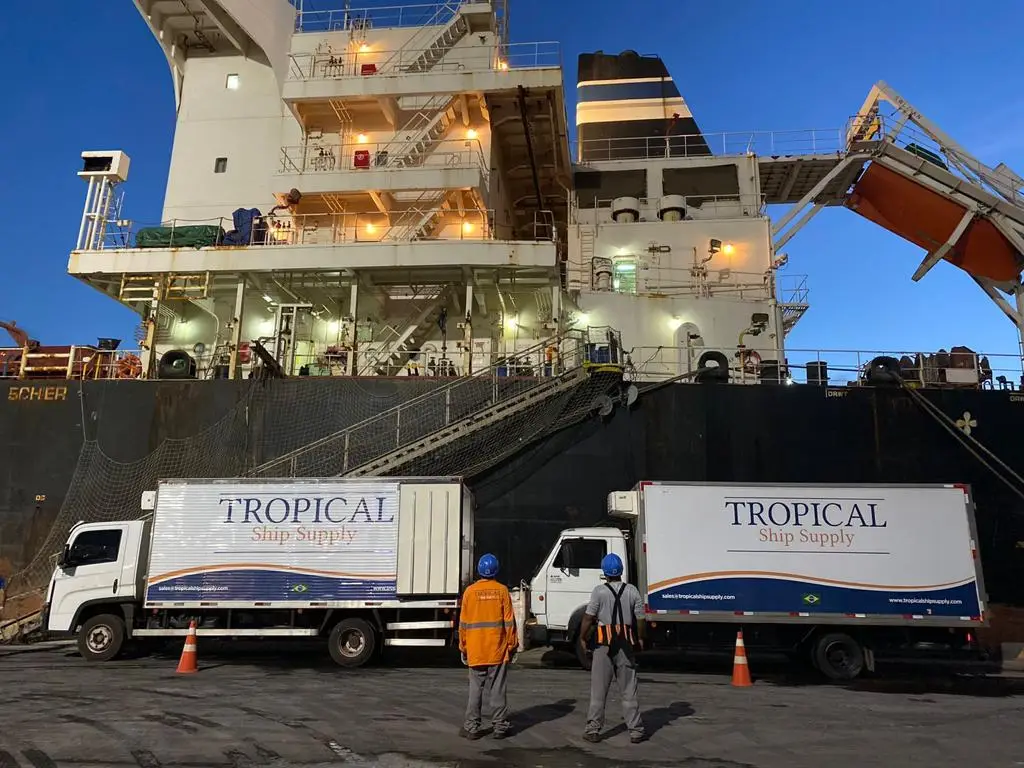 This is how TROPICAL SHIP SUPPLY LTD. guarantees the highest standards in every cold chain process for our clients. Our robust procedures and experienced team keep us ready to serve any vessel, from major international ships to cabotage vessels in Brazil’s ports. Readers can find more on our structure and reach at our article on how we serve Brazil’s maritime needs.
Environmental commitment in cold chain logistics
Efficiency and sustainability walk together in our cold chain. We apply renewable energy via solar panels, recycle packaging materials, and choose eco-friendly refrigerants wherever possible. This helps minimize our environmental impact, aligning us with conscious crews and armators nationwide. We do not see sustainability as a limitation—it pushes us for smarter, cleaner solutions.
Why a strong cold chain means an easier call for vessels in Brazil
When vessels call at Brazilian ports, they face unique challenges: tropical climates, complex schedules, and tight windows for resupply. By managing and validating the cold chain, we help ships avoid food spoilage, protect critical medical supplies, and streamline port operations. Rapid, transparent service in major ports of the country is part of our everyday work, as discussed in the news section of our maritime supply blog and noted in logistics research about the growth of containerized cold supply worldwide.
Conclusion: Reliability, transparency, and innovation on every delivery
Building and validating a cold chain for refrigerated and frozen ship supplies is not just about equipment or procedures—it’s about trust. At TROPICAL SHIP SUPPLY LTD., we combine experience, skilled teams, and modern technology to bring that trust to every port call. By blending international best practices, proven data, and sustainable operations, we ensure that each delivery is fresh, safe, and ready for the challenges of the sea. If you want to know more about how we make cold supply possible, or if your next vessel needs a reliable partner for fresh or frozen goods, get in touch. Let’s move quality together.
Quality is preserved, even after the horizon disappears.
Want to experience reliable cold supply for your vessel? Contact us for a free quote and see how TROPICAL SHIP SUPPLY LTD. can support your operations across Brazil, from timely delivery to sustainable logistics.
Frequently asked questions
What is cold chain logistics for ships?
Cold chain logistics for ships is the process of maintaining products—especially perishable goods—at specific temperatures from supply source to a vessel’s onboard storage, guaranteeing quality and safety for crew and cargo. This includes storage, packaging, transport, and handover with continuous temperature control. The objective is to prevent spoilage, contamination, and loss during the entire maritime journey.
How to set up a cold chain?
To set up a cold chain for ships, we begin by identifying the type of cargo, required temperature ranges, and duration to destination. We use certified packaging, pre-cool goods before transport, and ensure seamless transition using refrigerated vehicles equipped with thermal sensors. The cold chain is only considered complete when goods are safely transferred to the vessel’s onboard cold storage systems with no temperature breach.
How to validate frozen goods logistics?
Validation is the confirmation that temperature-sensitive goods stayed within safe parameters throughout the logistics process. We use temperature mapping, data loggers, and audit trails to cross-verify every step from storage to ship delivery. If the loggers indicate a temperature breach at any point, the batch is flagged for investigation and isn’t delivered until quality can be guaranteed.
What equipment is needed for ship cold chain?
A robust ship cold chain requires insulated packaging, refrigerated trucks with backup power, electronic data loggers for temperature monitoring, and QR/barcode tracking for traceability. At port, quick transfer tools and temperature-verified containers ensure minimal risk during handling. Onboard, it is necessary to have reliable cold storage (freezers/chillers).
How to ensure food stays frozen onboard?
To keep food safely frozen onboard, we verify the ship’s cold storage before delivery and recommend running regular equipment checks. All frozen items are supplied at the required temperature, transferred rapidly, and logged for follow-up by the vessel’s crew. Detailed transfer logs help track any issues, and our team provides backup planning if technical problems occur during a ship’s stay in port.