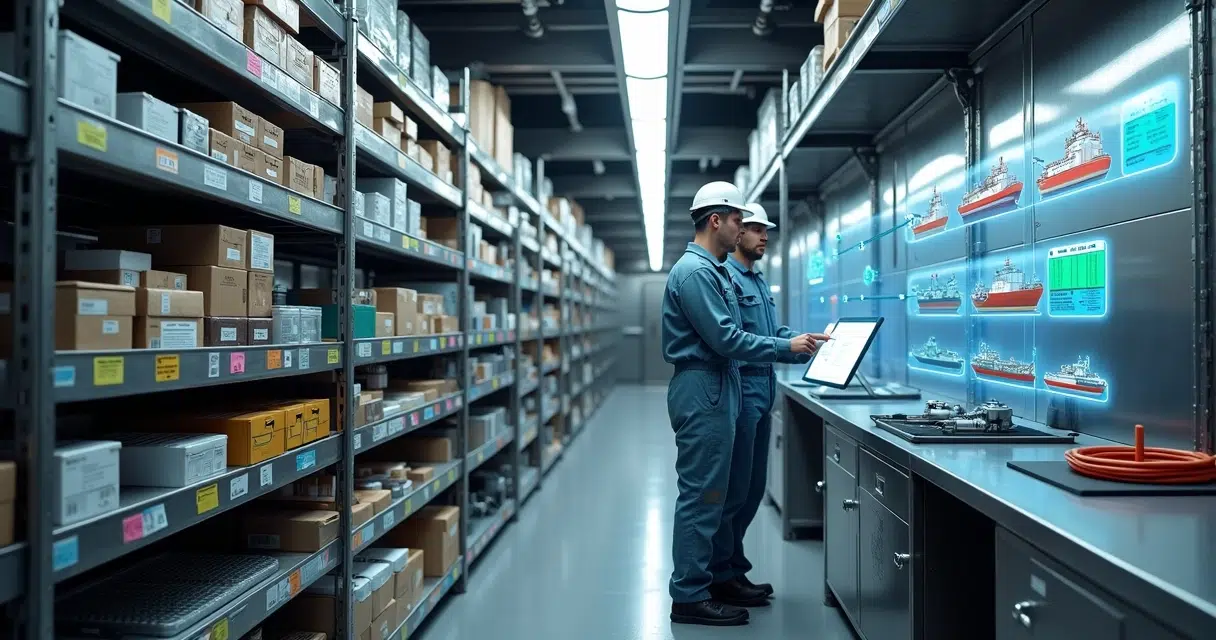
Managing MRO (Maintenance, Repair, and Operations) supplies for a diverse fleet is a constant balancing act. At Tropical Ship Supply Ltd., we have seen how the right approach to standardization can minimize shortages, improve transparency, and streamline supplies for vessels of all sizes.
Why standardizing MRO lists matters for shipping
Every vessel, whether it’s a bulk carrier or an offshore support ship, relies on a coordinated inventory of MRO items. These supplies include everything from spare parts and chemicals to safety equipment and technical publications. Without standardization, we observed that inventory lists can become inconsistent even within a single fleet. This leads to confusion, missed items, unexpected shortages, and inefficient resupply operations.
In our experience, standardized MRO lists organized by vessel class bring clarity and control to the process.
Recurring mistakes, such as duplicate orders or missed critical items, are common when every vessel or team manages MRO needs independently. Standardization offers a powerful solution.
Grouping by vessel class: a practical approach
Ships often share similarities when grouped by class: similar engines, safety systems, and operational profiles. By aligning MRO lists to these classes, we reduce unnecessary variations. At Tropical Ship Supply Ltd., we have developed processes to work closely with technical managers and crew to create class-specific templates.
“One size doesn’t fit all, but one template for each class goes a long way.”
Below are some steps we follow:
- Gather the technical documentation for each vessel class
- Collaborate with engineers, superintendents, and suppliers
- Audit historical consumption and parts usage
- Create a master list with mandatory and optional MRO items for each class
- Review and update regularly as technology or regulations change
Each step focuses on ensuring that every ship of the same class receives what it truly needs—with no more and no less.
 Benefits: consistency, transparency, and cost control
 Benefits: consistency, transparency, and cost control
By standardizing MRO lists this way, we have helped fleets achieve the following outcomes:
- Reduced stockouts and emergency orders
- Clearer forecasting and easier budget planning
- Faster onboarding for crew, since they know what supplies are always available
- Lower procurement costs through bulk or planned purchasing
- Improved compliance with internal and regulatory requirements
Consistency in supply management means fewer surprises, less stress, and smoother operations onboard.
Our own range of ship supply solutions is built around this principle, supporting clients with up-to-date, customized supply lists that match their vessel types and specific trades.
Reducing shortages with careful planning
Shortages are often the result of incomplete lists, poor communication, or the lack of tracking. When every vessel class has a tailored and validated MRO inventory, we can move forward to the next level—proactive restocking. This means regularly checking current onboard levels against class-based minimums, making sure that replenishments occur before critical items run out.
We encourage our clients to take advantage of our team’s experience. We help by:
- Reviewing past supply cycles for irregular consumption
- Setting minimum and maximum inventory levels
- Creating alerts for items that are critical for safety or operations
- Coordinating deliveries according to trade routes and port calls
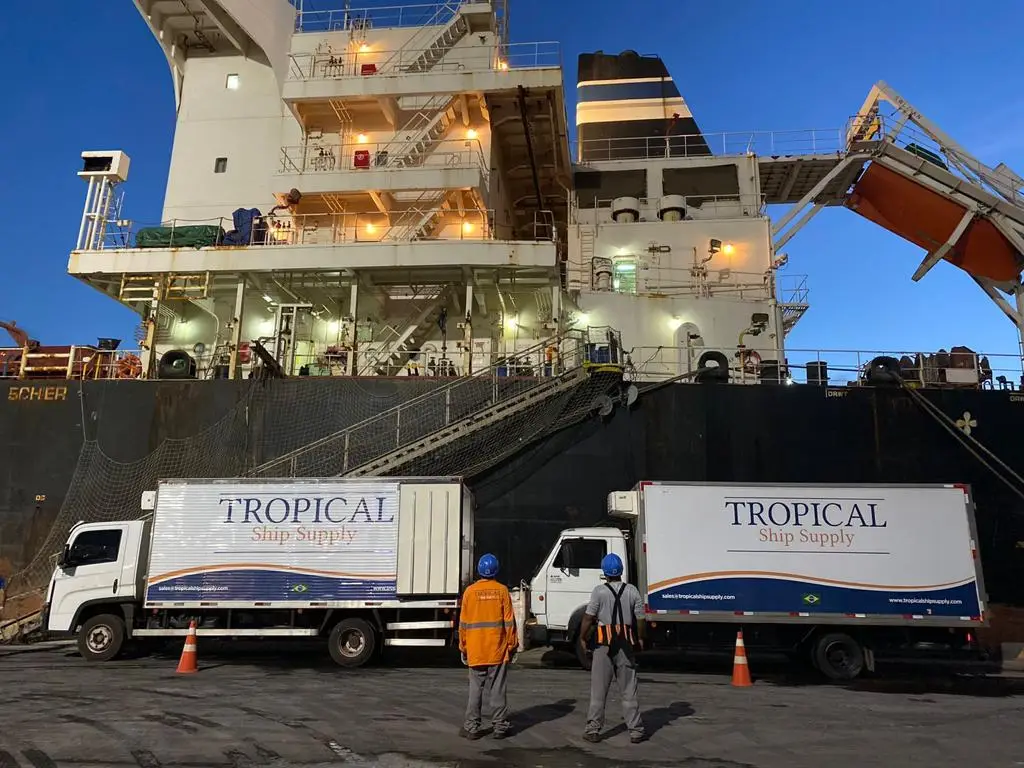
When shortages do occur, they are usually detected before they become emergencies. This allows us, as a supplier, to act quickly and maintain reliability for shipowners operating in any Brazilian port.
Who benefits from this strategy?
Shipowners, technical managers, superintendents, and procurement professionals all see clear benefits. Crew members appreciate standardized supplies because they always know what to expect. Onshore teams find that tracking usage and costs is simpler, since they are not constantly reinventing their processes.
At Tropical Ship Supply Ltd., we also see port agents and logistics teams gaining better visibility into inventory needs. This translates directly into faster, more accurate deliveries and improved vessel turnaround times, especially at busy hubs.
Environmental awareness in supply chain decisions
Today, sustainability is not just a discussion about the environment—it is about business resilience too. Standardizing MRO lists directly contributes to less waste: fewer expired or obsolete items, more effective resupply runs, and an opportunity to consider greener products and packaging.
When fleets plan better, we all contribute to a smaller environmental footprint in ports like Santos, Pecem, and Fortaleza.
At Tropical Ship Supply Ltd., we have invested in clean energy and recycling initiatives for every delivery, further supporting a responsible supply chain.
Next steps: building your own standardized MRO list
If your fleet or company has not yet implemented standardized, class-based MRO lists, now is the perfect time to begin. We recommend starting with:
- An internal survey of each vessel’s current inventory and typical consumption patterns
- Identifying the top five classes with similar needs
- Drafting standard lists and sharing them with key stakeholders onboard and ashore
- Piloting these lists for a set period, gathering feedback, and refining them together
Take a look at some of the latest maritime insights and updates on our maritime news section or check out our recent coverage on industry trends related to ports and regulatory changes, like the Port of Santos project.
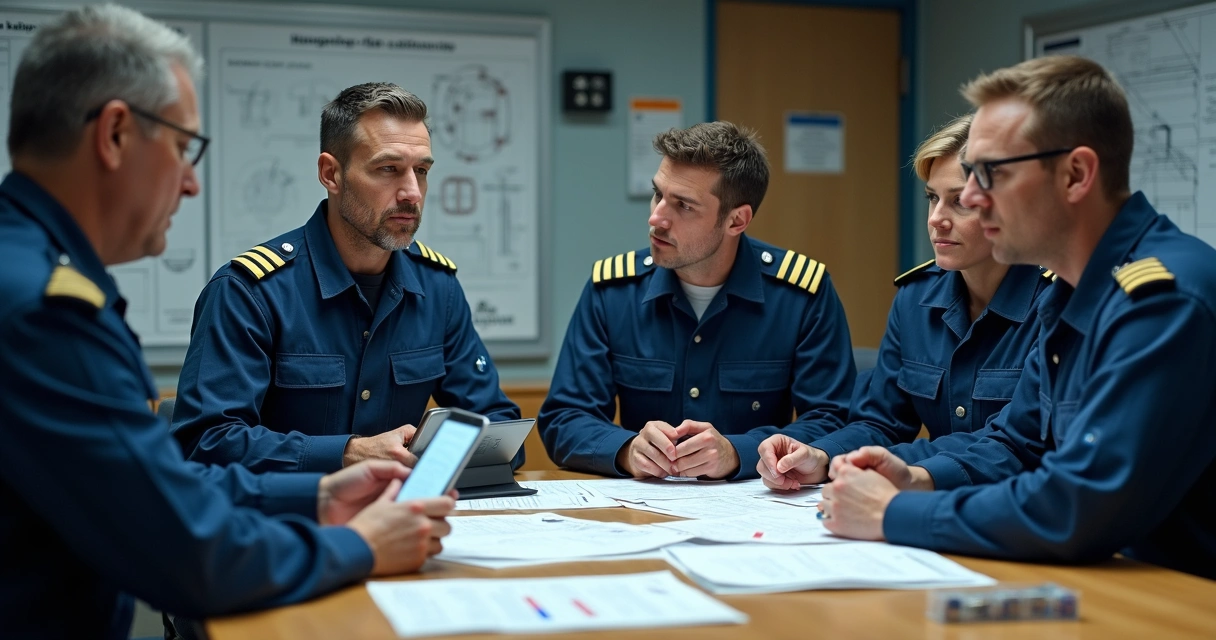 We are firm believers that sharing best practices and knowledge in maritime supply strengthens the entire shipping community.
Conclusion
Standardizing MRO lists by vessel class creates a solid foundation for reducing supply shortages, controlling costs, and increasing crew confidence. Our long-term partnerships, technical expertise, and focus on innovation have allowed us at Tropical Ship Supply Ltd. to help owners and operators streamline their supply chains with confidence and care.
Streamlined supplies mean dependable voyages.
Find out how our proactive MRO solutions, sustainable practices, and expert team can support your fleet’s reliability across Brazilian ports. Discover the difference with Tropical Ship Supply Ltd. today.
Looking to reduce costs without sacrificing reliability during calls in Brazil?Tropical Ship Supply supports vessels with on-time delivery, consistent quality, and local assistance across key ports in the North and Northeast.
Contact our team and request a quote:Quotation@tropicalshipsupply.com+55 98 98347-0908 (24/7) WhatsApp
Frequently asked questions
What is MRO for ships?
MRO for ships stands for Maintenance, Repair, and Operations supplies, which are the parts, equipment, and consumables necessary to keep vessels safe, running, and compliant throughout their voyages. These supplies also include everything from gaskets to technical manuals, safety devices, and cleaning materials.
How to standardize MRO lists?
To standardize MRO lists, we recommend grouping vessels by class, gathering technical specifications, analyzing past consumption, and then creating master inventories with both essential and suggested items. Regular reviews and updates ensure these lists stay current with regulations and operational changes.
Why group lists by vessel class?
Grouping lists by vessel class allows us to align supplies with real needs, minimize unnecessary differences, and make sure all ships with similar design and equipment receive the right items. This also simplifies training and supply management, allowing us to manage bulk purchasing more easily.
How to prevent shortages onboard?
We help prevent shortages with proactive planning: setting minimum onboard stock levels, continuous monitoring, clear communication between ship and shore, and timely resupply based on actual consumption and class-specific templates. Anticipating needs is the most reliable way to keep every voyage smooth and safe.
Is standardizing MRO lists worth it?
Yes, from our point of view and based on industry results, standardizing MRO lists improves supply control, reduces total costs, and ensures operational readiness for all vessels in a fleet. The time invested in initial setup is quickly returned through smoother operations and fewer supply chain emergencies.