Creating a well-organized “critical items catalog” by vessel type is a smart way to prevent shortages, avoid downtime, and ensure smooth operations for every voyage. At TROPICAL SHIP SUPPLY LTD., our daily experience supplying bulk, tanker, container, and offshore vessels across Brazilian ports has shown us the practical impact of tailored catalogs for each vessel class.
Why categorize critical items by vessel type?
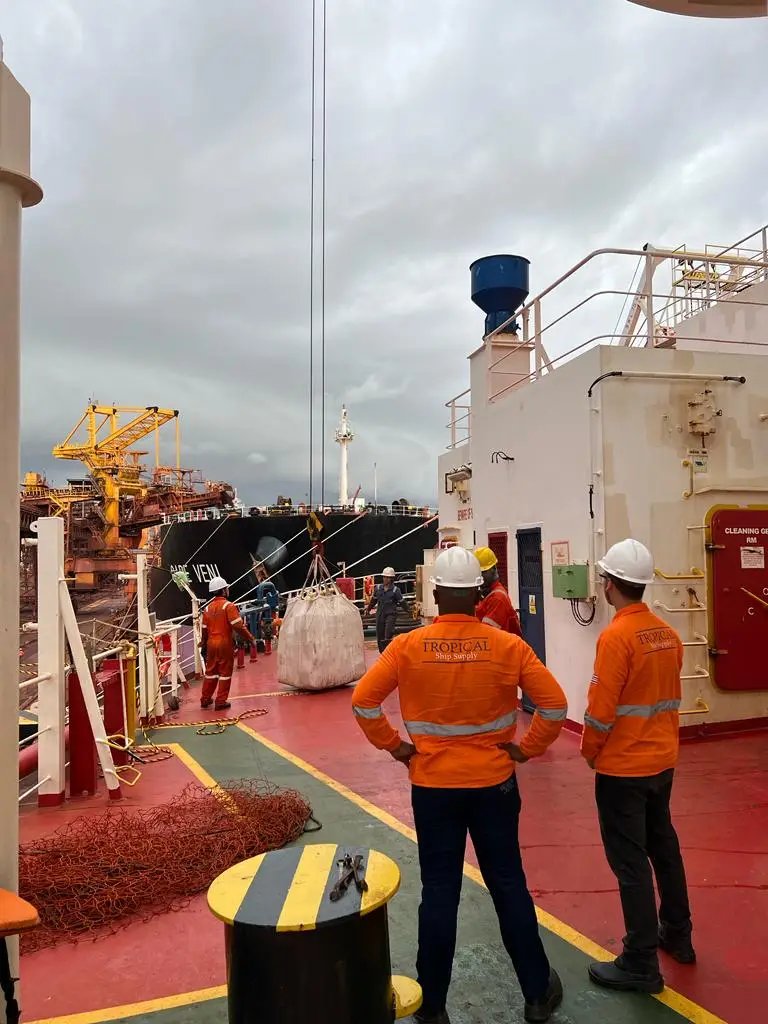
Ships are as varied as the cargoes and missions they serve. A container ship’s daily needs differ from a tanker’s, and offshore support vessels come with their own unique challenges. Building vessel-specific catalogs helps prevent asset downtime and ensures efficiency in operations. Relying on a generic supply list often results in delays, duplicate orders, or missed items—issues we work diligently to address for our clients. Our commitment is to deliver effective, reliable service that fits the reality onboard every vessel class.
Step 1: Gather the right team
A strong catalog starts with assembling the right group of experts: chief engineers, technical managers, and supply chain specialists who understand each vessel’s demands. Our team at Tropical Ship Supply brings together professionals with proven maritime experience. Their hands-on knowledge helps us understand not only item specifications, but why and how each supply matters.
Decision-makers onboard shape what “critical” looks like.
By consulting crew feedback and operational logs, we avoid guesswork and ensure practical accuracy.
Step 2: Define “critical” items
This is where every vessel type sets itself apart. When we build these lists, we do not use a one-size-fits-all approach. A critical item is any part, consumable, or supply directly impacting safety, compliance, navigation, or propulsion—and anything that could risk delaying a voyage if missing.
- Bulk carriers: Focus on hatch covers, conveyor spares, engine parts, cleaning equipment for holds, and charts critical for constant port rotations.
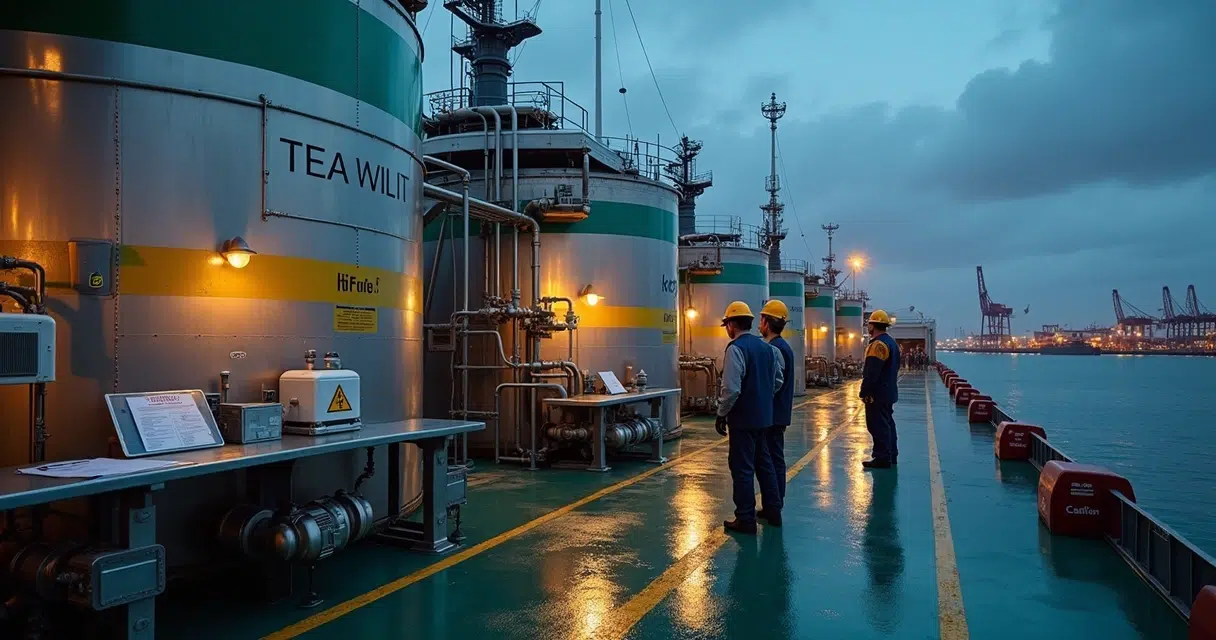
- Tankers: Prioritize pump parts, sampling/testing equipment, PPE for hazardous cargo (sometimes in response to findings like those highlighted by NOAA’s tanker vessel density datasets), fire safety, and cargo measurement tools.
- Container vessels: Emphasize lashing materials, reefer plugs and spares, deck machinery components, and digital navigation backups for fast-paced schedules.
- Offshore vessels: Focus on DP system spares, winch controls, lifting gear, specialized PPE, and safety stores for complex marine operations.
Regulatory publications, up-to-date charts, and required safety signals also belong on every list, with details changing by vessel class. For more on the range of products and services we supply daily, our service overview for cargo and offshore vessels may be useful.
 Step 3: Organize the catalog’s structure
 Step 3: Organize the catalog’s structure
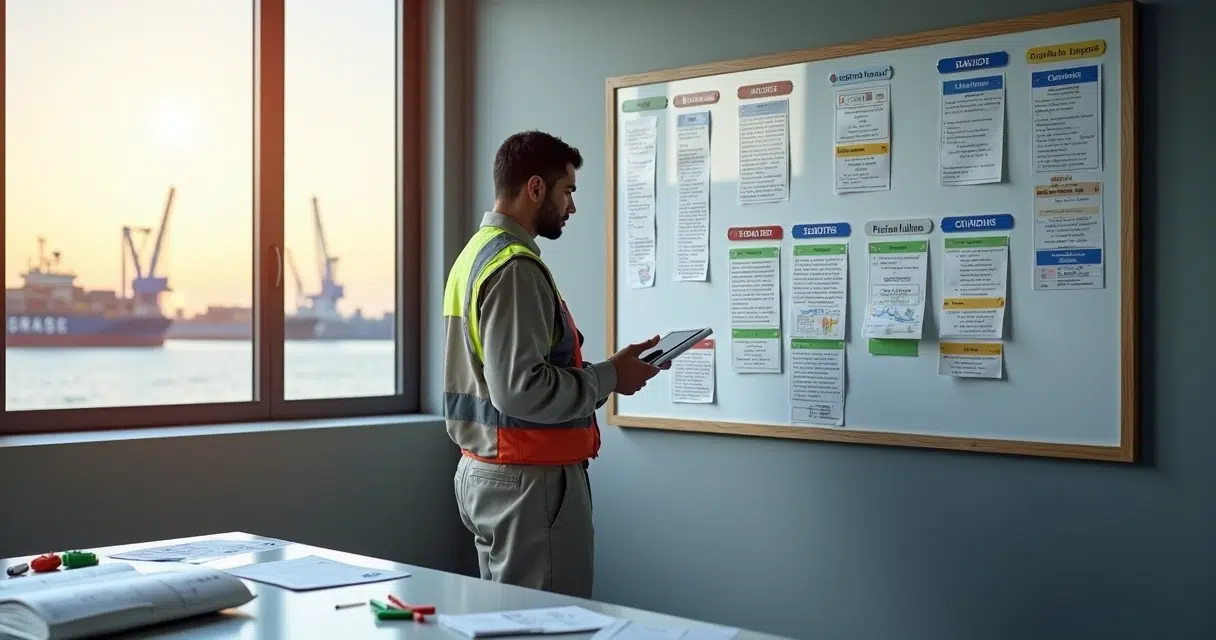
Strong organization makes catalogs fast to use. At TROPICAL SHIP SUPPLY LTD., we’ve learned that clarity accelerates every step, from ordering to onboard inventory checks. Here’s a structure we recommend:
- Category: Provisions, technical spares, safety, publications, cleaning, deck, bonded stores, and others.
- Sub-category: E.g., under “technical spares”—pumps, valves, engine parts; under “safety”—lifesaving, firefighting, PPE.
- Part name / description: Specific name, description, manufacturer or OEM specs if needed.
- Criticality code: (A) Voyage-stopping if missing, (B) Compliance-mandated, (C) Redundant but recommended.
- Stock maintained onboard: Recommended minimum and maximum per class/type.
- Last update/checked by: Ensures catalogs remain current.
Keep it simple, but detailed enough for accurate sourcing.
Having these columns quickens sourcing and reduces human error. Our daily commitment is to make sure no ship leaves port missing what it needs for safe passage.
Step 4: Use real vessel history and standards
We always learn most from onboard histories. Reviewing past shortage reports and breakdown logs exposes the repeat “pain points” for each vessel type. This insight guides our catalog development, allowing us to focus on actual operational needs.
We also follow worldwide standards—for example, using LR1 and LR2 tanker configurations, described in studies by the U.S. Energy Information Administration overview on tanker types, alongside IMO regulations and flag state requirements for every specific class.
Step 5: Standardize, but allow custom lists
Standardization brings many advantages—quicker ordering, more accurate forecasting, and easy cross-vessel rotations. We offer guidance on standardizing lists by vessel class to reduce onboard shortages.
However, custom fields must remain open for vessel-specific additions. Special trade routes, age of the vessel, or recent retrofits often require custom parts or stocks. We always include a custom notes section in every catalog we assemble.
Step 6: Make the catalog digital and accessible
 Step 6: Make the catalog digital and accessible
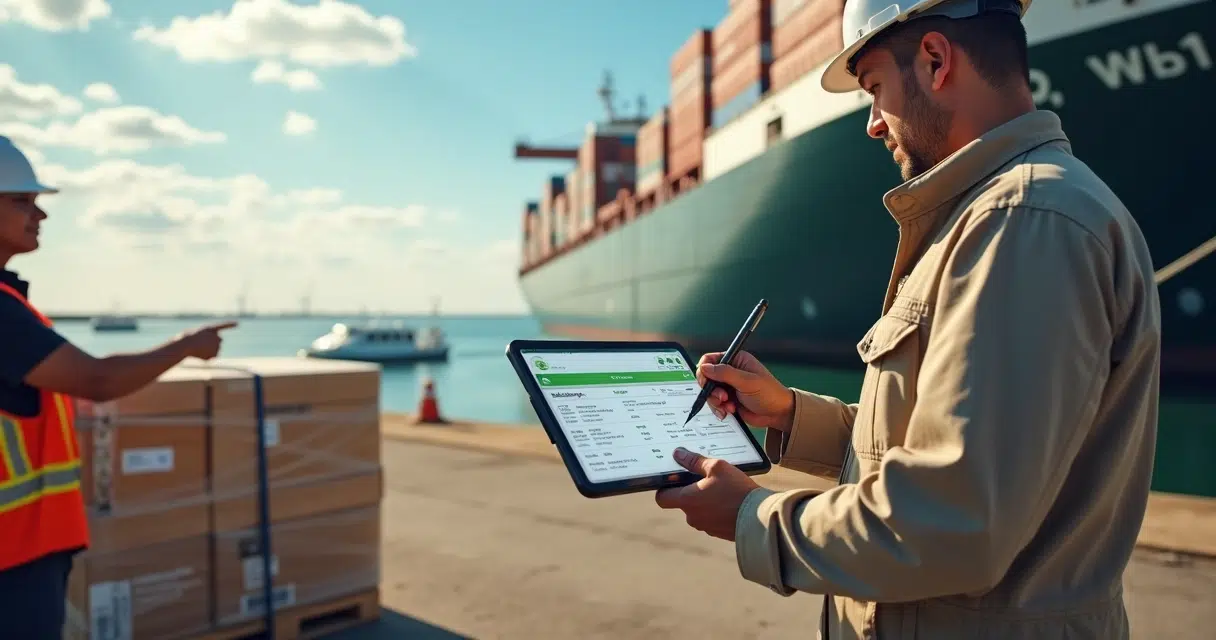
Modern supply management requires a digital system. Whether ship operators use spreadsheets, onboard management software, or an integrated purchase system, the catalog must be easy to access and update. We can help digitize, train, and maintain these catalogs, always ensuring data security and availability at every port call.
Step 7: Regularly audit and refresh
If a catalog is not updated, it quickly becomes outdated. We recommend scheduled audits at least every six months or after major voyages or dry-docks. Feedback from crew and technical staff is key: sometimes a small change in routing or operations makes new parts “critical.”
For more on our supply network and how we support reliability at every port along Brazilian coasts, see our dedicated guides for ship suppliers in Brazil and the steps we take for delivering reliability at every call at strategic ports.
Conclusion
A tailored “critical items catalog” brings speed, transparency, and reliability to vessel supply chains. We at TROPICAL SHIP SUPPLY LTD. believe in supporting every vessel with a proactive mindset, listening to your needs, and updating catalogs to match real-world realities. Our experience proves that vessel-specific lists lower costs, increase safety, and keep operations running smoothly, port after port. Connect with us to learn more about our unique approach or request a no-obligation quote for your fleet.
Reliability starts with knowing what matters most before you sail.
Contact our team and request a quote: Quotation@tropicalshipsupply.com | +55 98 98347-0908 (24hr) WhatsApp
Frequently Asked Questions
What is a critical items catalog?
A critical items catalog is a carefully organized list of supplies, parts, and equipment that a vessel must have onboard to avoid major disruptions. The list focuses on items that are vital to safety, compliance, navigation, or propulsion. Each catalog is specific to vessel type and helps avoid shortages and ensure quick, informed decisions during resupply or repairs.
How to create a catalog by vessel type?
To create a catalog by vessel type, start by consulting onboard officers and technical experts. Analyze operational histories for each vessel class—bulk, tanker, container, offshore—and identify unique needs. Build separate lists for each vessel category, structuring the catalog with categories, detailed descriptions, stock guidelines, and dates of last update. Standardize where possible but leave space for custom vessel notes. Digital access and regular reviews are key to keeping catalogs useful.
Why is a catalog important for ships?
Catalogs are important for ships because they support continuity of operations, fast decision-making, and compliance. A well-built catalog ensures the vessel is never delayed or jeopardized due to missing parts or supplies. It also prevents overstocking, reduces waste, and brings clarity to everyone involved—from officers to suppliers.
What items are critical for tankers?
Critical items for tankers often include pump and valve spares, cargo measurement tools, fire safety equipment, PPE for hazardous materials, and sampling kits. Standards from regulatory bodies and insights from international studies on tanker operations help define these needs. Each tanker catalog should be customized for the cargo, route, and safety requirements in place.
How often should the catalog be updated?
We recommend updating the critical items catalog every six months or after significant changes such as dry-docking, new regulations, or changes in trading patterns. Routine updates keep the catalog relevant and prevent unexpected shortages. Crew feedback and recent operational experiences are vital for every update cycle.