
At Tropical Ship Supply Ltd., we have made it our mission to help vessels and maritime companies achieve delivery operations that feel effortless, even across the busy and sometimes demanding Brazilian port clusters. We understand how port windows, local restrictions, and logistics workflows can shape every supply run. In this guide, we share our approach—and accumulated insights—to running truly frictionless deliveries from North to Southeast Brazil.
Understanding Brazil’s port clusters
Brazil has a vast coastline and some of the most active port clusters in the southern hemisphere. In our experience, each cluster can be a world of its own—with particular quirks and local regulations. From Vitória in the Southeast to Belém in the North, knowing what to expect is the first step to success. Our team works with a wide range of ports, including but not limited to:
- Vitória
- Tubarão
- Itaguaí
- Rio de Janeiro
- Pecém and Fortaleza
- São Luís, Itaqui, Ponta da Madeira
- Belém, Bacarena, Macapá, Santana, Santarém
- Vila do Conde, Mucuripe
Each port cluster has infrastructure, window timings, and entry protocols that change frequently and can catch vessels off guard without the right support. Our local network and experience ensure no detail is left behind.
“Smooth delivery is not an accident. It’s a result of preparation and local insight.”
The impact of delivery windows and port restrictions
In Brazil, port windows define when vessels can enter, berth, receive supplies, or perform cargo operations. Restrictions can range from draft limits and weather-related closures to labor strikes and custom clearance hurdles. Understanding these windows and planning around restrictions is the backbone of frictionless deliveries.
We coordinate closely with port authorities and local agents to lock in windows and anticipate shifts. Weather conditions—especially in the North—can quickly change port access. Labour rules may limit certain operations to specific times or days. Knowing and respecting these nuances is non-negotiable for reliable deliveries.
Our trusted delivery workflow
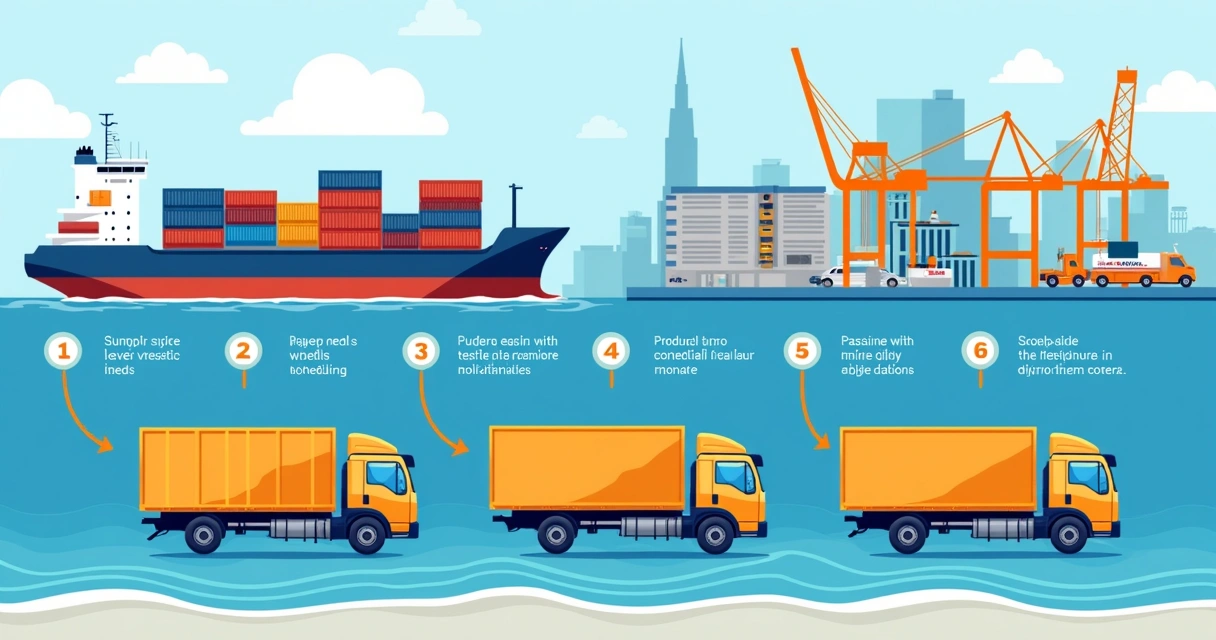
Success in Brazilian ports starts well before our trucks roll onto the dock. It is about planning and agility. Here is how we approach it:
- Early notification and documentation: We gather all vessel needs and documentation as far in advance as possible. Our expert team knows port-specific paperwork and custom forms by heart.
- Window scheduling: Coordinating berth windows is essential. We maintain close contact with local partners to secure optimal slots and foresee operational overlaps.
- Product selection and prepping: Our provisioning team assembles fresh, bonded, and urgent stores to order, verifying all quality and compliance checks. We label and package everything according to Brazilian and international standards.
- Clearance and authority liaising: We handle customs and sanitary inspections, leveraging our standing with authorities in all major Brazilian ports. This reduces bottlenecks and manual checks.
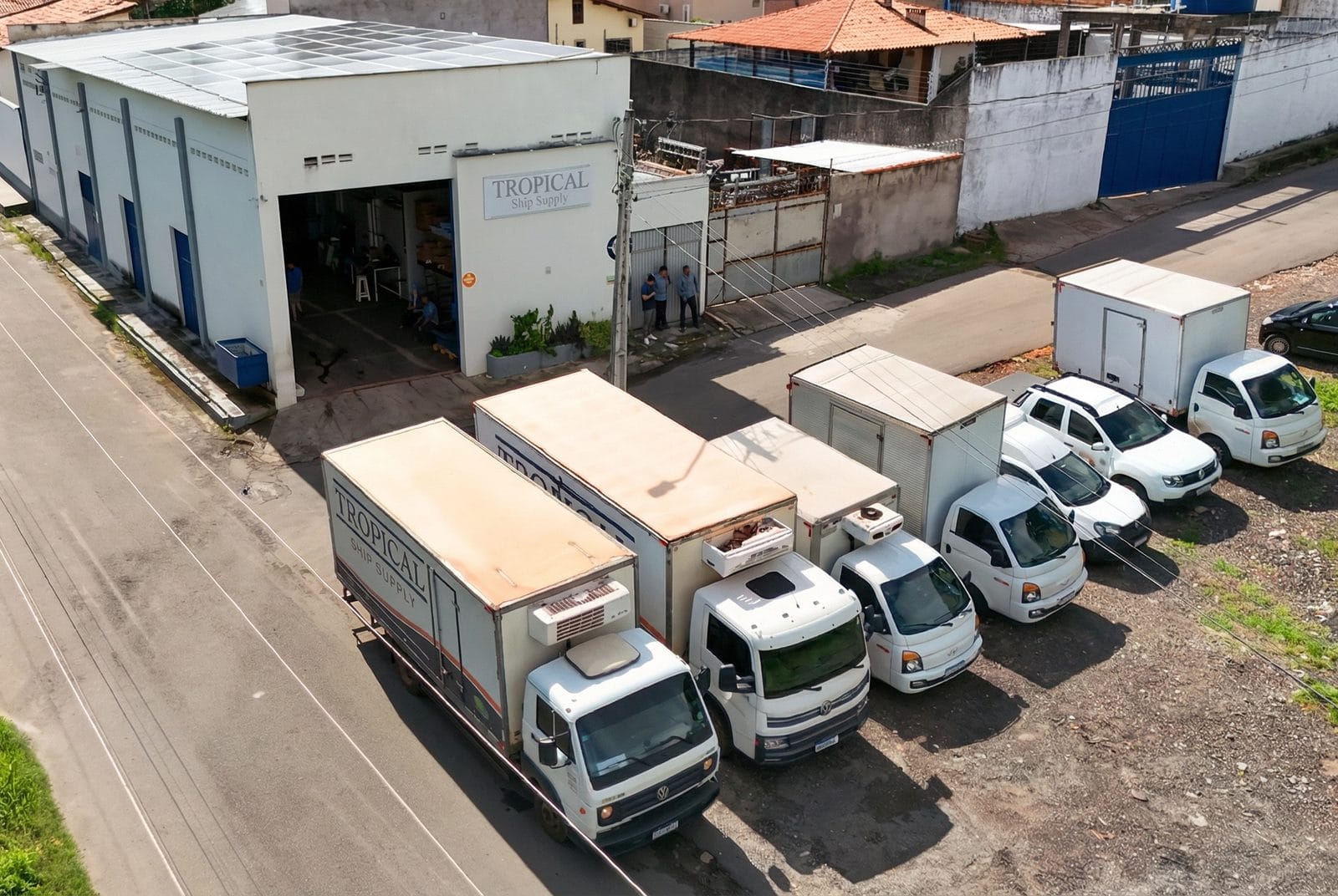
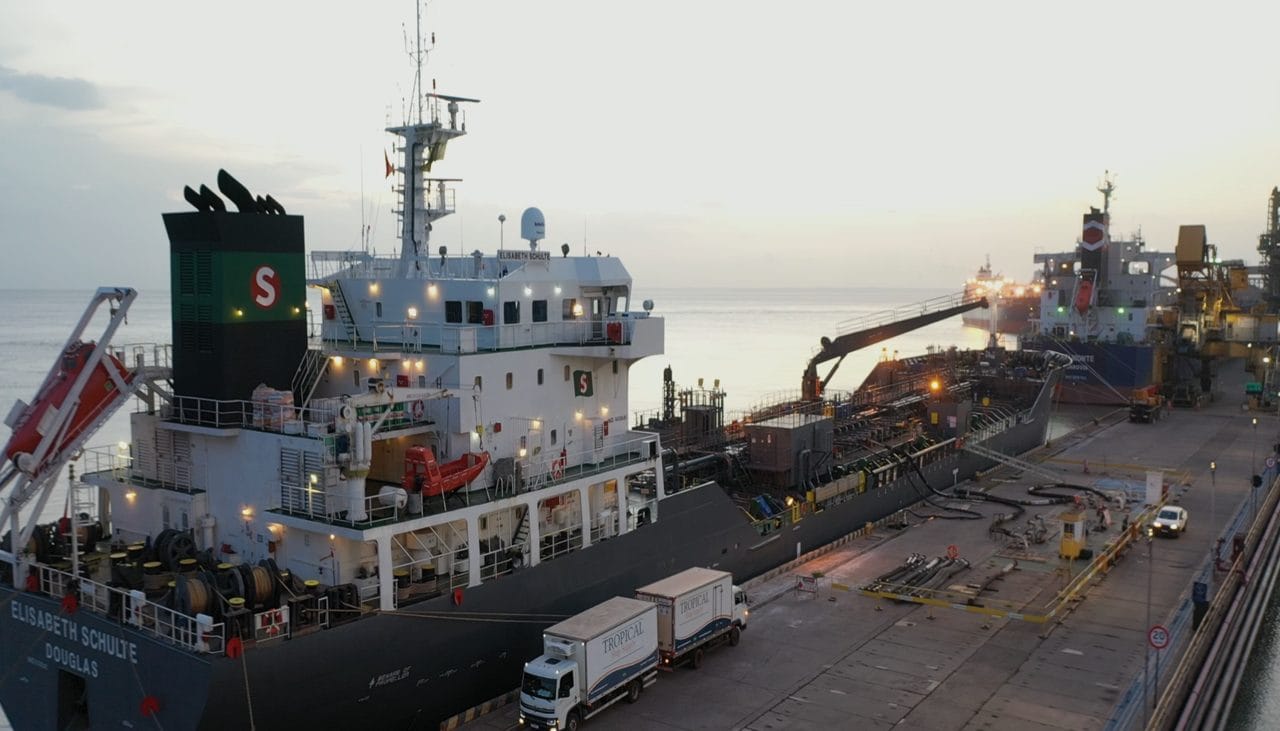
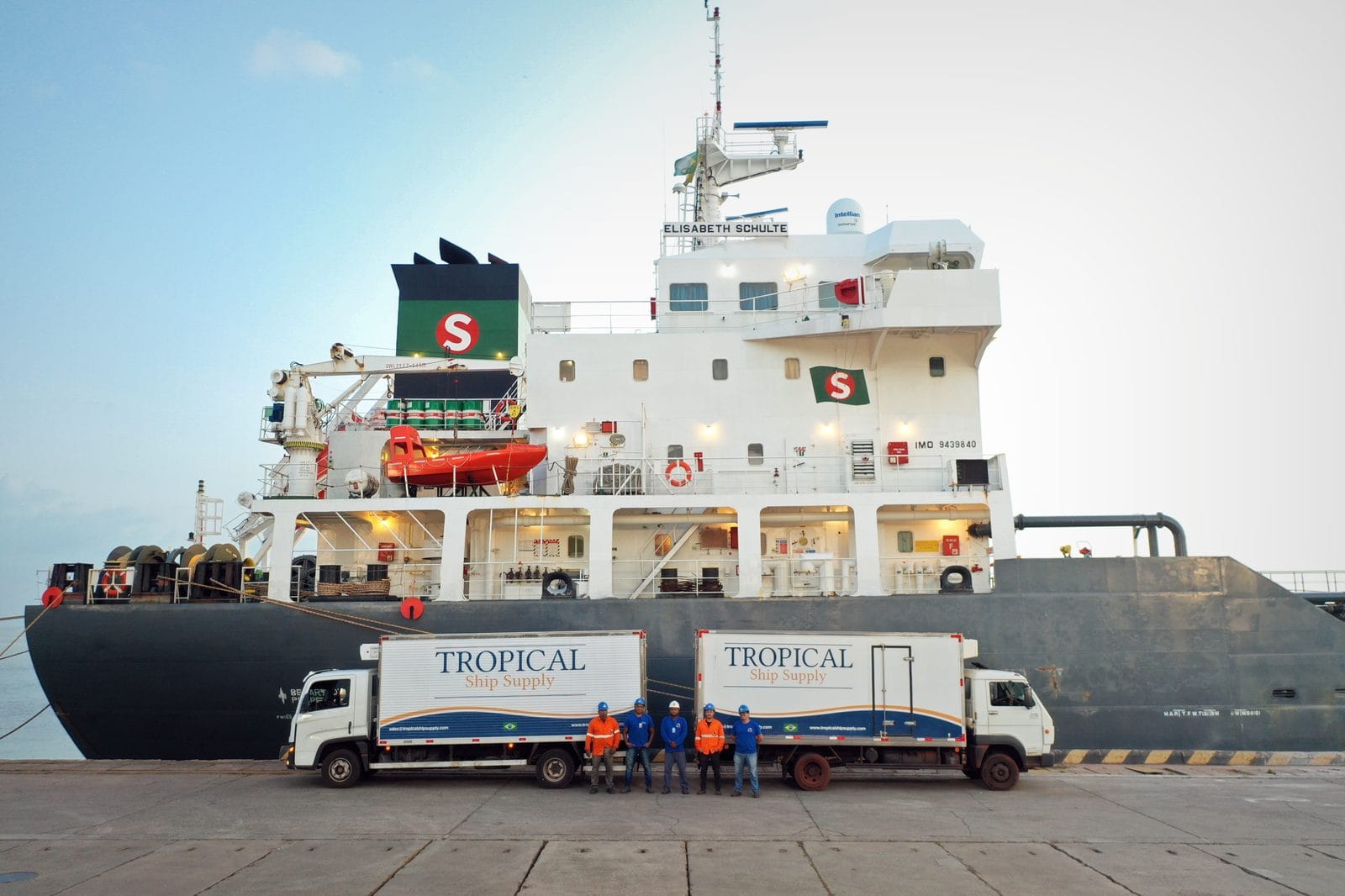
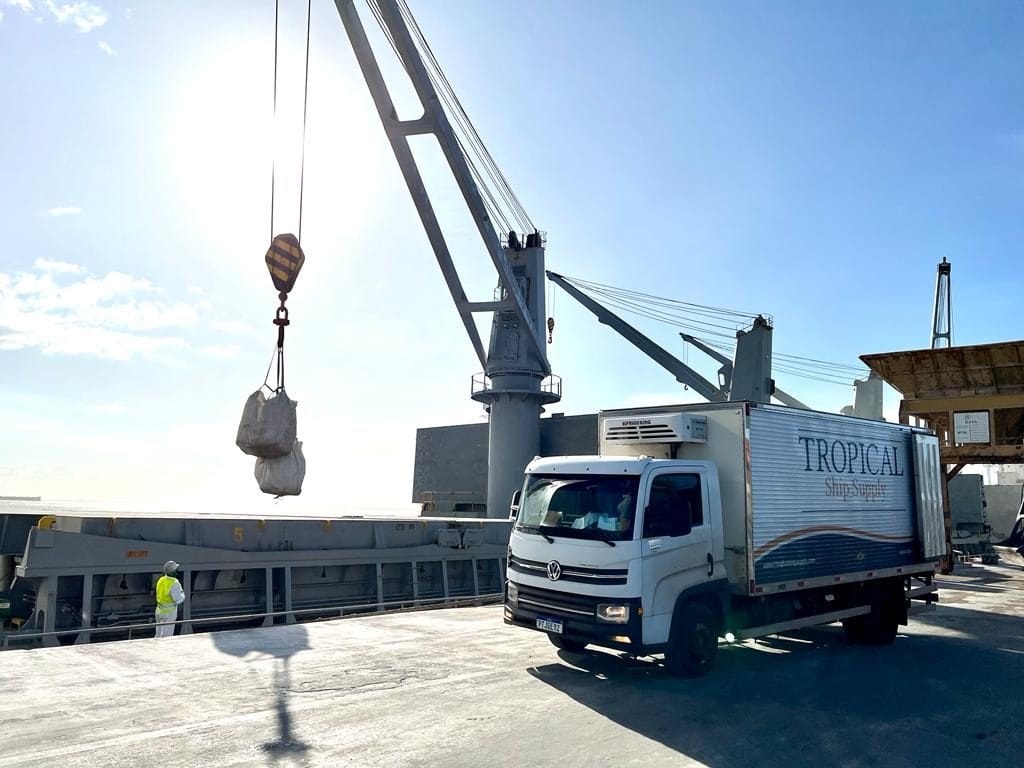
- Delivery execution: Our local, branded vehicles and trained crews move at ports’ pace. We monitor, adapt, and communicate in real-time to overcome unexpected slowdowns or logistical challenges.
With each step, communication is constant. Updates, adjustments, and confirmations are sent directly to masters, agents, and owners, keeping all involved parties informed and stress-free.
 Best practices for avoiding friction during deliveries
 Best practices for avoiding friction during deliveries
Preparation pays off: the more we know about your vessel schedule and specific needs, the fewer the risks of delay, miscommunication, or extra costs. Here are the habits that set us apart when serving ships in Brazilian waters:
- Maintaining updated port cluster intelligence across the team
- Pre-booking authority inspections where possible
- Building buffers into schedules for weather and labor issues
- Customizing supply packages to reduce port-side handling
- Ensuring every document is pre-approved and accessible
- Using advanced tracking for real-time cargo status
If a port cluster changes its window policies or a strike affects operations, we respond—immediately—adjusting strategy and keeping your voyage on track.
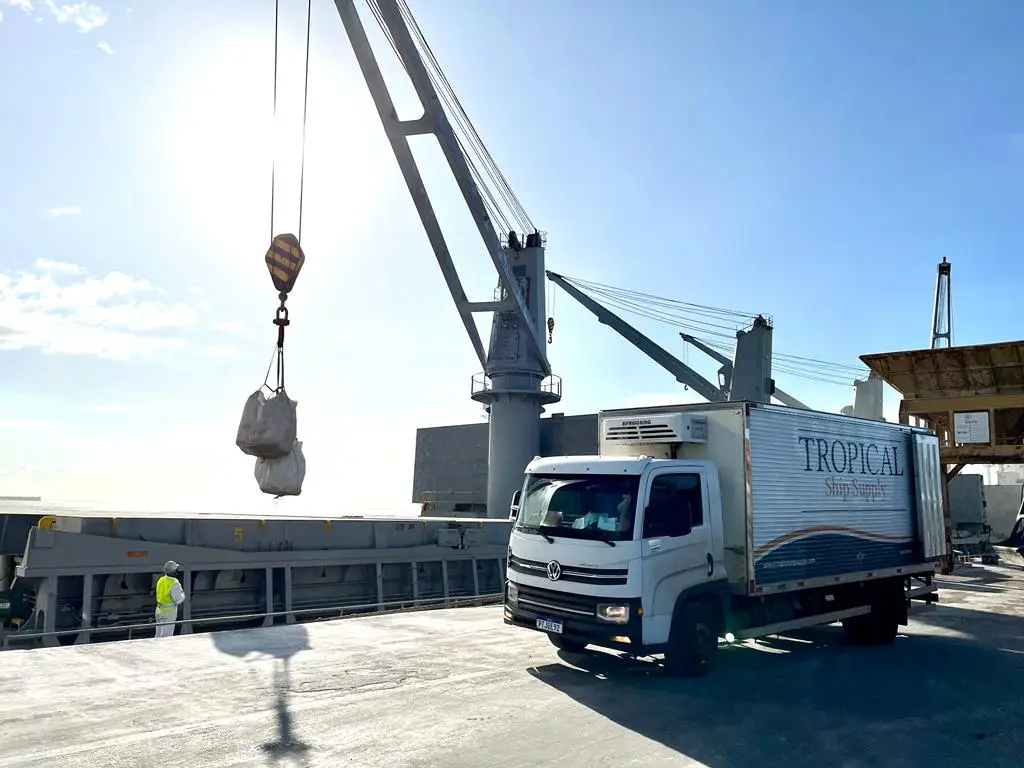 Our team’s local presence at Brazilian ports means we’re not just arranging from afar. Tropical Ship Supply Ltd. can react on the ground, make calls, and clear issues fast—giving clients peace of mind and the time to focus on other priorities.
“Deliveries should make your port call easier. Not more complicated.”
Building lasting relationships through transparency and reliability
In our years serving shipowners, agents, and crews, we’ve learned something fundamental: reliability is built on transparency and communication. Our success at Brazil’s busy ports comes not just from on-time deliveries, but from the trust we develop journey after journey. That trust is the result of clear processes and living up to our promises.
By frequently updating our clients, sharing possible risks, and giving honest timelines, our company keeps surprises to a minimum. We know that in maritime supply, every delay can echo down a voyage. That is why our workflow always prioritizes immediate feedback and radical transparency.
Environmental care and responsible operation
We take pride in supporting a greener, more sustainable maritime supply chain. Our use of renewable energy, eco-friendly packaging, and ongoing recycling initiatives backs up our promise to reduce our environmental footprint.
For environmentally aware vessels and clients, this is not just a bonus—it is becoming an expectation.
Leverage our local advantage
Finding the right partner in Brazil means everything for seamless port experiences. At Tropical Ship Supply Ltd., our knowledgeable professionals, wide port coverage, and dedication to service ensure your vessel’s supply needs are met on time, every time. To learn more about Brazilian port clusters and specific agency details, see our dedicated reference guides on key Brazilian gateways, essential port info for vessels, general ship supplier guidance, marine services and provisions, and our reliable solutions.
Our mission is to take the hassle out of your deliveries, with a people-first approach and absolute respect for your schedule.
Conclusion
Frictions in Brazilian port supply are common—but with proper planning, agile workflows, strong local relationships, and constant communication, they do not have to lead to complications. We invite you to experience Tropical Ship Supply Ltd.’s advanced approach for yourself: from local expertise to reliable delivery, we make it our job to let you focus on yours.
Ready for less hassle, more reliability, and true peace of mind the next time your vessel calls in Brazil? Reach out and see how we can transform your supply chain experience.
Ask us for a quote—let’s get your supplies delivered, with zero friction.
Contact our team and request a quote:Quotation@tropicalshipsupply.com+55 98 98347-0908 (24/7) WhatsApp
Frequently asked questions
What are Brazil port cluster restrictions?
Brazilian port clusters often enforce a set of restrictions including berth window times, draft and size limits, customs clearance requirements, local union labor rules, and weather-based operational pauses. Each port’s specific combination of restrictions can affect how and when vessels are supplied. Staying updated on local rules—something we do constantly—is key.
How to plan frictionless deliveries?
We plan frictionless deliveries by preparing all required documentation early, maintaining real-time communication with local authorities, pre-booking supply windows, monitoring weather and labor forecasts, and prioritizing reliability. Customizing every delivery to the port’s unique demands prevents delays and extra costs.
Which ports have the strictest windows?
Ports with heavy export-import traffic or challenging access—like Tubarão, Vila do Conde, or some terminals in Santos—may enforce tighter windows and stricter berthing protocols. These clusters require even more rigorous advance planning and flexible supply timing.
Where to find common port workflows?
You can learn about typical port workflows in our dedicated guides at the Tropical Ship Supply Ltd. resource center. We organize step-by-step processes covering documentation, authority interaction, and supply logistics for all major Brazilian ports.
How can I avoid port delivery delays?
To avoid delays, always work with a team that stays updated on local situations, builds buffers in supply schedules, and maintains ongoing contact with both vessel crew and port agents. Quick adaptation, thorough preparation, and local physical presence are our top tools against delivery setbacks.