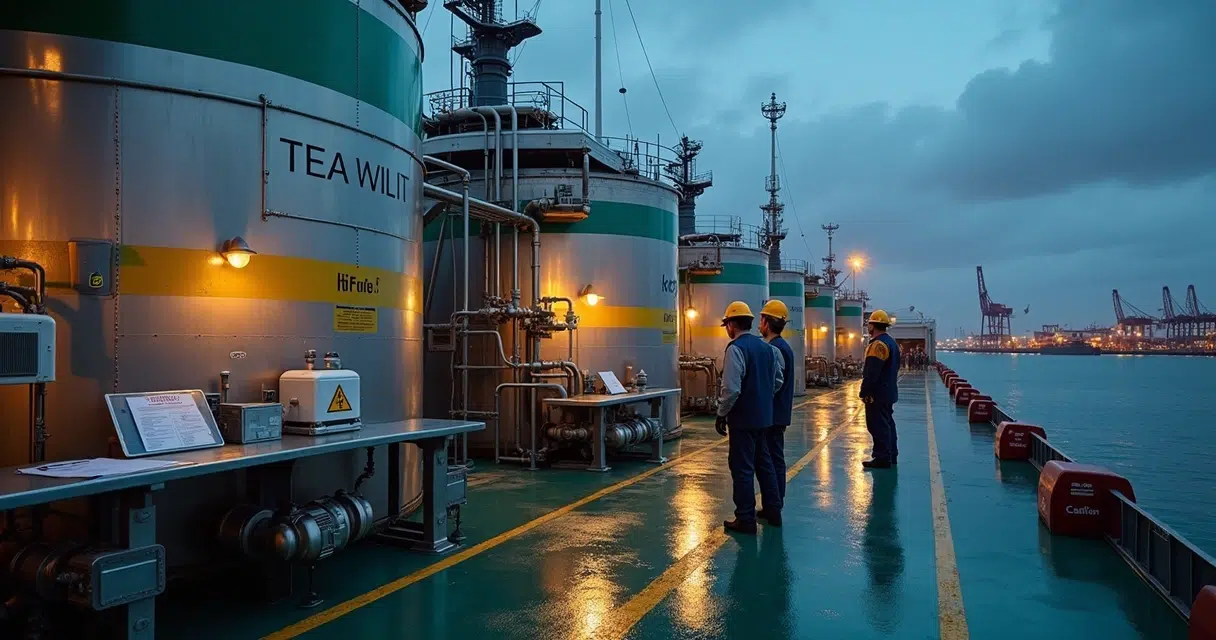
In recent years, our industry has faced mounting pressure to adopt alternative fuels as part of the broader effort to decarbonize maritime logistics. At TROPICAL SHIP SUPPLY LTD., this has become an integral part of both our practical operations and our vision for the future. Understanding how biofuels, methanol, and ammonia influence standard operations, storage needs, and routines is critical—not just for vessels, but for every partner across the supply chain.
Why the maritime industry is shifting fuels
We are witnessing a global transformation as vessel operators push toward net-zero emissions, motivated by regulatory signals such as the IMO GHG Strategy 2023-2030. This has made alternative fuels a topic of deep relevance for ship suppliers in Brazil and beyond. To stay ahead, it’s useful to recognize not just the benefits, but the operational changes these fuels demand. Our team sees these every week at ports, and we continually adapt to keep our promise of timely, reliable supply.
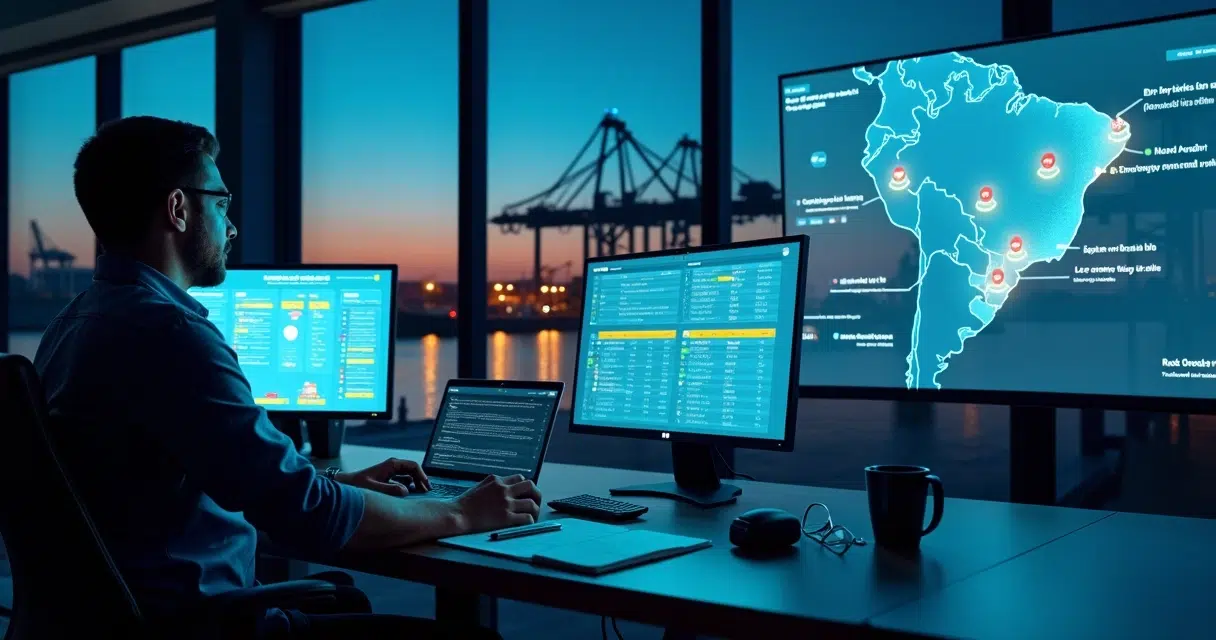
Switching fuels impacts nearly all consumable routines and storage on board.
How alternative fuels affect consumables and procurement
Shipboard consumables are much more than just provisions—they include lubricants, cleaning agents, safety equipment, and even food that needs to be safely stored around evolving technologies. Here’s what changes when a vessel switches to alternative fuels:
- Biofuels: Typically compatible with existing engines, but can have solvent-like effects, loosening old deposits and potentially contaminating filters. Lubricants may need to be upgraded to withstand more water or corrosive byproducts.
- Methanol: Non-corrosive to most metals, but highly soluble in water. It can mix with moisture or food stocks if storage areas are poorly segregated. Crew safety routines must emphasize spill prevention and monitoring for leaks or vapors.
- Ammonia: Toxic if inhaled, highly reactive, and needs vapor-tight clothing and special gas detectors. Emergency gear must be stocked up, and food areas protected with strict barriers from chemical fumes.
Each change in fuel brings a ripple effect through both core necessities—like food and water—as well as technical consumables, often requiring new procurement procedures and closer communication between ship and supplier.
 Changes in storage and onboard infrastructure
 Changes in storage and onboard infrastructure
Transitioning fuels changes the storage landscape. Methanol and ammonia, for example, are less energy-dense than marine gas oil, so ships require tanks up to three times larger for equal range. This creates challenges not only for design, but everyday routines regarding space, maintenance, and cross-contamination.
- Biofuels are susceptible to water contamination and microbial growth if not rotated and monitored—tanks must be inspected frequently, and filters or biocides may be needed more often.
- Methanol is compatible with stainless steel but not with some rubbers or coatings used in older tanks. Upgrades and material compatibility checks are vital; even the U.S. EPA highlights risks of corrosion and material failures in traditional storage systems for emerging fuels.
- Ammonia requires completely sealed, pressurized tanks, with robust ventilation even in surrounding spaces. An accidental release will demand immediate and well-rehearsed evacuation procedures.
Studies from Sustainable Ships show that methanol requires up to 2.5 times more tank space, ammonia three times, and liquid hydrogen between four and five times more volume than VLSFO. Onboard routines, stocking, and even galley planning must shift to accommodate this loss of volume for traditional goods.
The evolving routines: safety, training, and checks
Adopting new fuels isn’t only about what goes into the tank or where it’s stored. It changes how we prepare and train crews, schedule maintenance, and carry out safety drills. Our experience supplying ships throughout Brazil has shown us where the real differences are:
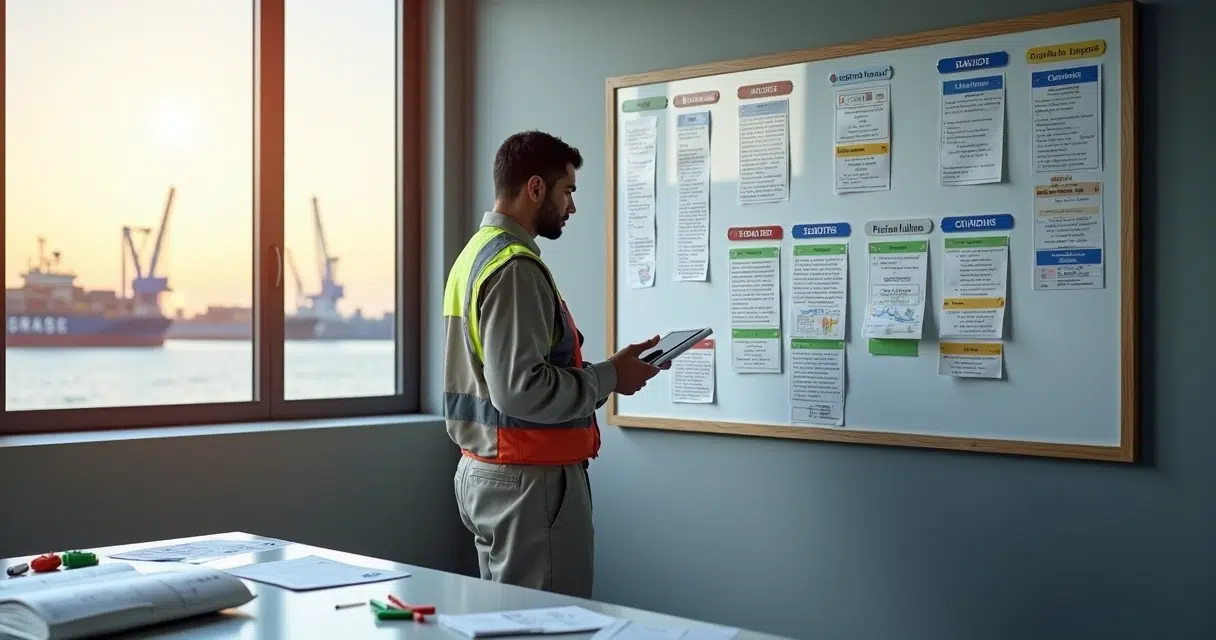
Preparation goes beyond storage—everyday routines adapt with every new fuel.
- Regular gas detector calibration and emergency response drills are part of the schedule, especially for methanol and ammonia. This means more consumable safety gear, more frequent checks, and updated signage throughout storage and accommodation areas.
- Biofuels, while less hazardous in many ways, demand careful attention to microbial growth, sludge, and separation from water-sensitive stores like food or medicines. Reports from IEA-AMF underline the risk of phase separation and the need for careful tank management when dealing with fuels like ethanol.
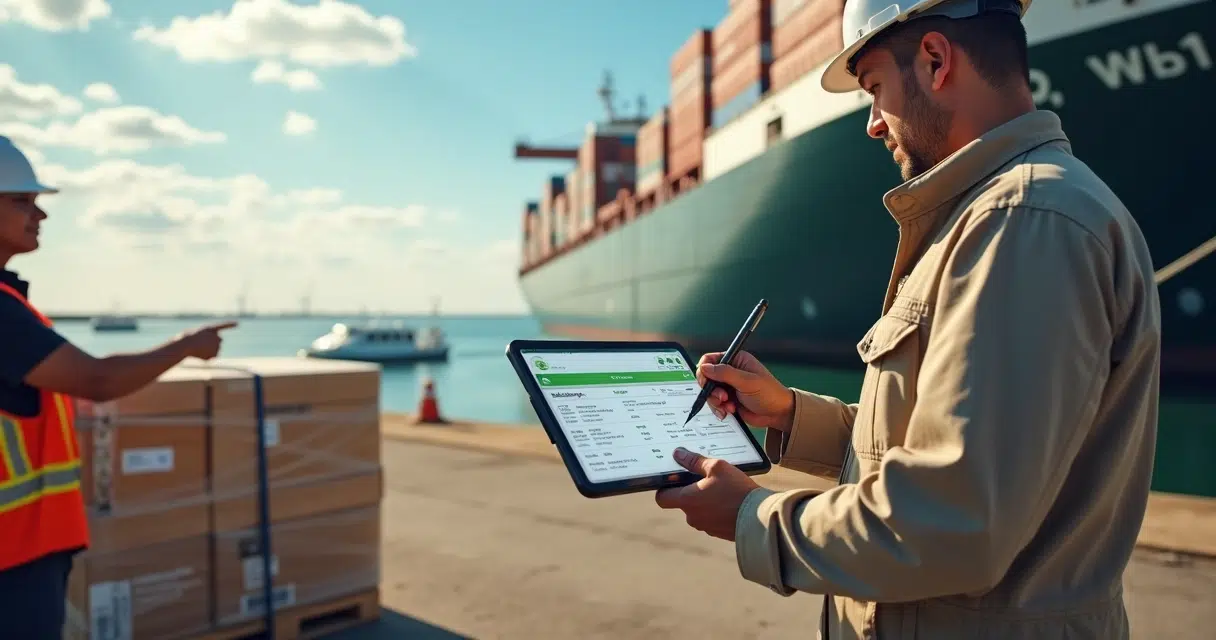
Crew routines and safety checks evolve to prioritize spill containment, air quality, and correct stock segregation.
Environmental and supply chain aspects
The environmental angle influences both supply and disposal. At TROPICAL SHIP SUPPLY LTD., our sustainability commitments mean we advocate for responsible sourcing, renewable energy usage, and strict tracking of how packaging and chemical residues are managed. Research by ITOPF indicates that biofuels can have similar environmental risks to conventional oils in case of spill, underlining the need for robust spill preparedness and response.
We work closely with ports, authorities, and clients to coordinate safe, reliable bunkering and supplies, aware that the vessel’s new fuel may interact differently with on-board stores and even with waste management requirements.
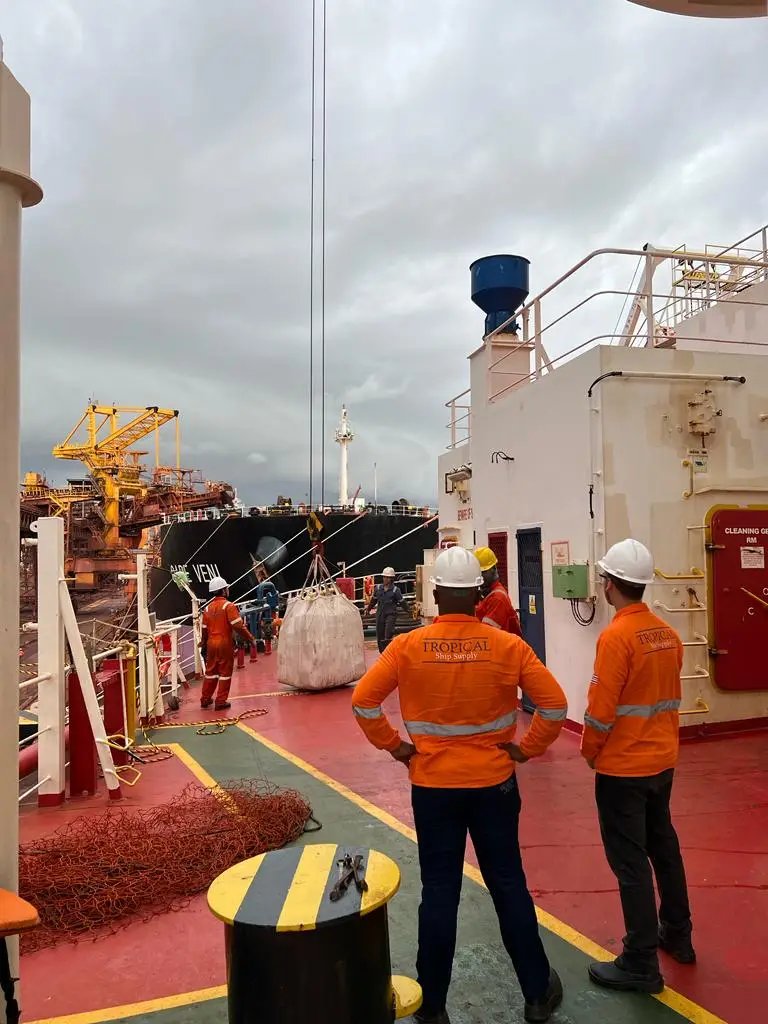 Investing in supply chains and infrastructure is highlighted by the OECD as essential for enabling widespread use of alternative fuels. This impacts everyone providing marine logistics in Brazil, requiring forward-looking investment and careful safety planning.
What this means for ship supply services
At TROPICAL SHIP SUPPLY LTD., we take an adaptive approach to alternative fuels, working hand-in-hand with vessels and agents to forecast, monitor, and resolve any procurement challenges that arise. This isn’t just about fuel—it’s about understanding how every shipping innovation impacts routines, food safety, emergency response, and even the type and quantity of cleaning products we deliver.
Our team is constantly trained on the latest safety standards and material requirements, ensuring both compliance and proactive readiness. Combined with our sustainability focus, this keeps us ready for whatever fuel the next call brings.
For those seeking deeper insight into maritime decarbonization paths and the implications for Brazilian and global supply logistics, we recommend following our updates on:
- decarbonization dilemmas in Brazil
- offshore wind and green hydrogen
- IMO checkpoints for maritime supply chains
- emission pricing and regulatory costs
- sustainable ship supply and ESG topics
Conclusion
 Conclusion
The path toward alternative fuels is reshaping maritime supply routines, impacting everything from storage systems to daily consumable needs and the technical fabric of maintenance. At TROPICAL SHIP SUPPLY LTD., we view these changes as a chance to champion reliability, innovation, and safe operations at every port we serve.
By aligning our supply services with the needs of new fuels, we help our clients navigate this transition while maintaining transparency, quick delivery, and a sustainable approach in line with global decarbonization goals.
Ready to transform your vessel’s support routines and discover how modern ship supply adapts to fuel innovation? Reach out to our team for an agile, transparent partnership shaped by years of industry expertise.
Frequently asked questions
What are alternative fuels for ships?
Alternative fuels for ships include biofuels, methanol, and ammonia. These options are adopted for reducing emissions and meeting new decarbonization standards, each with their own storage and handling requirements.
How do biofuels affect onboard routines?
Biofuels can lead to more frequent tank inspections, filter changes, and monitoring for water and microbial contamination. Consumable management and routines must adapt to ensure reliable fuel performance and food safety.
Is ammonia safe for marine storage?
Ammonia requires specialized, sealed tanks and strict safety protocols because it is toxic and reactive. Proper ventilation, emergency equipment, and crew training are vital to maintain safety on board ships using ammonia as fuel.
How does methanol impact maintenance needs?
Methanol is highly soluble in water and can lead to corrosion in incompatible materials. Maintenance must include compatibility checks, regular monitoring for leaks, and upgraded safety protocols to avoid exposure and ensure reliable operation.
Are alternative fuels worth the switch?
Switching to alternative fuels supports environmental objectives and long-term compliance. However, it requires significant investment in storage, safety routines, and supply chain adaptation. With the right planning and partners, as we do at TROPICAL SHIP SUPPLY LTD., the transition can be both safe and beneficial for modern shipping operations.