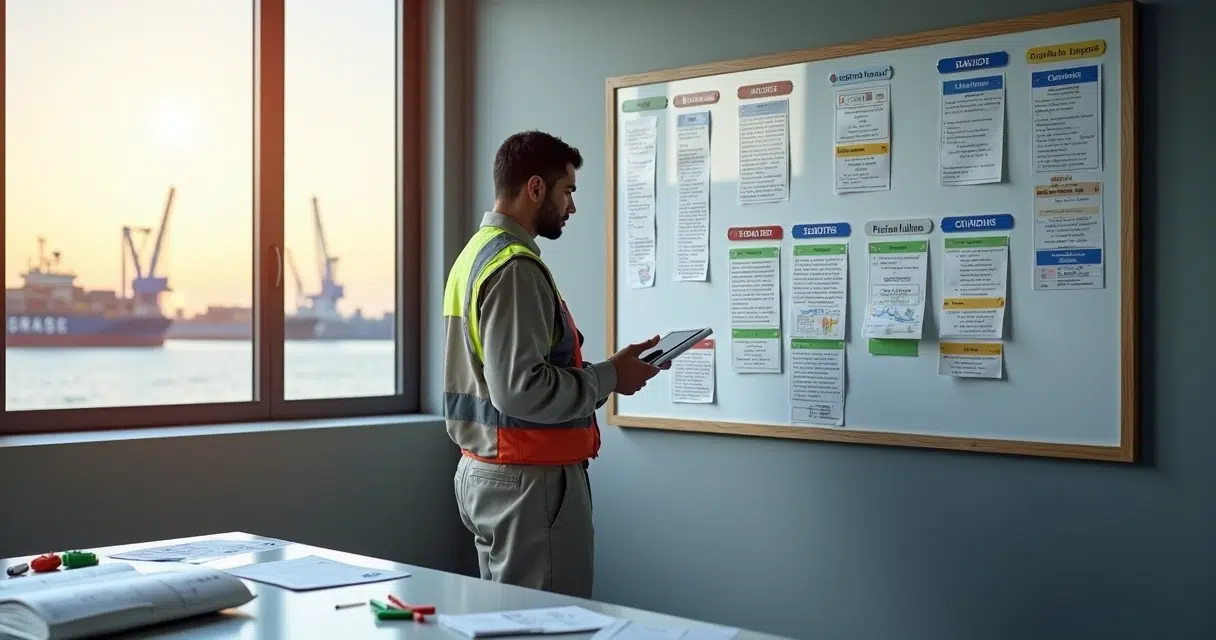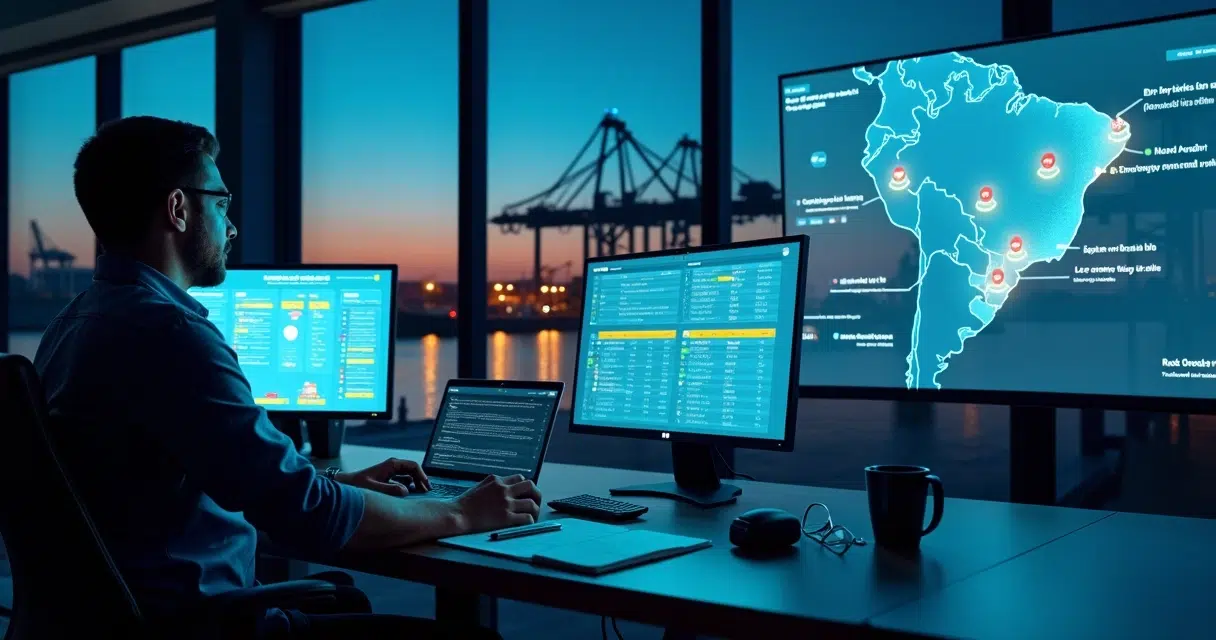
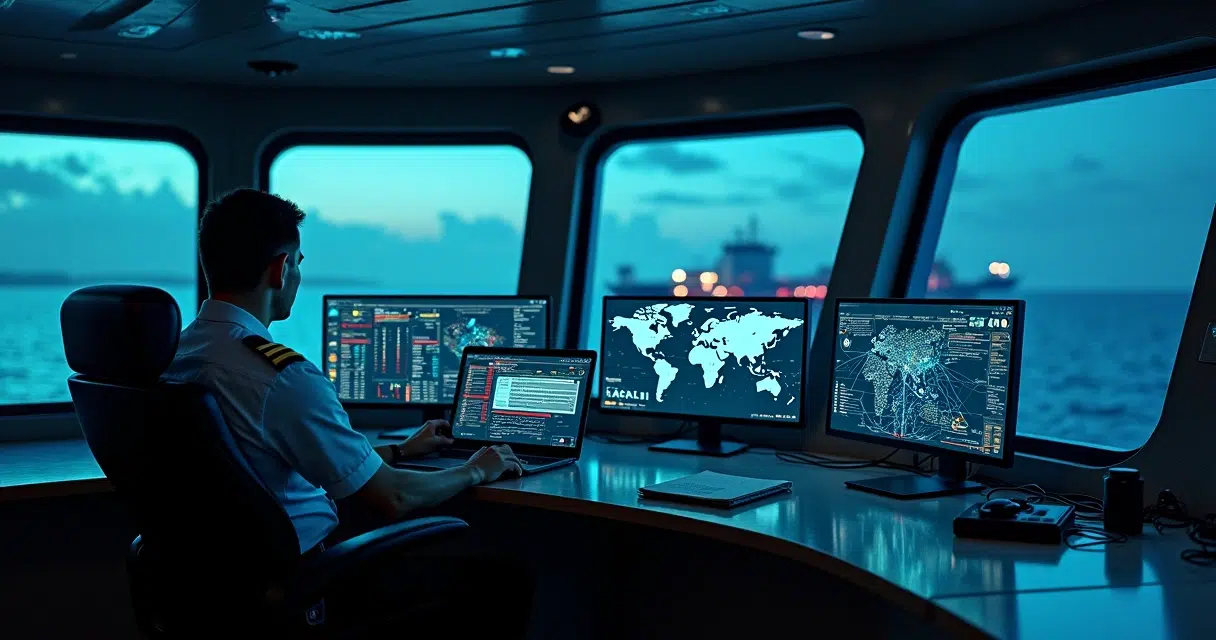
Maritime operations connect continents, power world trade, and enable global business. As a ship supply company working across Brazil, we at Tropical Ship Supply Ltd. understand how digital networks and onboard technology now drive the delivery of provisions, charts, and much more to vessels. Yet, this technological progress comes with serious cybersecurity challenges that can disrupt service, threaten safety, and even put entire voyages at risk.
The reality of cybersecurity risks onboard
Maritime systems have changed. Bridging the gap between shore and ship, digital integration has made operations smoother, but vulnerabilities are more exposed than ever. Some of the highest-profile cyber incidents in recent years have shown that ships, their crew, and supplier networks are prime targets for cyber attacks.
- Bridge navigation and communication systems are increasingly computerized and interconnected.
- Suppliers and crew often use mobile devices and Wi-Fi, which can be exploited if unsecured.
- Critical onboard systems—engine management, cargo handling, or even refrigeration units—now depend on software controlled by remote access.
When a cyber attack happens at sea, consequences are real and immediate. Operations can grind to a halt. A compromised chart system could steer a vessel off course. Attackers may even try to hold data hostage, demanding payment from shipping operators.
The International Maritime Organization has set detailed guidance for risk management, outlining how to assess and reduce threats while embedding cybersecurity within safety protocols in its cyber risk management recommendations.
 What are the main cybersecurity risks for crew and suppliers?
 What are the main cybersecurity risks for crew and suppliers?
We have seen from our work in Brazilian ports that cyber risks are as much about people and habits as they are about machines. Understanding common threats is the first step for all involved, from the bridge to the dock.
- Phishing and social engineering: Attackers trick users through fake emails, messages, and links that capture sensitive information or infect systems.
- Malware introduction: Unsecured devices and infected USB sticks can spread ransomware or spyware throughout ship systems.
- Unpatched software: Failing to update navigation, safety, or logistics software leaves critical vulnerabilities, giving hackers an open door.
- Weak authentication: Shared or poorly managed passwords empower unauthorized access—from both outside attackers and insiders.
- Supply chain attacks: Threats don’t only target ships; suppliers and shoreside agents are equally exposed, creating a path for attacks to leap from shore to sea.
Small mistakes in cybersecurity can snowball into major incidents.
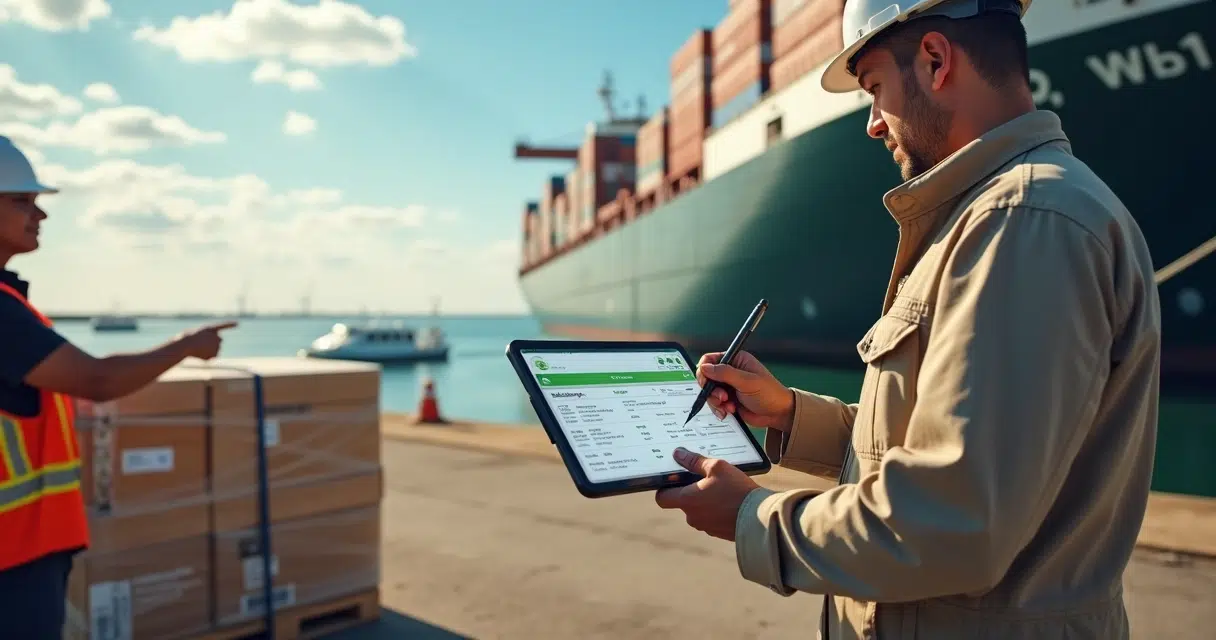
As part of our everyday ship supply services, we see firsthand how layered digital access—from ECDIS navigation terminals on the bridge, to the tablets used by stevedores for manifest checks—needs tight control to keep threats away.
Best practices: What works for the maritime industry?
Cyber risks are complex, but best practices are straightforward and practical. Drawing on official IMO recommendations and our own industry experience, we know that effective cybersecurity is everyone’s responsibility—crew, suppliers, and management.
For onboard crew
- Training and awareness: Crew should receive regular training sessions to recognize suspicious emails, links, and network activity. This habit helps everyone respond fast and report incidents before damage spreads.
- Enforce device control: Only allow authorized devices to access ship networks. Adopt strict policies for USB and portable media use.
- Strong authentication: Encourage the use of individual accounts and strong, unique passwords rather than generic logins.
- Routine updates: Make sure navigation, communication, and other systems are promptly patched and kept up to date. Many attacks succeed because of outdated software.
For suppliers and shoreside partners
We recognize at Tropical Ship Supply Ltd. the chain is only as strong as its weakest link. Here’s what we and our partners must do:
- Verify and secure communications—encrypt sensitive information and avoid sharing credentials over email or unsecured apps.
- Supply chain cybersecurity—work only with trusted vendors and regularly review the security practices of partners.
- Coordination—share knowledge and incident updates, strengthening awareness across supplier and client networks alike.
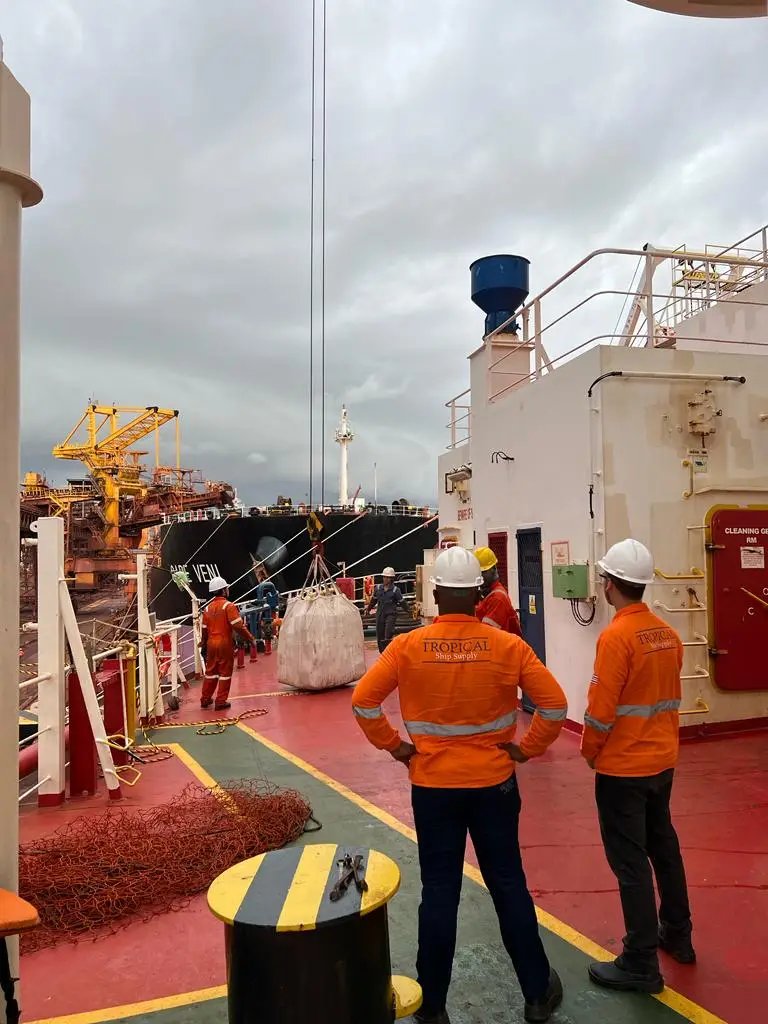 Our team abides by these protocols, reflected in our commitment to reliable partnerships and high-quality service in ports throughout Brazil.
Integrating cybersecurity with ship operations
According to guidance from the International Maritime Organization, cybersecurity must be woven into a vessel’s safety management system—not just bolted on after the fact. We have seen in recent maritime news from Brazil and abroad how regulatory pressure and escalating cyber threats make this integration urgent for everyone in maritime logistics.
Here is how we approach integration in practice:
- Conduct regular vulnerability assessments and cyber drills.
- Work closely with our shipping partners to review both IT and OT (operational technology) risks before every port call.
- Document procedures for incident response—every team member must know who to notify and what first steps to take during a suspected cyber incident.
Fostering a culture of cyber safety
A powerful lesson from our experience is this: Technology alone does not keep ships safe—crew and supplier vigilance do. Building a security-minded culture, from top officers to casual visitors, encourages everyone to own cybersecurity as part of their daily work.
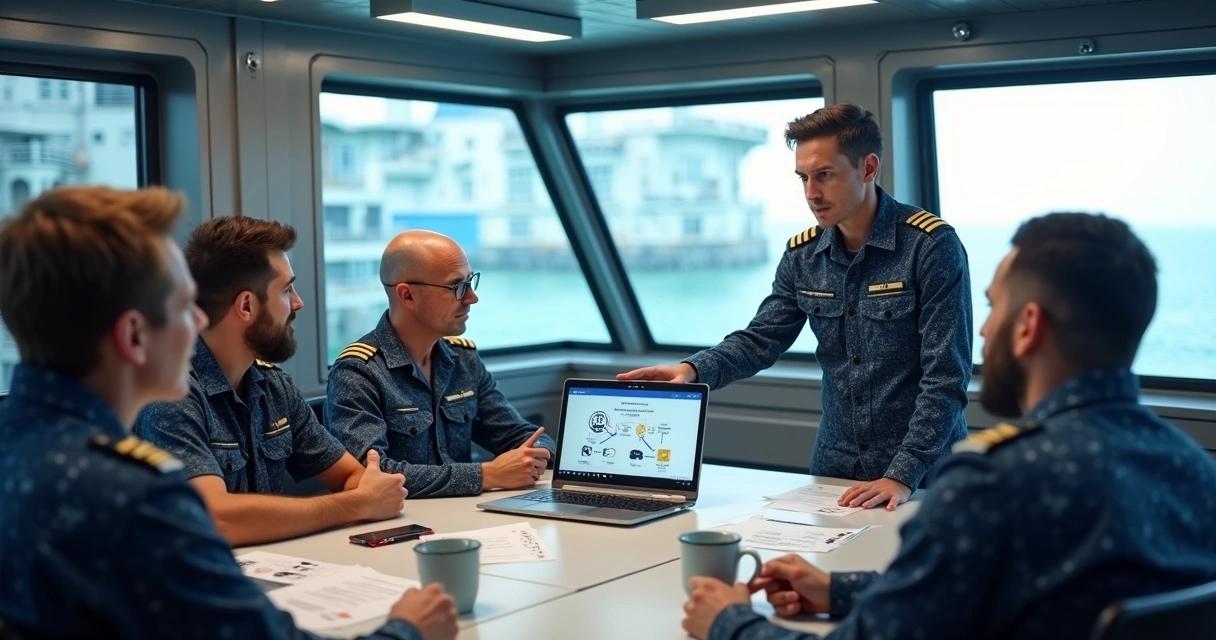 We keep our team and clients updated on changing risks and best practices with regular communication and updates, reinforcing this mindset in every interaction. Reliable delivery and encrypted logistics don’t happen by accident—they require attention, procedure, and partnership every single day.
Why Tropical Ship Supply Ltd. stresses cybersecurity in every delivery
Every day, ships move through Brazilian ports with cargo, data, and crews that depend on safe, timely, and uninterrupted operations. At Tropical Ship Supply Ltd., our reputation relies on reliability, speed, and the trust of vessels and agents. We know our clients expect not just dependable supplies but confidence that their information and operations are secure at every touchpoint.
When crews and suppliers work together, backed by training, updated technology, and a shared understanding of risks, we not only meet IMO regulatory guidance and industry standards, but create the peace of mind needed for every voyage.
Cybersecurity at sea isn’t just IT—it’s about people, collaboration, and trust.
Stay informed about preventive measures and updates, and you can find more on this topic and practical guides in our ongoing sections on safety equipment, marine logistics, and practical advice for reducing onboard shortages.
If you want greater reassurance and a seamless, safe supply experience in Brazil, we invite you to request a quote or simply connect with our team for an open discussion. Gain not just products—but a safety-oriented partner onboard every operation.
Frequently asked questions
What are common cybersecurity risks onboard?
There are several cybersecurity risks facing vessels and maritime operations: phishing attacks to trick users, malware from insecure devices, outdated software vulnerabilities, misuse of shared credentials, and threats embedded in supply chain communications. Each risk can disrupt navigation, cargo systems, or even the entire supply operation.
How can crew improve cybersecurity?
Crew members can make a major difference by participating in regular cybersecurity training, using only authorized devices on ship networks, maintaining strong and unique passwords, reporting suspicious messages, and ensuring all equipment and systems are kept updated to close software gaps.
What are best practices for suppliers?
Suppliers should use encrypted communication, verify vendor credentials, enforce access control for data, work with trusted partners, and communicate regularly about new threats and security updates within the chain. This ensures that no weak link compromises onboard cybersecurity.
How often should we update security protocols?
Security protocols should be reviewed frequently—at least once per quarter—and after any incident or discovery of new threats. Updates to software, crew policies, and supplier checklists should happen without delay to keep defenses current.
What is phishing in maritime cybersecurity?
Phishing refers to attempts to steal sensitive information or install malware by tricking users into clicking fake emails or links that appear legitimate. In maritime settings, phishing emails may target both crew and suppliers, often pretending to be from trusted business contacts or authorities.