
When we look back at maritime safety and environmental standards, few laws have the legacy and the continuing impact of the Oil Pollution Act of 1990 (OPA 90). Born from a string of headline-making disasters, OPA 90 dramatically shaped how we react, prepare, and recover from oil spills. At Tropical Ship Supply Ltd., we see the Act’s practical side unfold every day at ports across Brazil, helping us support vessel owners and operators committed to high standards of safety, environmental management, and operational excellence.
The wake of disaster: Setting the stage for OPA 90
The decades before OPA 90 saw devastating oil spills that shocked both governments and communities into action. The story starts in 1967 when the S.S. Torrey Canyon broke apart off the coast of southern England, pouring over 32 million gallons of crude into the sea. The coastlines of England and France were choked with oil, wildlife perished, and cleanup efforts proved slow and often fruitless.
Twelve years later, the drilling rig Ixtoc I suffered a blowout in Mexico’s Bay of Campeche. For nearly ten months, oil gushed into the Gulf of Mexico—an estimated 138 million gallons—crossing borders and soiling beaches from Mexico to Texas. Both incidents exposed a troubling reality: existing policies and response efforts were not up to the task of large-scale marine oil disasters.
Then, in 1989, the Exxon Valdez supertanker struck Bligh Reef in Alaska’s Prince William Sound. Millions of gallons of North Slope crude spilled into pristine waters, damaging fisheries, killing wildlife, and challenging the very core of community life. The intense media coverage and public outcry forced the U.S. government to rethink its entire approach to spill response. One especially forward-thinking step was the creation of Alaska’s regional citizen advisory councils (RCACs) in Prince William Sound and Cook Inlet. These RCACs gave the local community a voice in overseeing oil and gas operations, proving that direct involvement can guide safer and more responsible industry practices.
OPA 90 was the answer to collective outrage and a catalyst for real change.
Rewriting the rules: Stronger spill response authority
We see how vital strong federal leadership is. OPA 90 amended the Clean Water Act, especially its Section 311, to hand the federal government full command over oil spill responses when necessary. Now, the President’s power, often carried out by the U.S. Coast Guard and EPA, lets officials direct or supervise any cleanup—no matter the spiller’s involvement. There can be no confusion, no passing the buck, when oil threatens communities and coastlines.
OPA 90 expanded the National Contingency Plan for oil spill preparedness, requiring companies, agencies, and responders to be ready for worst-case scenarios. Plans now demand procedures for robust coordination and fast action, helping avoid chaos on a spill site.
Mandatory response plans and double-hull revolution
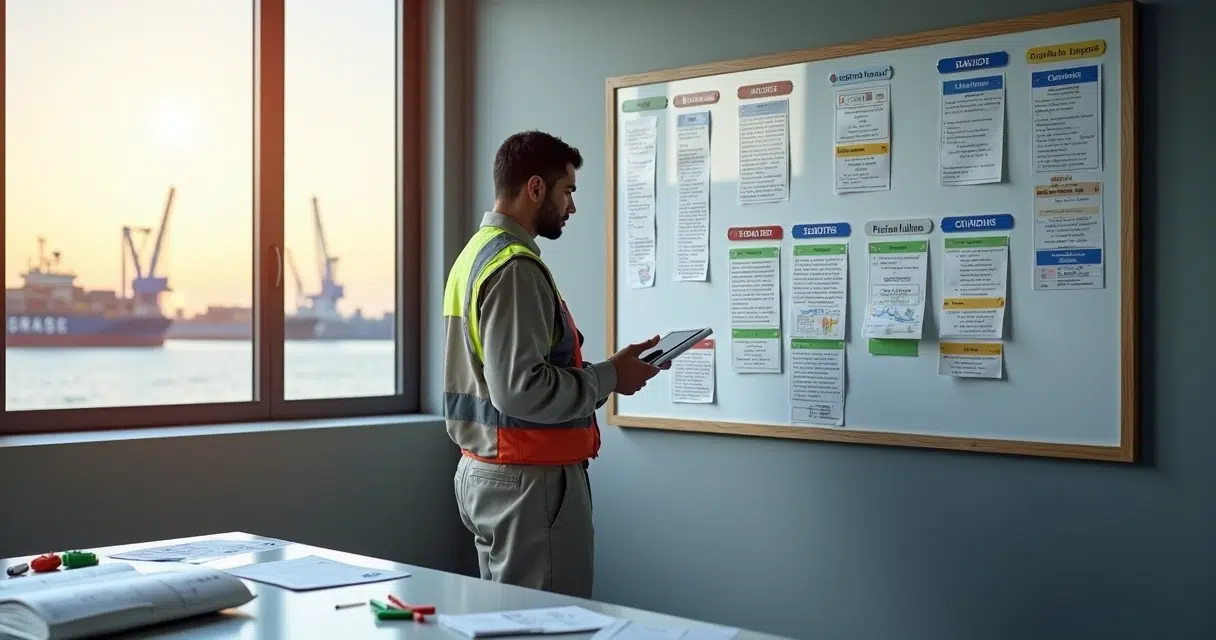
One of the law’s most concrete impacts is the requirement that all tank vessels and offshore facilities develop federal agency-approved response plans. If a ship or facility can’t show it’s ready, it simply cannot carry, handle, or store oil in U.S. waters. These plans must be detailed and comprehensive, describing every step to be taken if the worst occurs, including how to protect sensitive environments, coordinate with authorities, and ensure communication across borders.
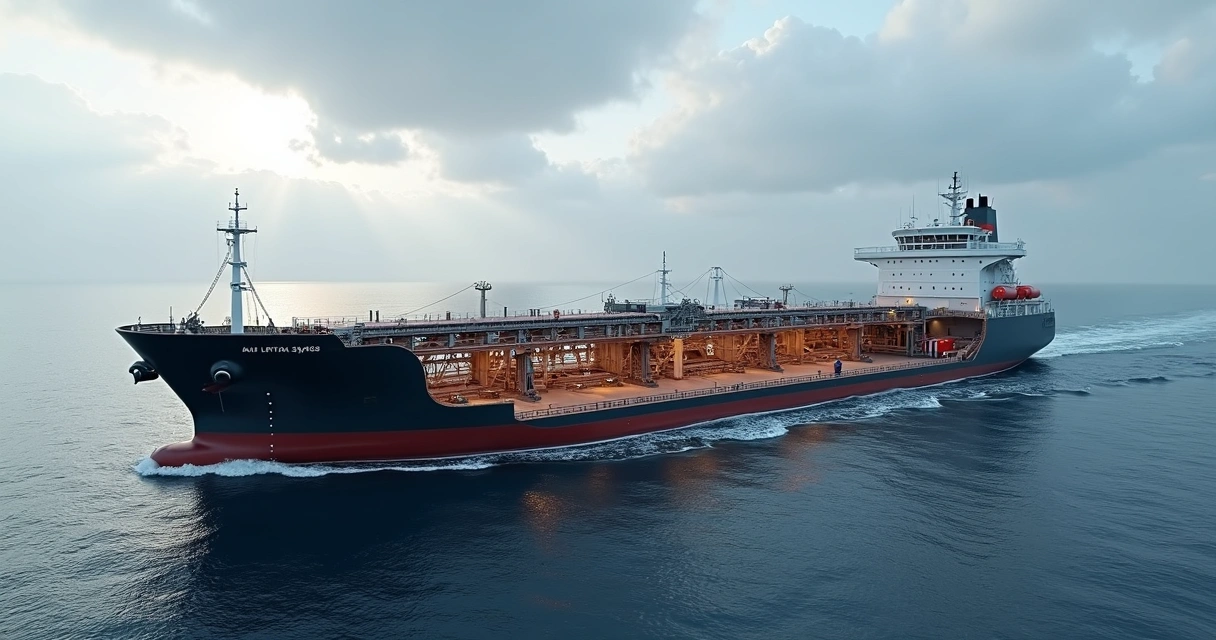
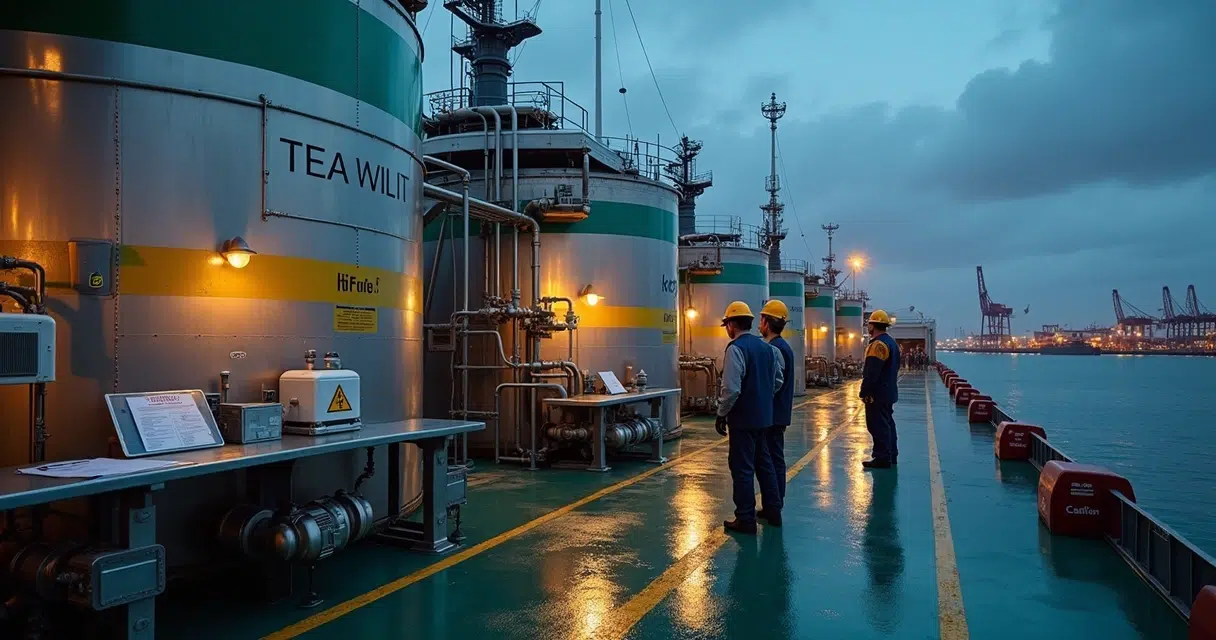
Perhaps the single most visible change was the gradual replacement of single-hull tankers with double-hull vessels. By 2010, all tankers in U.S. trade had to meet this safer standard—a quiet but profound advance. Double hulls don’t just stop leaks; they also force attention to operational discipline and preventative maintenance. They’ve played an understated role in preventing disasters, even as they required significant investment and planning across the shipping industry.
Assigning accountability: Expanded liability and broader damages
We believe responsibility must be clear—and OPA 90 made it so. The Act increased liability limits, ensuring that more than just the direct response costs can be recovered. Gone are the days when only governments could demand compensation. OPA 90 let individuals, communities, and organizations claim a wider array of losses, including:
- Damage to natural resources
- Loss of personal or corporate property
- Costs for injury to subsistence users
- Loss of government revenue or public services
- Restoration and assessment expenses
OPA 90 assigns specific liability depending on the kind of vessel or facility responsible, creating new legal clarity as well as better incentives to invest in safety and prevention.
The real-world test: Deepwater Horizon and OPA 90 in action
The greatest test of OPA 90 came with the Deepwater Horizon disaster in 2010. For 87 days, nearly 134 million gallons of oil gushed into the Gulf of Mexico, fouling the shores from Louisiana through Florida—affecting over 1,300 miles of coastline and 43,300 square miles of ocean as measured by federal agencies (NOAA findings, impact study).
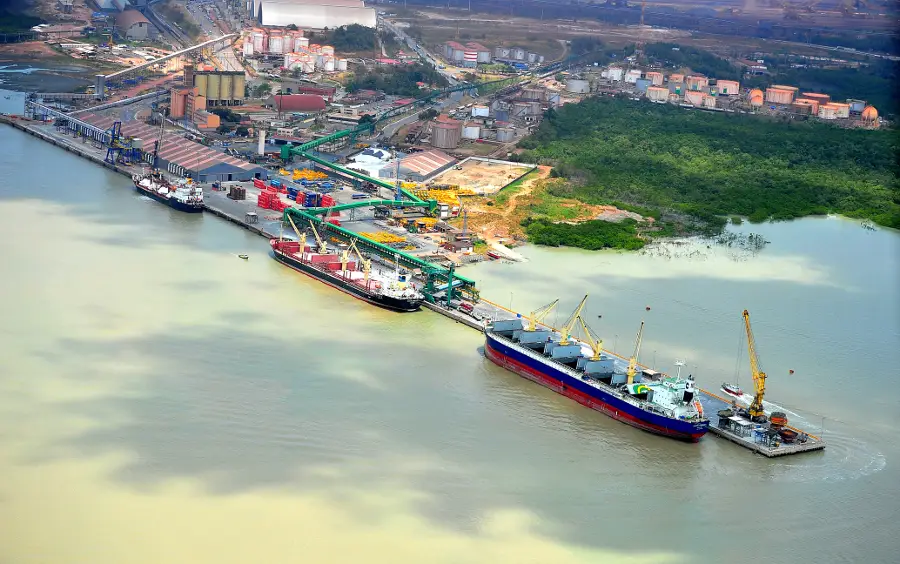
Under OPA 90, the Coast Guard assumed command of the “Unified Command,” bringing together federal, state, and local agencies and thousands of vessels—including many local fishing boats—for the cleanup effort. BP, as the responsible party, was compelled to respond and eventually paid more than $65 billion in fines, claims, and damages (Marine Mammal Commission report).
OPA 90 mechanisms allowed the Natural Resource Damage Assessment trustees to act quickly, collecting evidence, calculating the scope of ecological harm, and securing $1 billion up front specifically for Gulf restoration. This process added speed, transparency, and fairness that previous disasters had sorely lacked.
Double-hull tankers and robust response plans prevented true catastrophe from becoming routine.
Yet, real-world experience revealed that the liability limit for offshore facilities—just $75 million—was far too low for such massive losses. BP’s “gross negligence” nullified the cap, but it highlighted the gap between law and large-scale risk. Further, the required response plan for Deepwater Horizon underestimated the real-world threat, partly due to regulatory processes that had not kept pace with rising drilling complexity and spill potential.
Lessons still clear at sea and at port
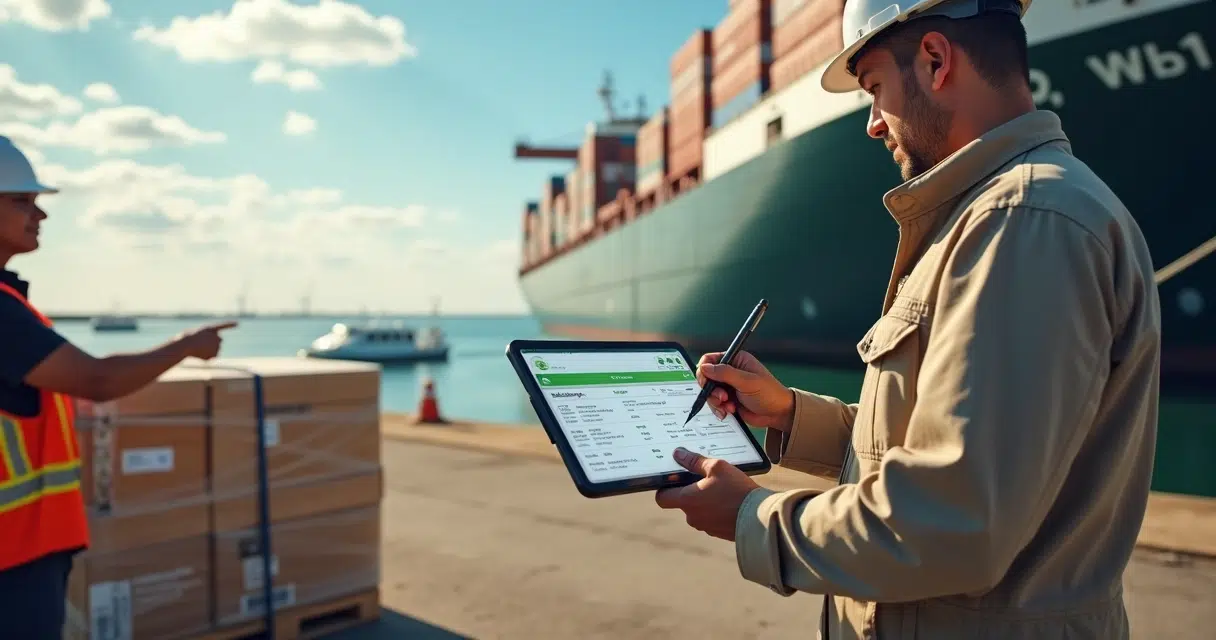
We serve vessels in Brazil’s strategic ports, offering supplies and support tailored to clients who must meet, and often exceed, OPA 90-style standards for safety and readiness. Our experience tells us that strong frameworks truly matter—they set clear expectations, foster community trust, and ensure accountability at every step.
The evolution of spill response laws is a reminder that the real test comes in practice, not on paper. For maritime companies sourcing reliable support, including those we assist at Tropical Ship Supply Ltd., knowing these standards—and seeing them work—gives confidence. Our commitment to sustainability and quality aligns with the OPA 90 vision, echoing its principles in every port and for every vessel.
Conclusion
Thirty years on, the Oil Pollution Act of 1990 still sets the pace for oil spill readiness and responsibility. While not perfect, it laid the groundwork for robust planning, clear accountability, direct community involvement, and continual adaptation—a blueprint that can guide maritime operations from the Gulf of Mexico to every port in Brazil. If you want the assurance and peace of mind that your vessel is supported by a team who values these standards, contact Tropical Ship Supply Ltd. We are ready to provide reliable, transparent, and sustainable service wherever you call.
For related information, see our marine supply category, the latest in maritime news, and current perspective on oil prices and market outlook.
Frequently asked questions
What is the Oil Pollution Act 1990?
The Oil Pollution Act of 1990 (OPA 90) is a U.S. law enacted after the Exxon Valdez disaster to improve oil spill prevention, response, and accountability. It mandates preparedness, expands liability, and requires operators of vessels and facilities handling oil to have approved response plans in place.
How did OPA 90 change spill response?
OPA 90 gave federal agencies full authority to take over or supervise spill responses, required worst-case scenario planning, and initiated the phase-out of single-hull tankers in favor of double-hulls. It also created the possibility for individuals, communities, and governments to claim a broader range of damages, not just immediate cleanup costs.
Who must comply with OPA 90 rules?
All tank vessels and offshore oil-handling facilities operating in U.S. waters must comply with OPA 90. This includes foreign and domestic ships transporting oil, as well as ports and storage sites on navigable U.S. waters.
What penalties come from OPA 90 violations?
Companies that violate OPA 90 face severe penalties. These may include mandatory cleanup costs, fines, natural resource restoration costs, and, in cases of gross negligence, removal of liability caps for damages—resulting in unlimited financial exposure. Real-world examples, such as BP after the Deepwater Horizon spill, demonstrate how these penalties can total billions.
How does OPA 90 affect cleanup costs?
OPA 90 holds spillers financially responsible for all removal and restoration costs, and allows recovery of damages beyond direct cleanup, including lost revenue and environmental harm. If the cap is exceeded due to gross negligence, there is no financial limit. This system encourages prevention, preparedness, and rapid effective response from all parties involved.