
We live in an era when every headline about oil transit can shake global markets. Today, we’ll address the reality every oil shipper must face: the continuous, unprovoked attacks on vessels in the Strait of Hormuz. Since the escalation of regional conflict, these threats have become more frequent, severe, and costly. At Tropical Ship Supply Ltd., we believe that being informed is the first step to staying safe, resilient, and ahead of the curve.
The strategic value and peril of the Strait of Hormuz
Few shipping routes carry as much weight as the Strait of Hormuz. Located between Iran and Oman, this narrow waterway is the gateway for about one fifth of the world’s oil supply. Every day, millions of barrels pass through, making it the planet’s most significant oil shipping chokepoint. If you work in maritime logistics, you’re always tracking developments here, as shipping disruptions have a ripple effect across the globe.
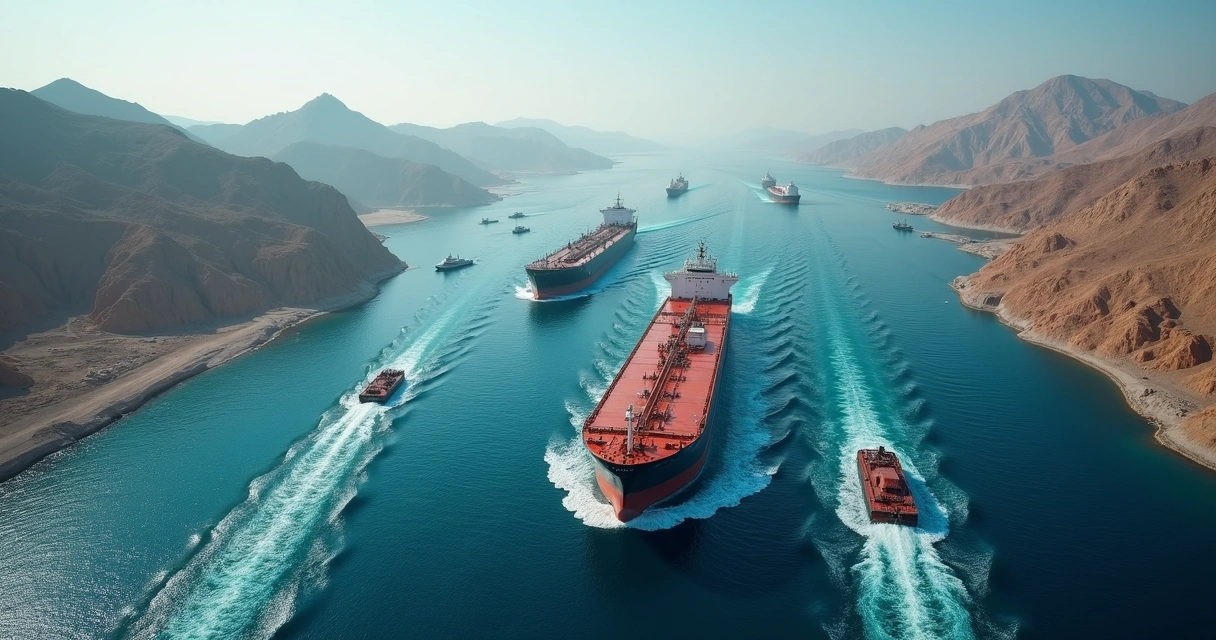
Recently, the situation has become even more tense. The U.S.-Israeli conflict with Iran flared into a broader regional crisis, leading to dozens of attacks on commercial ships. In this fragile environment, every hour counts and every piece of information could be the difference between a safe journey and disaster.
Fact 1: ADNOC vessels under fire—multiple attacks, real losses
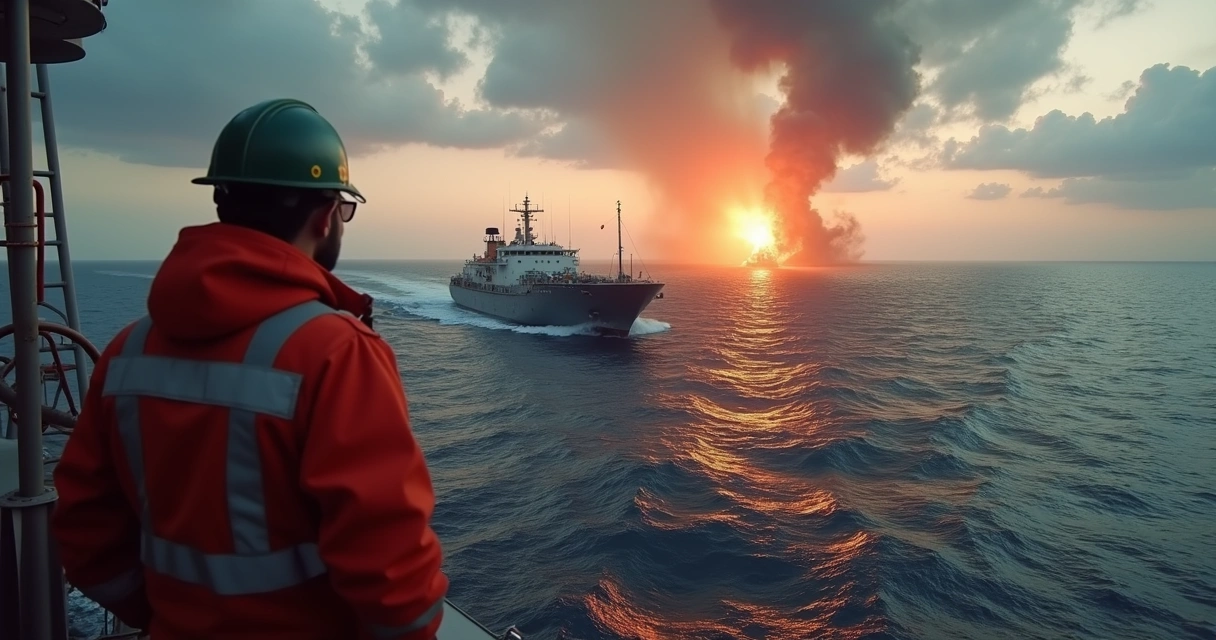
Last Friday, the Abu Dhabi National Oil Company (ADNOC) made a public announcement that still echoes in our minds. They revealed that since the beginning of the current conflict, 15 ADNOC vessels have been attacked by missiles and drones in the Strait of Hormuz. Just this week, three separate attacks took place—one deadly, others injuring a total of 20 crew members.
The details are sobering. These were not targeted warships or military convoys. They were commercial oil carriers, performing their route through international waters. Attacks like these have transformed how ship operators plan, invest, and even sleep at night.
Fact 2: An “exceptionally challenging environment” for supply chains
ADNOC reported struggling to meet customer needs, describing today’s shipping climate as an “exceptionally challenging environment.” Their story is common among major oil exporters. When vessels are attacked, immediate supply lines are broken. Delivery schedules are thrown into disarray. Prices on the spot market fluctuate wildly based on perceived risk. When we at Tropical Ship Supply review schedules for our clients in Brazil, we see how every incident halfway across the globe affects local deliveries and operational risks right here.
Fact 3: The rising toll on human life and crew morale
In these latest attacks, at least one crew member lost their life, and more than 20 were injured. Data from the International Maritime Organization, as reported by The Straits Times, shows that a total of seven people have died since the conflict began. For every oil shipper, these numbers are not just statistics. They signify a growing concern for safety, insurance, and the ability to attract skilled crews for riskier routes.
Fact 4: Freight costs and insurance are surging
Attacks in the Strait of Hormuz ripple through the supply chain. Freight prices have spiked, especially for routes that cross this strategic channel. Insurance premiums for hull war risk have multiplied, making cost planning difficult even for seasoned operators. These worries have become central to contract negotiations and long-term route planning for all involved in oil logistics.
- Owners now frequently consider diverting vessels to avoid the strait, adding days and increasing operational costs.
- Some shippers are forced to renegotiate or delay contracts due to uncertainty.
- Freight rates can change almost overnight depending on rumors and breaking news.
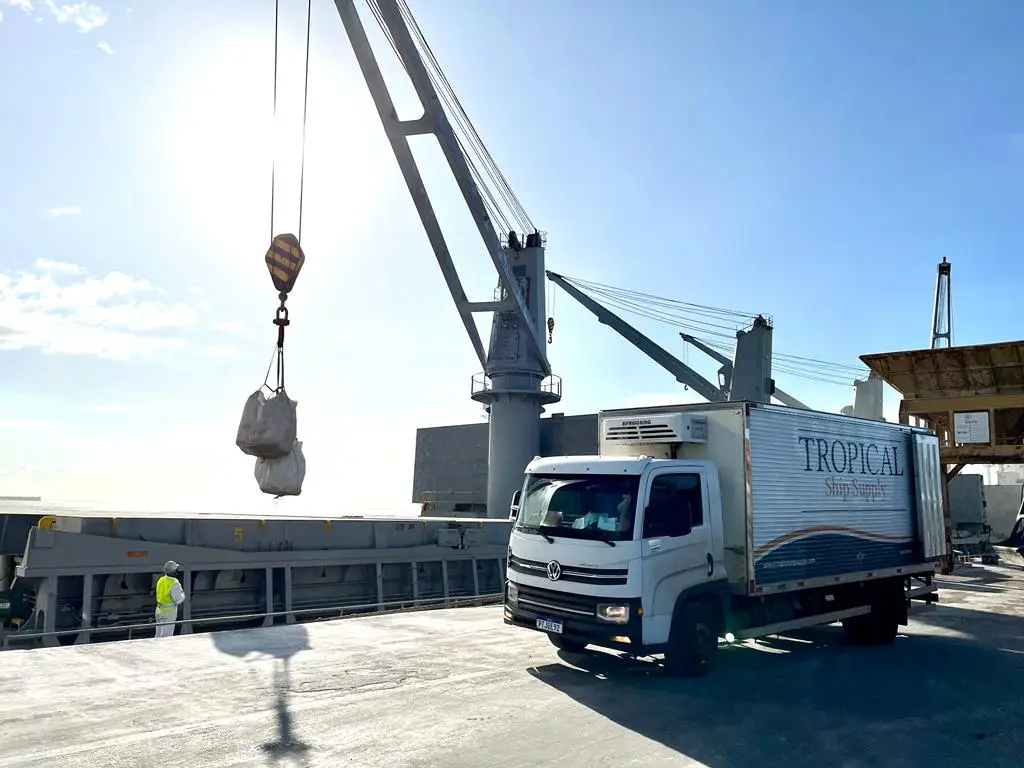
We at Tropical Ship Supply experience these pricing shocks directly as we help clients optimize costs for calls in Brazil and abroad. Reliable supply support becomes even more critical under such tight financial margins.
Fact 5: What makes the Strait of Hormuz so unique?
It isn’t just about geography. The Strait of Hormuz connects the Persian Gulf with the Gulf of Oman and the Arabian Sea. This narrow passage is only about 39 kilometers wide at its narrowest point, but nearly 20% of the world’s oil and a large share of global LNG supplies pass through every day. A threat in these waters isn’t one region’s burden—it is a global challenge that impacts economies from the Americas to Asia.
To understand why every shipping incident here makes headlines, we recommend staying updated with trusted maritime news sources such as our own maritime news update page.
Fact 6: ADNOC’s global reach and response to danger
ADNOC is not just any player. As one of the world’s largest energy companies, it is responsible for shipping crude, natural gas, and refined fuels to dozens of countries. When their vessels come under attack, the consequences touch ports and companies globally—including operations in Brazil. ADNOC is collaborating with authorities and deploying new safety measures to protect their people, assets, and operations, all while fighting to maintain supply commitments.
ADNOC states: The freedom and safety of ships traveling through international waters must never be threatened, harassed, or attacked.
This resolve is one that all of us in the shipping sector share, especially as we implement our own best practices for vessel protection.
Fact 7: How the broader oil market and your bottom line are connected
These security incidents in the Strait of Hormuz have a direct impact on global oil supplies, prices, and business decisions, even for those far from the conflict zone. We have observed that sudden disruptions or threats here can immediately influence oil prices and freight rates worldwide. If you’re interested in understanding these swings, take a look at our latest oil market reviews and outlooks.
Keeping vessels supplied efficiently, with quality and timely service, becomes even more relevant during turbulent times. This is precisely why our team at Tropical Ship Supply Ltd. stands ready to help ship owners and operators navigate market shifts and port challenges for trade and security updates related to Brazil.
Practical steps for oil shippers
Here are clear, actionable steps we see adopted among resilient operators:
- Proactively coordinate with authorities and regional partners
- Regularly update crews on security protocols and safe navigation tactics
- Consider flexible supply contracts to absorb potential delays or cost peaks
- Maintain strong communications with onshore agents and stakeholders
And most importantly, keep updated with marine logistics best practices and proven industry solutions.
Conclusion
Shipping through the Strait of Hormuz remains a journey through uncertainty—and opportunity. Our role at Tropical Ship Supply Ltd. is to guarantee reliability for our clients no matter what storms may gather elsewhere. By working with a partner that stays informed, anticipates market conditions, and delivers on time, you’re already taking a significant step to secure business under any global climate.
If you’re seeking ways to control costs in Brazil while keeping reliability and support at the highest levels, contact our team for a quote and consultation.
We encourage you to discover how partnering with Tropical Ship Supply Ltd. can help protect your supply chain. Reach us anytime at Quotation@tropicalshipsupply.com or by WhatsApp at +55 98 98347-0908 (24hr).
Frequently asked questions
What is the Strait of Hormuz?
The Strait of Hormuz is a narrow passage connecting the Persian Gulf and the Gulf of Oman. Acting as the world’s most important oil shipping chokepoint, it moves nearly 20% of the world’s oil and a significant quantity of liquefied natural gas every day.
Why are oil shippers targeted there?
Oil shippers transit the Strait of Hormuz due to its vital position in the global energy chain. Strategic and political tensions, especially during regional conflicts, make these vessels targets for groups trying to disrupt energy flows or send messages to international stakeholders.
How to protect ships in the strait?
Ship operators coordinate closely with authorities, bolster onboard security protocols, equip their vessels for faster and safer travel, and keep crews trained for emergencies. Frequent route reviews and real-time updates from reliable agents can also mitigate risks.
What are the recent attack risks?
Since the recent conflict began, there have been at least 15 attacks on ADNOC vessels, with more than 20 injuries and at least one fatality reported just this week. Unprovoked attacks also heighten risk for all commercial vessels crossing the region, according to multiple maritime security reports.
How does this affect shipping costs?
Attacks and the resulting uncertainty have pushed up insurance and freight prices, especially for vessels navigating the Strait of Hormuz. Contracts are often renegotiated, schedules are delayed, and route diversions add new costs to global oil transit.