On 3 November 2026 the Amazon at Itacoatiara stood at 3.42 metres, a level the Brazilian Geological Survey still counted as normal for the season. Container ships bound for Manaus were stopping there all the same, to move cargo onto barges. The Amazon river draft above Itacoatiara does not follow the river gauge. The Brazilian Navy sets it from the depth it measures at two shallow stretches, the mouth of the Madeira and Tabocal. Read that number, not the gauge, to know where your ship will stop and where her stores can meet her.
The 2026 low water in numbers
The Brazilian Geological Survey (SGB) reported on 3 November that the main channels of the Amazon basin stayed within the normal range for the time of year, with Itacoatiara almost unchanged over the week. Rainfall ran below average across most of the basin, and the SGB did not expect the rising season to start in the following weeks.
The Navy reads the same river through the speed of the fall. In its second low-water notice of 2026, dated 28 August, the harbour master for the Western Amazon compared how far the rivers dropped in August, up to the 27th:
| Fall in August | 2023 | 2024 | 2025 | 2026 |
|---|---|---|---|---|
| Negro at Manaus | 2.41 m | 4.08 m | 1.39 m | 2.56 m |
| Amazon at Itacoatiara | 2.04 m | 3.24 m | 1.34 m | 2.14 m |
In 2026 both rivers fell faster than in any August since 2019 except 2024. The Navy compared the pace to 2023, the year of the extreme drought.
How the Navy sets the Amazon river draft
The Capitania Fluvial da Amazônia Ocidental, the harbour master in Manaus, fixes a Maximum Recommended Draft, the CMR, for the river up to Manaus. Its notice explains the method. The gauges at Manaus and Itacoatiara support the decision, but the CMR comes from the depth found at the mouth of the Madeira and at Tabocal, through bathymetric surveys and the reports of the river pilots. The harbour master’s limits bind ships, owners and pilots.
Two limits frame the season. At the North Bar, where ships enter the river, the Navy allows 11.70 metres from 16 August to the end of January. Above Itacoatiara, the notice says that once the CMR sits at 11.50 metres or less, owners have to reduce cargo for the run to Manaus. A ship that crosses the bar at the bar limit can still be too deep further up.
In August the Navy expected the first restrictions around 15 September, at 11.91 metres for container ships and 11.55 metres for tankers. If the trend held, the CMR would drop 25 to 30 centimetres a day to the end of September and 10 centimetres a day after that, to about 7.81 metres for container ships and 7.46 metres for fuel carriers around 5 October. The harbour master updates that projection with each survey, so ask your agency for the CMR in force before you plan the call.
On 22 September the harbour master added a safety rule in Ordinance 140/2026. At the critical points between Manaus and Itacoatiara, and between Manaus and Coari, ships pass with both anchors ready to let go and the bow manned.
Why ships lighten at Itacoatiara
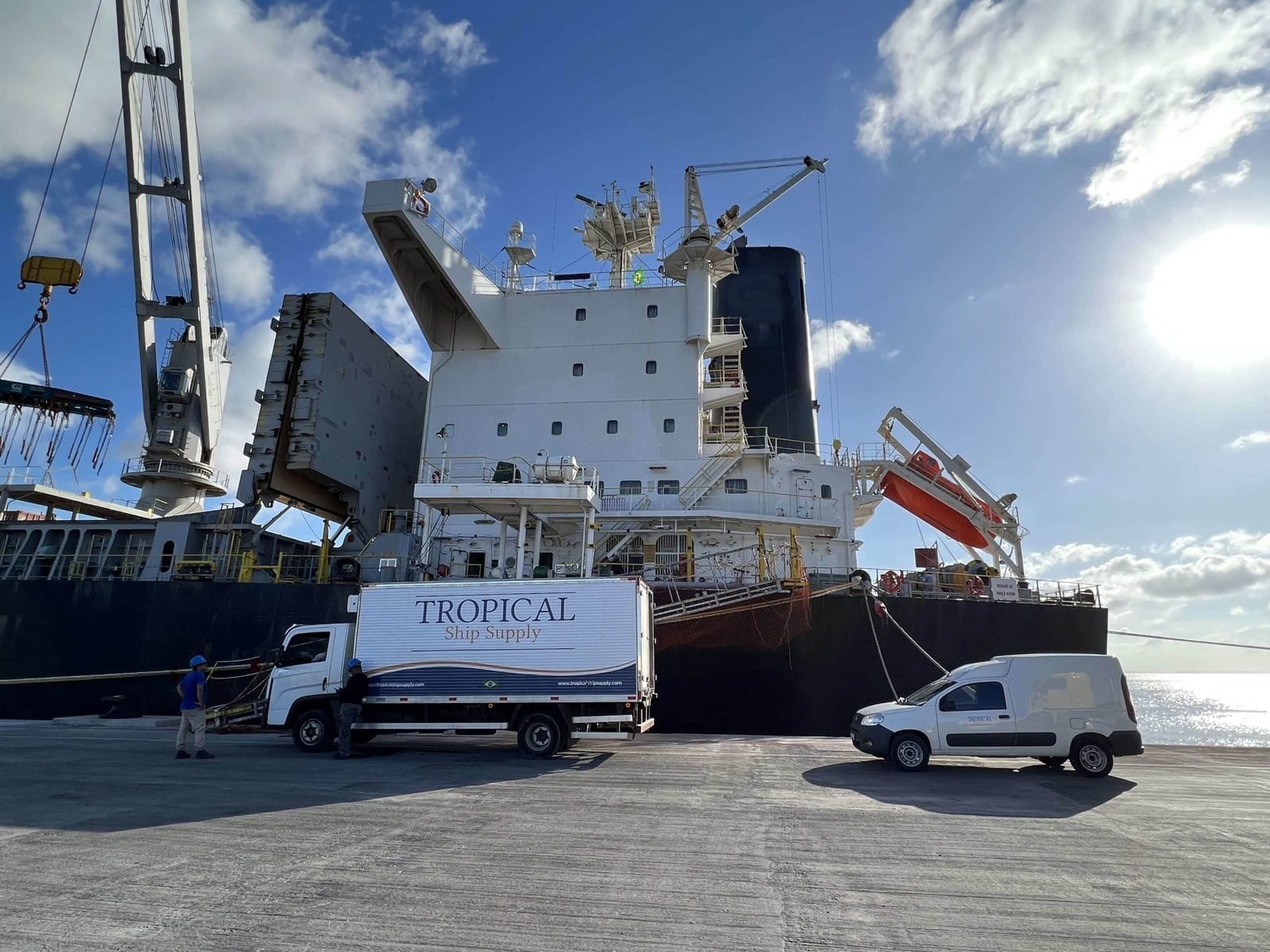
When the CMR falls below a ship’s draft, part of the Manaus cargo has to come off before the critical stretch. Two Manaus terminal operators set up floating piers at Itacoatiara again in October, as they did in 2024. At one, part of the cargo goes onto barges and the ship continues at a lighter draft. At the other, the whole load goes onto barges for the run to Manaus.
Shippers pay for it in the freight. CMA CGM charges a low water surcharge of USD 2,315 per TEU on shipments to and from Manaus from 2 October, for as long as the harbour master’s draft limits affect regular operations.
For the ship, the call splits in two: a stop at Itacoatiara and then Manaus, or a voyage that ends at Itacoatiara. Either way, plan the stores for the stop, not for the first ETA. Grain ships loading at the Hermasa terminal in Itacoatiara stay below the critical stretch and keep their usual call.
Planning the stores for a low-water call
- Tell us where she stops. Lightening at Itacoatiara, discharging there or going on to Manaus: each one moves the delivery point and the date.
- Send the requisition with the ETA at the North Bar. She spends days upriver, and fresh, frozen and dry stores start their inland leg before she berths.
- Plan the delivery around the cargo transfer. Ask your agency how long she stays at Itacoatiara. A known stop gives the stores a fixed window.
- Start bonded stores early. The customs paperwork for bonded stores takes longer than the goods, and a shifted call leaves less margin.
The same planning applies at the mouth of the river. For the bar, the pilots at Fazendinha and the daylight rule at the berth, see our page on Santana and Macapá. For the paperwork that every call needs, read our guide to Brazilian ports.
Ordering for Itacoatiara or Manaus
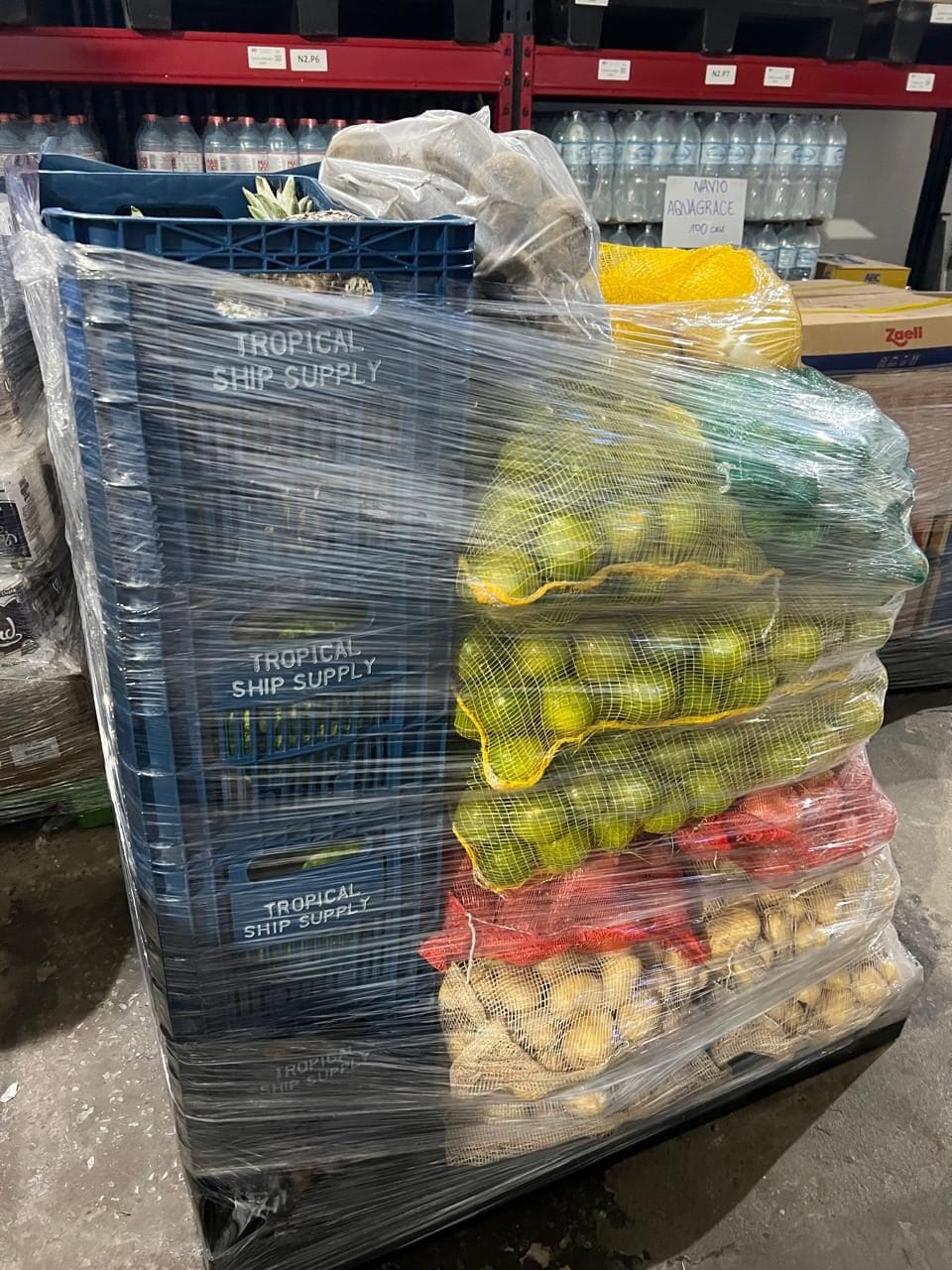
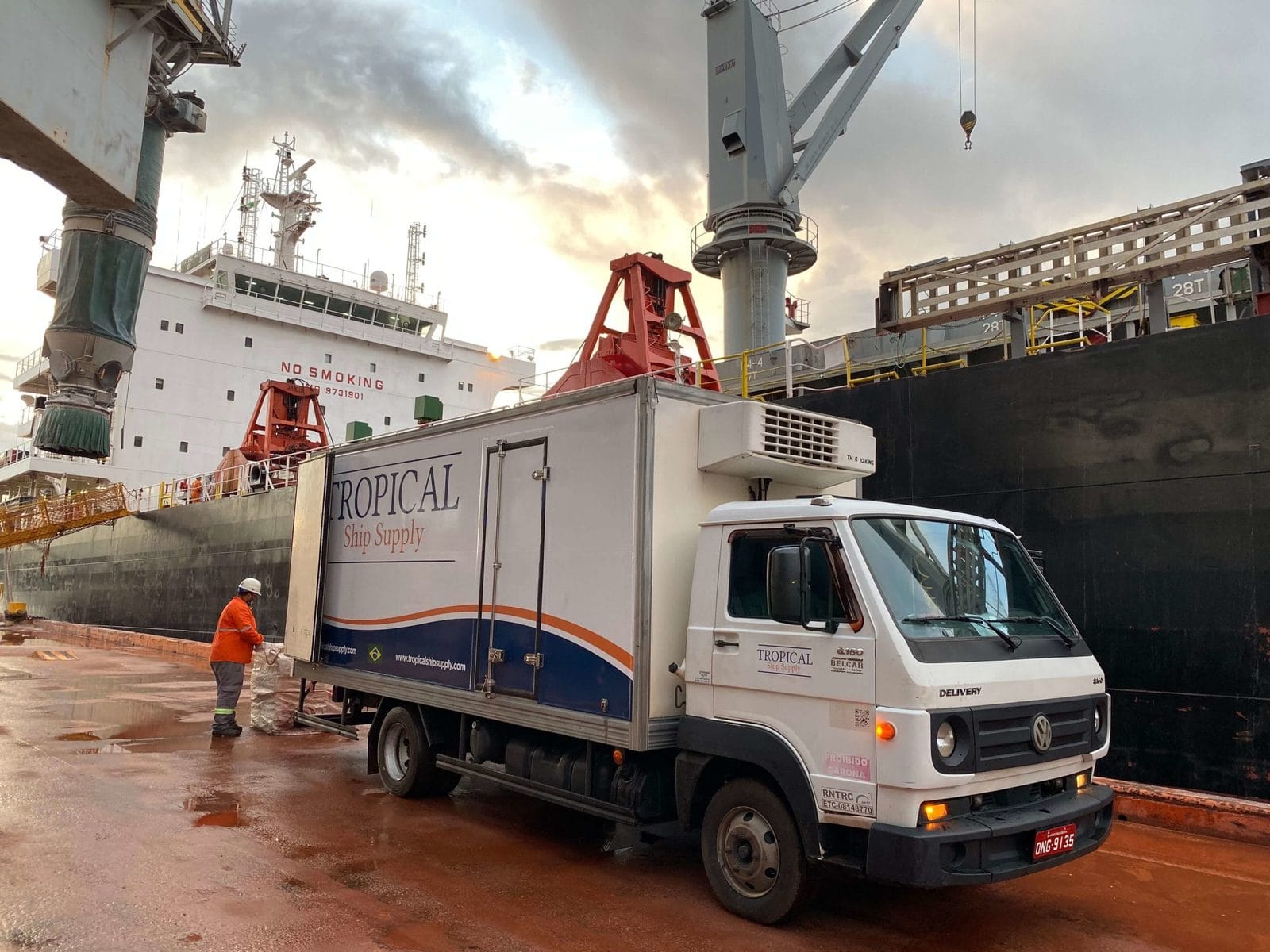
Our warehouse and refrigerated fleet are in São Luís, and we have a branch in Belém. At Itacoatiara and Manaus we deliver through local partners. You deal with one supplier: the quotation, the order and the invoice come from us.
We answer 24/7, in Portuguese and English. Tropical Ship Supply is IMPA member #2000113.
Calling at Itacoatiara or Manaus in the low-water season? Send the vessel, the IMO number, the ETA at the North Bar and the requisition to quotation@tropicalshipsupply.com and we will come back with a quotation.