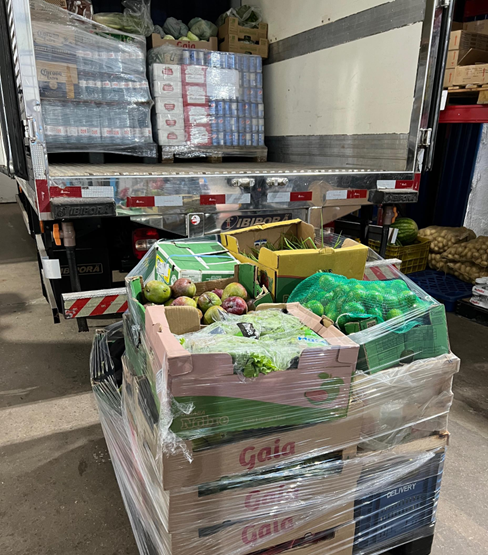
At TROPICAL SHIP SUPPLY LTD., supporting seamless vessel operations in Brazil means delivering provisions and supplies that maintain absolute quality, even under challenging temperature requirements. To provide the reliability our clients expect, we have structured robust chilled and frozen logistics, ensuring food safety, product freshness, and compliance with international standards.
Understanding the cold chain for ship supply
The maritime cold chain involves a series of coordinated actions and controls, designed to maintain products within strict temperature ranges from our facility to a vessel’s galley. This extends across multiple points: storage, handling, transportation, and final delivery. As highlighted by recent studies, the global reefer container fleet has surpassed 4 million TEU as of 2023, demonstrating the growing investment in temperature-controlled shipping.
Every detail matters, and even minor fluctuations in temperature can quickly affect the integrity of perishable goods, especially on long voyages. For these reasons, we believe maintaining cold chain integrity is non-negotiable for vessel supplies.
Chilled and frozen logistics are a promise of freshness and trust.
Successful cold chain logistics are not just about refrigeration—they require process discipline, real-time monitoring, and a deep understanding of maritime logistics.
Key steps to structuring reliable chilled and frozen logistics
Through our experience at TROPICAL SHIP SUPPLY LTD., we developed a clear structure to deliver excellence in cold chain logistics:
- Product selection and procurement: We ensure all perishables and frozen products originate from vetted suppliers, implementing sustainability practices and clear traceability. This approach reduces risks of spoilage and non-compliance with health standards.
- Temperature-controlled storage: Upon arrival at our strategic bases, products are immediately stored in certified cold rooms with independent temperature monitoring systems. We prioritize storage integrity before the products move to the next critical phase. Our green energy commitment supports this with solar-powered infrastructure for sustainability.
- Processing and packaging: All chilled and frozen products are packaged with insulated materials designed to prevent any heat ingress during handling and transit.
- Loading procedures and documentation: Before loading, we follow standardized procedures to minimize time products spend out of refrigeration. We also complete all necessary documentation to ensure compliance with client and regulatory requirements, as seen in our diligent clearance protocols across Brazilian ports.
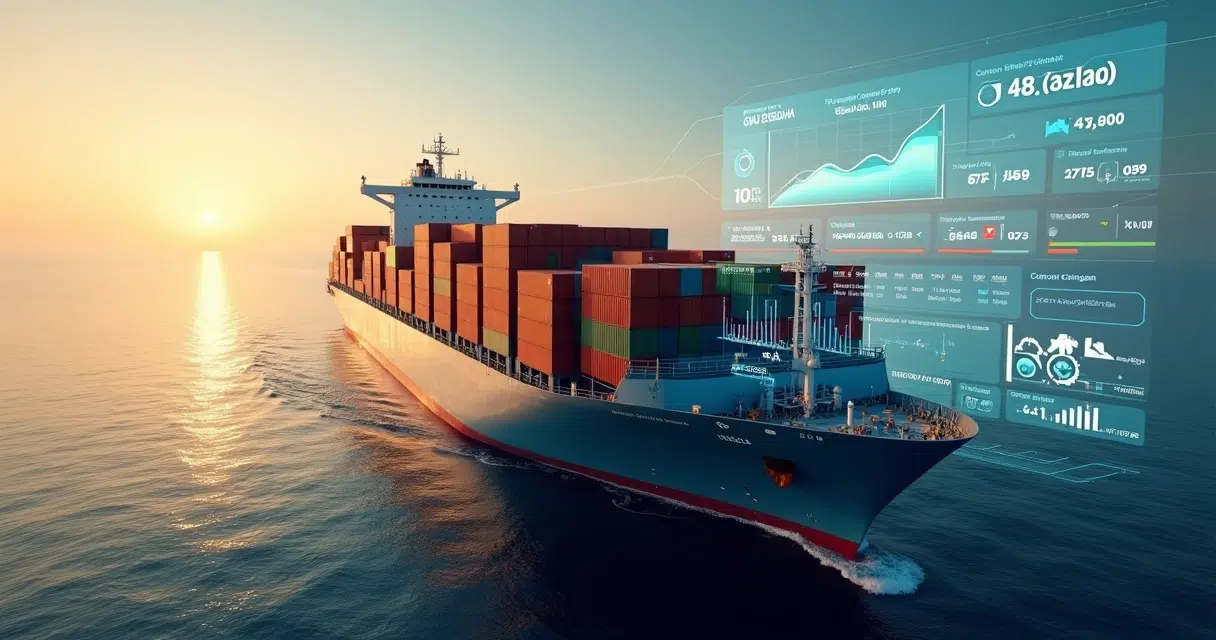
- Transport with continuous monitoring: Our delivery fleet is equipped with state-of-the-art reefer systems, supported by digital monitoring and telematics—a trend driven by the need for traceability and compliance as noted in international reports. This capability ensures we immediately detect and correct any deviations.
- Onboard delivery and verification: Handing over at the vessel is a critical touchpoint. We verify product temperature on delivery and provide proof through digital logs. Only when all conditions are met does the transfer complete, ensuring products are within required temperature bands.
Validation of the cold chain: process and technology
Validation is the backbone of cold chain reliability. We have adopted rigorous validation practices to confirm that every step in our cold chain meets or exceeds quality standards.
- Regular calibration of temperature controls: All cooling and freezing units undergo scheduled calibrations, and our quality assurance department keeps detailed records of inspections and corrective actions.
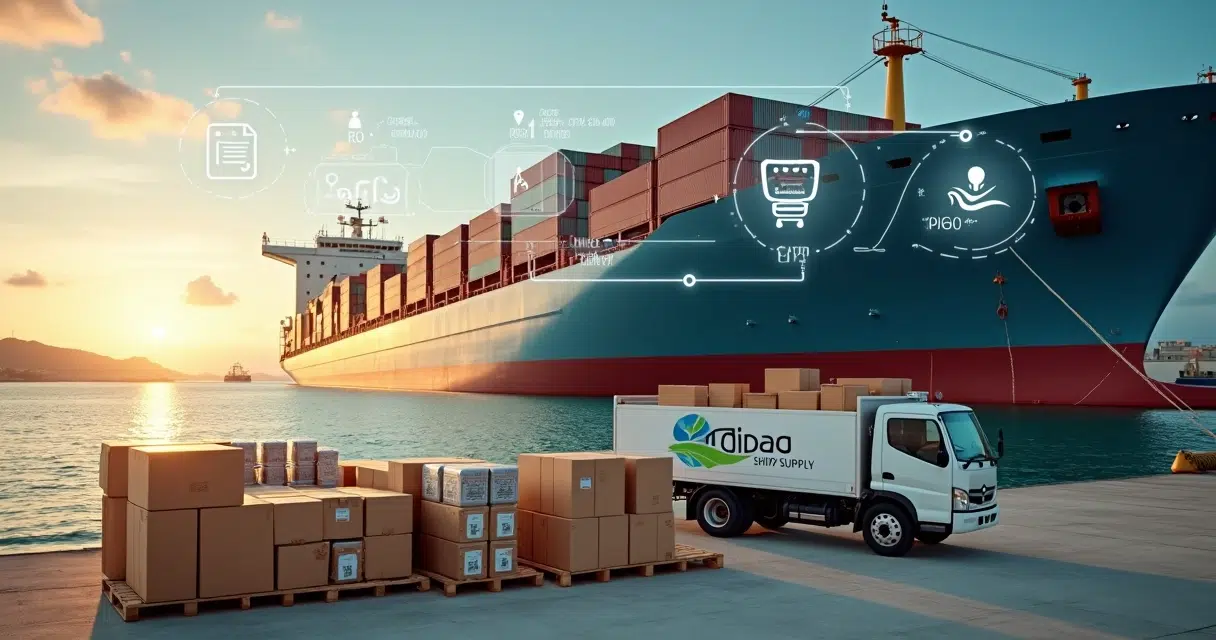
- Automated telematics and data logging: Each shipment includes real-time data loggers. These tools provide us with a robust audit trail of temperature, humidity, and transit milestones, allowing traceability from our storage to delivery onboard.
- Staff training and protocols: Our team regularly participates in training for cold chain handling, packaging, and emergency interventions, ensuring operational consistency and quick response if issues emerge.
- Environmental monitoring and sustainability: We constantly review our logistics infrastructure for energy efficiency and environmental impact—using solar energy and recycled materials whenever possible.
 Challenges and our solutions in practice
 Challenges and our solutions in practice
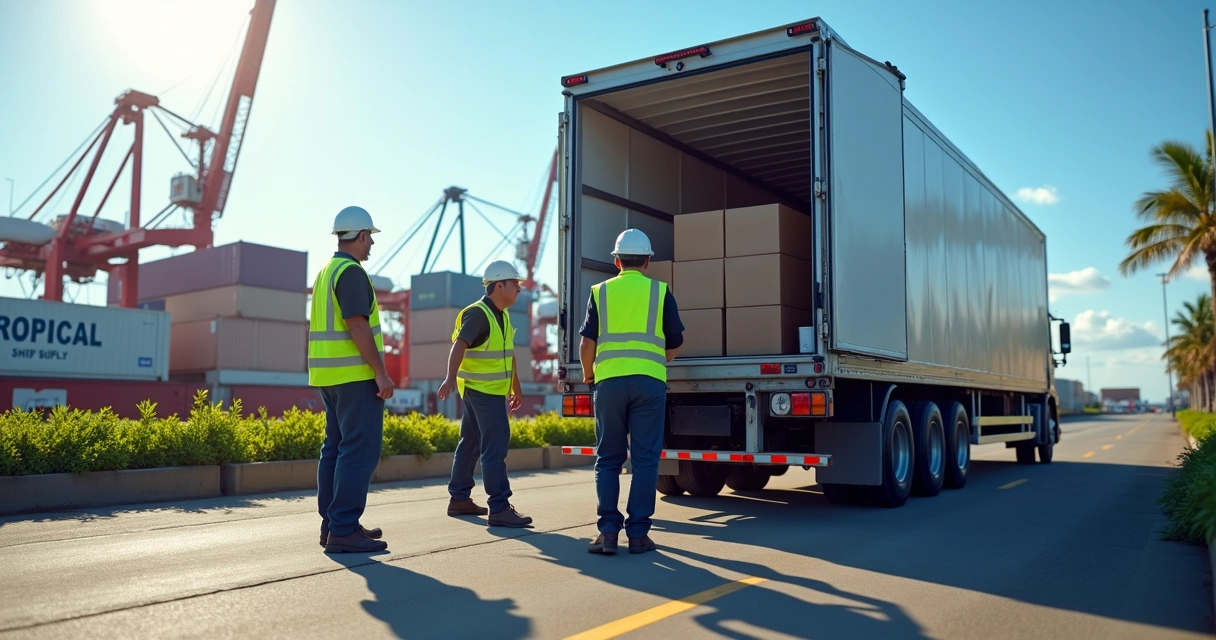
Working in maritime supply, we face unique logistical challenges. Weather conditions, port congestion, customs procedures, and vessel schedules can all introduce risks to the cold chain. We tackle these with advance planning, redundant systems, and rapid-response protocols.
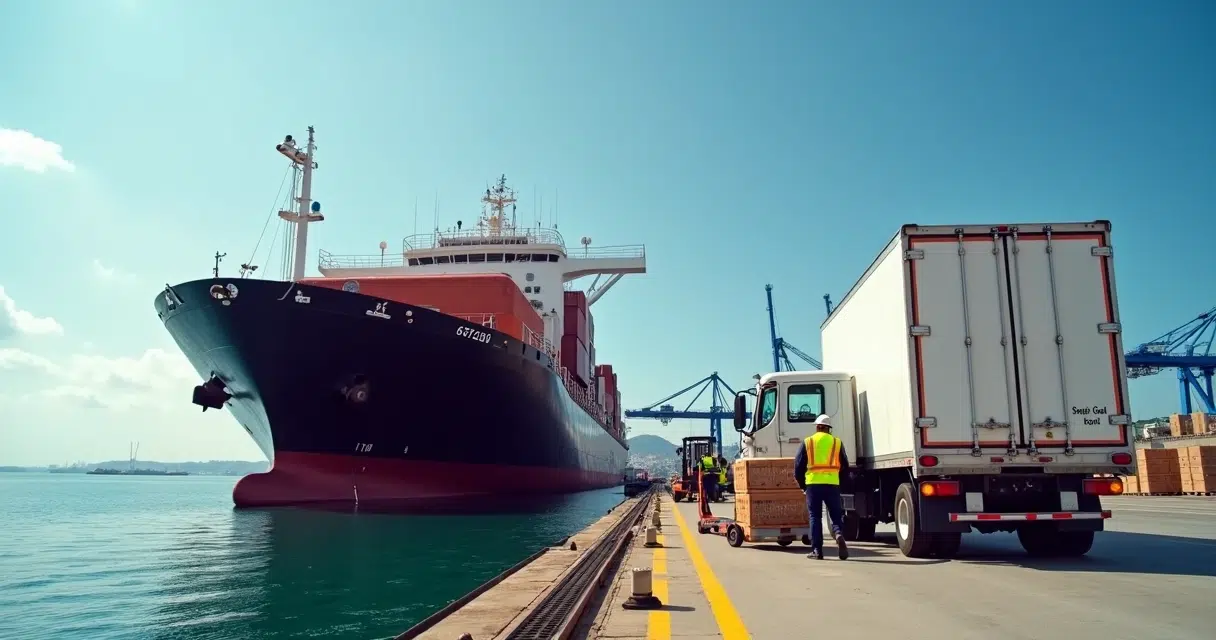
- Strategic distribution bases: Our wide network ensures products remain close to major Brazilian ports, shortening delivery time and reducing the risk of temperature excursions.
- Fleet management and telematics: Our reefer trucks’ telematics modules send instant alerts, allowing us to react swiftly if a risk appears. Fleet digitalization is transforming supply reliability, as highlighted in UNCTAD research.
- Transparent communication: We keep agents and ship crews informed with real-time delivery tracking and immediate status updates.
- Continuous improvement with feedback: Client testimonials and regular audits help us refine our process, creating value for every delivery.
Best practices: how we deliver assurance for every shipment
 Best practices: how we deliver assurance for every shipment
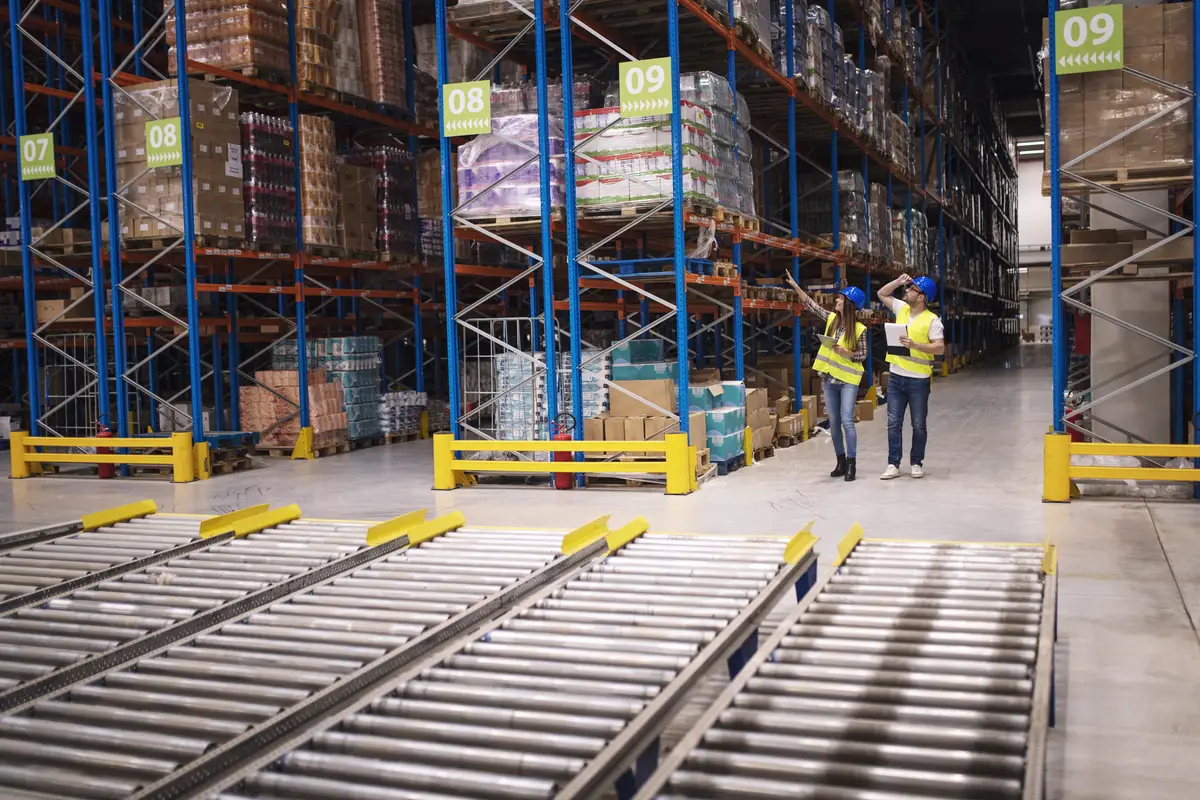
- All incoming and outgoing products are tracked through a digital monitoring system.
- Temperature loggers accompany every shipment from our warehouse to the ship.
- Packaging is selected to ensure robust thermal protection, as also advised by industry resources.
- Rapid, documented handover at port keeps cold chain disruptions to a minimum.
- Emergency protocols in place guarantee readiness if unplanned delays occur.
Our process is aligned with the latest industry guidance, such as the recommendations from international maritime and port management authorities, which call for investment in resilient port infrastructure to withstand operational disruptions and changing climatesUNCTAD Review of Maritime Transport 2022. Such resilience protects food supply and trade flows worldwide.
Our commitment and what it means for your vessel
By structuring and routinely validating our cold chain, we assure our clients—masters, superintendents, and agents alike—of a reliable, transparent, and safe supply every time. With every delivery, the trust placed in TROPICAL SHIP SUPPLY LTD. is earned by skilled people, strong systems, and a passion for quality.
You can read more about our services and marine supply expertise in our dedicated section about ship chandler services in Brazil. For updates on the industry’s latest developments, trends, and infrastructure, visit our maritime blog.
Are you looking for reliable cold chain services during your next port call in Brazil? Discover how we can safeguard your vessel supply—reach out and request a quote today.
Trust our cold chain. Your crew will taste the difference.
Frequently asked questions
What is a cold chain in logistics?
A cold chain is a sequence of processes and technologies designed to keep products—such as food, medicine, or sensitive materials—at controlled temperatures from point of origin to final delivery. In maritime logistics, this means careful handling, storage, and transport of chilled and frozen goods so that temperature-sensitive items arrive in perfect condition for vessel crews. Maintaining a cold chain requires consistency and reliable real-time monitoring.
How do I validate cold chain processes?
You can validate cold chain processes by using data loggers that record temperature throughout the transport, performing regular checks on equipment calibration, requiring documentation for every stage, and auditing both procedures and outcomes. At TROPICAL SHIP SUPPLY LTD., we use automated monitoring, digital reporting, and regular staff training to ensure our validation process is transparent and reliable.
What are best practices for chilled shipping?
Best practices include sourcing only from trusted suppliers, using efficient insulated packaging, keeping goods in certified cold storage, minimizing handling outside controlled environments, and documenting temperature at every transfer point. Detailed staff training and backup protocols are also key steps to avoid spoilage and maintain food safety—all measures applied in our operations.
How to structure frozen logistics for vessels?
Frozen logistics for vessels should start with appropriate supplier selection and move through temperature-controlled storage and optimized packaging, to dedicated reefer transport vehicles. Each stage requires continuous data monitoring and validated procedures to guarantee that goods remain frozen, even through long journeys and unexpected delays. At TROPICAL SHIP SUPPLY LTD., we build our structure based on real-world port experience and feedback.
How much does cold chain shipping cost?
Cold chain shipping generally costs more than standard logistics due to insulated packaging, powered refrigeration equipment, specialized vehicles, and additional manpower for monitoring and validation. For reference, global industry reports cite a 40-foot reefer container is valued around $30,000, much higher than non-refrigerated optionsPort Economics & Management. Costs vary according to distance, product type, and local conditions—contact us at TROPICAL SHIP SUPPLY LTD. for a quotation tailored to your vessel’s needs.