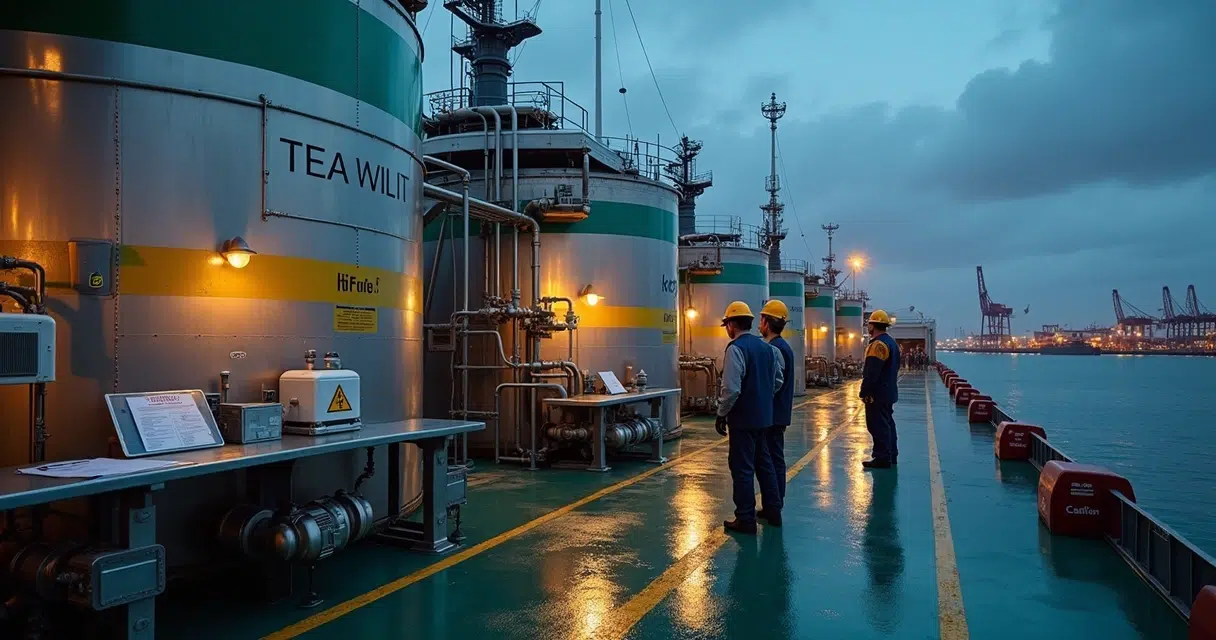
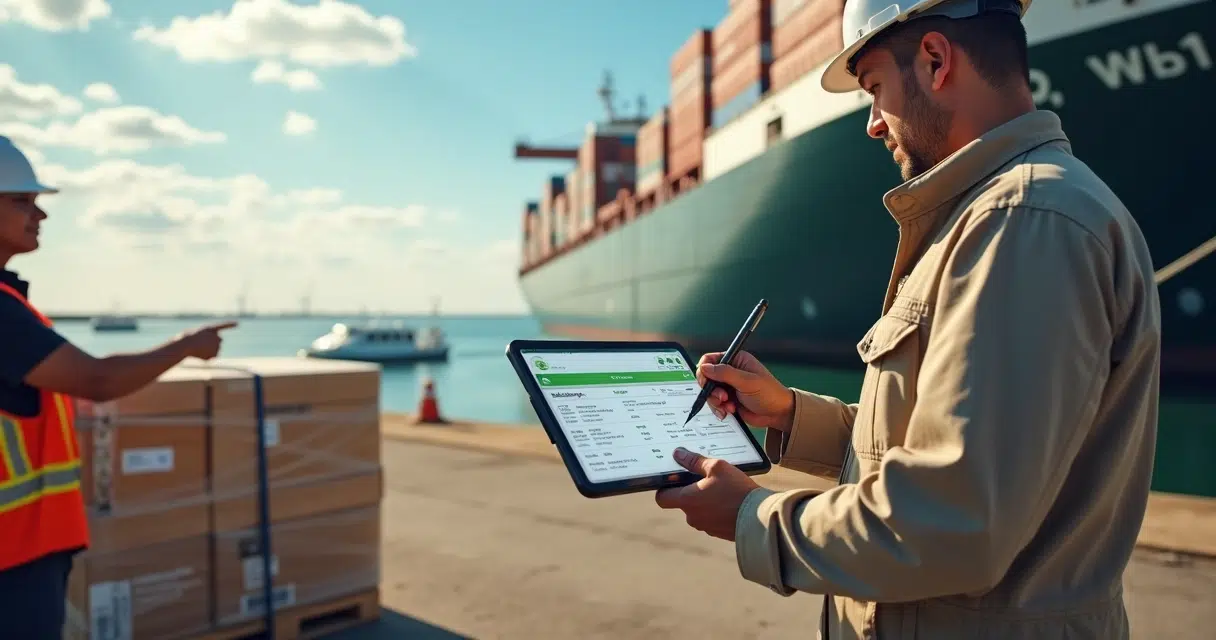
It is clear that the shipping industry is entering a new era. As members of an industry deeply connected with energy, logistics, and environmental responsibility, we know well that the changes driven by FuelEU Maritime are not only regulatory—they demand a new mindset. In this article, we explain in plain language what FuelEU Maritime is, when it matters for ships and their teams, and how it will shape the day-to-day of onboard fuel and energy management. From now on, compliance is not only about ticking off paperwork, but about shaping choices from the bridge to the engine room.
Understanding FuelEU Maritime: a brief overview
FuelEU Maritime is the European Union’s regulatory framework aiming at decarbonizing maritime transport by setting limits on the greenhouse gas (GHG) intensity of fuels used onboard ships. The regulation covers commercial vessels with a gross tonnage above 5,000 calling at EU ports, regardless of their flag or where they are registered. The main objective is simple, but ambitious: to cut emissions and encourage the switch to cleaner fuels and smarter energy use, step by step, every year (European Commission official overview).
At Tropical Ship Supply Ltd., we dedicate our business to supporting shipping companies with the right supplies and technical information—so we have seen first-hand the rising need for awareness and agility when it comes to fuel regulations. A regulation like FuelEU Maritime transforms how vessels operate, pushing the sector to recognize that climate stewardship is now part of our daily work.
 When does FuelEU Maritime apply?
 When does FuelEU Maritime apply?
The FuelEU Maritime regulation comes into force on January 1, 2025. It applies to all commercial vessels above 5,000 gross tons when making calls at EU ports, no matter their flag or point of departure. The regulation focuses on reducing the lifecycle GHG intensity of onboard energy used during voyages between EU ports, as well as journeys connecting EU ports to non-EU ports (European Commission).
The rollout is progressive. Each year from 2025, the allowed GHG intensity gradually tightens. The regulation covers not only direct fuel use (like marine diesel or LNG), but also indirect emissions from energy sources like shore power and hybrid systems—including batteries and new alternative fuels. It creates a practical need for ship operators and suppliers alike to rethink procurement, storage, bunkering, and onboard energy logistics.
A practical look: how does FuelEU affect onboard fuel and energy?
From our experience at Tropical Ship Supply, the impacts extend to multiple daily operations:
- Fuel choices: Vessels must shift to new blends or alternative fuels, and keep precise records of what is consumed on each leg of the journey. This means more attention to emissions data from suppliers.
- On-shore power: Ships will increasingly rely on Onshore Power Supply (OPS, or “cold ironing”) to run their systems while berthed, especially in large ports where EU rules require cargo and passenger ships to use shore power after 2030 for long stays.
- Energy tracking: New reporting requirements are stringent, so crews must keep up-to-date logs and verify the source and profile (certification, sustainability, GHG content) of each type of fuel and energy consumed.
- Technology investments: Compliance may require equipment such as dual-fuel engines, battery storage, or fuel cell systems. Even “routine” issues like fuel filtering or storage take on new relevance to prevent contamination and protect the quality of alternative fuels on board.
- Coordination with suppliers: Ship chandler services like ours must provide trusted, documented supplies with full traceability, plus help ships prepare for compliance inspections and emissions audits.
The regulation also brings in minimum shares of renewable fuels of non-biological origin (RFNBOs), such as renewable hydrogen or ammonia, for certain vessels. While the market for these fuels is still growing, the trend is clear: every company in the supply chain will need to adapt procurement, logistics, and technical standards to meet new requirements every single year ahead.
The logistics behind compliance: stories from our business
 The logistics behind compliance: stories from our business
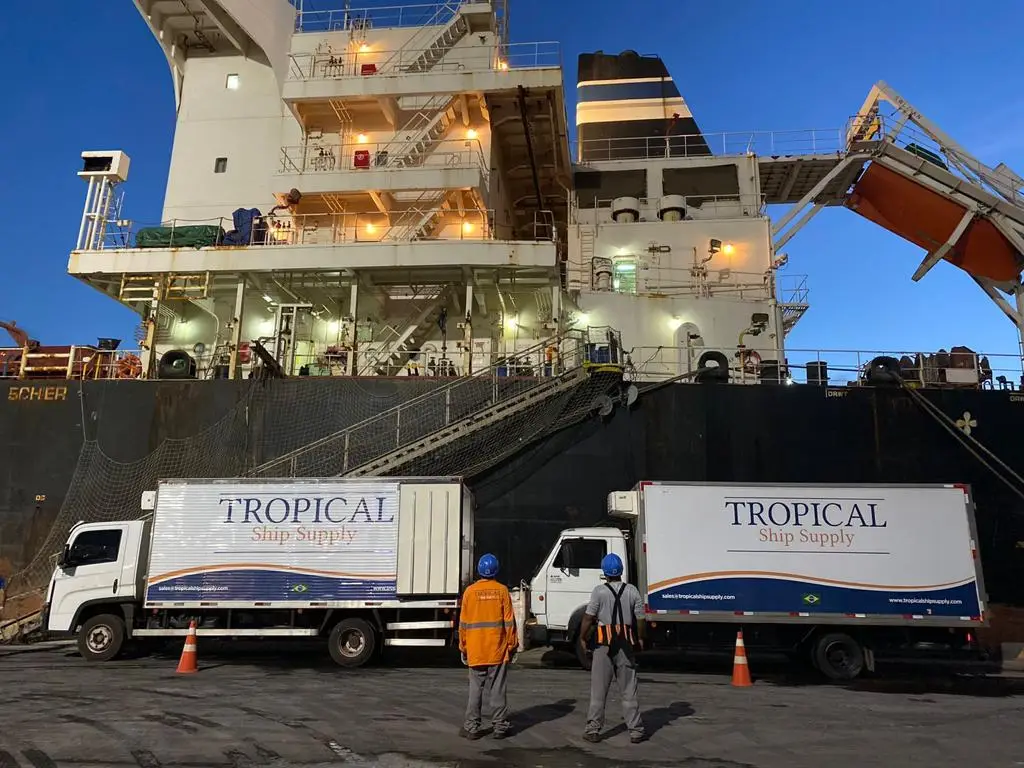
At Tropical Ship Supply Ltd., we have supported ships facing sudden regulatory changes, often under tight deadlines. We know from recent years that compliance is rarely just a matter of ticking boxes—it is often about improvising, coordinating, and remaining resilient at port.
Change in maritime fuels is no longer theory. It is reality at the dockside.
For instance, in the run-up to similar fuel regulations, we saw many shipowners struggle at the last minute with documentation, crew training, and compatibility of new fuels with existing tank systems. One ship called us urgently because a batch of biofuel delivered elsewhere did not meet chain-of-custody rules—delaying departure and creating compliance risks. By providing properly certified, traceable stocks and quick advice, we helped get the vessel cleared and moving within hours.
In a FuelEU Maritime world, choosing the right supplier with transparent, certified processes will make all the difference to smooth, cost-effective port calls. Our team at Tropical Ship Supply Ltd. is constantly updating certification processes and aligning our stock with “green” compliance to help vessels minimize risk and maximize uptime.
Tropical Ship Supply Ltd. and your path to sustainable compliance
 Tropical Ship Supply Ltd. and your path to sustainable compliance
We make it a priority to stay ahead of regulatory change. By providing only legally compliant, certified supplies, and by committing to sustainability ourselves (including renewable energy in our operations), our mission aligns with the new future of shipping. For example, our efforts to foster solar-powered buildings and eco-friendly packaging directly support greener logistics and compliance momentum.
We always encourage our clients not just to comply with regulations like FuelEU Maritime, but to see them as levers for smarter, more sustainable growth. Our strategic locations across Brazil and our readiness to serve international and domestic fleets mean we can provide the agility, quality, and trusted documentation needed for port inspections, emission reporting, and continuous operations.
The bigger picture: emissions, cost, and the changing supply chain
Some see regulatory change as a burden. We see it as a chance to gain a real strategic advantage. By staying ahead of compliance, ships will minimize penalties and delays, impress climate-conscious charterers, and support the global push toward decarbonization. If you want to learn about other alternatives and challenges for maritime decarbonization, it is worth following discussions on Brazil’s maritime decarbonization dilemma and the IMO GHG 2023-2030 strategy.
If you would like to understand cost factors in energy transition, such as regulatory and emissions pricing, check our article about emissions pricing and regulatory costs for 2026-2027. And for a closer look at sustainable logistics and the use of renewable energy in our own structure, see our details on ESG and solar energy actions at Tropical Ship Supply.
Our focus remains on helping every client efficiently meet their regulatory obligations—while building a more resilient, climate-friendly supply chain from Brazil to Europe and beyond.
Conclusion: Ready to comply and grow together
At Tropical Ship Supply Ltd., we see FuelEU Maritime as an opportunity—a prompt to improve, innovate, and make our operations smarter and cleaner every year. We believe that the strongest partnerships are those built around care for the future and readiness for change. If your fleet, team, or maritime agency is planning your fuel or logistics strategy for the coming years, we invite you to connect with us. See firsthand how we unite efficiency, quality, and compliance, with every delivery—today, and for every challenge to come.
We help you achieve compliance at every stage: port, procurement, and beyond.
Looking to reduce costs without sacrificing reliability during calls in Brazil? Tropical Ship Supply supports vessels with on-time delivery, consistent quality, and local assistance across key ports in the North and Northeast.
Contact our team and request a quote: Quotation@tropicalshipsupply.com+55 98 98347-0908 (24hr) WhatsApp
Frequently asked questions
What is FuelEU Maritime regulation?
The FuelEU Maritime regulation is a European Union law that targets decarbonization by requiring commercial vessels of 5,000 gross tons or more to reduce the greenhouse gas intensity of their onboard energy and fuels on all voyages involving EU ports (European Commission official overview). The goal is to speed up the adoption of cleaner fuels and support the sector’s transition to greener operations.
When does FuelEU Maritime apply?
FuelEU Maritime applies to all qualifying ships from January 1, 2025 onwards, whenever they make calls at EU ports, regardless of flag or homeport. The regulation is phased, with gradually stricter targets every year, and covers both intra-EU and international voyages.
How does it affect onboard fuel?
It prompts a transition to fuels and energy sources with lower greenhouse gas intensity. Ships must track the source and characteristics of each fuel, adopt new reporting habits, consider Onshore Power Supply, and coordinate with suppliers to ensure documented, certified, and compliant energy procurement.
Is compliance with FuelEU Maritime mandatory?
Yes, compliance is mandatory for all commercial ships above 5,000 GT calling at EU ports from 2025 onward—regardless of flag, ownership, or operational base.
Are there penalties for non-compliance?
Yes, the regulation includes a system of penalties and possible restrictions of access to EU ports for ships that fail to comply with reporting and GHG intensity limits. Non-compliance risks include fines, operational delays, or exclusion from key European ports.