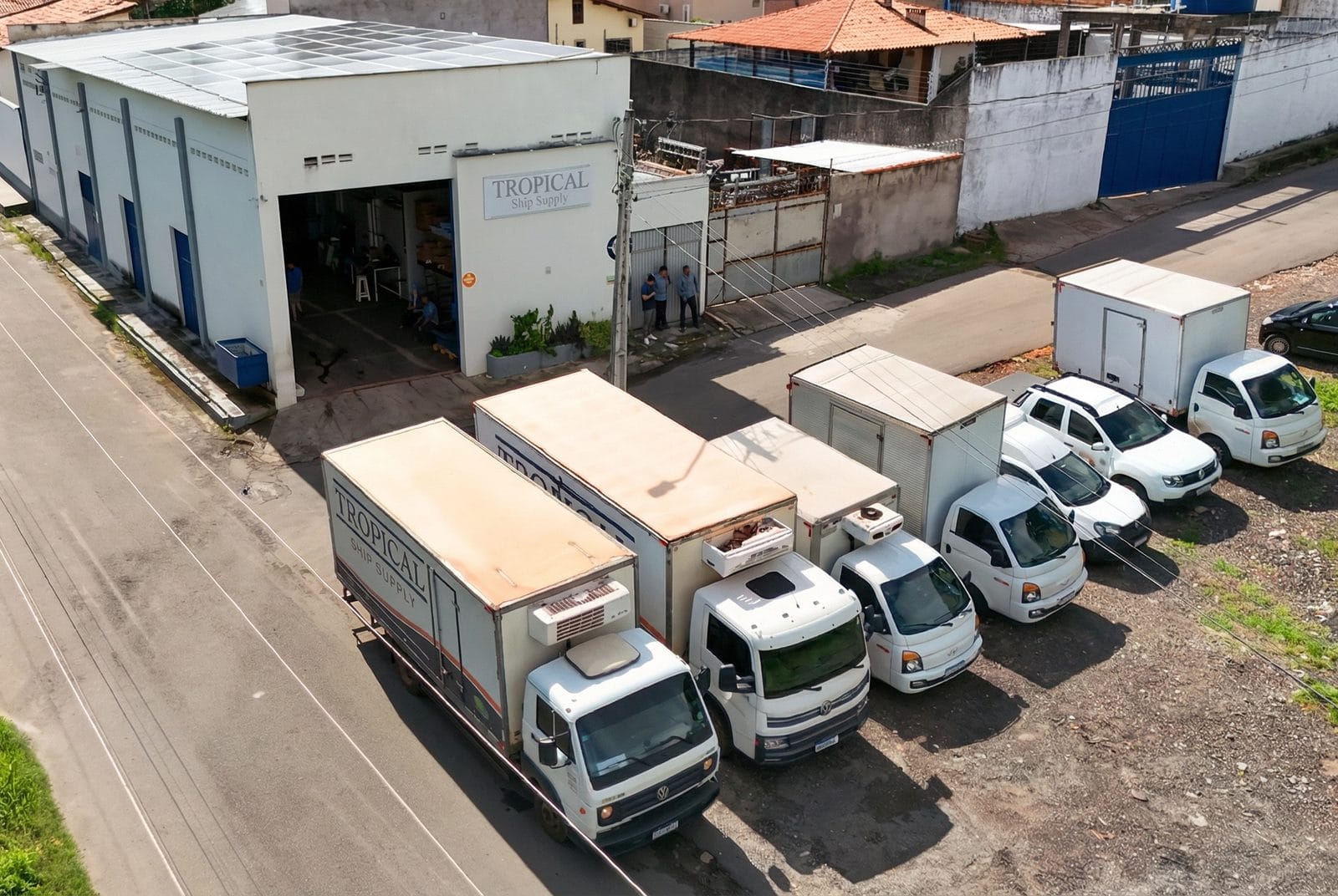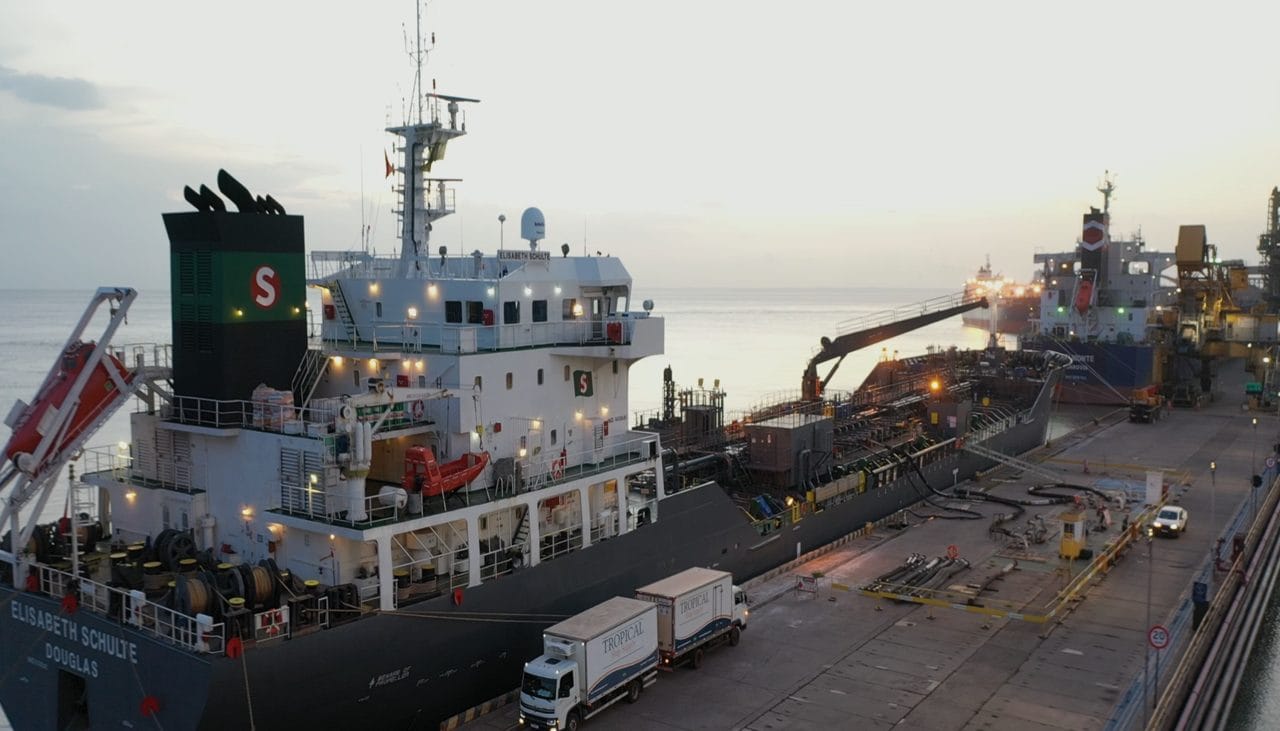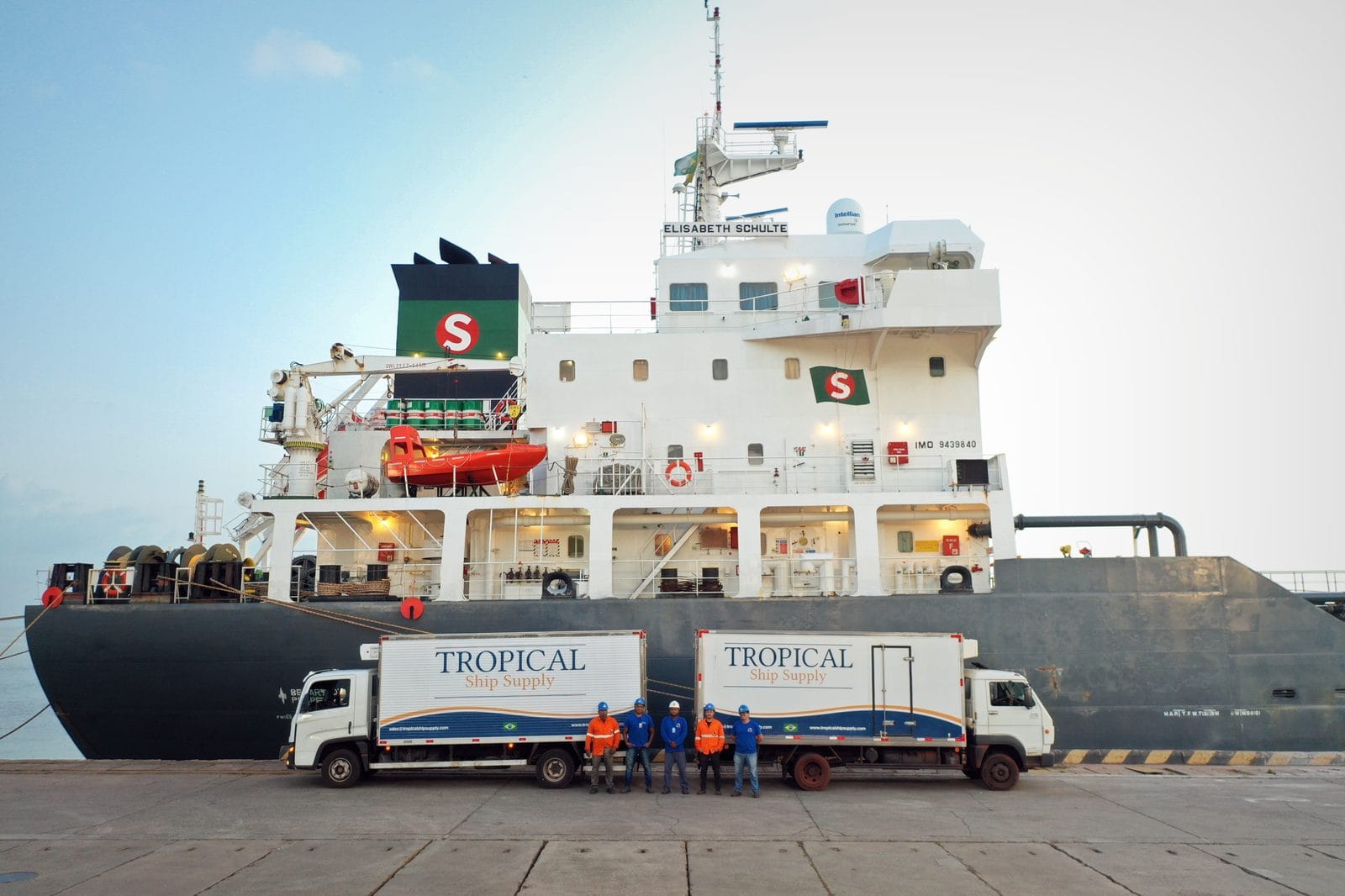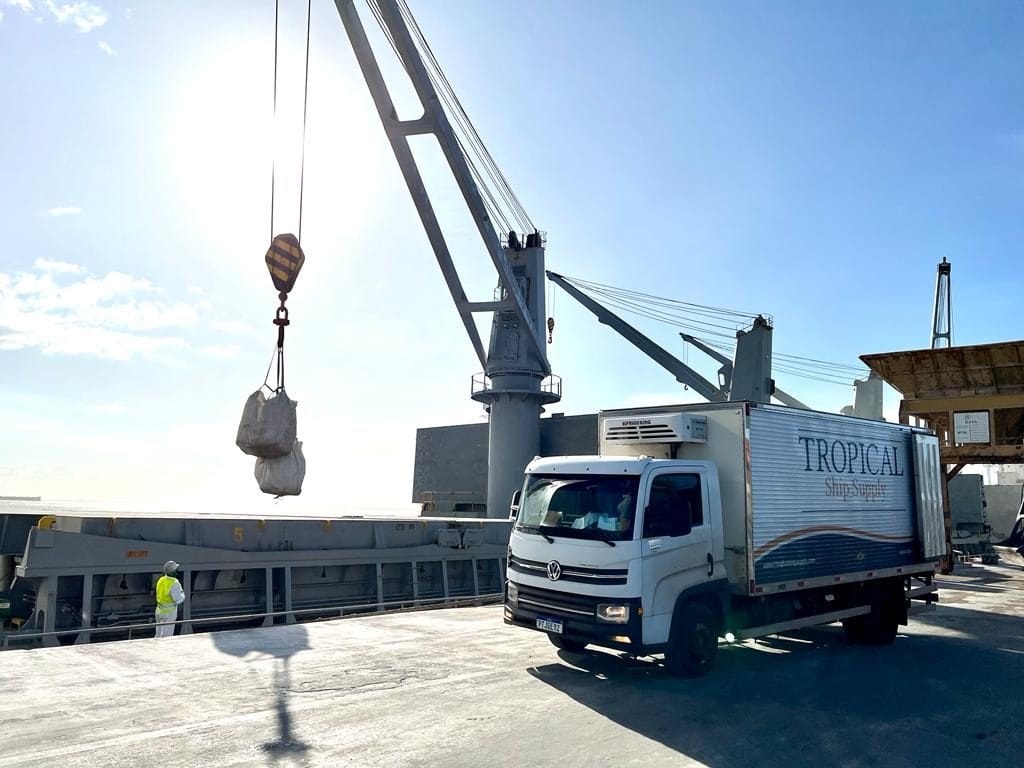
The world of maritime trade relies not just on vessels and logistics, but also on the seafarers who give life to these operations. Today, we feel the weight of a somber event: the passing of an Indian seafarer aboard the MT Celestial while docked at Duqm Port in Oman. This incident, relayed by the Indian embassy in Muscat, raises powerful questions and concerns for those of us who work daily to support ship crews, their welfare, and the broader supply chain. As a company dedicated to marine supply solutions—TROPICAL SHIP SUPPLY LTD.—we understand how deeply such events resonate with the maritime community.
What happened aboard the MT Celestial?
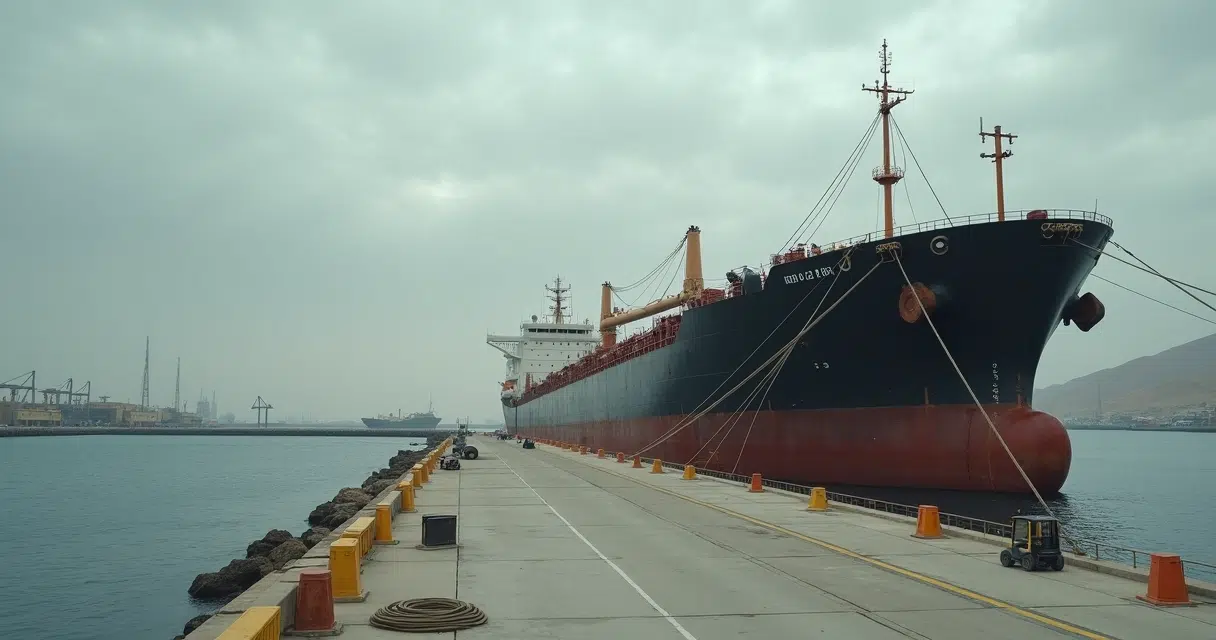
On a day that began like many others for the crew aboard the MT Celestial, tragedy struck. According to the Indian embassy in Muscat, a seafarer from India died from medical complications as the vessel was docked at Duqm Port, Oman. The crew faced immediate logistical and emotional challenges, as official arrangements to repatriate the body to India commenced as soon as possible.
Amid the routine hum of ship operations, this loss brought the human experience to the forefront. As professionals handling various aspects of ship supply and coordination, we know all too well that behind every assignment is a crew living far from home, facing risks unique to their profession.
The sequence of events: Discomfort, delay, and dignity
Official communications confirmed the distressing details of what happened after the seafarer’s passing. The Forward Seamen’s Union of India reported that the deceased, identified as 35-year-old Nishanth Uirthanathan, remained onboard the ship for over two days without proper refrigeration.
In the absence of refrigeration, fellow crew members were forced to try preserving the body using cold water bottles. This makeshift solution, captured in a video circulated by the union and on social media, highlighted both the distress and the resourcefulness of a crew facing a deeply uncomfortable, and potentially unsafe, situation. It brought to light how logistical barriers in foreign ports can affect even the most basic elements of human dignity. These complications emphasize why rapid, reliable marine logistics—like those we deliver at TROPICAL SHIP SUPPLY LTD.—matter greatly in such moments.
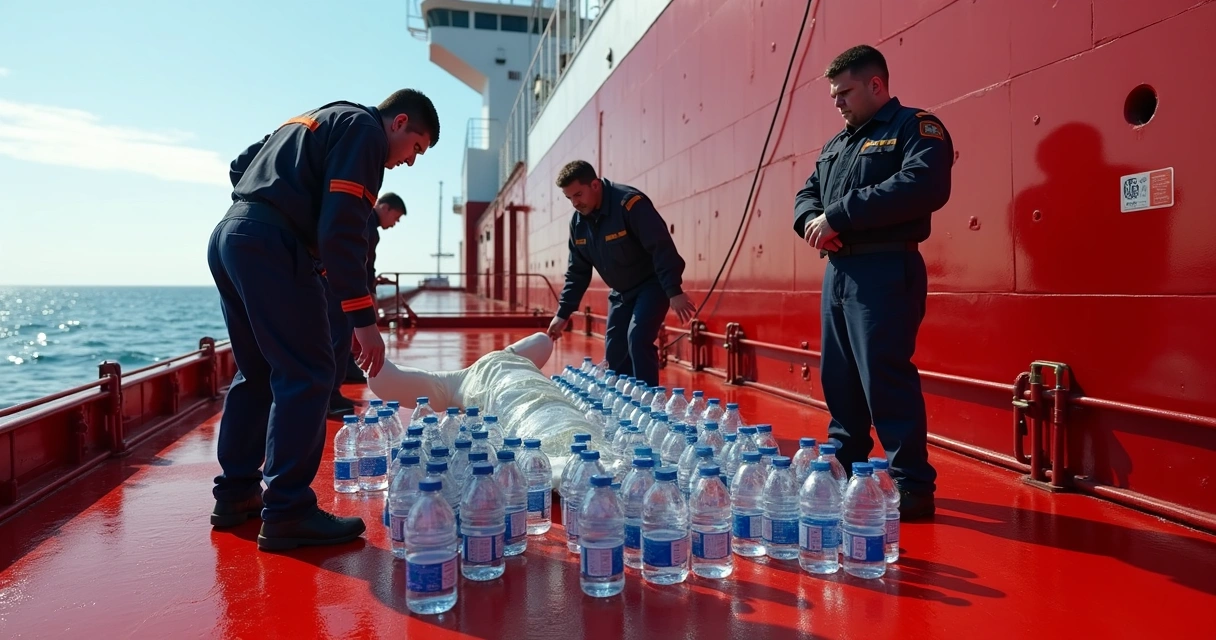 The use of cold water bottles signaled a lack of adequate facilities and magnified the emotional and logistical ordeal faced by seafarers away from home. These direct, verified details have been widely reported by union representatives and corroborated by multiple media sources (livemint).
Wider context: A string of tragedies and growing scrutiny
This loss does not exist in isolation. Just days before, three Indian seafarers were killed in a U.S. strike on another tanker off Oman’s coast. The back-to-back tragedies triggered widespread outcry and political criticism inside India and throughout the international maritime community (dawn.com).
The Indian government responded quickly: On Friday, officials summoned the U.S. chargé d’affaires in New Delhi to formally register concern and protest the use of deadly force against civilian shipping. This is now the second protest issued by India during ongoing tensions involving the U.S., Israel, and Iran.
Political momentum has been building, with opposition parties urging Prime Minister Narendra Modi to raise the deaths of Indian seafarers with U.S. President Donald Trump at the upcoming Group of Seven summit. This national and international attention is shining a spotlight on the safety and welfare of those who keep the global supply chain moving.
A closer look at Indian seafarer statistics
Official figures cited by India’s shipping ministry state that more than 300,000 Indian nationals work as seafarers on vessels worldwide, and over 18,000 are employed in the Middle East region alone. It is a number that underscores the country’s significance in global maritime labor, while also highlighting the need for strong support systems and welfare measures for these workers (maritimegateway).
- Indian nationals are the largest national group among the world’s seafarers.
- Systemic welfare problems have attracted media and trade union attention, especially amid recent tragedies.
- This incident joins a growing list of reported cases where seafarers and their families face hardship, especially when emergency medical or repatriation scenarios unfold far from their homeland.
As a supplier to the maritime world, TROPICAL SHIP SUPPLY LTD. serves vessels from many countries, and every client touchpoint deepens our understanding of the challenges faced by crews from diverse backgrounds. Our commitment to efficient, on-time service means prioritizing the crew’s well-being and supporting every link in the chain—because events like these remind us that reliability saves more than time; sometimes, it safeguards dignity and humanity too.
The impact on policy and industry practice
The circumstances reported by the Forward Seamen’s Union have put a renewed focus on the need for:
- Rapid repatriation protocols for medical emergencies and fatalities.
- Accessible crew welfare support and crisis coordination at foreign ports.
- Better onboard facilities to manage unexpected humanitarian situations.
- Policies that strengthen partnerships between shipowners, supply companies, local agents, and diplomatic channels.
- Awareness campaigns about crew welfare, reaching every corner of the supply chain, including those supplying food, safety equipment, and maritime assistance.
When we supply vessels at Brazilian ports, we see our responsibility not just in delivery, but in ensuring every transfer and arrival respects the protocols and dignity of seafarers onboard.
It’s a lesson reflected in our continuous process improvement, strong local teams, and proactive coordination with authorities and shipmasters, as detailed on our ship services page.
Lessons learned: The human and operational perspective
This incident is a reminder that, despite policies and international regulations, it is the on-the-ground and on-the-water experience of the crew and support providers that make the difference in moments of crisis. Fast, plain communication channels, direct supplier support, and prearranged crisis responses are becoming must-haves for effective marine logistics.
Our work with marine supply operations, visible in daily port activities and highlighted in content like our marine logistics coverage, keeps us focused on the details that support safety and speed, no matter the situation.
We believe that the wider maritime sector—industry and government together—needs to take new steps to ensure these tragedies are not repeated, by strengthening systems, investing in technology, and improving direct support for seafarers and their families. For regular updates and deeper insights about the maritime industry, our readers frequently consult our maritime news section.
A single incident can change everything.
Strengthening our commitment
At TROPICAL SHIP SUPPLY LTD., we don’t just handle logistics—we advocate for a safer, more responsive maritime supply chain. Our standards for product quality, speedy service, and environmentally responsible operations support not only vessels and shipowners, but also the dedicated individuals working at sea.
For ship agents, owners, and seafarers, our door is always open to share expertise and deliver solutions that make a difference in port and on the waves. We urge everyone working in the maritime field to uphold the highest standards in safety and crew support.
If you want to know more about how we back up vessels daily with consistent quality and support, or if your crew needs reliable assistance anywhere along the Brazilian coast, we invite you to get in touch. Find out how we bring transparency, care, and professionalism to every stop your fleet makes.
Frequently asked questions
What happened on MT Celestial in Oman?
An Indian seafarer, Nishanth Uirthanathan, died from medical complications while the MT Celestial was docked at Duqm Port, Oman. The loss has been confirmed by the Indian embassy in Muscat, and arrangements have been made to repatriate his body home to India. Crew members had to preserve the body with cold water bottles in the absence of suitable refrigeration, which highlighted logistical and emotional challenges faced onboard (livemint).
Who was the Indian seafarer involved?
The deceased was 35-year-old Nishanth Uirthanathan. He was identified by the Forward Seamen’s Union of India, who also reported the conditions following his death while the vessel was alongside in Oman.
What caused the seafarer’s death onboard?
According to the Indian embassy and reports from the shipping ministry, the seafarer died due to medical complications while the MT Celestial was docked. Full details on the specific nature of the medical emergency have not been released by authorities.
How are seafarers’ families supported after such incidents?
In such circumstances, arrangements are usually made by the authorities and employers to repatriate the deceased’s body home and coordinate with the family. Trade unions and government bodies may offer additional assistance, and wider industry discussions on seafarer welfare continue, as underlined by recent data and advocacy groups (maritimegateway).
What safety measures are taken on oil tankers?
Oil tankers are required to adhere to strict safety regulations, including maintaining proper medical facilities and emergency protocols. Crew training, the provision of medical supplies, and backup refrigeration are standard practices. However, as this incident demonstrates, unexpected crises can sometimes outpace preparations, emphasizing the need for continuous improvement and reliable supply chain partners for fast response in emergencies.
Let us help you reduce costs and improve reliability during your vessel’s port calls in Brazil. TROPICAL SHIP SUPPLY LTD. is here to support your crew with quality, transparency, and speed every step of the way.