Anyone who works in maritime shipping knows surprises happen at any hour. We at TROPICAL SHIP SUPPLY LTD. have seen it all: calls from vessels rushing to change menu plans, safety gear forgotten in a rush to port, unexpected repairs just as the anchor drops.
Even with careful planning, urgent supply needs arrive. Action has to be swift, clear, and reliable. Each minute counts—not just for your crew, but for global trade. UNCTAD notes that over 80% of the world’s goods cross oceans by ship, so smooth port calls power the economy (UNCTAD calls for urgent investment in maritime supply chains).
We believe every sudden request is a test of readiness. Here are eight steps we use to turn a late call into a quick win for our clients, and how any ship supplier—and every ship owner—can stay on top of urgent supply situations.
1. Maintain clear, constant communication
The first step is simple. When a vessel contacts us for a last-minute order, we respond instantly. We never delay. Even a short reply—“received, confirming availability”—reassures the client that their need is our top priority.
Every minute spent waiting can become an hour lost at berth.
We ask clear follow-up questions. What is the vessel location? When will it be at the pier? Are there restrictions for loading? This avoids confusion and aligns everyone from the start.
Being direct and proactive keeps everyone’s expectations realistic and builds the trust needed for tight turnarounds.
2. Know your inventory in real time
Last-minute supply means no time for guesswork. At TROPICAL SHIP SUPPLY LTD., our staff always knows what is on hand. We check our digital stock in key categories:
- Fresh food and bonded stores
- Safety and deck equipment
- Technical supplies and spare parts
- Specialty items (charts, medicines, publications)
Stock levels can change fast in busy ports like Santos or Itaqui. That’s why we update stock daily. This links closely to our routine described in how TROPICAL SHIP SUPPLY LTD is leading the marine supply in Brazil.
Without real-time visibility, even the best crews risk letting clients down. Strong inventory habits save time when urgency is high.
3. Build local partnerships for fast sourcing
No supplier can have everything, always. That’s why our approach is rooted in relationships with trusted local vendors across Brazil’s main ports. When uncommon requests come in—like halal meat, rare spare parts, or temperature-sensitive medical kits—these partners help us deliver almost anything, day or night.
 When choosing partners, we check:
- Response speed at any hour
- Consistent product quality
- Flexibility for special requests
- Proven reliability with urgent deliveries
Our network is our safety net. It means we can say “yes” to nearly any last-minute demand.
4. Document and standardize urgent order protocols
Chaos can creep in during emergencies unless procedures are clear. We tackled this by writing quick-reference checklists for our team. Whenever a last-minute order comes in, everyone knows who does what next.
Our protocol includes:
- Who receives and confirms the request
- Who checks stock and seeks alternatives if needed
- Who coordinates with port authorities for permission and timing
- Who prepares the package and arranges secure delivery
These checklists cut confusion. Even new team members get up to speed fast, keeping the process smooth and transparent.
5. Invest in training and development
Mistakes can happen in the rush. But ongoing training helps. As The Nautical Institute highlights, under time pressure, human performance can slip—affecting safety and the success of every port visit (time pressure in maritime operations).
That’s why we keep our team trained:
- How to quickly assess and prioritize orders
- How to handle perishable and sensitive goods
- How to meet regulatory and documentation standards fast
- How to communicate status clearly, even under stress
Prepared teams make success under pressure look easy.
 6. Use technology to speed requests and tracking
 6. Use technology to speed requests and tracking
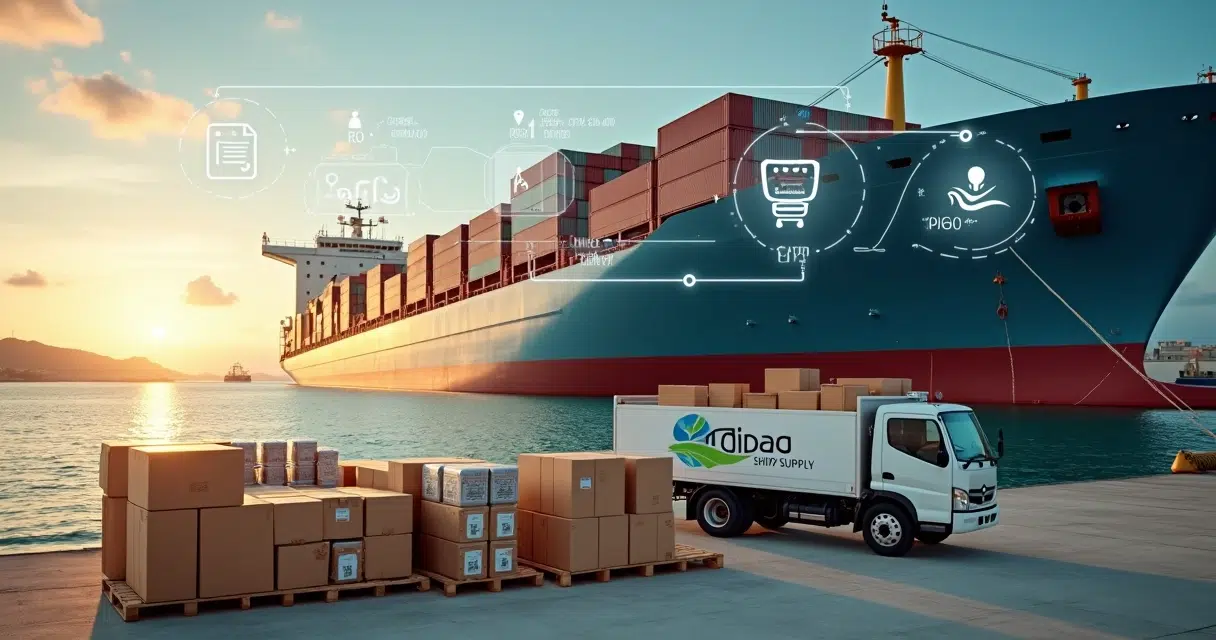
Manual processes can slow down progress. We use digital tools to record orders, check inventory, set reminders, and track deliveries.
Clients follow the progress of their orders in real time. They see when the supply leaves the warehouse, arrives at the gate, and is loaded onto their vessel. This reduces the need for updates by phone or email—saving time on both sides.
When every minute matters, tech provides the visibility and accuracy clients expect.
7. Review and improve after every urgent job
Once the rush ends, we always take a moment to look back: Did everything arrive on time? Was there a delay at the pier? Anything missing? We ask for feedback and note lessons, good and bad.
Every urgent supply is a learning chance, not just a race. This habit helps us refine our checklists, keeps our local network sharp, and develops the team’s confidence.
We also keep updated with news in the field to anticipate trends—like changes in port operations, regulatory updates, or market shifts. Our team reads the latest maritime supply news and blogs to stay ahead.
8. Plan ahead to limit emergencies
We cannot remove emergencies, but we do spot patterns. Most “urgent” supply needs turn out preventable.
- Recurring items ordered last minute? We suggest putting them in standing orders.
- Frequent late-night requests? We discuss delivery windows with agents and make more inventory available at key times.
- Unusual requests during seasonal changes? We share forecasts with clients before the season hits.
Sometimes, we even work with port stakeholders to understand future infrastructure developments, such as the changes at Santos as described in discussions about the port of Santos privatisation.
The best urgent supply is the one planned weeks in advance.
For more strategies, we suggest checking regular industry news and analysis to stay ahead of the curve.
Conclusion: Be ready, be reliable
Last-minute supply demands test every part of the chain—from warehouse to pier. With strong protocols, reliable technology, good partners, and a culture that loves a challenge, we at TROPICAL SHIP SUPPLY LTD. keep vessels moving with speed and confidence.
It’s not just about responding fast. It’s about staying prepared, learning from every situation, and helping clients have fewer emergencies tomorrow.
If you want to see how a strong supply partner can support your next call in Brazil, reach out to TROPICAL SHIP SUPPLY LTD. for a free quote or to start a conversation about your vessel’s needs.
Frequently asked questions
What is a last-minute supply request?
A last-minute supply request is an urgent demand from a vessel or its agent for products or services that are needed immediately or on short notice—often just before or during a port call. These requests typically come when unforeseen issues arise or when regular planning fails. Examples include unexpected food shortages, urgent repair needs, or missing safety equipment.
How to handle urgent supply needs?
The key is to respond quickly, confirm the details, and check inventory immediately. At TROPICAL SHIP SUPPLY LTD., we also lean on local partners to source hard-to-find items and use technology to speed up tracking and updates. Well-trained staff and written protocols make sure nothing is missed, even under pressure.
What are the best tips for readiness?
Some of the best tips are: keep inventory levels visible at all times, maintain partnerships with trustworthy local suppliers, use digital tracking tools, and review performance after every urgent job. Clear communication and frequent training keep teams alert and reliable during demanding situations.
How to avoid last-minute supply issues?
Although emergencies can’t be fully prevented, most can be reduced by planning ahead. Regularly review recurring orders, identify seasonal trends, and include your supplier early in voyage planning. Using a proactive approach—such as setting standing orders—can help limit the stress of urgent requests.
Where to find emergency supply vendors?
Emergency ship supply vendors are found in most major ports. We recommend looking for companies with strong local networks, a clear track record of fast response, and transparent communication. In Brazil, TROPICAL SHIP SUPPLY LTD. supports vessels in key North and Northeast ports, focusing on quick, dependable service at every step.