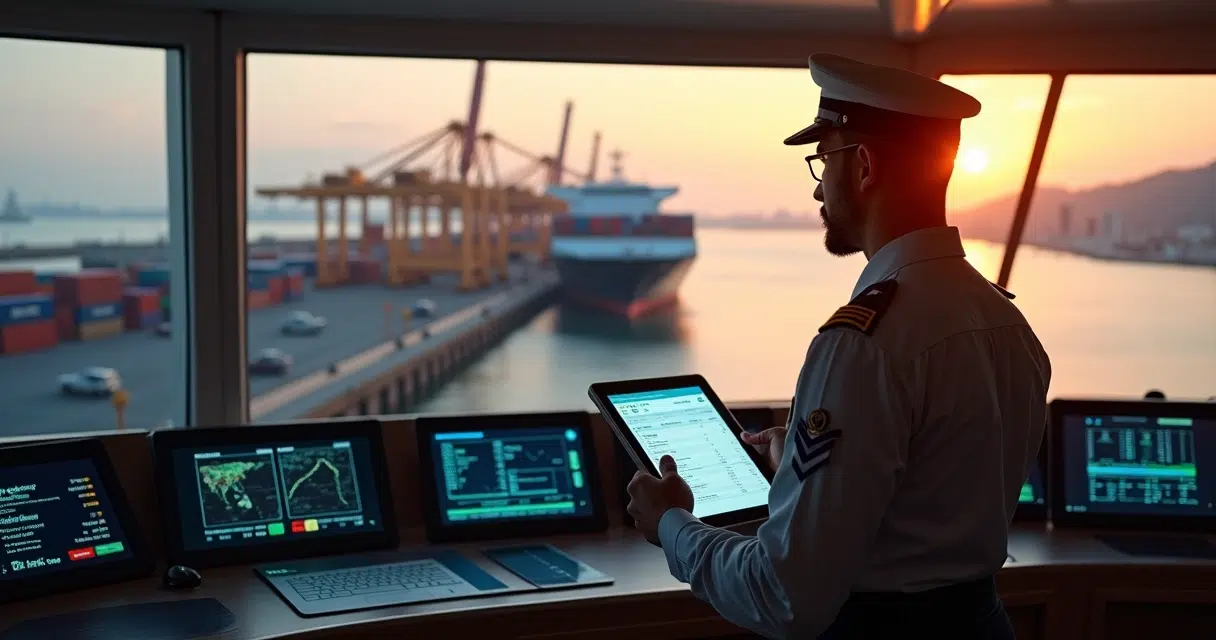
If we stop and compare recent years with past decades, it’s clear the way vessels and agents manage supply contracts has changed deeply. Especially in Brazil’s bustling ports, where clear communication and timely delivery are expected, digital invoicing is now shaping both operations and relationships in the maritime sector. At TROPICAL SHIP SUPPLY LTD., we have watched this transformation up close and worked hard to make our process as transparent and responsive as possible for our clients at every stage. In this article, we will describe how digital invoicing simplifies maritime supply contracts and why many ship owners, agents, and suppliers are embracing it—not just as a convenience but as a smart business choice.
Understanding digital invoicing in maritime logistics
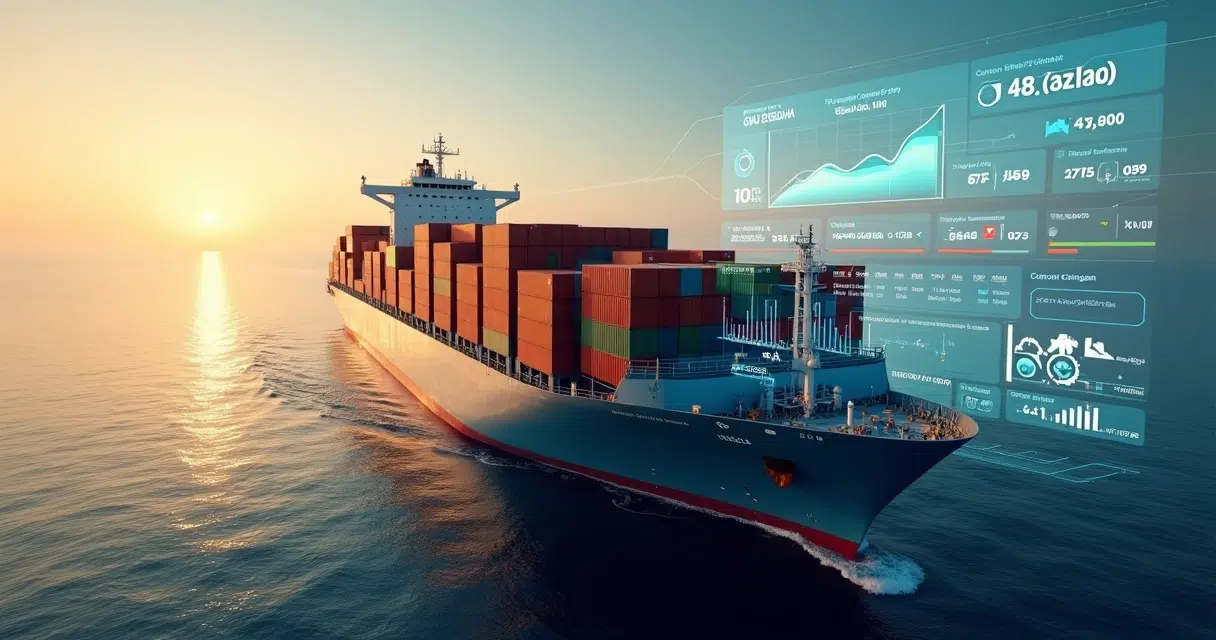
The growth of international trade has tested old, paper-based systems to their limits. According to a joint report by the World Bank and the International Association of Ports and Harbors (IAPH), digitalization in maritime activities can dramatically improve delivery times, reduce losses, and bolster transparency. Digital invoicing forms the backbone of this shift.
We define digital invoicing as the creation, delivery, and management of invoices through secure electronic platforms instead of paper or email attachments. This method has become more common in maritime supply contracts, where vessels and suppliers need fast, verifiable, and flexible billing and payment solutions.
Faster decisions mean smoother sailings.
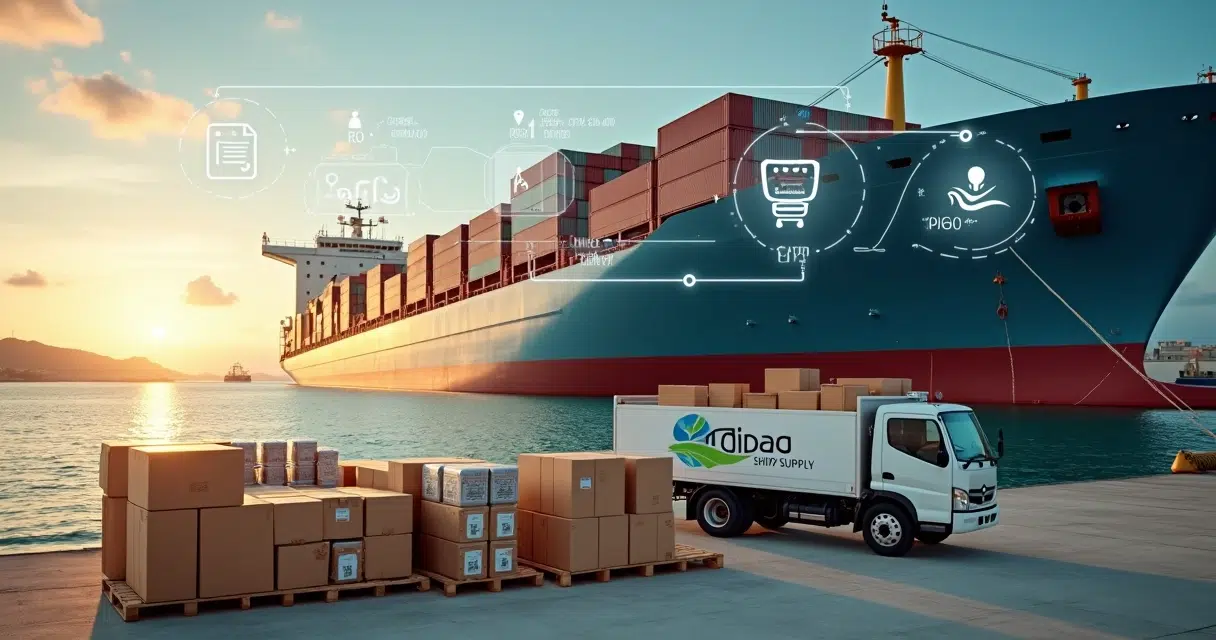
For shipchandlers like TROPICAL SHIP SUPPLY LTD., digital invoicing provides instant confirmation to customers that supplies have left the dock, and that all contract terms—prices, quantities, delivery times—are clearly documented and accessible for all parties. We see it not just as a tool but as a promise of reliability.
How digital invoicing works for maritime supply contracts
When a vessel calls at a port and requests provisions, ship stores, or safety equipment, several steps must be verified before products are boarded. Traditionally, each of these steps generated paperwork: quotes, confirmation letters, shipping notes, and invoices. With digital platforms, each document is created and shared online, reviewed quickly, and archived for easy reference by the vessel, ship agent, and supplier.
- The initial purchase order is raised by the vessel or ship agent through a secure platform.
- We process the order, update stock availability, and prepare the invoice on a connected system.
- The digital invoice is sent automatically to the client, reducing time lost in manual checking or mailing.
- Each invoice has a unique code to avoid errors and confusion between contracts serving multiple ports or calls.
- Payment tracking and confirmation are integrated, so both sides always know current status in real time.
We know from experience that visibility is key for both sides in a maritime contract. With digital records, there’s no misunderstanding over products, prices, or the status of a supply during a busy port call. And in case a question arises, the full chain is accessible in minutes.
 Key benefits of digital invoicing for shipping logistics
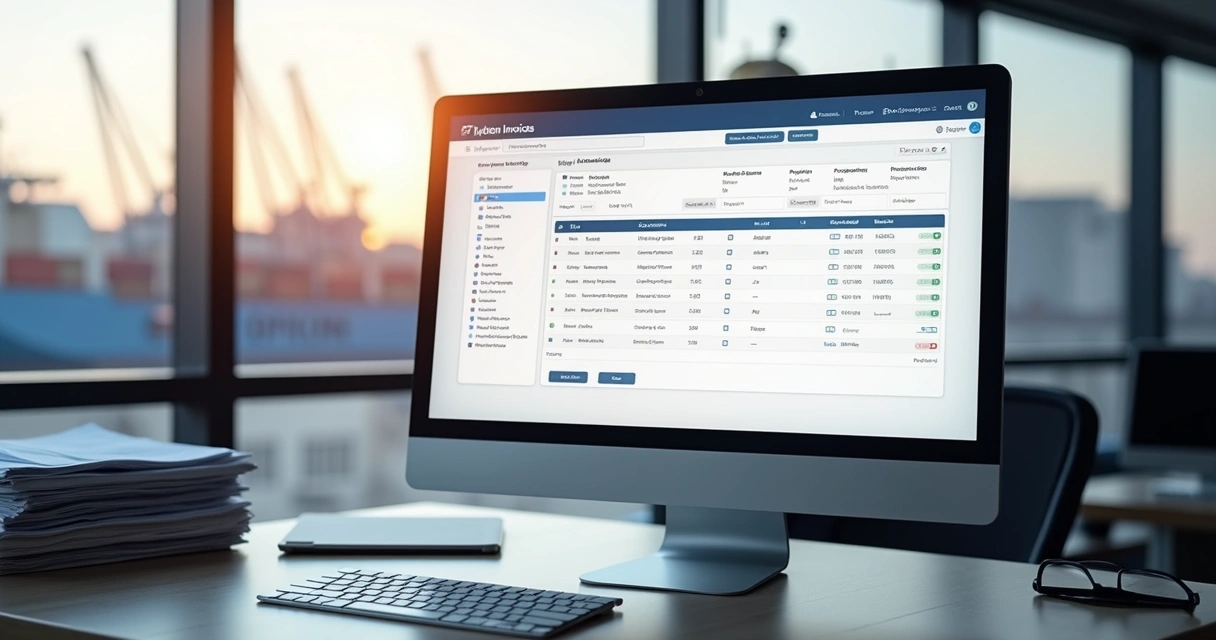 Key benefits of digital invoicing for shipping logistics
When we transitioned clients to digital processes at TROPICAL SHIP SUPPLY LTD., the improvements were clear from the start. These are the benefits we noticed most—shared directly by both vessel managers and our own operations team:
- Shorter invoice processing times, often moving from days to less than an hour
- Lower risk of lost documents or late approvals, since every step is online and timestamped
- Clear audit trails, which are highly valued by clients dealing with international regulations
- Cost savings on both administrative tasks and courier fees
- Less environmental impact, with less paper usage and wasted energy
According to studies from the World Bank and IAPH, these gains build up across ports and suppliers, resulting in more resilient supply chains and a sharper competitive edge globally.
If you want to dig deeper into the latest updates affecting ship supply and logistics, we invite you to read our industry blog and news section for real-world stories and updates in Brazil and worldwide.
The user journey: from request to receipt
Let’s walk through a typical journey as we experience it at TROPICAL SHIP SUPPLY LTD.:
- The ship sends a product request, specifying needed goods, branded items, or even special dietary products for the crew.
- Our team inputs details directly into a platform. No risk of misreading or losing a hand-delivered note.
- Before goods leave the warehouse, the digital invoice matches quantities and prices as quoted.
- The vessel agent receives instant notice for approval, or can send feedback if something should be adjusted.
- Upon receipt, both sides confirm digitally. Payments can be tracked, receipts generated, and contracts closed without delay.
Every step adds clarity, keeping business relationships smooth and fair.
Tackling common challenges with digital invoicing
 Tackling common challenges with digital invoicing
Even the best technologies face questions, especially in fast-paced maritime sectors. Ships change plans, ports run day and night, and every order is unique. Here’s what we have learned at TROPICAL SHIP SUPPLY LTD.:
- Internet access can be patchy in port areas or on remote ships, so having offline access and auto-sync once back online is key.
- Data security is a must. Platforms must meet international standards for encryption and privacy, especially when handling large contracts and personal details.
- All parties, from the ship’s master to financial controllers onshore, must understand how to use the system. Simple interfaces and clear instructions help everyone adapt faster.
Clear instructions make change simple.
We describe our typical process and policies so our clients are always confident about billing accuracy and document access. For those new to digital invoicing, we’ve also developed guides and are always available for one-on-one support.
Why now? What is pushing digital invoicing in maritime trade?
Several factors have accelerated this change. Global pandemic restrictions proved that paper handling slows shipping. Pressure for lower costs and environmental responsibility continues to rise. Port authorities across Brazil and worldwide are streamlining approval for vessels with fully electronic documentation—raising the bar for everyone.
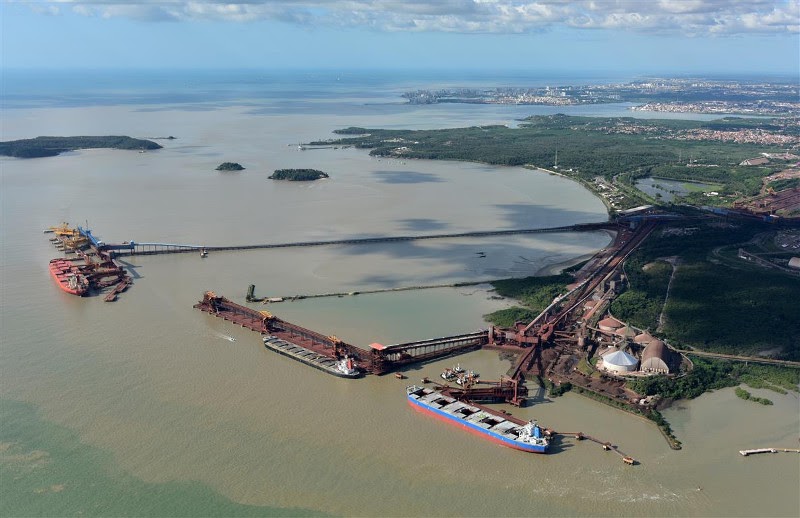
For those following changes in Brazil’s port infrastructure, recent news about the privatization of the Port of Santos and its growing need for container management efficiency reinforce the trend: digital solutions are no longer a future goal, but the standard for large-volume, quick-turn contracts.
Adapting digital invoicing to local regulations
Brazilian tax and import/export laws can be complex. As a supply partner, we know the value of digital platforms pre-configured for local requirements. Our systems ensure electronic invoices comply with Brazil’s “Nota Fiscal Eletrônica” laws, so clients face fewer regulatory headaches in audits and customs inspections. This local knowledge is what sets supply contracts apart from basic generic solutions.
What’s next for maritime supply and digital billing?
We see the path forward in more integration, less manual data entry, and smarter connections between vessels, agents, and suppliers. With more digitalized contract management, both local and international players gain advantages. For an update on how these shifts impact sustainability goals, you may like our article covering Brazil’s maritime decarbonization dilemma.
If you want to understand how these global and regional changes impact daily operations for ship suppliers in Brazil, our dedicated service page details our approach and standards. We believe that digital invoicing and responsive supply are not just about speed—they are about trust, compliance, and building long-term partnerships.
Final thoughts: Setting sail with confidence
By embracing digital invoicing, we have seen improved accuracy, faster turnarounds, and greater trust from our partners. As maritime supply contracts become more complex, we remain committed to transparency and flexibility. If your vessel or agency is ready to move beyond paper, reach out to our team. At TROPICAL SHIP SUPPLY LTD., our goal is to provide the best experience possible, from dockside delivery to digital billing.
Contact us and discover how our tailored digital invoicing and responsive ship supply can support your next port call in Brazil.
Frequently asked questions
What is digital invoicing in maritime supply?
Digital invoicing in maritime supply refers to creating, delivering, and managing invoices electronically through secure platforms, allowing for swift, transparent, and traceable transactions between vessels, agents, and suppliers. It eliminates paper, reduces errors, and makes documentation instantly accessible to all contract parties.
How to set up digital invoicing systems?
To set up digital invoicing, start by selecting a platform or software that matches your needs and complies with local and international regulations. Integrate it with your internal workflows, train your staff and partners, and ensure reliable internet connectivity for both port-side and vessel teams. Make sure the system can handle local tax requirements, such as Brazil’s Nota Fiscal Eletrônica.
What are the benefits of digital invoicing?
Key benefits include faster processing, improved accuracy, reduced paperwork, better cost control, and enhanced document security. It fosters real-time tracking of invoices and payments, which strengthens client-supplier trust and supports compliance with global trade regulations.
Is digital invoicing secure for contracts?
Yes, when implemented correctly, digital invoicing is highly secure and often includes encryption, access controls, and audit trails, providing lower risk of loss or fraud compared to paper-based processes. Choosing reputable platforms and maintaining up-to-date security practices is recommended.
How much does digital invoicing cost?
Costs vary depending on the software, number of users, customization, and integration with existing systems. However, most organizations, including ours, have seen savings in reduced admin hours, less printing, and lower legal risks. Some platforms offer flexible pricing based on contracts, making digital invoicing an affordable upgrade for most maritime businesses.