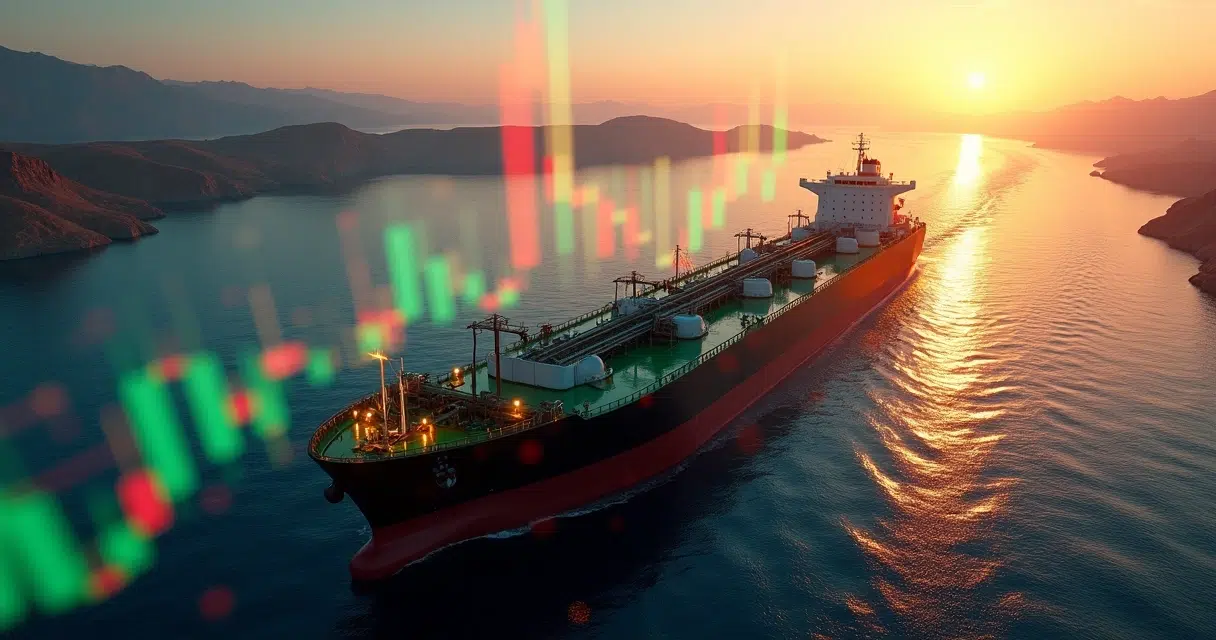
Oil prices climbed slightly on Friday as hopes for a stable U.S.-Iran peace deal faded following the cancellation of peace talks in Switzerland and escalating Israeli military actions in Lebanon. As of 0645 GMT, Brent crude increased by 51 cents, or 0.64%, to $80.36 a barrel, and U.S. West Texas Intermediate (WTI) crude jumped $1.28, or 1.7%, to $77.88 a barrel. While these upticks are notable, both contracts endured a sharp 8% loss over the week. The more actively traded August WTI contract rose 59 cents to $76.44, with the expiring July contract set to end Monday.
Switzerland’s cancellation of planned U.S. talks with Iranian negotiators, spurred by Vice President JD Vance’s absence and ongoing unrest after recent Israeli attacks in Lebanon, has heightened market unease. The aborted summit cast a shadow over the timing and viability of any preliminary agreement between the U.S. and Iran, injecting fresh uncertainty into an already volatile region.
Short-term rally amid fading hopes
The oil market’s reaction was immediate but cautious. Just a day before these price gains, oil had plunged to its lowest since early March. Yet as Switzerland abandoned the talks, the narrative shifted quickly, with crude prices spinning upward as traders reconsidered the potential for a durable diplomatic breakthrough.
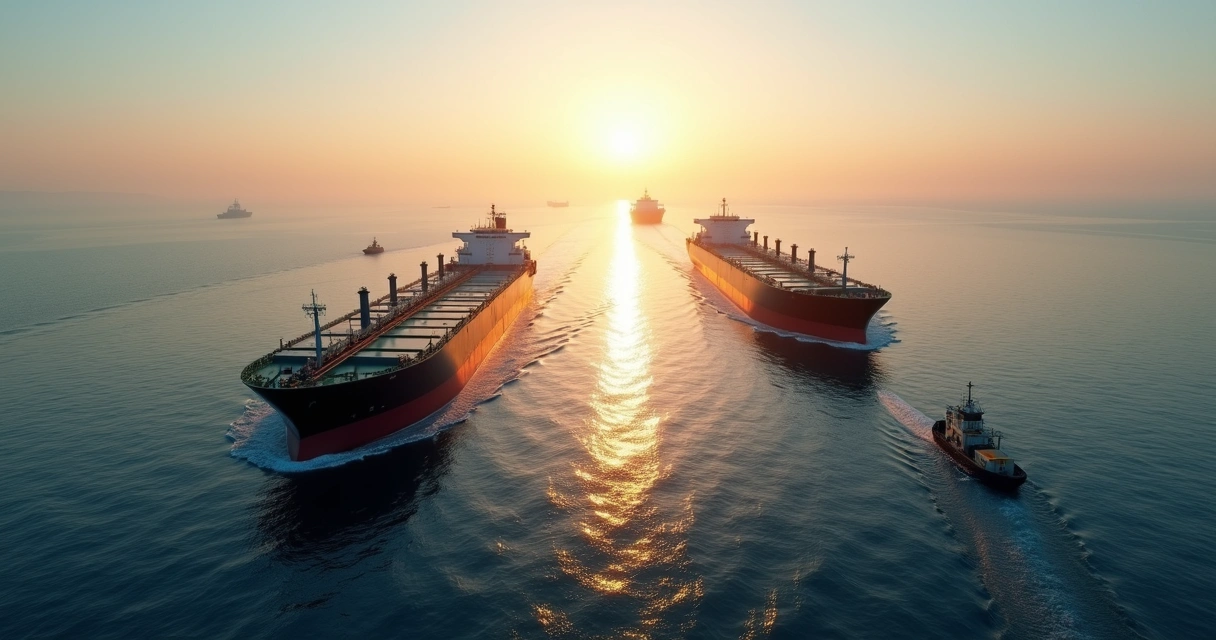 Analyst Vandana Hari stressed that prices may have bottomed out, but the landscape ahead appears bumpy. Vandana sees “plenty of volatility” as cracks in the preliminary deal persist, leaving long-term stability in the crucial Strait of Hormuz looking more uncertain than ever. In our experience at TROPICAL SHIP SUPPLY LTD., unpredictable geopolitical winds can quickly reshape global shipping and supply chains.
Strait of Hormuz: Unstable but unblocked
Market nerves had been tested to the limit the day before, when oil prices slipped after months of tension. Several tankers, including three Saudi-flagged ships carrying 6 million barrels, managed a successful passage through the Strait of Hormuz—just hours after the interim U.S.-Iran deal was inked. This fleeting sense of normality brought momentary relief to global shippers and energy traders.
For context, prior to the latest Middle Eastern conflict, roughly one-fifth of the world’s oil and liquefied natural gas flowed each day through the Strait of Hormuz. Its status as the planet’s busiest energy chokepoint means that any disruption—even temporary—immediately ripples through global supply and pricing.
Potential flood of trapped Gulf oil
According to well-followed analysts, more than 85 million barrels of oil are currently stranded in the Middle East Gulf. If a deeper U.S.-Iran settlement is achieved and sanctions on Iranian oil are lifted soon, this backlog could surge into global markets, pressuring prices further. Many shipping services, like ours at TROPICAL SHIP SUPPLY LTD., closely monitor these developments, as they directly determine both demand patterns and logistical planning.
- The immediate aftermath of the interim deal saw some trapped tankers resume movement.
- U.S. sanctions relief—even partial—could trigger additional flows.
- This potential glut is making some market participants more cautious.
Tim Waterer, another respected voice in commodities strategy, put it plainly: “Traders will want clear proof that passage through Hormuz has fully normalized before betting on further declines in oil.” That echoes what we hear from clients operating in and out of Brazilian ports—uncertainty in shipping lanes leads to recalibrated supply contracts and loading schedules worldwide.
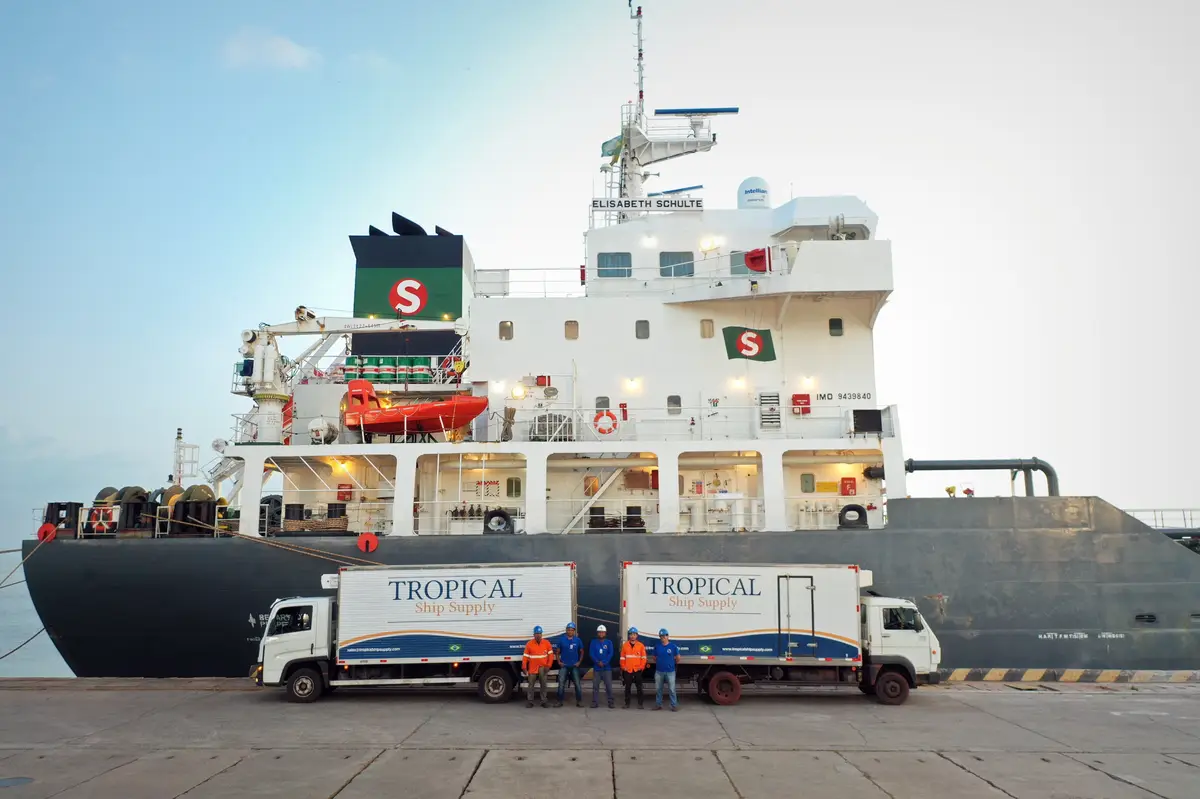 We see this reality on the ground every day. As TROPICAL SHIP SUPPLY supports vessels in the North and Northeast of Brazil, the ripple effects of instability in the Gulf shape sourcing timelines and client requirements across our entire service network.
Middle East producers prepare to ramp up
Major Middle East exporters wasted no time signaling intent to resume robust outbound flows. Kuwait Petroleum Corp swiftly ended all force majeure notices tied to the conflict, signaling operational readiness to global partners. Iraq’s oil ministry went further, confirming that oil fields—previously idled or slowed—are already set to ramp up production and soon achieve pre-conflict export levels.
If the peace deal between the U.S. and Iran holds, normal trade flows in the Gulf could resume faster than many initially expected. But doubts are growing. While regional exporters gear up for business as usual, volatile headlines—driven in large part by the unresolved hostilities between Israel and Hezbollah in Lebanon—continue to hang over the entire negotiation process.
Lingering doubts and the risk of a setback
Our research highlights an emerging consensus: no one is ready to call this crisis resolved. Reuters and the Maritime Reporter E-News both pointed recently to cautious optimism in the industry, but also to underlying fears of another rapid reversal if a new shock emerges.
From our vantage as a maritime supply provider integrated into global trading networks, we recognize this pattern. Uncertainty drives not only shifts in futures pricing but also tangible changes in inventory strategies, port scheduling, and fleet deployment. Operational discipline and local expertise—two hallmarks of TROPICAL SHIP SUPPLY—become even more valuable when the world’s most vital shipping lanes are in flux.
The big picture for global shipping and supply
As vessels from across the world pass through Brazilian gateways, the link between Middle East geopolitics and port operations here tightens. Our wide network in major Brazilian ports enables us to keep services consistent, whatever the international scenario may look like. Clients depend on timely supplies, adaptability, and transparent pricing—even as the global stage shifts.
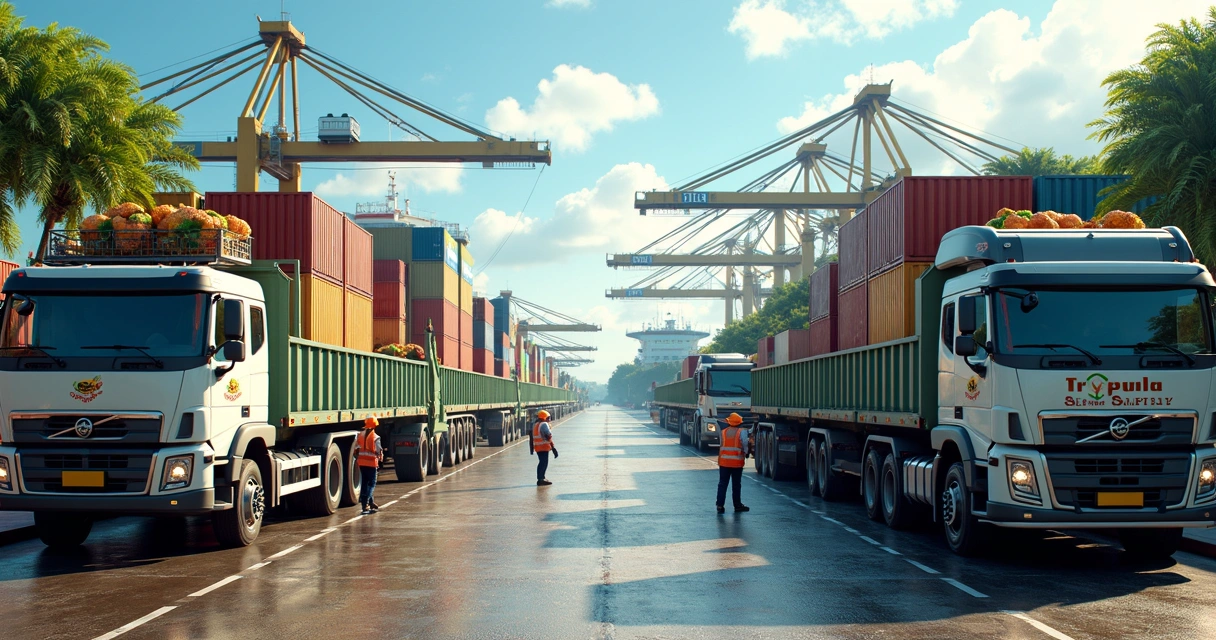 For those interested in the wider effects of oil market swings, recent summaries of price volatility can be found in our market outlook archives. News about Brazilian port trends and maritime commerce, including privatization initiatives and security updates, is also available on our site, for those who wish to understand regulatory shifts and port operations locally and internationally:
- News about port security and trade in Brazil
- Latest international trade updates
- Analysis of the Port of Santos expansion and privatization
- Up-to-date maritime news summaries
Updates like these, informed by Reuters and the Maritime Reporter E-News, help us keep clients one step ahead. As always, our commitment to efficient, sustainable, and transparent supply across all major Brazilian ports stands firm, no matter where the winds of global energy politics may blow.
Conclusion
This week showed just how dependent the world remains on stability in the Middle East and the Strait of Hormuz. While oil prices rebounded slightly after a bruising week, persistent doubts over the U.S.-Iran peace process, unpredictable regional conflicts, and sudden policy changes could reverse course at any time. At TROPICAL SHIP SUPPLY LTD., we guide vessels and clients through this dynamic global environment with trusted local expertise, consistent quality, and reliable service. Confident navigation begins with the right partner. Contact us to see how we can support your vessel calls in Brazil, even amid uncertainty.
Looking to reduce costs without sacrificing reliability during calls in Brazil? Tropical Ship Supply supports vessels with on-time delivery, consistent quality, and local assistance across key ports in the North and Northeast.Contact our team and request a quote:Quotation@tropicalshipsupply.com+55 98 98347-0908 (24/7) WhatsApp
Frequently asked questions
What is the Strait of Hormuz?
The Strait of Hormuz is a narrow passage of water connecting the Persian Gulf to the Gulf of Oman and the Arabian Sea. It is considered the world’s most important oil transit chokepoint, as a large portion of global oil exports flow through it daily. Any delays or disruptions here can immediately affect global energy prices.
Why do U.S.-Iran tensions affect oil prices?
Oil prices react strongly to geopolitical events in the Middle East, especially in major exporting countries. Tensions between the U.S. and Iran can spark fears about shipping disruptions, new sanctions, or conflict, prompting increased volatility in international oil markets. When talks falter, or military activity spikes, prices often climb.
How does the Strait impact global oil supply?
The Strait of Hormuz handles roughly 20% of the world’s oil and liquefied natural gas shipments. If shipping slows or stops through this passage, energy supplies to major economies can be delayed or rerouted, affecting pricing and availability worldwide.
What could happen if the Strait is blocked?
A major blockage of the Strait—due to conflict or intentional closure—would send oil prices skyrocketing and could trigger supply shortages globally. Tankers would have to reroute or wait, and countries that rely heavily on imported energy might face severe economic pressures.
Is it a good time to buy oil?
This depends on your risk tolerance and investment outlook. Volatility is high, and market direction hinges on sensitive events like peace negotiations and shipping updates. While there is potential for gains if normal trade resumes, the risk of further shocks remains. Traders and businesses are waiting for clearer signs of stability before making large commitments.