Onboard work is defined by movement. Every rope, tool, crate, or hatch means a new strain on the hands and forearms. Yet in our experience at TROPICAL SHIP SUPPLY LTD., too often, seafarers overlook just how exposed their wrists and hands are to harm. In the challenging environments of maritime operations, even a single injury can unsettle day-to-day flow and, more importantly, put crew safety at risk.
Let us walk through the big picture: the types of wrist injuries seen on ships, what puts crew members at risk, and the practical steps we adopt to keep hands healthy—so vessels call at their next port on schedule, and crew return home just as they left—safe and whole.
What injuries and disorders affect wrists on ships?
On a ship, hands are constantly in motion: gripping ladders, tightening bolts, carrying boxes, or typing vessel logs. Over time, this repetitive activity, sometimes paired with poor body mechanics, can lead to injuries or overuse conditions.
- Sprains and strains: Sudden force or awkward movement may stretch or tear ligaments and tendons around the joint. This is common when lifting heavy objects, especially with a bent or twisted grip.
- Fractures: A direct blow or fall on an outstretched hand, such as slipping on a wet deck, can cause bones to break.
- Tendinitis and tenosynovitis: The repetitive use of hands in tight spaces (crane controls or valve wheels) causes tendons to become inflamed, producing swelling or pain.
- Carpal tunnel syndrome: Prolonged gripping of tools or vibrating equipment compresses a nerve at the wrist, causing numbness, tingling, and weakness.
- Lacerations and crush injuries: Working with cables, hatches, or sharp objects sometimes leads to cuts, pinches, or worse.
A study examining telemedical maritime assistance calls found that wrist and hand incidents make up nearly one-third of all seafarer injuries reported, highlighting just how common these issues are offshore. For more detail on the study, refer to the analysis of Italian Telemedical Maritime Assistance Service data (2016-2019).
Why do wrist injuries matter for ship crews?
When even one crew member struggles with wrist pain, the ripple effect is immediate. Reduced grip strength or mobility prevents safe handling of lines, gear, and equipment, sometimes causing tasks to take longer or be delegated. Crew fatigue increases. In worst-case scenarios, a distracted or weakened worker may be at far greater risk for a secondary injury—either to themselves or to the team member working alongside them.
Frequent injuries slow down cargo handling, maintenance, and routine inspections. In our operations—whether we’re delivering provisions, overseeing bonded stores, or supplying critical safety equipment at strategic Brazilian ports—our commitment to reliability and quick turnarounds relies on every team member being fit to work without pain or restriction.
Without preventive care, a single case of tendinitis or a fractured wrist can take a team member out of rotation for weeks, or even months—impacting safety and delivery timelines for everyone on board.
What are the main risk factors for wrist problems on ships?
Sea work isn’t like office work. Everyday maritime tasks bring unique hazards that make wrist injury more likely. The primary risk factors we have noticed in shipboard operations include:
- Heavy lifting: Moving stores, luggage, or machinery without proper technique puts excess stress on the wrists, particularly during awkward lifts in tight quarters.
- Repeated movements: Operations like chipping, painting, line handling, and repetitive tool use (bolting, screwing) create overuse injuries over time.
- Improper ergonomics: Working in cramped engine rooms or awkward positions often means the joints are bent or twisted for long periods.
- Inadequate or aging equipment: Poorly maintained tools can require a tighter grip, further increasing strain.
- Environmental hazards: Wet, oily, or uneven decks make it easy to slip and fall, leading to trauma from landing on an outstretched hand.
- Lack of rest: Extended work shifts with few breaks do not allow micro injuries to heal, increasing risk of chronic issues.
These factors are not unique to one department or job type. They span deck teams, engine crew, galley staff, and even bridge operations—anyone handling gear, supply boxes, or vessel maintenance runs the risk. The CDC highlights marine transportation workers’ exposure to physical hazards, heavy lifting, and repetitive motions as leading contributors to wrist and other musculoskeletal disorders.
How can wrist injuries be prevented aboard ship?
Prevention is always better than repair—and our procedures at TROPICAL SHIP SUPPLY LTD. reflect that. While some hazards are simply part of ship operations, a combination of practical adjustments and crew awareness can cut injury rates dramatically.
 Work method improvements
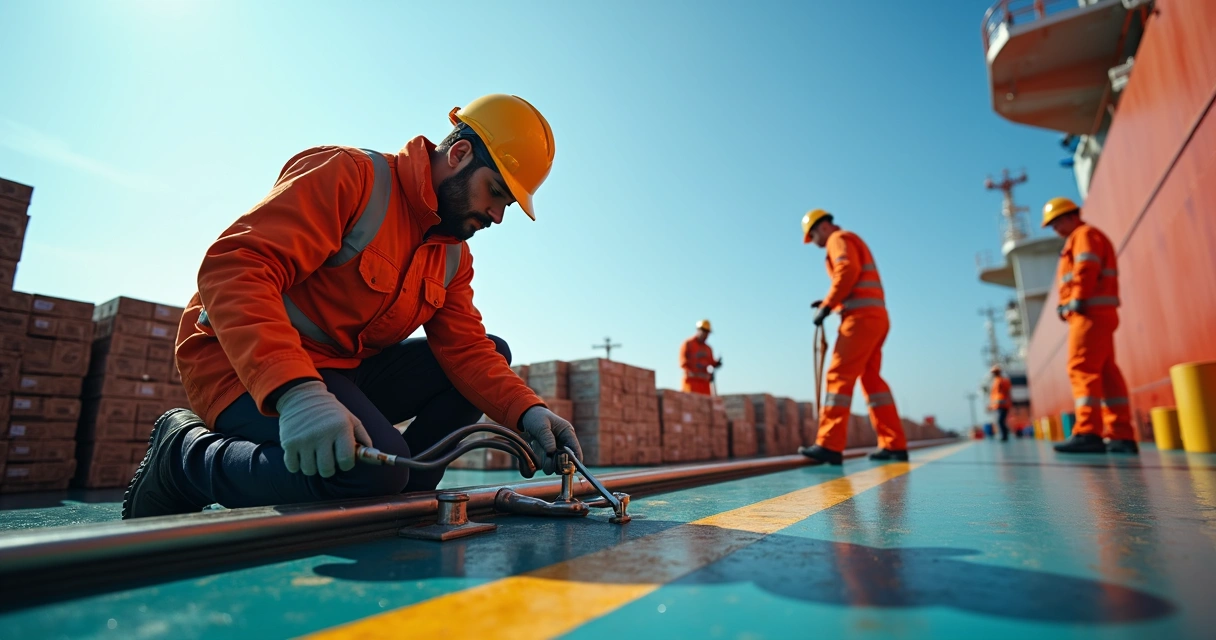 Work method improvements
- Use team lifts for heavy items to spread the load between several people.
- Pre-plan lifts so that the path and landing area are clear.
- Enforce rules against rushing or awkward carrying positions.
Ergonomic adjustments
- Whenever possible, select tools with padded or contoured handles to reduce grip strain.
- Replace or upgrade old tools that slip or require over-tightening.
- Reposition frequently-used stores or equipment to waist height to minimize reaching or bending.
Personal protection and support
- Use padded gloves with wrist support for activities involving repetitive motion or impact.
- Wear slip-resistant footwear to reduce fall risk, especially on wet or uneven decks.
- Check handrails and ladders for stability before using them; upgrade handrails where needed.
Routine and organization
- Implement scheduled breaks during long or repetitive work shifts to reduce overuse.
- Rotate tasks among crew members to avoid excessive strain on the same joints or muscles.
A CDC resource on ergonomic hazards in the maritime sector and scientific bulletin shows that applying ergonomic guidelines and providing wrist support can greatly reduce musculoskeletal disorders linked to repetitive hand-intensive jobs, including on ships (NIOSH Science Bulletin).
We tailor these practices by working with crew supervisors to address the most common risks their teams face. That partnership reflects our core value: to combine reliability, safety, and quality in every service we deliver—all while protecting the crew delivering the work.
Early warning signs: how to spot problems fast
Acting early is the single most effective way to avoid a serious, time-consuming injury. Some warning signs may seem minor: a tingling or numb feeling, mild aching after a shift, or struggling to open a valve. But, in our view, these little signals require attention before they become incapacitating.
- Pain, swelling, or redness around the wrist following a specific activity
- Persistent tingling, burning, or “pins and needles” sensation
- Reduced grip strength or difficulty holding items
- Visible bruising or deformity after trauma (such as a fall)
We encourage our clients to maintain a simple injury log, ensuring small concerns are flagged and acted upon by officers or wellness teams before bigger problems arise.
 What should you do if an injury occurs?
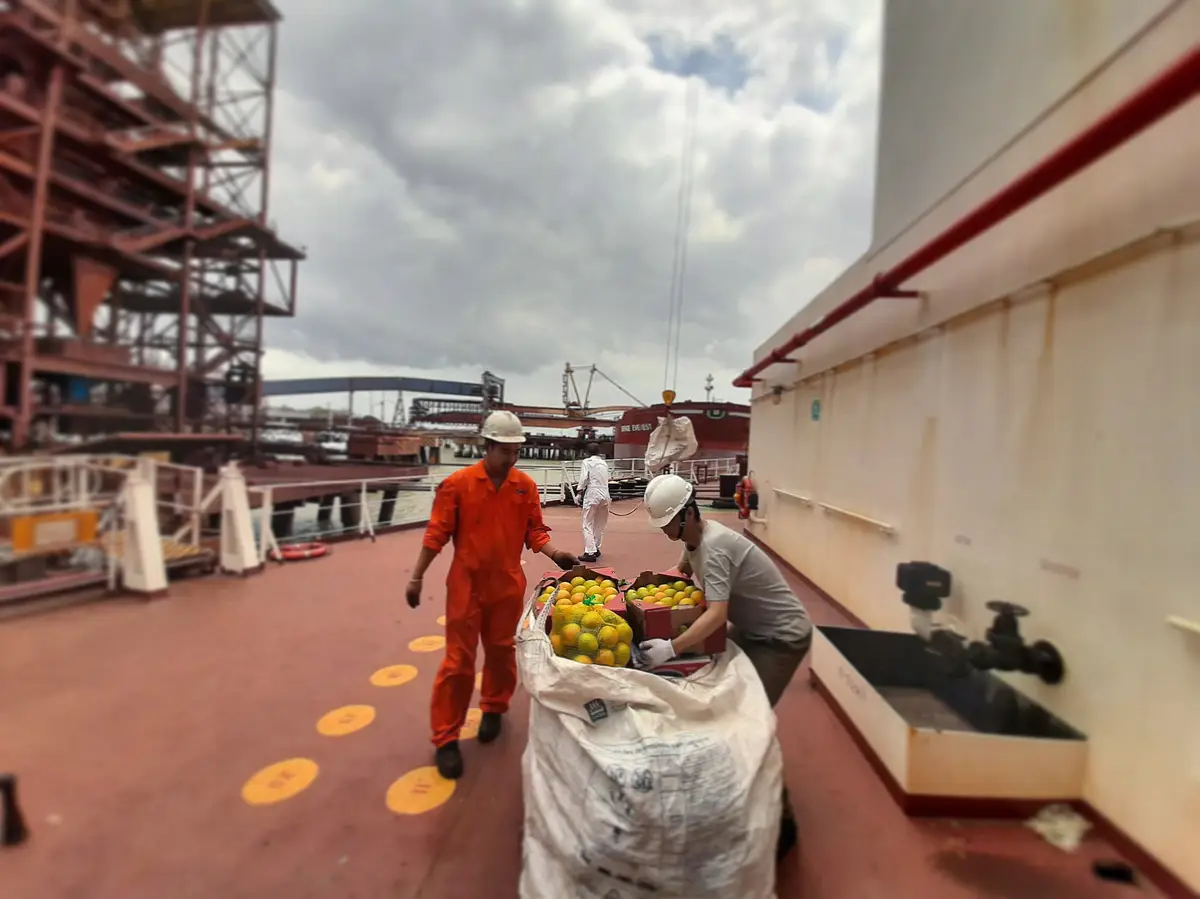 What should you do if an injury occurs?
Our first principle: Immediate response improves outcomes. If a crew member reports wrist pain or is involved in an incident, we always recommend following this clear step-wise approach:
- Stop the activity immediately. Continuing may worsen the damage.
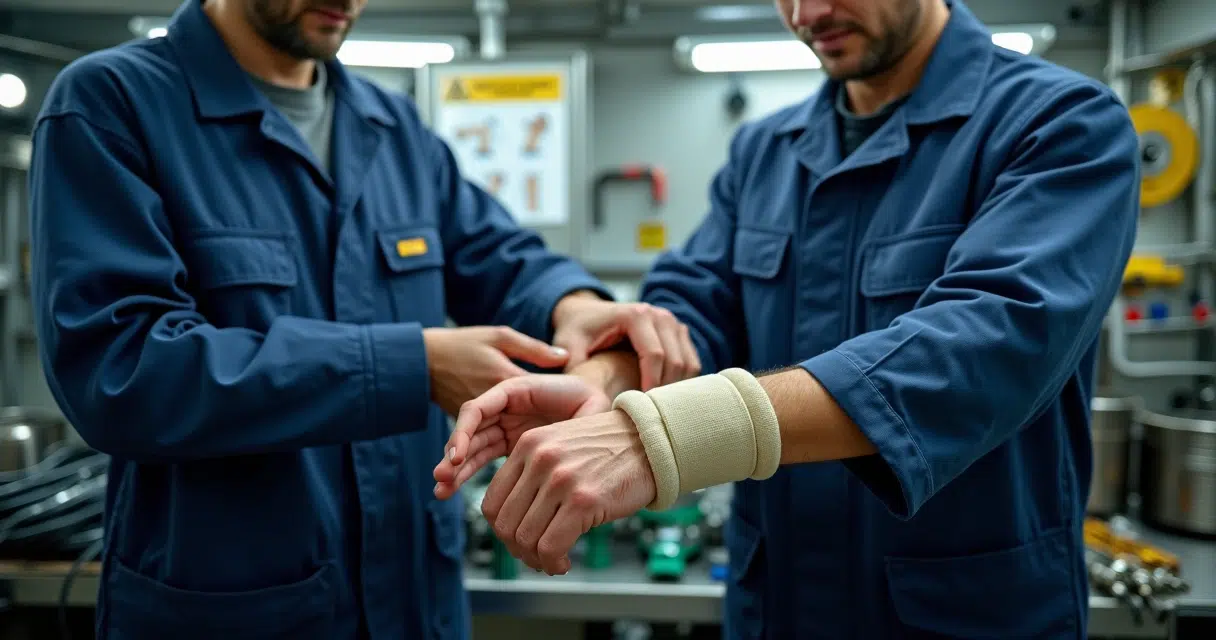
- Immobilize and rest. Use a splint or soft dressing to prevent further movement; the arm can be supported in a sling if needed.
- Apply cold packs to reduce swelling, never directly on skin (wrap ice in a clean towel).
- Elevate the limb above heart level whenever possible.
- Monitor for warning signs: Numbness, severe swelling, deformity, or inability to move fingers, which require urgent medical evaluation.
Small steps after injury mean shorter recoveries. We believe quick, careful first aid is key.
For minor overuse pain, rest and anti-inflammatory medication may help, with a gradual return to regular duties. If a fracture, deep cut, or nerve symptoms are suspected, immediate referral—by a ship’s medic, telemedical officer, or at the next port—is required.
Our team takes every injury seriously, ensuring that any affected crew member receives support and that lessons learned are used to strengthen safety practices.
The role of training and equipment in reducing injuries
Continuous education makes all the difference. Crew should be taught practical body mechanics, safe lifting, and early-symptom recognition in regular drills—just like lifeboat or fire safety exercises. In our supply operations, we combine hands-on demonstrations with job-specific talks, so new safety habits stick.
- Practical lifting workshops showing proper hand position
- Regular checks and upgrades for tools, gloves, and handling gear
- Feedback loops: Crew encouraged to share if a piece of equipment feels unsafe or uncomfortable
- Visual reminders posted in high-risk work areas
We also encourage clients and partners to keep a direct line open for reporting hazards. Too often, crew “work through the pain” to keep on schedule, but we know from experience that an open, safety-focused culture prevents bigger issues for everyone.
The TROPICAL SHIP SUPPLY LTD. approach to safety and reliability
For us, reliable supply is not just about what gets delivered, but about ensuring the crew who move, lift, and use those supplies stay healthy at every stage. We pair our wide logistics coverage with consistent training and investment in safe equipment—from padded gloves in bonded stores to slip-resistant shoes for deck teams. That commitment is what underpins both our supply excellence in Brazilian ports and the trust our partners place in us.
 Our standards reflect not only efficiency and value for our clients, but genuine care for seafarers’ wellbeing—from the first delivery at port through every mile at sea. For industry news and more on safety in maritime supply, our blog shares regular insights from our operations and the latest in global maritime trends.
Conclusion: Prioritizing the hands that drive maritime success
Every successful voyage, every cargo delivered safely and on time, relies on the team’s ability to work pain-free and safely. Protecting wrists and hands is not just good practice—it’s the bedrock of operational reliability.
At TROPICAL SHIP SUPPLY LTD., we blend prevention, rapid response, ergonomic tools, and ongoing training to reduce injuries and keep your vessel moving. For supply needs that put health, reliability, and local expertise first, reach out to our team and experience the difference that a committed partner can make for your next port call.
Looking to reduce costs without sacrificing reliability during calls in Brazil?Tropical Ship Supply supports vessels with on-time delivery, consistent quality, and local assistance across key ports in the North and Northeast.
Contact our team and request a quote:Quotation@tropicalshipsupply.com+55 98 98347-0908 (24hr) WhatsApp
Frequently asked questions about wrist injuries onboard
What are common wrist injuries on ships?
Common injuries include sprains, strains, fractures from falls or impacts, tendinitis and tenosynovitis from repetitive tasks, carpal tunnel syndrome, and lacerations from tools or sharp equipment. These often result from daily shipboard activities involving lifting, carrying, or operating machinery, making these conditions highly relevant for seafarers according to maritime assistance service data.
How can I prevent wrist pain onboard?
Prevention starts with proper lifting methods, rotating tasks, using ergonomically designed tools, wearing wrist-support gloves, and taking regular breaks to avoid overuse. Scheduled crew safety briefings and practical demonstrations of body mechanics reinforce healthy habits in ship environments. Ergonomic guidelines and equipment upgrades can also help limit risk according to guidance from the NIOSH Science Bulletin.
What first aid helps with wrist injuries?
Key steps are: halt the activity immediately; immobilize the hand with a splint or sling; apply ice to reduce swelling (wrapped in cloth); keep the limb elevated; and monitor for severe symptoms (numbness, deformity, or inability to wiggle fingers). For minor injuries, rest and anti-inflammatory medication help, but anything more serious demands urgent medical assessment.
When should I see a doctor for wrist pain?
Seek prompt medical attention if there is persistent pain or swelling, visible deformity, numbness, tingling, inability to move the fingers, or if the injury resulted from significant trauma. Early examination by a ship’s medic or telemedical provider allows for proper care and can reduce long-term harm.
What exercises strengthen wrists for sailors?
Simple, routine exercises such as gentle wrist flexion and extension, squeezing a soft ball, finger stretches, and rotational movements can help. Pair these with periodic hand and forearm stretching, especially before shifts or after repetitive tasks, to build resilience and support recovery.
For the latest updates on port operations, supply trends, and safety best practices, visit our maritime news section and explore insights such as the Port of Santos privatisation or broader shipping developments like the story of North Korea’s Choe Hyun-class warship saga.