
The reliability of any port operation rests on a single foundation: trust. For us at TROPICAL SHIP SUPPLY LTD., this trust means more than just delivering high-quality provisions or responding quickly to vessel needs. It is about creating a robust system of supplier compliance and due diligence. We know that when we minimize the risk in our supply chain, we protect our reputation, our clients, and the dockside flow of global maritime trade.
What supplier compliance really means for ports
Supplier compliance is the ongoing process of ensuring every vendor, contractor, and service provider meets set standards in quality, safety, environmental policy, and regulatory obligations. At TROPICAL SHIP SUPPLY LTD., this translates into strict quality checks, sustainable sourcing, and clear documentation as part of all port deliveries.
Port environments, especially at major Brazilian hubs like those we serve, require flawless adherence to stringent local, national, and international regulations. We know the risks—cross-border documentation errors, inconsistent supply quality, or a single shortcut in health and safety protocols can threaten an entire operation. Maintaining compliance isn’t just best practice, it’s a way of doing business that guarantees reliability, transparency, and peace of mind for vessel owners and agents alike.
Why due diligence matters as much as delivery speed
It’s natural to focus on punctual deliveries and competitive rates. But with each product or service that reaches a ship, due diligence is working behind the scenes. Our responsibility includes:
- Verifying supplier authenticity and legal status
- Ensuring all products meet health and safety standards
- Confirming environmental compliance and sustainability commitments
- Monitoring goods for correct documentation and traceability
Our experienced team understands the stakes. A poor choice in suppliers can trigger operational chaos or regulatory troubles. This is why we apply strict verification at every step, preventing unreported risks that could compromise a vessel’s journey or a company’s good name.
 We always ask ourselves: If we miss this step, what might it cost us—or our clients?
Check every detail. Risk hides in shortcuts.
Reducing reputational and operational risk: practical steps
The risk of non-compliance isn’t abstract. Delays, cargo seizures, fines, or bans are real consequences that hurt the bottom line and erode client trust. To avoid these pitfalls, we take concrete actions such as:
1. Setting standardized procurement criteria
We define and communicate our requirements, not just based on price, but on suppliers’ certifications, history, and ongoing compliance with legal, sanitary, and environmental rules. This ensures that when a vessel calls at any Brazilian port, our solutions meet local authorities’ expectations from the start.
2. Implementing continuous verification
Regular audits and spot checks are a routine part of our operations. We don’t take paperwork at face value. We actively monitor, inspect, and validate the entire process. Our compliance kit and inspection routines further guarantee that what’s listed matches what’s delivered, a theme we elaborate on in our discussion about safety and compliance kits.
3. Leveraging technology for transparency
Modern supply chains are supported by tracking systems and digital documentation. This ends the cycle of missing paperwork and lost shipments. We use digital logs to monitor everything, which helps resolve issues before they turn into problems, aligning with growing international requirements for transparency, as seen in EPA-regulated facilities data.
4. Partnering only with vetted suppliers
We avoid unreliable sources by working with companies that show verifiable dedication to meeting all relevant standards.
5. Regular training and updates for our team
Our employees receive continuous training regarding evolving regulations, port requirements, and international standards. Our compliance isn’t static. It adapts with the regulatory environment and clients’ needs.
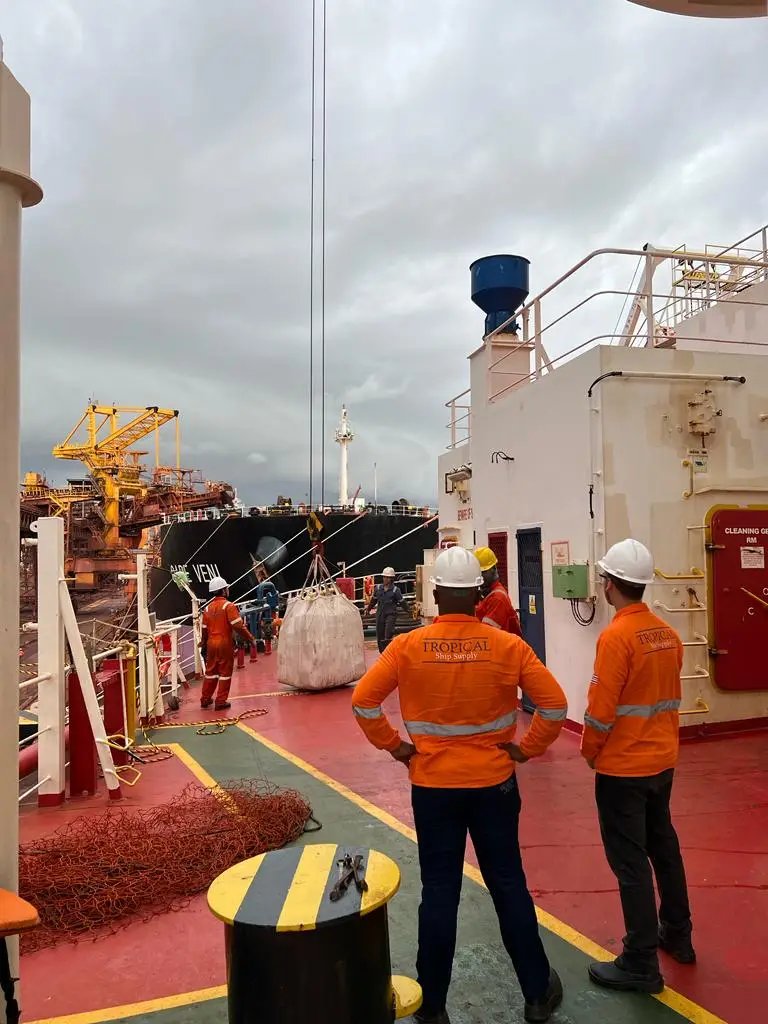 Active on-site verification and teamwork are at the heart of every safe operation. At every stage, our team keeps watch to prevent errors before they happen.
Supplier compliance, sustainability, and the environment
Being responsible goes beyond legal requirements. We believe sustainability directly impacts the reputation and operational continuity of every supplier within our network. Our clients increasingly value partners who take environmental protection seriously. This is why we invest in:
- Renewable energy solutions and solar panels
- Recycling programs for paper and plastic materials
- Sustainable packaging and ethically sourced goods
Our mission is aligned with greener shipping. Operating with this mindset helps us maintain approval from both clients and authorities, as regulatory scrutiny and global sustainability standards (such as those found in reference government databases) continue to rise.
Common compliance pitfalls and how we avoid them
Not all risks are obvious. Over time, we have learned that attention to the following issues makes a difference:
- Assuming one-size-fits-all: Every port and authority interprets regulations slightly differently. We take time to understand the specifics of each location we serve.
- Skipping independent verification: Accepting supplier claims without investigation can lead to disaster.
- Neglecting updates: Regulations and best practices change fast. We are proactive about maintaining up-to-date procedures and legal compliance, reflected in our service approach and information shared in resources like our section on international trade.
- Ignoring the environmental angle: Sustainability lapses can threaten port permits and public trust.
Experience has shown us the risk of not paying attention to detail. These mistakes are avoidable—and we do not let them happen.
Building trust through compliance: our promise
Each client, agent, or vessel manager who works with TROPICAL SHIP SUPPLY LTD. knows we take supplier compliance and due diligence seriously. We validate, verify, and confirm everything—before each delivery, after each inspection, and with every document processed. Clients trust us not just for the quality of our goods, but for the peace of mind that comes with transparent, lawful, and responsible service.
When we strengthen our systems, follow protocol, and remain alert to changes in the legal or environmental landscape, we protect everyone’s future. We believe that due diligence is not a box to tick, but an ongoing responsibility that benefits every part of the supply chain—from port to ship to shore.
For more on reducing risks through robust documentation, see our insights on avoiding documentation delays and best practices for control and verification in bonded stores.
 We invite anyone serious about protecting their port-side reputation and operation to connect with our team. Our day-to-day priority remains the same: protecting your assets, your image, and the seamless flow of international marine trade.
Conclusion
At TROPICAL SHIP SUPPLY LTD., our focus on supplier compliance and diligent verification is key to reducing both reputational and operational risks. We view every partnership as an opportunity to build safeguards directly into our service model. For us, every check, verification, and sustainable action is a promise kept to our clients, their vessels, and the wider maritime community. If you are ready to experience trustworthy, responsible ship supply solutions, connect with our experts and start the conversation—no obligations required.
Frequently asked questions
What is supplier compliance in ports?
Supplier compliance in ports means ensuring that all vendors and providers meet predefined standards for safety, quality, documentation, and regulatory practices. This is critical to protecting vessel operations, port status, and overall supply chain reliability.
How to conduct due diligence on suppliers?
Due diligence is conducted by verifying supplier credentials and certifications, reviewing business histories, confirming regulatory compliance, checking for environmental sustainability measures, and running independent audits or inspections at intervals.
Why is supplier compliance important?
Supplier compliance protects the reputation of both ship supply companies and their clients. It prevents legal problems, documentation delays, and issues with port authorities. A solid compliance program also ensures product quality and speeds up port operations with fewer risks.
What risks come from non-compliance?
Risks include fines, supply delays, cargo seizures, suspended licenses, damage to client relationships, and even bans from trusted ports. In some cases, non-compliance can become a public reputation crisis that takes years to recover from.
How can ports reduce supplier risks?
Ports can reduce supplier risks by setting clear procurement standards, regularly verifying suppliers’ compliance, using technology for tracking and traceability, demanding environmental responsibility, and maintaining updated policies based on the latest legal and international trade developments.
Looking to reduce costs without sacrificing reliability during calls in Brazil?Tropical Ship Supply supports vessels with on-time delivery, consistent quality, and local assistance across key ports in the North and Northeast.
Contact our team and request a quote:Quotation@tropicalshipsupply.com+55 98 98347-0908 (24hr) WhatsApp