
Every ship that docks in a Brazilian port requires reliable supplies—provisions, spares, safety equipment, everyday consumables. Behind this direct need lies a deeper responsibility. As providers at TROPICAL SHIP SUPPLY LTD., we do much more than ensure vessel operations flow without interruption. We also stand for something larger: operational sustainability and a future where efficiency drives both business and environmental progress.
Why operational sustainability matters for ship supply
“What we provide today shapes the environment for tomorrow.”
Sustainability in the maritime supply sector is built on practical decisions that reduce environmental harm without compromising product quality or timeliness. Our commitment goes deep—from choosing renewable energy in our facilities to rethinking the very boxes and wrapping that carry your supplies. We find that clients and international partners both value and expect suppliers with environmental conscience. This is especially true as global studies show that roughly 40% of all plastic waste worldwide comes from packaging. In places like the United States, Asia, and Europe, packaging represents an alarming share of solid waste—a challenge echoed in Brazilian ports as well according to Our World in Data.
Our core practices for waste reduction
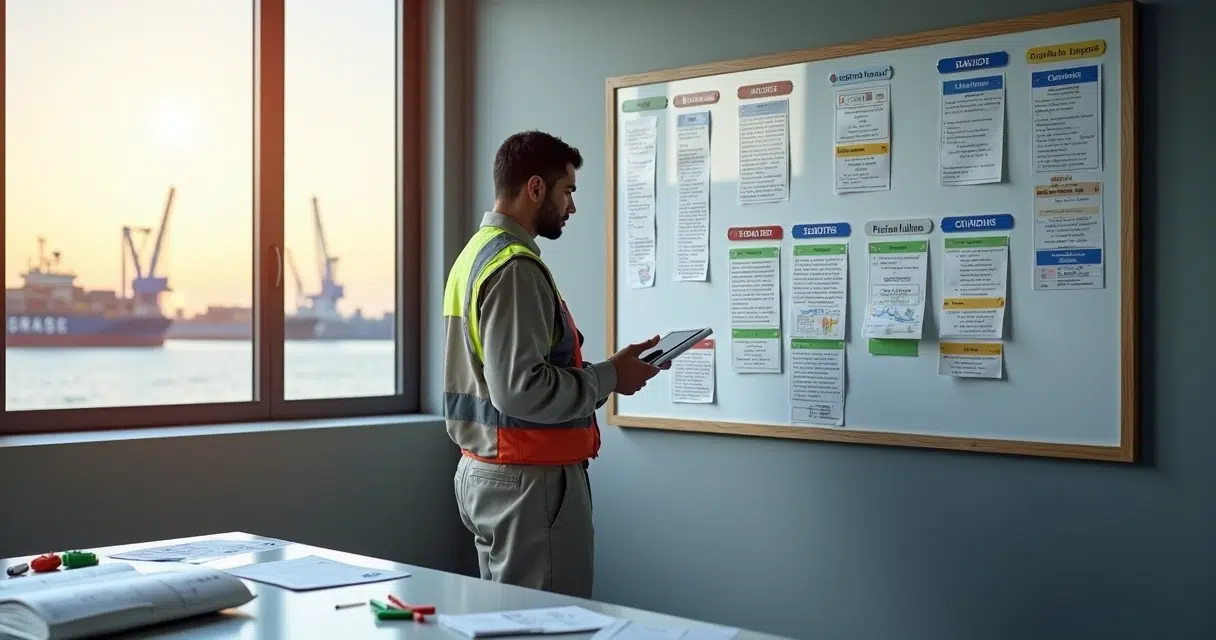
Waste isn’t just something to be thrown away. It’s a variable we can control—through selection, design, and repeated improvement. Here’s how we tackle it:
- Source reduction: Carefully select suppliers who use less and better packaging, reducing unnecessary plastics or non-recyclable materials.
- Aggregating shipments to minimize transit and packaging per delivery—a win for fuel, space, and overall materials used.
- Working with all stakeholders to monitor feedback and identify areas to cut down disposables, wrappings, or secondary containers. Client collaboration is key.
The EPA reported that in 2018, containers and packaging made up more than a quarter of municipal solid waste in the United States. Of that massive total, only about half was recycled. For us, every container reused or recycled is a measurable environmental gain.
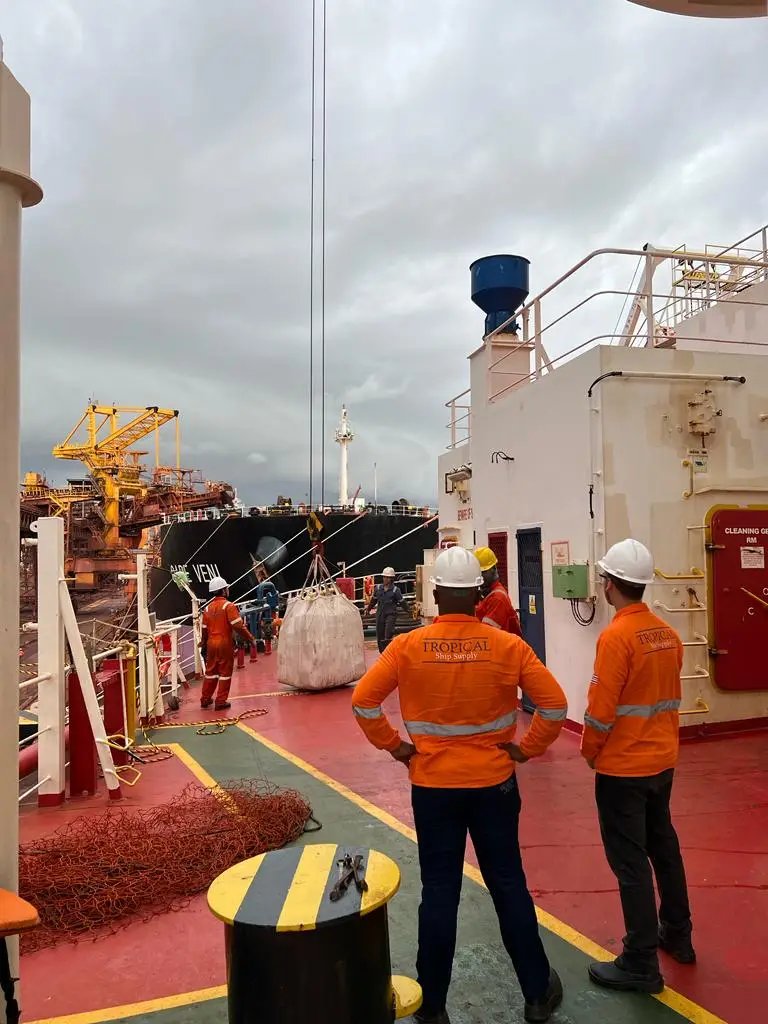 Every shipment leaves a trace. When we improve, so does the ocean.
Packaging choices: sustainable, safe, and smart
We have learned that packaging must balance three factors: safety (to prevent contamination or spoilage), environmental impact, and logistics. Our packaging policy focuses on recyclable, renewable, and standardized solutions wherever possible, as part of our “Sustainability in Action” initiative.
- Recyclable cartons and biodegradable wraps where possible.
- Clearly marked recycling instructions for crew and port workers.
- Adoption of brands and products already focused on green packaging, such as those using minimal plastics or plant-based films.
- Bulk packaging for certain goods, reducing individual wrappers and saving space.
Sustainable packaging isn’t just a marketing term—it’s a routine commitment at TROPICAL SHIP SUPPLY LTD. Our approach to green packaging starts on our procurement desk and ends on deck, where crew dispose or reuse materials responsibly.
The impact and rationale for standardized boxes
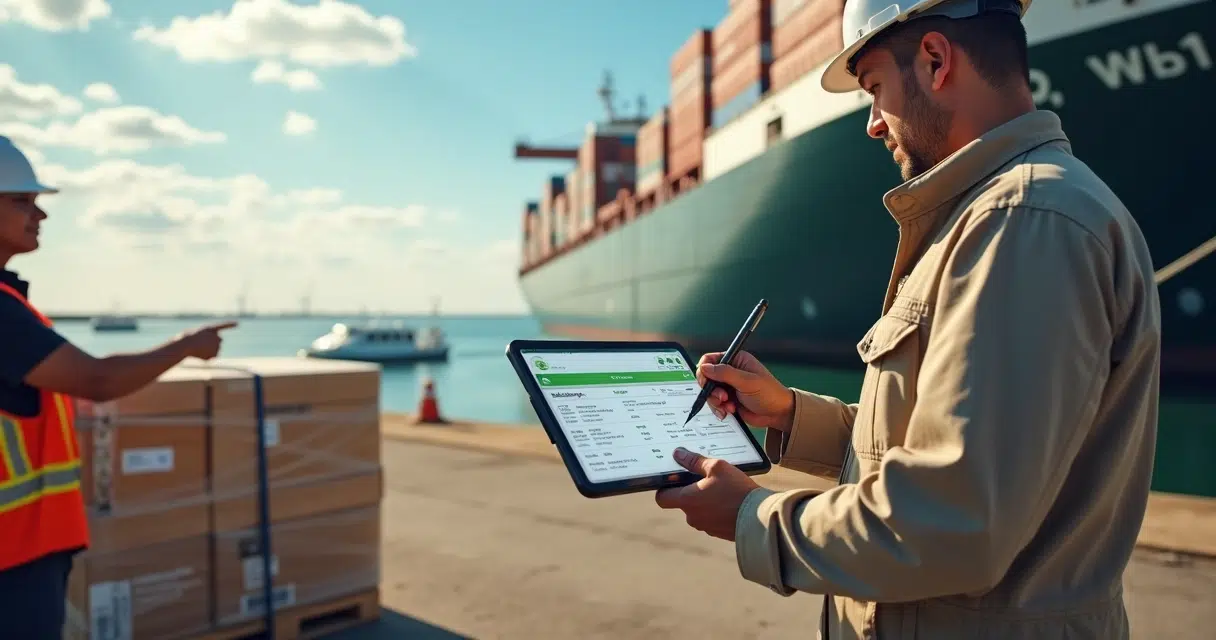
Standardization isn’t about bland, one-size-fits-all solutions. It’s about repeatability, safety, and maximizing cargo holds. In our operations, standardized boxes mean each unit is calculated to fit storage, move safely by crane or conveyor, and stack without waste. This reduces both time required for stowage and risk of damage or excess leftovers.
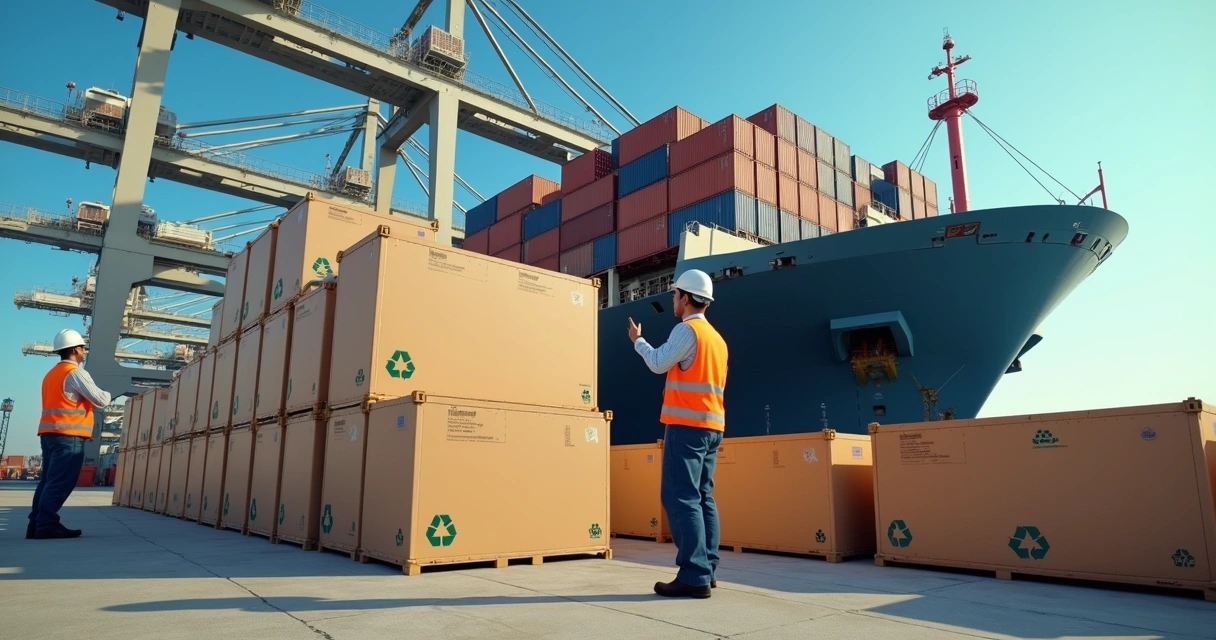 We measure and adapt our box sizes to the needs of different vessels, applying best practices in stacking and distribution. The result? Less packaging, less risk, faster operations, and measurable cost reductions. These seemingly minor things—an extra centimeter trimmed here, a switch from foam to cardboard there—add up over hundreds of deliveries each month.
According to data from the American Productivity & Quality Center, four out of five organizations now use recycled or reused materials for packing. However, final recycling relies on end users—in our case, ship crews and ports. That’s why we invest in clear instructions, simple materials, and feedback: to push real results rather than just numbers on the supply side.
Real experience: what we’ve learned in Brazil’s ports
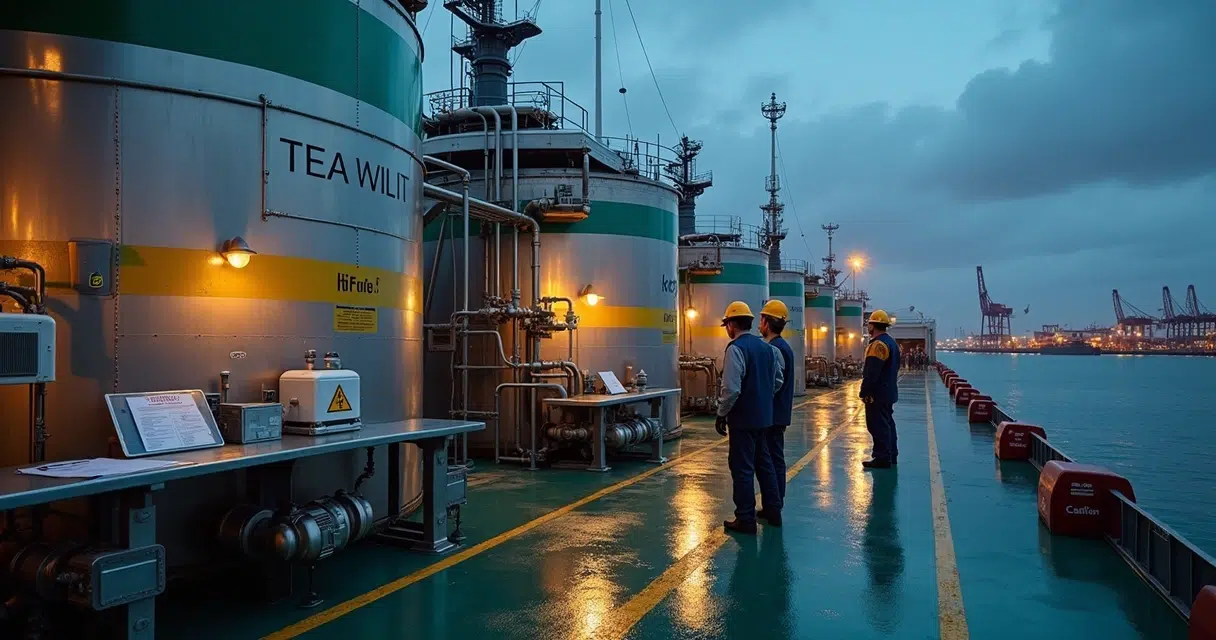
Operating on the Brazilian coastline, with coverage in key ports such as São Luís, Vitória, Rio de Janeiro, and Macapá, we see the value of local solutions. Supply needs shift from vessel to vessel and port to port, but one truth holds constant: quick, reliable service cannot come at the expense of environmental stewardship.
We complement our sustainability programs with solar panels on our facilities, a dedicated plastic and paper recycling strategy, and partnerships that encourage responsible sourcing. By integrating sustainability into every step from quote to proof of delivery, as described in our operational flow, we make sure every stakeholder knows their part in the chain. Find more about our operational flow and traceability approaches from RFQ to POD in our dedicated supply chain article.
For specific details on our renewable energy and green operations, visit our guide on how we employ solar energy and ESG principles in our supply.
The benefits: beyond the environment
Our clients discover three advantages when we drive operational sustainability:
- Cost Savings: Less packaging, smarter logistics, and easier stowage mean visible reductions in total procurement and delivery spend.
- Brand Alignment: Ships supplied sustainably can meet stricter charter requirements, international standards, and grow their own eco reputation.
- Compliance: Many ports worldwide are tightening waste and recycling rules—clients with a sustainable supply partner are ready for audits and new standards.
TROPICAL SHIP SUPPLY LTD. is always open to sharing our methods, data, and outcomes with clients. It’s just how we see partnership working—open, honest, and ambitious for a healthier marine environment.
 Conclusion
 Conclusion
Operational sustainability in ship supply is not an abstract goal for us. It’s visible in every delivery, every change in packaging, each reused box, and every conversation with clients about what comes next. Sustainability is built into our identity as a trusted partner in the ports of Brazil and beyond.
We invite you to make your ship supply operations part of this movement. Let’s minimize waste, simplify packaging, and support smarter shipping—together.
Contact our team for a consultative conversation or a custom quote, and discover reliable supplies for your vessel without sacrificing environmental responsibility. Your commitment to quality, transparency, and speed can also align with operational sustainability—just as we do every day for our clients.
Frequently asked questions
What is operational sustainability in ship supply?
Operational sustainability in ship supply means organizing every step of the supply chain so that shipping operations create less waste, use fewer resources, and meet the needs of both business and environmental targets. At TROPICAL SHIP SUPPLY LTD., this includes recycling programs, responsible energy use, and packaging designed to be reused or recycled, all without slowing down service or reducing quality.
How to reduce waste in ship supply?
To reduce waste in ship supply, we focus on source reduction, bulk packaging, recyclable or biodegradable materials, and client feedback for continuous improvement. Aggregating shipments and using standardized boxes cuts down single-use containers and avoids unnecessary packaging. Our team actively selects suppliers and products that minimize waste before deliveries even leave our facility.
What are standardized boxes in shipping?
Standardized boxes are uniform containers designed for optimal stowage and safety in transport. Using standard sizes simplifies loading, minimizes container waste, reduces the risk of damage, and supports recycling and reuse. In maritime supply, these boxes streamline logistics and help us deliver faster, safer, and more efficiently.
Is eco-friendly packaging worth it for ships?
Eco-friendly packaging pays off in several ways: it reduces landfill waste, can lower costs over time, and helps ships meet both regulatory standards and market expectations. Our experience shows that clients benefit from lower disposal fees, easier compliance, and a positive reputation with partners and inspectors.
How can I improve packaging sustainability?
You can improve packaging sustainability by choosing recyclable, reusable, or biodegradable materials, working with suppliers who design for reduced waste, and training staff on proper disposal and recycling. At TROPICAL SHIP SUPPLY LTD., we provide clear guidance, feedback channels, and support for vessels that want to reduce their environmental footprint through supply chain improvements.