
In the global shipping world, timing makes all the difference. When vessels dock at Brazilian ports, service delays cost more than just money—they cascade into complex logistics headaches. For us at TROPICAL SHIP SUPPLY LTD., being ready is at the heart of what we do. But being ready isn’t about having endless stock—it’s about smart, port-based inventory management, keeping the right SKUs at hand for genuine emergencies.
Why readiness at port matters
Every shipping professional has been there: a last-minute breakdown, a shortage of a staple item, a safety check that turns up an expired emergency light. We have seen firsthand how quickly these scenarios unfold and how urgent the response must be. Preparation, both in our warehouse and in our approach, transforms a potential crisis into a routine solution.
The right preparation is an act of responsibility, not just convenience.
That’s why our inventory strategies go beyond simply having “a bit of everything.” We focus on keeping highly-valued items immediately available for emergencies, balancing cost, shelf life, and essential vessel operations.
What does ‘emergency SKU’ really mean?
In our experience, an emergency SKU isn’t just the first thing someone asks for under pressure. It’s a product that, if unavailable, triggers downtime, non-compliance, or real risk for vessel operations and crew. Examples include safety equipment, basic navigation materials, urgent engine spares, and critical galley basics.
But beyond intuition, we rely on guidance such as the recommendations from MIT Emergency Management, which advocate assembling kits with at least 72 hours of food, water, and supplies for emergencies. While tailored for individuals, the concept translates to ships: certain supplies are non-negotiable, and keeping them at port, ready to dispatch, prevents small issues from escalating.
Our approach to selecting emergency stock SKUs
Over years at key Brazilian ports, we’ve developed a framework for deciding which SKUs must be kept ready:
- Reviewing vessel breakdowns and common last-minute requests
- Prioritizing regulations-driven items (safety, navigation, compliance products)
- Accounting for product shelf life and restock lead times
- Evaluating the operational impact if the SKU is unavailable for 24–48 hours
- Balancing cost to store with risk if understocked
This blend of proactive analytics and experience is what positions us to respond, not react.
The core categories: what do we keep ready?
- Personal protective equipment (PPE): Helmets, gloves, high-visibility vests—essential for port-side and onboard work
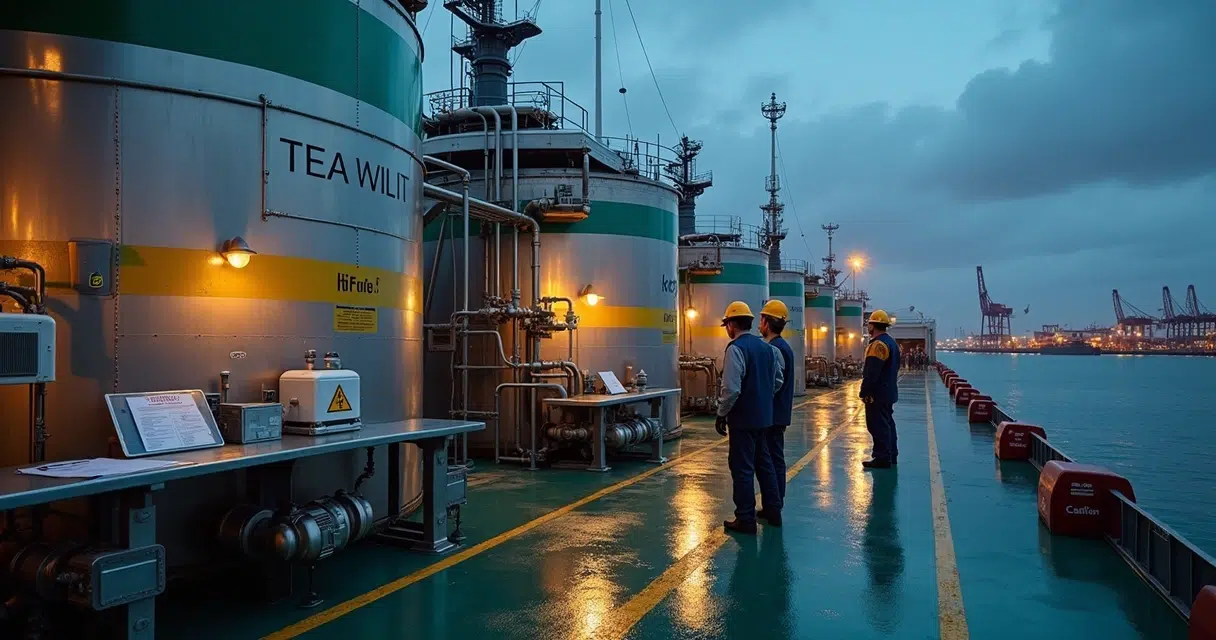
- Fire and safety gear: Extinguishers, IMO-approved emergency lights, smoke hoods
- Navigation supplies: Nautical charts, publications, basic electronics, backup compasses
- Critical engine spares: Filters, gaskets, lubricants—items often called for in urgent breakdowns following best practices outlined in our spare parts strategy
- Bonded stores: Seals, locks, tapes for customs needs—see our approach to control and discrepancy reduction
- Basic medical kits: For compliance and practical safety on every call
- Fresh provisions and water: As recommended by public agencies such as MEMA
Let’s not forget the unique cultural needs for international vessels, where preferences for beverages, snacks, and dietary supplies can mean a lot to the crew’s comfort and morale.
 How we balance readiness and efficiency
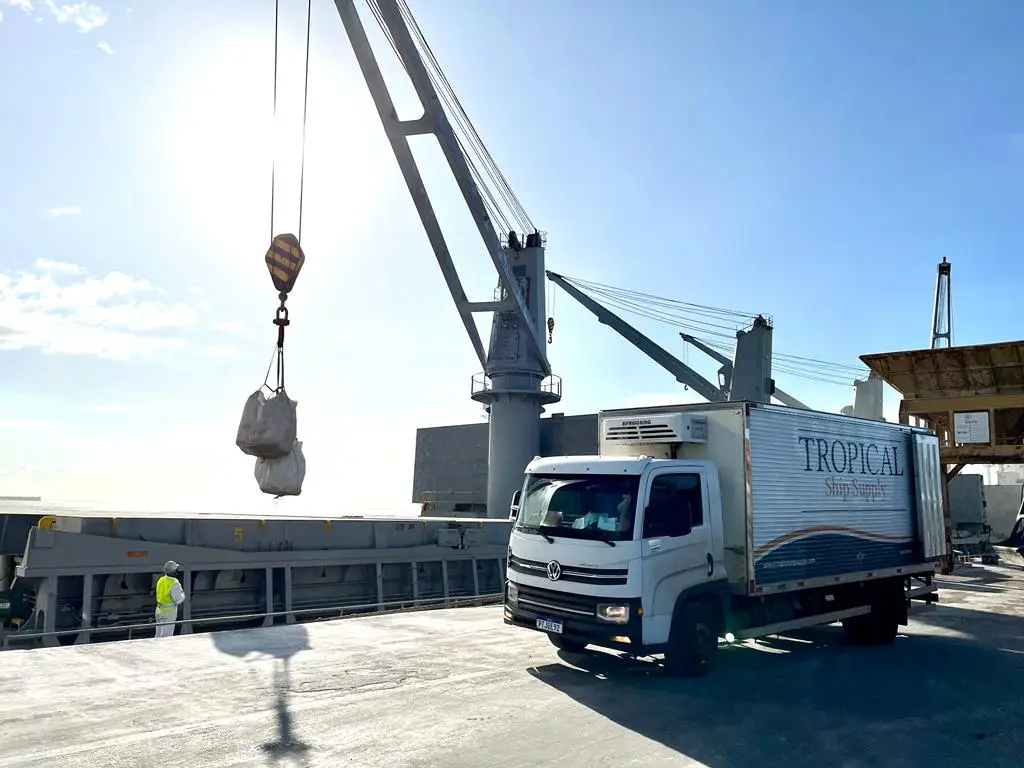 How we balance readiness and efficiency
It’s tempting to hold vast warehouses filled to the brim. Yet, no business can ignore wastage, expiry, or unnecessary tied-up capital. We regularly audit what moves, what stalls, and what transforms a routine supply request into an “emergency.”
A well-managed inventory is silent—it simply delivers what is needed, when needed.
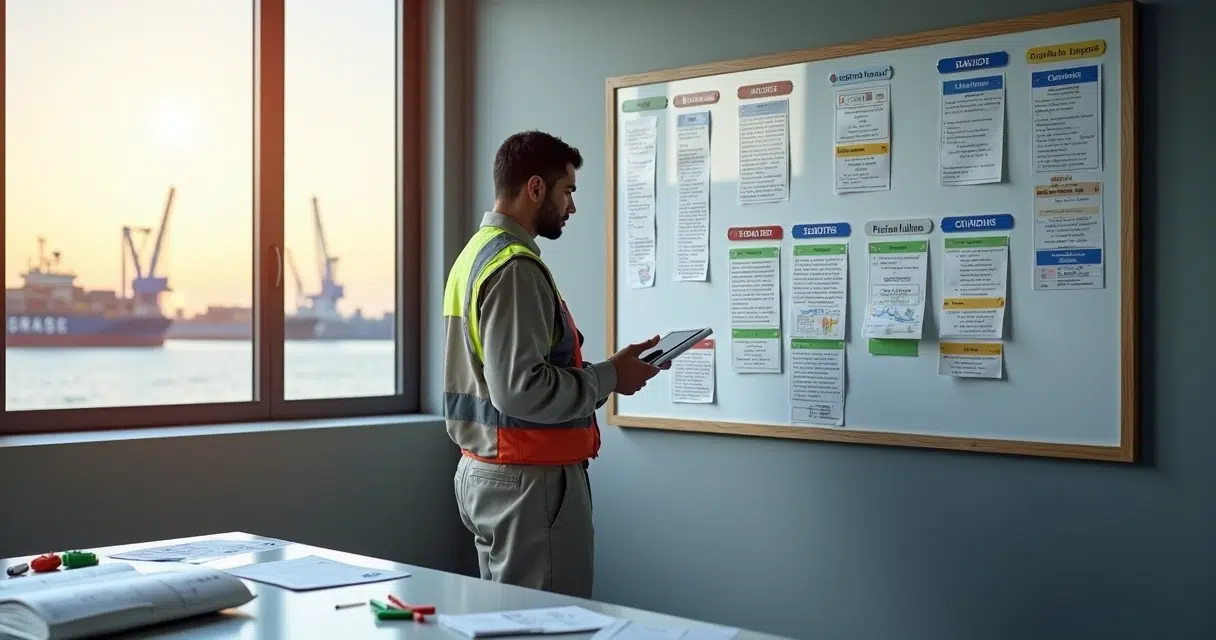
Our internal audits, always benchmarked with industry standards, limit slack but keep us agile. We maintain ongoing communication with captains, agents, and technical superintendents to gather feedback and spot new trends in supply priorities.
In ports with different risk profiles (high-traffic with frequent emergencies versus specialized, low-volume calls), our local team adjusts SKUs accordingly. This responsiveness is key to the tailored service that defines TROPICAL SHIP SUPPLY LTD. Learn more in our port guide.
When and how do we rotate and review emergency stock?
 When and how do we rotate and review emergency stock?
We conduct scheduled reviews every month, cross-checking movement history, new regulation changes, and crew feedback. Seasonality also plays a part. For instance, during the rainy season, demand for PPE, waterproofs, and safe navigation tools rises. To maintain freshness, our food and water stocks are rotated frequently, ensuring everything dispatched to a vessel matches our high quality standards.
Sometimes, unique incidents change our view overnight—a port incident, or a sudden pandemic outbreak—prompting us to adjust what we keep on hand for quick response. Flexibility is just as important as planning.
Technology, feedback, and continuous improvement
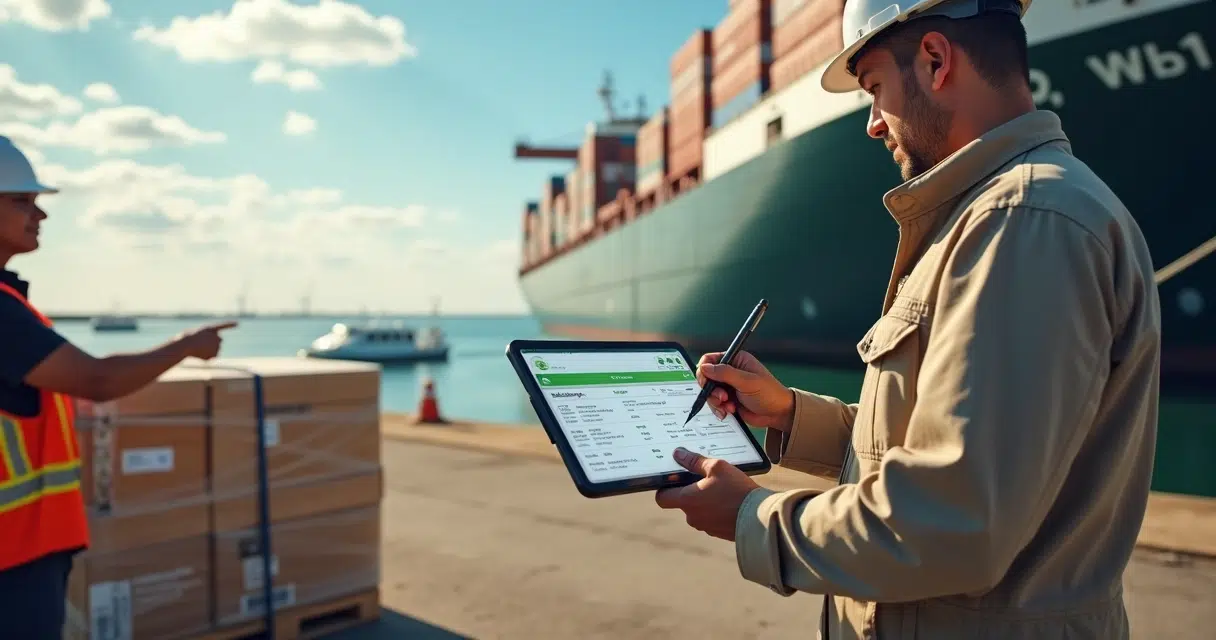
Digital inventory tracking ensures we never miss a reorder or expiry. Integration with port authorities and customs platforms speeds up the process during emergencies, cutting down red tape when every hour counts. Our emphasis on transparency and efficiency means we’re always open to feedback—from a captain’s after-supply message to a technical manager’s post-port insights—feeding these lessons back into our system.
Staying current with food safety and traceability guidelines is also central. Audit readiness is a must in the maritime sector, where checks happen unexpectedly and standards must never slip.
We believe that a well-maintained emergency SKU list isn’t set in stone. It evolves, growing in step with vessel needs, weather risks, and regulatory requirements.
Conclusion: Why this approach matters at TROPICAL SHIP SUPPLY LTD.
In our daily work, we see that true emergency readiness is a living process. Rather than stockpiling indiscriminately, we invest in knowledge, analytics, and close connections with ships and their crews. Our inventory is a reflection of both our expertise and our respect for the vessels that call at Brazilian ports.
We invite you to discuss your vessel’s emergency stock needs with us—no commitment required. Get the peace of mind that comes from knowing real preparedness is just a call or message away.
Smart supply today, smooth sailing tomorrow.
Looking to reduce costs without sacrificing reliability during calls in Brazil? TROPICAL SHIP SUPPLY LTD. supports vessels with on-time delivery, consistent quality, and local assistance across key ports in the North and Northeast.Contact our team and request a quote: Quotation@tropicalshipsupply.com | +55 98 98347-0908 (24hr) WhatsApp
Frequently asked questions
What is port-based inventory management?
Port-based inventory management involves maintaining and managing specific stock directly at or near the port, ensuring rapid, on-demand access to supplies needed by vessels during their calls. It focuses on readiness, swift delivery, and minimizing both costs and operational downtime.
Which SKUs are best for emergencies?
The best SKUs for emergencies typically include personal protective equipment, fire safety gear, navigation aids, urgent engine spares, medical kits, bonded items for customs, as well as food and water supplies in sufficient quantity—following principles suggested by authoritative sources like MEMA.
How to decide which SKUs to stock?
We decide which SKUs to stock by reviewing past demand, regulatory requirements, shelf life, risk of downtime, and cost to store versus urgency of access. Regular audits, feedback from customers, and incident analysis also guide our choices.
Is it worth keeping all SKUs ready?
No, it is not practical to keep all SKUs ready for instant dispatch. Efficient management means identifying the relatively few items whose unavailability would cause real operational or compliance issues. Stocking only the right SKUs allows for better quality control and cost management.
How often should inventory be reviewed?
Inventory should be reviewed monthly at a minimum, with additional checks triggered by seasonal changes, new regulations, or when specific incidents highlight new risks. This rhythm keeps the emergency SKU list current, effective, and waste-free.