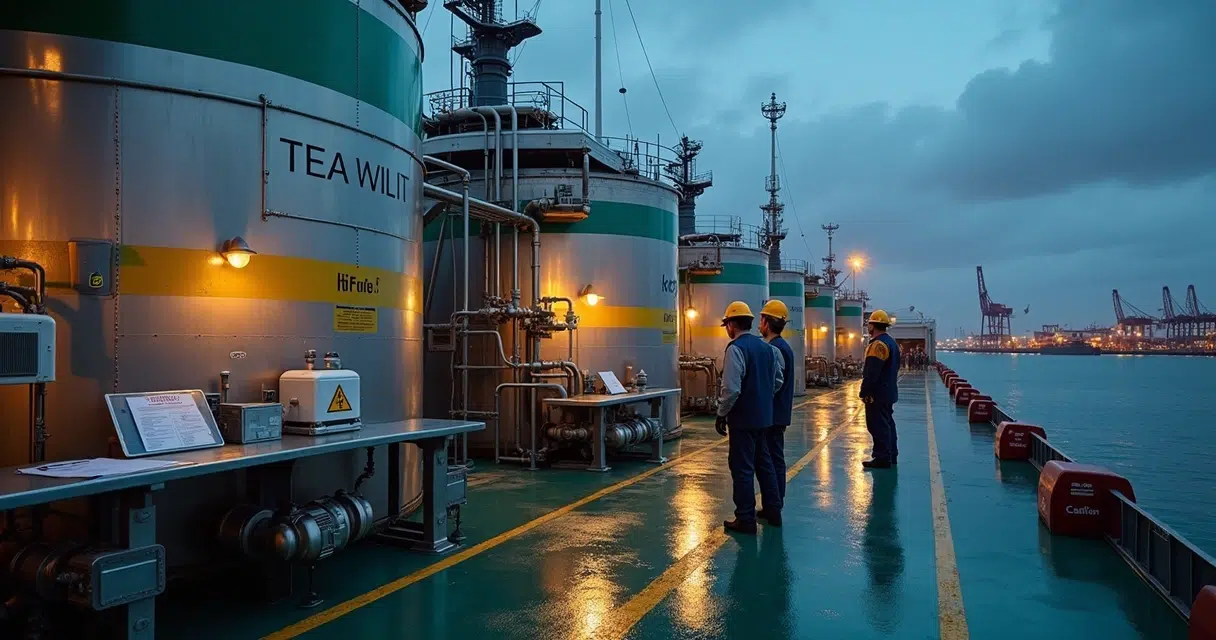

Gulf crude oil and condensate exports in July held nearly steady compared to the prior month, but they remain about 40% lower than the levels reached before the outbreak of the U.S.-Israeli conflict with Iran that started on February 28. This persistent shortfall underscores the deep repercussions these events have had not just on the Gulf, but on global energy supply routes and shipping industries as a whole. Vessel owners, operators, and suppliers like TROPICAL SHIP SUPPLY LTD. have felt these impacts first-hand—as steady exports have played a role in soothing some worries about an extended supply crisis, yet tanker movement in vital passages like the Strait of Hormuz and Bab el-Mandeb is far less active than before the war.
Gulf exports: Where do we stand now?
Combined exports from Saudi Arabia, the UAE, Iraq, Kuwait, and Iran reached 10.7 million barrels per day (bpd) in July, according to Kpler data. This marks only a modest 2% increase from June, and still falls short of pre-war averages, which ranged between 12 and 13 million bpd earlier in July—before renewed fighting sent volumes sliding back down. In our research, this restrained recovery has been driven mainly by shifting patterns inside Iraq, balanced by weaker performance from major players like Saudi Arabia and the UAE.
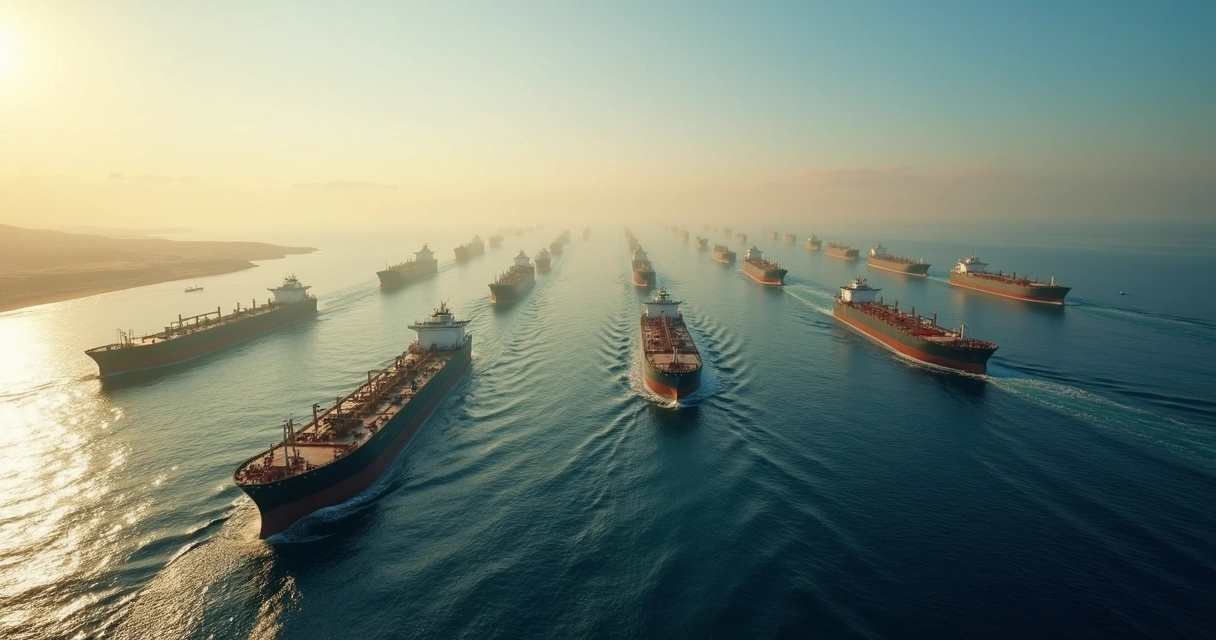 Iraq doubled its exports versus June, becoming the principal driver behind July’s overall increase. Additional gains came from Kuwait and Iran. However, both Saudi Arabia and the UAE posted declines, bucking the general uptick in the region. One sign of this shift: Iraq added nine more very large crude carrier (VLCC) loadings in July. Yet even high export numbers have started facing headwinds, as escalating conflict is now directly disrupting the outflow of tankers from key Gulf ports.
Tanker transit slows in critical corridors
It is important to recognize how shifting military realities and security threats affect global commerce. Tanker traffic through the Strait of Hormuz and Bab el-Mandeb remains well below previous levels. This is not just an abstract statistic. These waterways are absolute pinch-points for the entire global oil trade. Our logistics teams have monitored first-hand how vessels are rerouted, delayed, or forced to adopt higher-cost options such as alternative passages or pipelines, meaning that even with headline export numbers stabilizing, the underlying risk profile remains far more complicated than a year ago.
According to analysis from Vortexa, the increased fighting has already begun to slow down outflows through Hormuz. At least 14 vessels reported attacks to the International Maritime Organization in July alone—compared to just eight in June. This doubling of incidents reflects how quickly instability can threaten critical energy supply chains and the broader shipping community. Reports from Associated Press offer more grounding to the ongoing maritime insecurity gripping these regions.
Export levels and production shifts
Because some countries were able to move slightly higher volumes despite the conflict, a handful have now raised their own output. Kuwait, for instance, increased its crude production to around 1.971 million bpd for July, from 1.65 million in June, according to a source cited by Reuters. Yet, for others like Saudi Arabia and the UAE, logistical and security obstacles have resulted in smaller, less frequent shipments.
These patterns help explain why oil prices and stockpiles have not spiked further despite the slower flow. The modest rebound in July exports temporarily addressed fears of a much deeper supply gap. These actions have allowed global inventories to stabilize, even if only for a short while. Any further worsening of security, however, could unwind those gains quickly.
 The stockpile picture: A long recovery ahead
 The stockpile picture: A long recovery ahead
Saudi Aramco CEO Amin Nasser recently explained that the world has lost more than 2.6 billion barrels of oil since the war began. Even if the Strait of Hormuz reopened to normal traffic today, replenishing global inventories will take time. He estimates it could take around 18 months, at a rebuilding pace of 2.1 million bpd, to return stocks to pre-war levels. This message underscores just how significant and long-lasting the disruption has been—even with some recent stability in day-to-day exports.
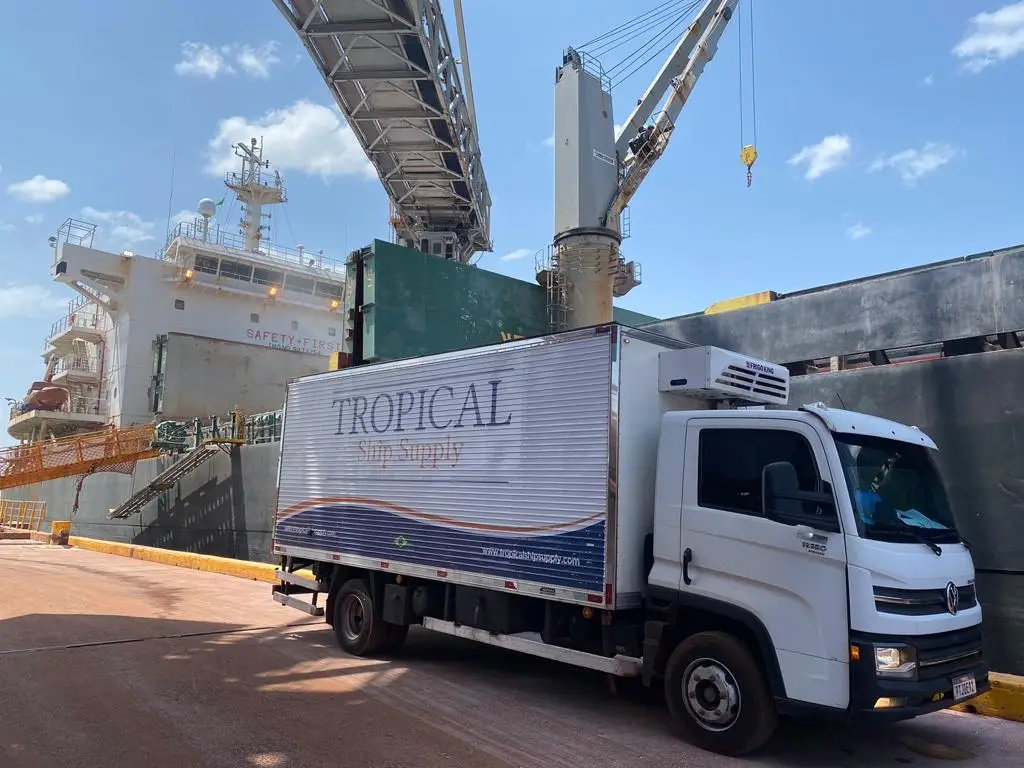
Much of the deficit reflects not only lost Gulf output, but increasingly risky and unpredictable logistics in securing the continuation of that output. For every barrel shipped, there seems to be a greater risk, both to the vessels themselves and to the supply systems supporting them. This is why our company, and others specializing in fast, reliable maritime logistics, remain so focused on contingency planning and adaptive local support in port and at sea. We watch global supply news and local incident reports as closely as our own inventory and staffing, because our customers—vessel owners and operators—expect consistency, even when world events create volatility.
Yanbu and Bab el-Mandeb: New risks, new routes
Another important turning point in July has been the change in Saudi crude exports via the Red Sea port of Yanbu. After July 20, volumes fell to around 3 million bpd, down notably from the 3.8 million averaged in April through June. This drop came as Yemen’s Iran-backed Houthi forces ramped up attacks near Bab el-Mandeb, worsening the climate of concern throughout the industry. Energy Aspects notes that many tankers loading at Yanbu have begun switching off their Automatic Identification Systems transponders, a signal of just how nervous shipowners are as they attempt to avoid being tracked in high-risk areas.
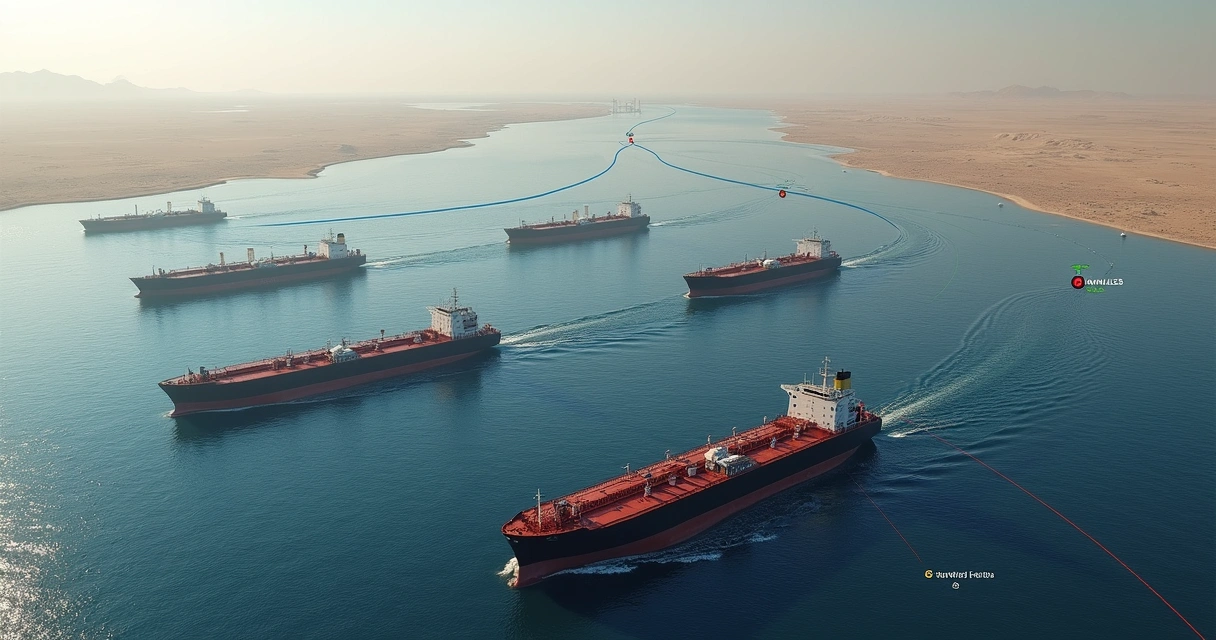 Richard Bronze from Energy Aspects notes that, under these circumstances, more ships are not just switching off their tracking but actively rerouting through the Suez Canal or taking the SUMED pipeline to bypass the Bab el-Mandeb altogether. This not only drives up costs and turnaround times but also reshapes the map of global oil flows. These decisions are less about market price and more about basic operational safety. Ship operators have had to adapt their movements almost overnight in response to emerging threats, something we carefully monitor in our own operations and risk briefings.
The broader industry perspective
Risks for maritime operators have grown in the Gulf and Red Sea, even in a year when direct industry losses seem to be smaller than before the war. Fewer cargoes may be directly targeted or lost, but the overall risk atmosphere has only intensified. This reality increases costs, stress, and demands for every part of the business, including our own—where local support, transparency, and accelerated delivery times are what distinguish TROPICAL SHIP SUPPLY LTD. from the rest. We continuously update our shipping and port teams on external maritime news, and maintain active lines to global maritime reporting agencies.
Anyone interested in a wider context—including market trends for oil and transport, new safety updates, and maritime news on Brazilian and international operations—should follow our updates and relevant partners through our maritime news page and see our dedicated coverage of oil price risks and market outlook.
Adaptability is today’s most valuable cargo.
Conclusion
In closing, while Gulf oil exports rebounded slightly in July, they are still far from previous highs, and the shipping community continues to face security threats and complex routing decisions. In our experience at TROPICAL SHIP SUPPLY LTD., maintaining steady services and clear communication has never mattered more for vessels making the call at Brazilian ports or navigating volatile international routes. Maritime security, quick response to changes, and high-quality support come together every day in what we do. If you want to benefit from our reliable service and insights, contact our team and see firsthand how we help clients thrive in uncertain times.
Looking to reduce costs without sacrificing reliability during calls in Brazil? TROPICAL SHIP SUPPLY supports vessels with on-time delivery, consistent quality, and local assistance across key ports in the North and Northeast.
Contact our team and request a quote:Quotation@tropicalshipsupply.com+55 98 98347-0908 (24hr) WhatsApp
Frequently asked questions
What caused the drop in Gulf oil exports?
The decline in Gulf oil exports is primarily linked to the start of the U.S.-Israeli war with Iran on February 28. The conflict sharply reduced tanker traffic and increased maritime security risks, leading to fewer and slower shipments through key routes like the Strait of Hormuz and Bab el-Mandeb, as shown by recent maritime security reports.
How is the Iran war affecting oil prices?
The Iran conflict has injected greater uncertainty and volatility into the oil market. While a stable export level in July helped keep oil prices from spiking further, long-term risks remain high due to the slower replenishment of global stockpiles and frequent shipping disruptions. These factors mean prices can quickly change if any new incident blocks shipping routes or reduces available supply.Read more on our oil price risks and market outlook page.
Is oil supply stable despite lower exports?
Supply is stable for now, but this could change quickly if conflicts worsen or new disruptions arise. The mild rebound in July’s exports has balanced out much of the inventory drawdown seen since February, but the world is still behind on rebuilding lost oil stocks, and any further shocks could have rapid, wide-reaching effects.
What countries buy Gulf oil now?
The main buyers of Gulf oil remain the major importers from Asia—China, India, South Korea, and Japan—alongside European buyers through both the Suez Canal and rerouted tankers via SUMED pipelines. Shifting tanker routes and increased costs have not yet fundamentally changed this long-standing client mix but have prompted new logistical strategies by both exporters and importers.
How long will low exports continue?
Expert estimates suggest that even if maritime routes reopened today, it would take up to 18 months to rebuild global oil inventories to pre-war levels, based on Saudi Aramco CEO Amin Nasser’s statement. As long as military tensions and attacks in shipping lanes persist, the region will likely operate with reduced export volumes and elevated risks for months to come.Stay updated through our maritime security news updates and marine logistics insights.