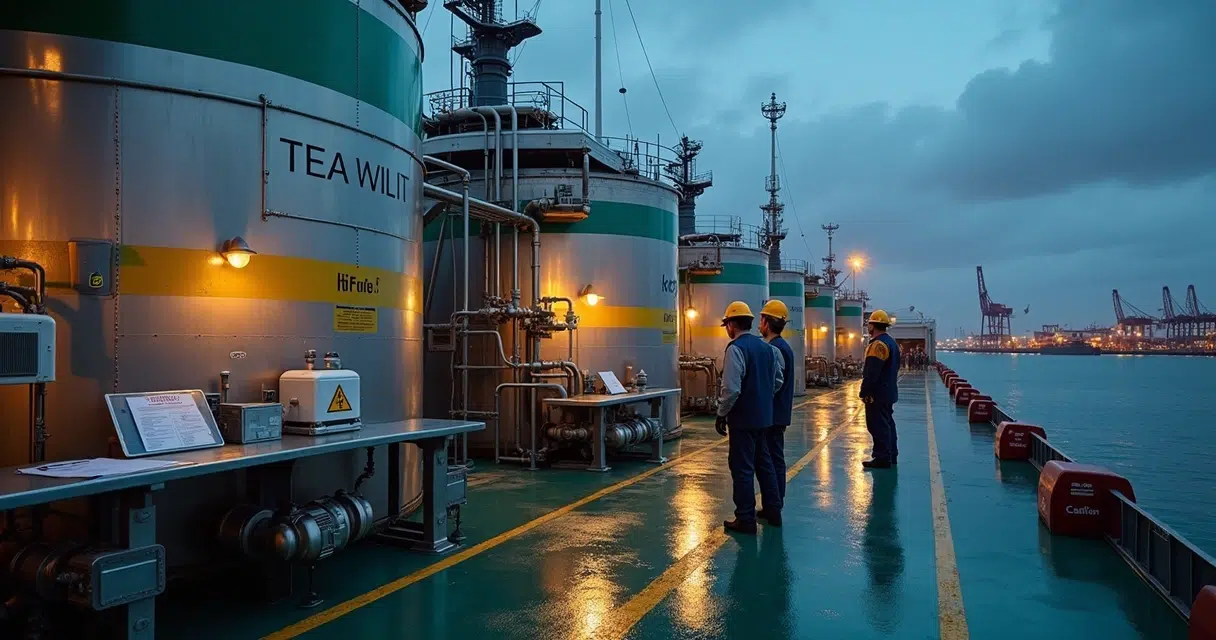
Across the world’s oceans, shipping and logistics are going through a transformation. For decades, we have seen the same maritime trade routes link Asia and Europe, with most traffic passing through the Suez Canal or around Africa. Yet, growing tensions, rising costs, and an urge for reliability and speed are reshaping priorities. Today, we want to share what we see as one of the most fascinating changes in international shipping, especially for those of us at Tropical Ship Supply keeping a close watch on the future of global trade.
A new arctic era: What’s changing?
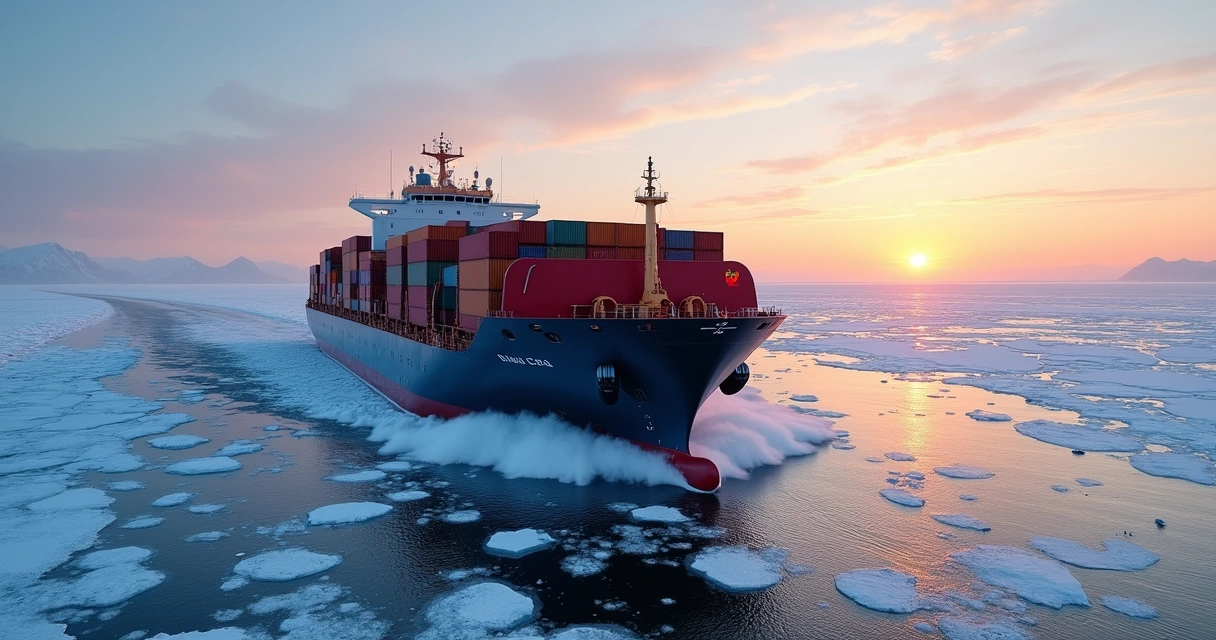
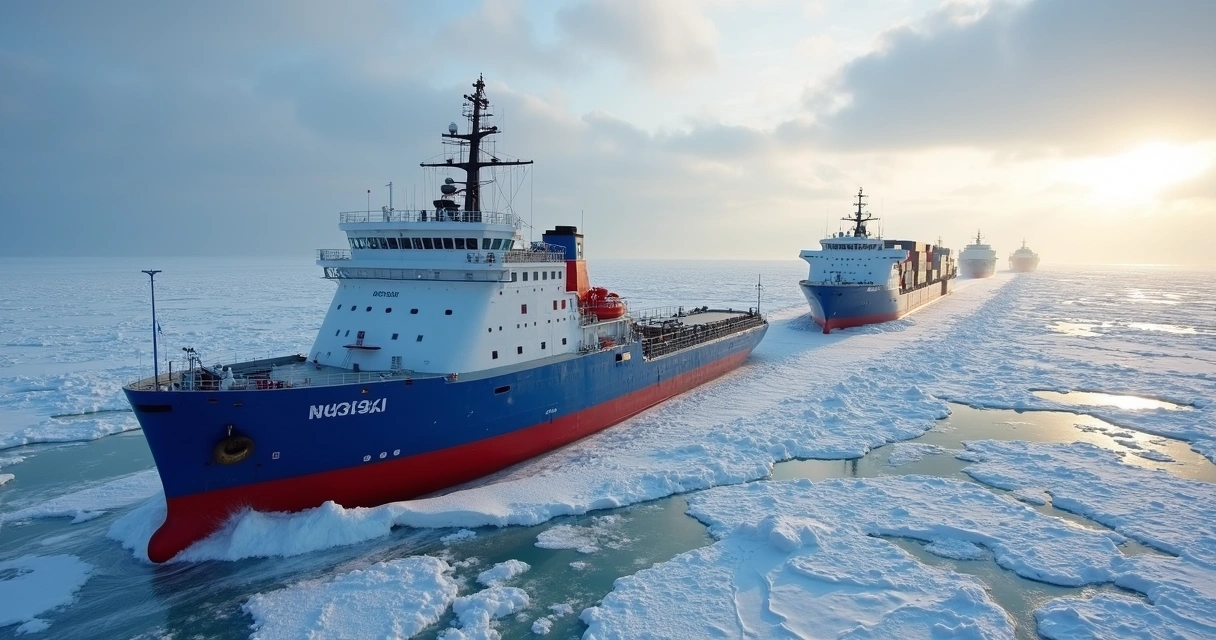
Russia’s Northern Sea Route (NSR) is quickly coming into the spotlight. In 2023, cargo shipping along the NSR hit about 36.254 million tonnes—a new record, and much of it was Russian energy exports. But something bigger is on the horizon: plans put in motion now will soon let China provide regular shipping journeys along this Arctic passage, directly connecting Asia and Europe in a way rarely seen before.
Recently, Rosatom, Russia’s state nuclear company and the official operator of the NSR, granted permission for seven Chinese vessels to traverse this polar route. This move is not just another trial or seasonal experiment. For us, it points to the rise of a dependable shipping lane that could shake up the global supply chain.
“We are starting a new chapter for Arctic shipping between China and Europe.”
That’s the message we took from Alexei Likhachev, head of Rosatom, who has directly addressed the ambitions and practical steps now underway. He boldly stated that the NSR is well on its way to gaining global recognition, and we think shippers and suppliers everywhere—including us at Tropical Ship Supply—need to take notice.
Why 2026 is different from the past
Earlier cargo journeys along the NSR were usually single trips, test runs, or highly dependent on weather and ice conditions. The bold new plan, however, aims for a weekly and continuous shipping service throughout the open season. The Chinese container company Sea Legend Shipping is leading this charge, organizing what will be the first reliable, regular container shipping service between Asia and Europe via the NSR.
- The ships won’t just wait for perfect conditions—they will run to a schedule, much like traditional trade lines.
- Service frequency is expected to increase, with China targeting at least a 1.5× rise in NSR transit by 2025, setting the groundwork for continual operations by 2026.
- Rosatom’s strategic vision is to eventually match the NSR’s status with that of the Suez Canal.
Analysts describe the NSR as a direct, shorter link between Pacific and Western Eurasian ports, meaning less fuel burned and less time wasted compared to the long journey through the Suez.
What’s behind Russia’s NSR ambitions?
Russia has long dreamed of making the NSR as recognized as the Suez Canal, turning it into a vital trade artery. Yet, higher shipping costs and persistent seasonal ice have kept the NSR on the margins. Only recently have circumstances—and technology—started to shift the tide.
- Year-round navigation is still limited, with only certain months feasible for regular traffic.
- Icebreakers are critical, and by 2026, all eight Russian nuclear-powered icebreakers are set for deployment along the NSR, improving safety for international vessels. This fleet is expected to help keep the lanes clear for container giants and bulk carriers alike.
- Even with these advances, the NSR remains unpredictable compared to traditional southern lanes.
In our view, the fact that the Russian government is placing all its nuclear-powered icebreakers at the disposal of the route is a signal of just how serious this commitment is—both for Moscow’s ambitions and for the wider world of shipping.
Why is the world paying attention now?
Worries around the Persian Gulf and the Strait of Hormuz, coupled with rising geopolitical tension and risks from piracy or blockages, have caught everyone’s attention. Trade through these southern routes has become less certain, prompting shippers to look north for alternatives.
As Alexei Likhachev has underlined, the NSR is gaining international weight as global logistics search for options that bypass unstable hotspots. When we see major companies scheduling regular sailings, not just experiments, we know that Arctic shipping is quickly moving from theory into reality.
How will China’s shipping plans affect the industry?
With Chinese transit through the NSR expected to rise to roughly 50 million tonnes by 2030, the impact on global trade patterns could be historic. These numbers, projected by Rosatom and recognized by leading media and shipping analysts, show just how seriously China is investing in the future of Arctic passage. Rosatom’s projections make it clear that shipment frequency, volume, and reliability are set for a dramatic jump.
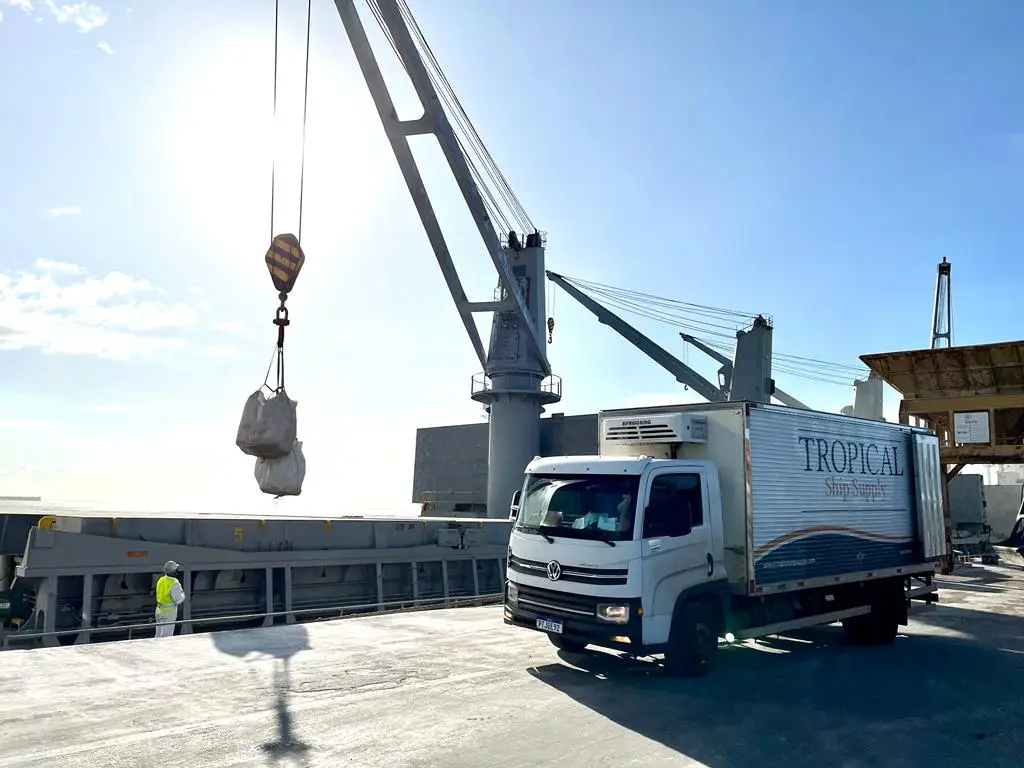
For supply companies like ours, there’s a clear lesson: modern shipping demands flexibility, fast adaptation, and strong partnerships in every port of call. Just as Chinese ships prepare to cross new frozen frontiers, we at Tropical Ship Supply continue to provide top-tier ship chandler services across Brazilian ports, prioritizing reliability, quality, and eco-conscious support for our global clients. You can learn more about related developments for the oil and shipping industries in our article on 2026 oil market numbers and outlook.
What challenges are left?
The main hurdles are still the cost and uncertainty of Arctic shipping. Seasonal closure due to ice, the need for constant convoy protection, and insurance concerns are not going away soon. But each passing year sees longer seasons, more icebreakers, and steadily increasing cargo numbers. As reports from cargo operators now show, 2023 already saw a jump in goods sent via the NSR, with LNG forming the bulk.
We stay tuned to each seasonal change and look forward to what this new route will mean—for global shippers, for port suppliers like us, and for all who depend on faster, more secure international trade. For deeper insight, explore our news on maritime logistics developments.
Conclusion
The NSR’s evolution into a regular Arctic trade lane is truly a turning point for global logistics. As China and Russia press ahead with their ambitious schedules, we at Tropical Ship Supply are inspired to push our own boundaries for service and support in the maritime industry. If you want to know more or need reliable ship chandler services at Brazilian ports, our team is ready to help reduce your costs and boost your supply reliability, wherever your route takes you.
Get in touch with us to start your journey toward smarter, global maritime logistics.
Frequently asked questions
What is the Northern Sea Route (NSR)?
The Northern Sea Route (NSR) is a shipping lane running along Russia’s Arctic coast, connecting the Atlantic and Pacific Oceans. It offers a shorter maritime path between Asia and Europe compared to traditional southern routes.
How does China benefit from Arctic shipping?
China benefits by saving time and fuel costs on voyages to Europe since the NSR route is significantly shorter than traveling via the Suez Canal. The route also helps China diversify its shipping options, reducing exposure to geopolitical risks in southern sea lanes.
When will regular Arctic shipping start?
Regular, reliable Arctic shipping between China and Europe via the NSR is planned to begin by 2026, with weekly sailings during the navigable season according to announcements by Rosatom and Sea Legend Shipping.
Is Arctic shipping faster than traditional routes?
Yes, using the NSR can cut shipping distance between Asia and Europe by up to 40%. This can mean voyages are up to two weeks shorter, resulting in faster delivery of goods.
What challenges does NSR shipping face?
Key challenges include seasonal sea ice that limits navigation, higher insurance and operating costs, dependence on icebreaker support, and unpredictable Arctic weather. Yet, improvements in icebreaker fleets and infrastructure are gradually easing these obstacles.
For more updates on global shipping, international trade, and supply chain developments, explore our analysis of international trade strategies and the latest marine logistics solutions.