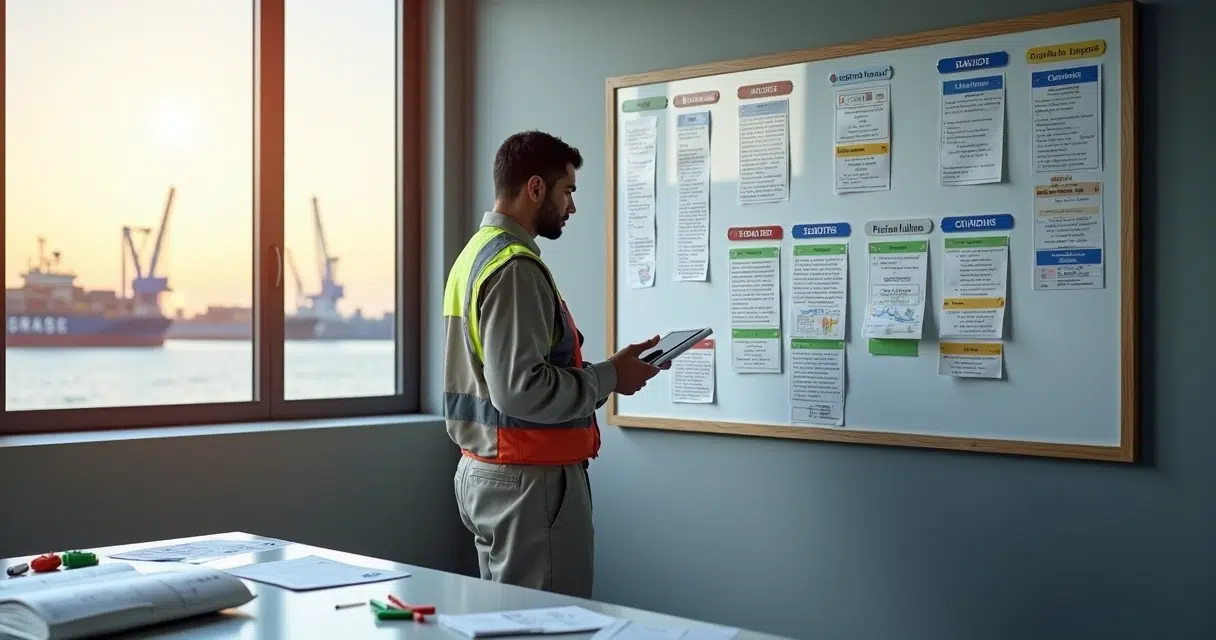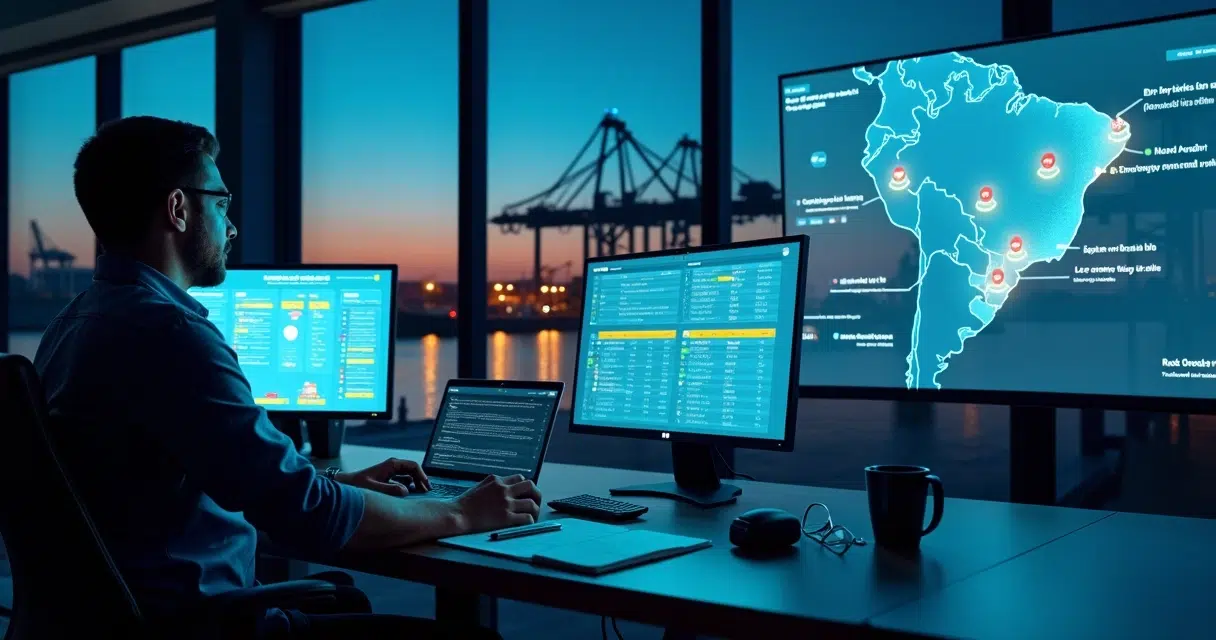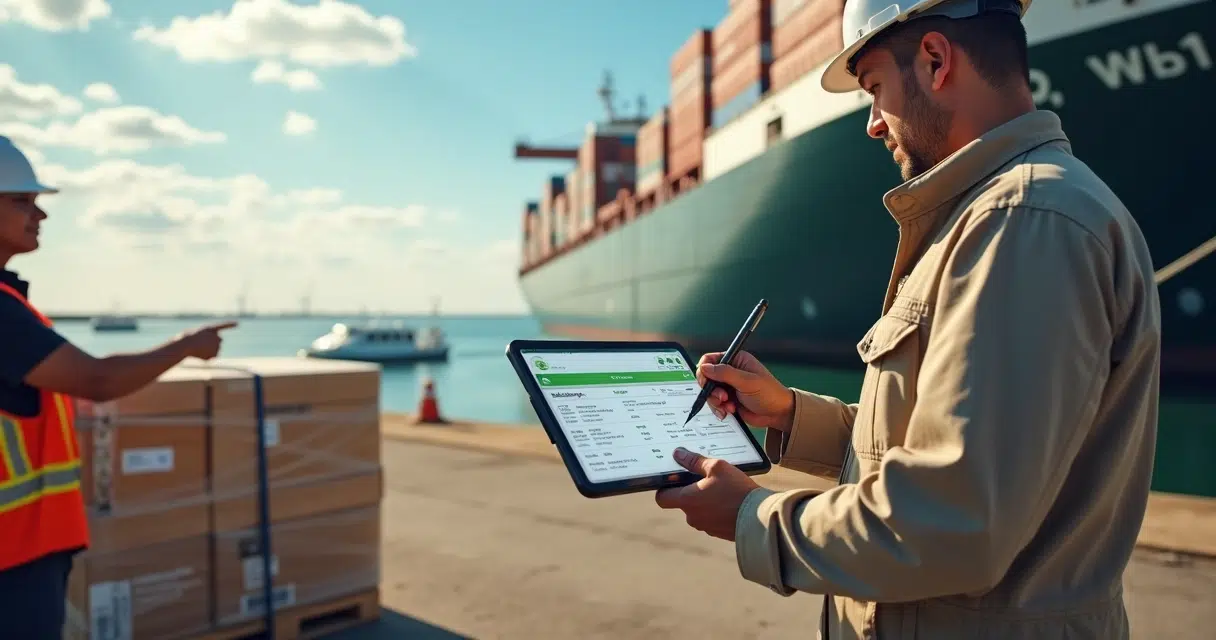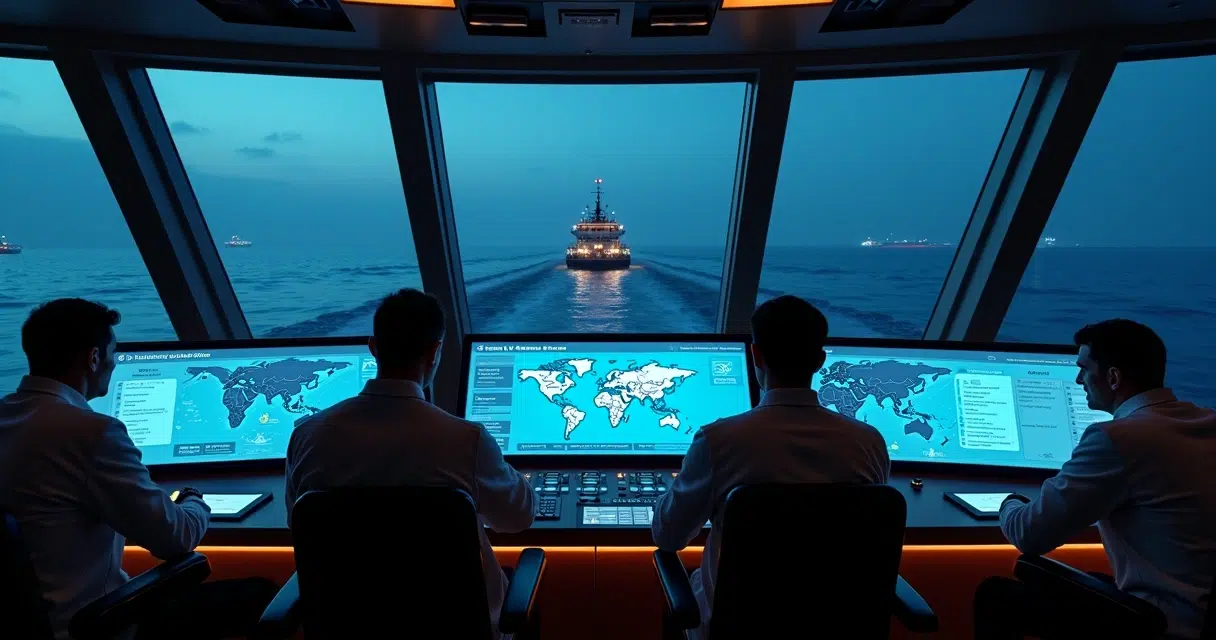
The shipping industry in 2026 feels remarkably different from what it was even a few years ago. What was once considered futuristic, artificial intelligence and cloud services for daily vessel operations, is now reality. At Posidonia 2026, we saw this shift firsthand, as Fleetwork, a leader in maritime tech from Greece, met with over 50 shipping companies in just 80 meetings. The conversations reflected a fresh outlook: shipowners and operators want more than patchwork solutions. They want platforms built for real-time visibility. They want automation to cut out repetitive work. And, most importantly, they want readiness for what’s coming next.
Today, we are not talking about digital transformation as a lofty idea, but as a day-to-day necessity.
Today, innovation means business, not just buzz.
The turning point: Operational AI and cloud for daily shipping
If we step back to survey the evolving landscape, the allure of integrated, cloud-based fleet management stands out. Shipowners and management teams no longer settle for isolated, on-premises tools. Instead, they look for scalable technology, systems that foster communication between ship and shore, automate paperwork, and use operational data as a strategic asset.
At Posidonia, Giannis Sarris, Fleetwork’s founder and CEO, summed it up best: Digital transformation has become a necessity, not just a goal. The numbers tell the story. Over 70% of the talks during this major maritime event centered on AI, automation, and cloud strategies.
The sector’s focus is clear. In our everyday work at TROPICAL SHIP SUPPLY LTD., we see similar priorities echoed in the needs of our partners, efficient task management, transparent supply processes, and reliable, real-time information flow. Innovation is not only about new gear; it’s about making life simpler and safer for crew and office teams alike.
- Real-time visibility: Know instantly what’s happening onboard and in the office.
- Automation: Reducing paperwork, manual reports, and wasted hours.
- Future readiness: Platforms that adapt as regulations, technology, and operational demands shift.
Fleet management powered by AI
The highlight of the 2026 event was Fleetwork’s AI-driven assistant, Al FleetYision. Unlike traditional admin tools, this system handles routine clerical work, retrieves crucial information in seconds, improves reporting, and supports faster decision-making for teams. In pilot projects, the company saw remarkable improvements:
- Reporting prep time cut by 90%
- Access to needed information completed in less than half the previous time
AI is no longer just a buzzword, it’s a practical tool that reshapes how whole fleets operate.
Early success stories from industry surveys support this momentum. About 87% of companies now use some form of generative AI, mainly to ease back-office work. However, challenges remain: 71% still grapple with data integration, and 64.5% struggle with unreliable source data, which can limit full operational advantages from AI. These numbers come from a key 2026 industry survey on AI adoption.
In our view at TROPICAL SHIP SUPPLY LTD., the promise of AI is clear, but it relies on solid data and seamless integration across company systems and workflows.
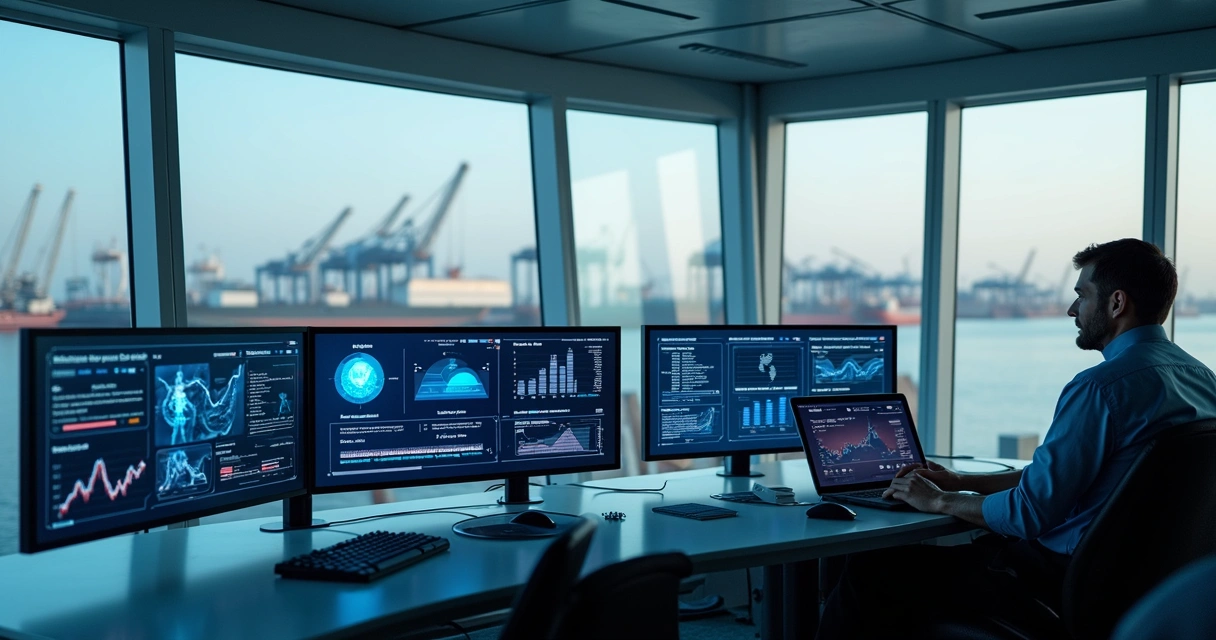
Cloud platforms: Building blocks for modern fleet operations
Fleetwork’s platform, assembled on Amazon Web Services, has become more than an IT upgrade. It brings maintenance schedules, spare parts ordering, inventory, safety protocols, accounting, crew management, and operation logs under one umbrella. In just two years, this single platform reached 300 users across more than 100 ships and served 11 shipping companies in different countries.
The real buzz for us as service providers comes from features that improve every role within the organization:
- A mobile app for easy, remote monitoring of fleets
- Equipment management, task approval, and performance reviews, all done from a phone or tablet
- Custom dashboards that suit the needs of superintendents, procurement officers, finance teams, crew, and senior management
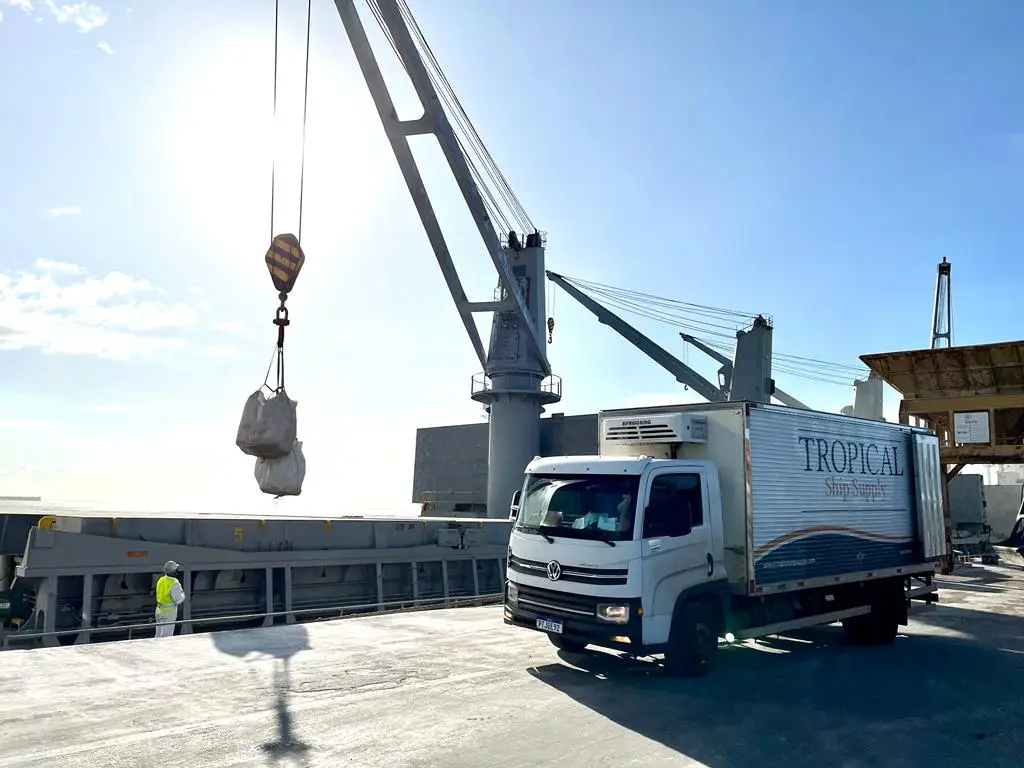
At TROPICAL SHIP SUPPLY LTD., we share this spirit, offering clients transparency, traceability, and the reassurance of accurate supply and delivery records across Brazilian ports.
This trend is reflected in a 2026 fleet benchmarking report: more than half of surveyed fleets actively research or test new AI capabilities. Their priorities are clear: cost control, meeting new standards in emissions, and preparing for changes in shipping equipment and infrastructure. We see this firsthand in our supply contracts, which increasingly require digital invoicing and regulatory compliance, as detailed in our article on navigating digital invoicing in maritime supply contracts.
From paperwork to smart decisions: The role of AI-powered automation
We now see platforms like Fleetwork’s Al FleetYision being more than a “nice to have.” It lifts a huge weight from office teams by taking care of repetitive administration. With smart data access and faster insights, decision-makers spend more time steering their fleets and less hunting for spreadsheets or filling out logs.
This is not theory. Frequent feedback shows how automation can slash administrative labor, boost team agility, and improve safety. Our own experience proves that automated inventory and maintenance solutions reduce supply shortages and boost performance at critical moments.
Broader industry studies highlight the same: predictive analytics help fleets anticipate equipment failures and plan repairs, which is now standard for many heavy-duty operations as confirmed in 2025 industry data.

This is the same mindset guiding how we at TROPICAL SHIP SUPPLY LTD. supply and serve vessels across Brazil, bringing together technology, local knowledge, and a focus on zero-waste, on-time delivery backed by industry best practices in marine logistics.
The changing face of shipping: Regulation, competition, and opportunity
Why is this transformation inevitable? The answer is simple: rules are tougher, competition is sharper, and margins are thinner. Fleets are under greater pressure than ever:
- More regulations on emissions and safe operation impact day-to-day choices from the engine room to the boardroom.
- With real-time video telematics and automation, companies are seeing measurable benefits: improved crew and vessel safety, fewer incidents, lower claims, and better protection of assets, as noted in studies of AI-powered video telematics in shipping.
- Data-driven platforms are rapidly becoming the new standard for proactive, responsible fleet management as regulatory costs continue to rise.
What stands out to us, both as ship supply professionals and technology advocates, is the value of real-time, accurate intelligence for every decision, from reordering a part to planning a major journey. Ship operators who use cloud technology and AI-powered tools are not only better equipped to manage today’s rules, but to make the leap to smarter, leaner fleets.
Conclusion: The next frontier is hands-free, cloud-first shipping
The future of fleet management is already here. AI-powered processes, cloud-native services, and role-specific dashboards take the guesswork out of shipping. Fleetwork’s experience shows that this approach leads to tangible improvements in speed, accuracy, and safety at sea. Our team at TROPICAL SHIP SUPPLY LTD. is committed to supporting clients as they navigate this new landscape, combining reliable local service, digital transparency, and attention to each vessel’s unique journey.
Shipping in 2026: Data at your fingertips. Decisions with confidence.
Want to see how we can help your operation adapt and thrive in the new era of fleet management? Contact us for a free consultation and discover how our services power competitive fleets, on Brazilian waters and beyond.
Frequently Asked Questions
What is AI fleet management?
AI fleet management is the use of artificial intelligence technologies to help shipping companies handle maintenance, regulate workflows, and make better operational decisions by automating routine tasks, analyzing large data sets, and providing real-time insights across ships and shore offices.
How does cloud improve shipping?
Cloud technology improves shipping by centralizing information, connecting teams on land and sea, and allowing secure, real-time access to maintenance, inventory, finance, and operation tools from anywhere. It breaks the old dependency on slow, fragmented systems.
Is AI worth it for shipping fleets?
Many fleets report that AI shortens reporting times, reduces manual work, and supports fast, informed choices. However, strong results depend on having reliable data and good integration. As of 2026, over 87% of companies are using AI mainly for back-office support, and more than half are now researching AI for their broader operations.
What are the best fleet management tools?
The best fleet management tools are unified platforms that combine maintenance planning, procurement, safety checks, crew management, accounting, and real-time reporting, all accessible through cloud-based dashboards and mobile apps, with automation and AI features designed for role-specific workflows.
How much does AI fleet management cost?
AI fleet management costs depend on the scale of your operations and the exact tools you choose. Most cloud-based solutions offer tiered subscriptions, allowing smaller companies to start with basic features and grow as needed. The return comes from reduced manual labor, fewer errors, and greater speed in daily operations.