
At TROPICAL SHIP SUPPLY LTD., we know that conversations about ship supply performance can quickly shift from general service quality to the measurable numbers that drive real decisions. In our experience, when shipowners or managers seek a supply partner at Brazilian ports, their focus almost always lands on four core Key Performance Indicators: On-Time In-Full (OTIF), fill rate, lead time, and claims rate.
Each of these KPIs gives a specific, clear answer—either things are running smoothly, or improvement is needed. They’re not just statistics. They tell a story about reliable operations, financial impact, and the reputation that either supports or jeopardizes a shipping schedule. By sharing what we’ve learned at TROPICAL SHIP SUPPLY LTD. and connecting with recent industry studies, we help shipowners see why these indicators truly matter and how to make supply chains leaner, faster, and more dependable.
Why KPIs shape marine supply performance
Every ship needs provisions, technical stores, and spare parts with minimal disruption. Ship supply isn’t just a matter of what arrives, but how, when, and at what cost. Our team’s daily routines—coordinating with agents, clearing port authorities, ensuring documentation, and responding to last-minute requests—come down to performing well on KPIs. We believe KPIs matter because:
- They provide a transparent foundation for conversations between shipowners and suppliers
- They drive continuous improvement and trust
- They connect operational actions with measurable results and costs
On any busy Brazilian port, we’re reminded that performance data outlasts good intentions.
 What is OTIF and why do shipowners rely on it?
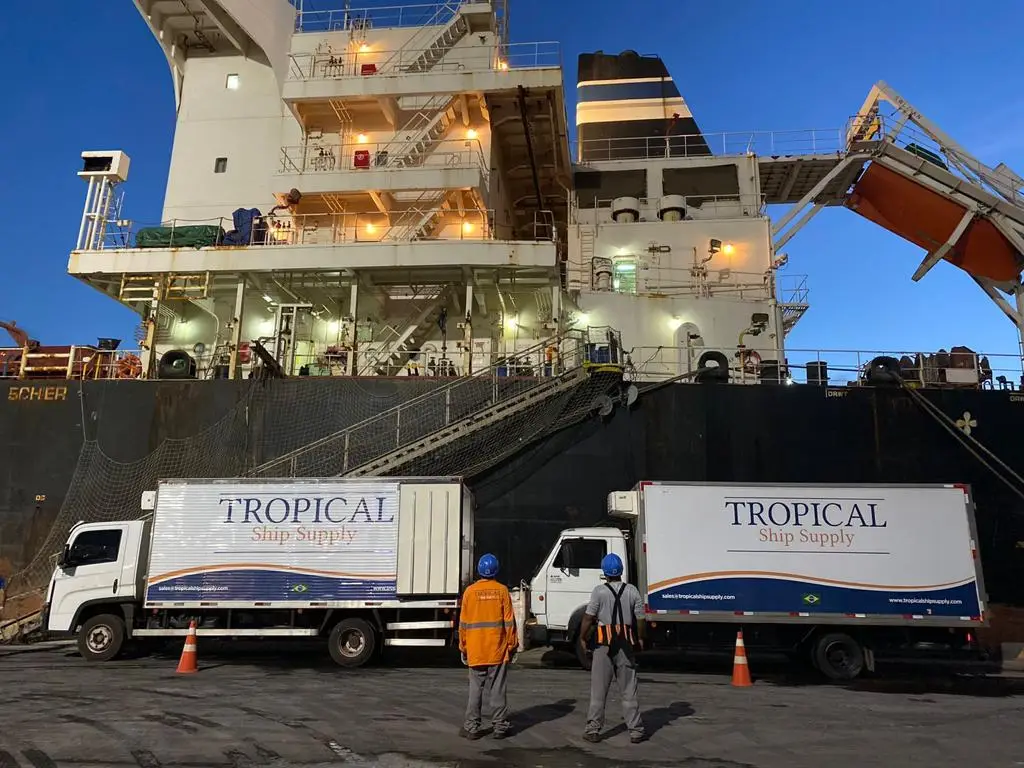 What is OTIF and why do shipowners rely on it?
OTIF stands for On-Time In-Full, measuring the percentage of orders delivered at the promised time and with the correct quantities. When a vessel schedules a port call, timelines are tight—missed deliveries disrupt both crew welfare and navigation.
We have found that focusing on OTIF drives better planning and communication in every step of the supply chain. If OTIF drops, shipowners immediately feel the effects through additional waiting time, higher costs, and extra coordination. According to research conducted by MIT’s Center for Transportation & Logistics, even a single percentage point improvement in OTIF can reduce overall supply chain costs by 0.5–1.5%, showing that accuracy in delivery timing and quantity supports both reliability and savings (studies from MIT’s Center for Transportation & Logistics).
“Ships depend on flawless, timely supply to remain on schedule.”
That’s why OTIF is not just a KPI, but a daily operational goal.
Understanding fill rate in maritime supply
We are often asked: What is the fill rate? It’s the share of ordered items or SKUs that are actually delivered in a complete and timely way. If a vessel orders 50 line items and receives 45 in the first delivery, our fill rate stands at 90%. The closer to 100%, the better the performance—and the lower the risk of disruption for the vessel.
In practice, fill rate shows us how well the supplier anticipates needs, maintains inventory, and organizes picking and packing. For a sector where even small shortages can halt maintenance or disrupt routine onboard activities, high fill rates make the difference between a smooth port call and costly delays.
 Impact of lead time on ship supply
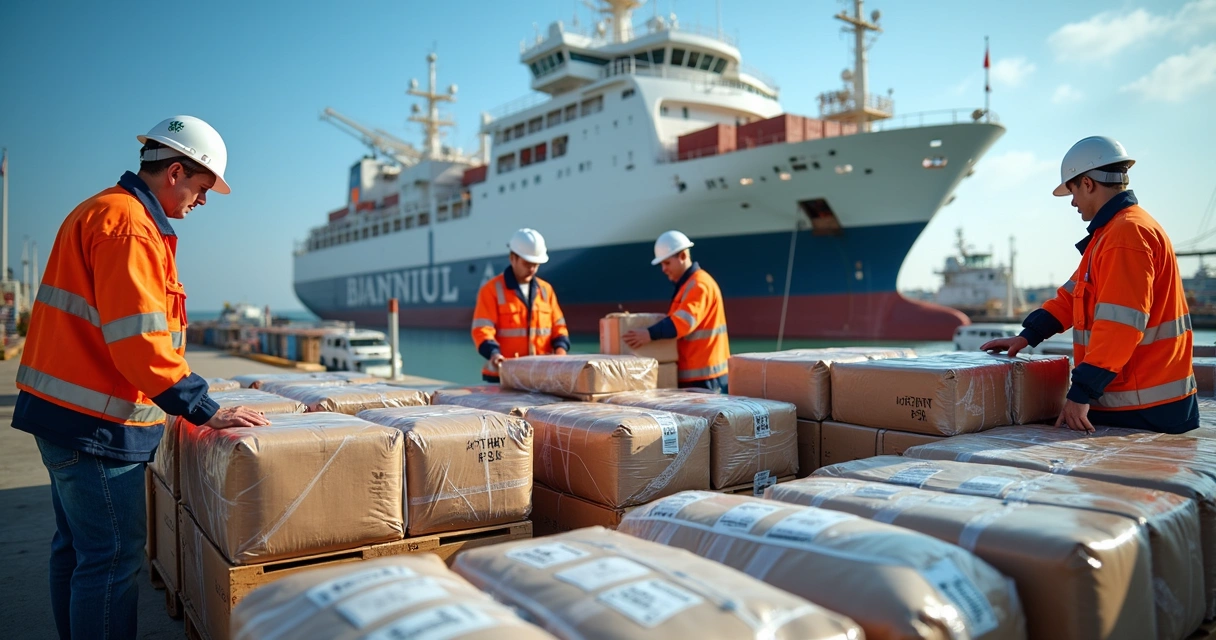 Impact of lead time on ship supply
Lead time, the duration between placing an order and completing delivery, directly affects vessel schedules. If lead times are unpredictable, it’s hard for shipowners to plan port operations and avoid unnecessary extra costs.
At TROPICAL SHIP SUPPLY LTD., we measure and communicate our average lead times for each region and product group. Recognizing patterns helps us improve planning, anticipate port traffic, and manage urgent last-minute supply requests. If you want ideas on managing short-notice needs, see our approach on how to stay ready for last-minute supply requests: how to stay ready for last-minute supply requests.
For shipowners, consistent and reasonable lead times mean lower inventory holding costs onboard and fewer stressful surprises at port.
Claims rate—A measure of quality, accuracy, and trust
No one enjoys dealing with claims, but they are a reality in ship supply. The claims rate measures how often deliveries result in formal complaints or claims due to damage, wrong items, or missing provisions. A low claims rate signals reliable documentation, careful handling, and attention to detail.
When our claims rate remains low, we know we’re reducing the administrative burden on our clients, saving time, and building a stronger relationship. Each claim represents a problem for the vessel, but also feedback for our team—prompting us to review chain-of-custody, packaging, and supplier communication. Over time, our improvements around this KPI help us sustain the reputation for quality that our clients have come to expect.
Connecting KPIs for a complete supply experience
We’ve seen, through years of work, that the four KPIs—OTIF, fill rate, lead time, and claims rate—are deeply connected. Raising OTIF usually boosts fill rate, while reducing lead time shrinks the chance for claims. Focusing on each in isolation isn’t as powerful as harnessing their combined strength.
It takes a committed, experienced team to deliver these results. At our bases in key ports across Brazil, we put systems and teams in place to track our KPIs, adjust quickly, and keep feedback loops open with shipowners and agents. This has helped us maintain a reputation for transparent, rapid, and consistent service.
Strategies for keeping KPIs high
What works for us? We focus on continuous process review, regular team training, and a partnership approach with both clients and suppliers. For instance:
- Clear communication from quotation to proof of delivery reduces misunderstandings and helps track performance—see how we structure our flow for strong traceability: from RFQ to proof of delivery.
- Having strategic bases allows us to support vessels across North and Northeast regions without delays or last-minute mishaps.
- Our reliability, quick response, and all-in-one-solution mindset have been highlighted by testimonials from vessel operators who rely on us for all major supply categories.
If you’re navigating vessel calls in Brazil and want tried-and-true reliability, consider the reliability of our supply solutions built specifically for these shipping environments.
Conclusion
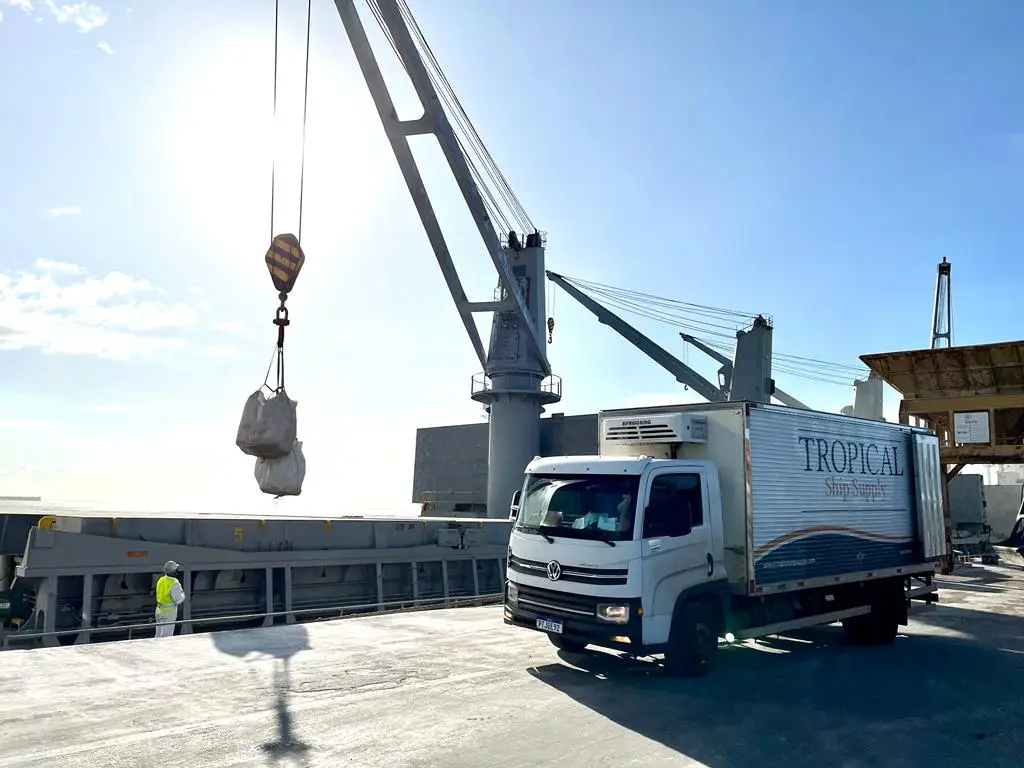 Conclusion
Shipowners and managers cannot afford to guess at supplier performance. By tracking OTIF, fill rate, lead time, and claims rate, we turn hard numbers into visible, lasting value. Every vessel that makes port with the supplies it needs—without incident or delay—builds trust that lasts far beyond a single voyage.
If you’re planning ship calls in Brazil’s North and Northeast and want the confidence that comes from rock-solid operations, reach out. Our commitment at TROPICAL SHIP SUPPLY LTD. is to deliver the data-driven, proactive service your team deserves.
On-time. Complete. Accurate. These are the numbers we stand by.
Looking to reduce costs without sacrificing reliability during calls in Brazil?Tropical Ship Supply supports vessels with on-time delivery, consistent quality, and local assistance across key ports in the North and Northeast.
Contact our team and request a quote:Quotation@tropicalshipsupply.com+55 98 98347-0908 (24hr) WhatsApp
Frequently asked questions
What is OTIF in ship supply?
OTIF stands for On-Time In-Full. It represents the percentage of orders delivered exactly when promised and with the complete set of items requested by the vessel. Shipowners pay close attention to this KPI to ensure smooth vessel operations and avoid delays that can lead to additional costs and scheduling problems.
How is fill rate calculated?
Fill rate is calculated by dividing the number of items delivered on the first attempt by the total number of items ordered, then multiplying by 100 to get a percentage. For example, if a vessel requested 40 items and received 36, the fill rate would be (36 ÷ 40) × 100 = 90%.
Why does lead time matter?
Lead time matters because it affects a vessel’s ability to plan operations and minimize costs. Predictable lead times reduce the risk of unexpected delays and lower the need for extra inventory or rush-orders during port calls.
What is claims rate in shipping?
Claims rate measures the percentage of deliveries that result in formal complaints or claims due to issues such as missing, damaged, or incorrect items. A lower claims rate means fewer problems, less paperwork, and better trust between supplier and shipowner.
How can I improve my KPIs?
Improving ship supply KPIs involves open communication, robust inventory management, and regular analysis of delivery data. Shipowners and suppliers should agree on performance benchmarks, share feedback, and work on continuous process improvements. At TROPICAL SHIP SUPPLY LTD., our experience shows that the best results come from close partnerships, proactive problem-solving, and a clear focus on the specific KPIs that matter most.