
The reopening of the Strait of Hormuz following the historic U.S.-Iran agreement has renewed hope and sparked cautious optimism across global shipping, energy sectors, and our community at Tropical Ship Supply Ltd. The tension and disruption that marked the three-month conflict have subsided, but we now look toward a market bracing for rapid recovery and emerging challenges.
The blockade and its ripple effects
This latest crisis was not just a matter of geopolitical rivalry—it was the largest oil supply disruption on record, exceeding 14 million barrels per day of Middle East oil output temporarily shut in, as reported by the International Energy Agency. That single figure should give pause to anyone involved in maritime logistics or energy markets.
The flow of oil determines global tides.
During the bottleneck, commercial shipping firms and energy importers faced severe logistical and financial stress. Countries scrambled to release strategic reserves, shift contracts, and find alternatives—a set of maneuvers detailed in the Fortune analysis of the recovery timeline.
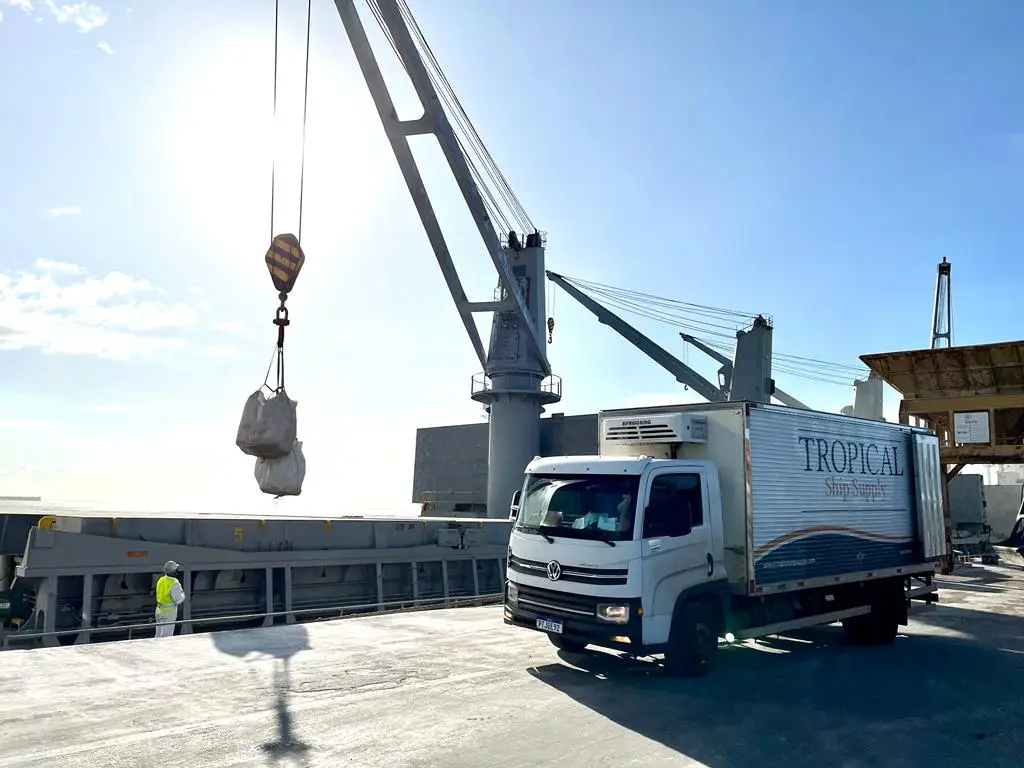
At Tropical Ship Supply, we experienced firsthand the uncertainty and complexity of acting during such a large-scale disruption. Our work—delivering vital provisions, equipment, and support to ships operating in Brazilian ports—depends on robust global logistics and reliable oil supply. When that breaks down, costs rise and planning becomes a gamble.
A gradual road to recovery
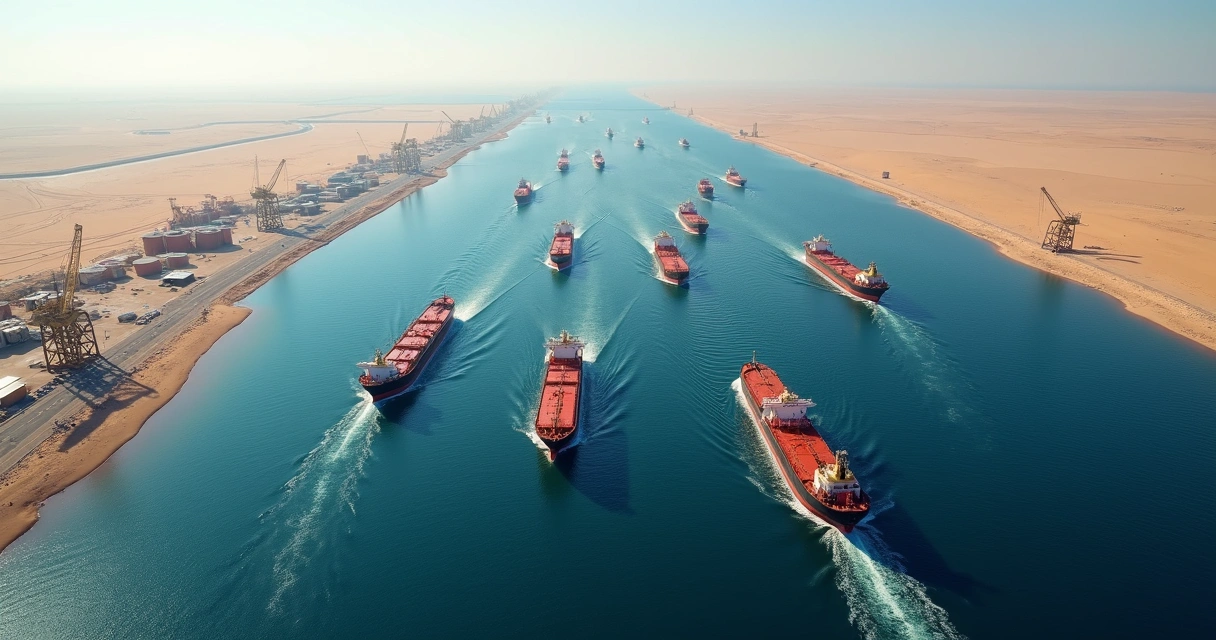
The agreement between Washington and Tehran prompted an immediate end to the U.S. naval blockade, clearing the route for oil tankers and commercial vessels that had been stranded or rerouted. However, the disruption lingers in ports and aboard ships worldwide. The International Energy Agency has been clear: oil exports and output from the Gulf are expected to recover, but only gradually. Supply chains need time to reboot, drillers must restart operations, and infrastructure—idled by months of tension—needs rigorous checks before normal throughput is restored.
 For countries dependent on Middle Eastern oil, relief is palpable but tempered by the logistical and administrative hurdles that a restart involves. After all, 14 million barrels per day do not simply begin flowing overnight. According to the Fortune review of IEA data and supply flows, a phased ramp-up is underway, led by the full resumption of Iranian oil exports. The IEA, in its latest monthly report presented on a Wednesday, stressed that coordination at every port, terminal, and shipyard is now vital.
- Drilling operations are being brought back online, with some facing technical or safety hurdles.
- Shipments of equipment, food, and marine supplies need to flow in lockstep with fuel cargoes.
- Inventory teams are hustling to refill depleted tanks and resupply empty vessels.
This phased recovery echoes what we at Tropical Ship Supply have experienced: efficient cooperation at every level is now more vital than ever.
Market outlook: From crisis to surplus
All eyes are now turning toward the next big question: What will happen when both production and exports return at full steam? The International Energy Agency’s forecast for 2027 stands out for its clarity and urgency. The agency projects a dramatic shift from the current recovery mode to a scenario where global oil supply outpaces demand by a wide margin.
Surplus is coming—are we ready to manage it?
The IEA expects global supply to increase by 8 million barrels per day by 2027, while global demand may rise by only 2 million barrels daily. This signals a looming oversupply, with the potential to pressure prices, alter trade flows, and renew geopolitical risks as producers adjust output plans. Such a landscape inevitably affects the way we provide marine supply solutions and adapt our services to the evolving needs of shipowners and agents.
- Energy importers may use this window to rebuild depleted inventories, securing reserves for future volatility.
- Countries are likely to consider expanding or creating new strategic petroleum reserves as a hedge.
- Vessel operators might rethink routes, contracts, and delivery schedules in anticipation of fluctuating oil prices.
We at Tropical Ship Supply see the value of this surplus as a rare period to consolidate logistics strength and support fleet sustainability planning. As sustainability and cost management gain focus, our role in providing solutions—including renewable energy integration and waste reduction—is even more relevant.
Feelings on the waterfront
In our circles—ports, terminals, and shipyards around Brazil—there is relief, yes. But it’s mixed with skepticism. People know that supply is recovering, but few expect smooth sailing for long. Many recall still-fresh lessons from the last three months:
- No supply chain, however robust, is immune to global shocks.
- Quick adaptation is possible, but only when every player communicates clearly and acts decisively.
- Building extra reserves comes with costs and storage headaches, but may now be accepted as standard practice.
 The reopening of the strait brought immediate relief, but there is growing awareness that overabundance and fluctuating demand will create new pressures and opportunities. Those involved in shipping, refining, and energy transition are watching closely how governments and companies handle strategic reserves and inventory levels to avoid previous mistakes.
Resilience, trust, and readiness
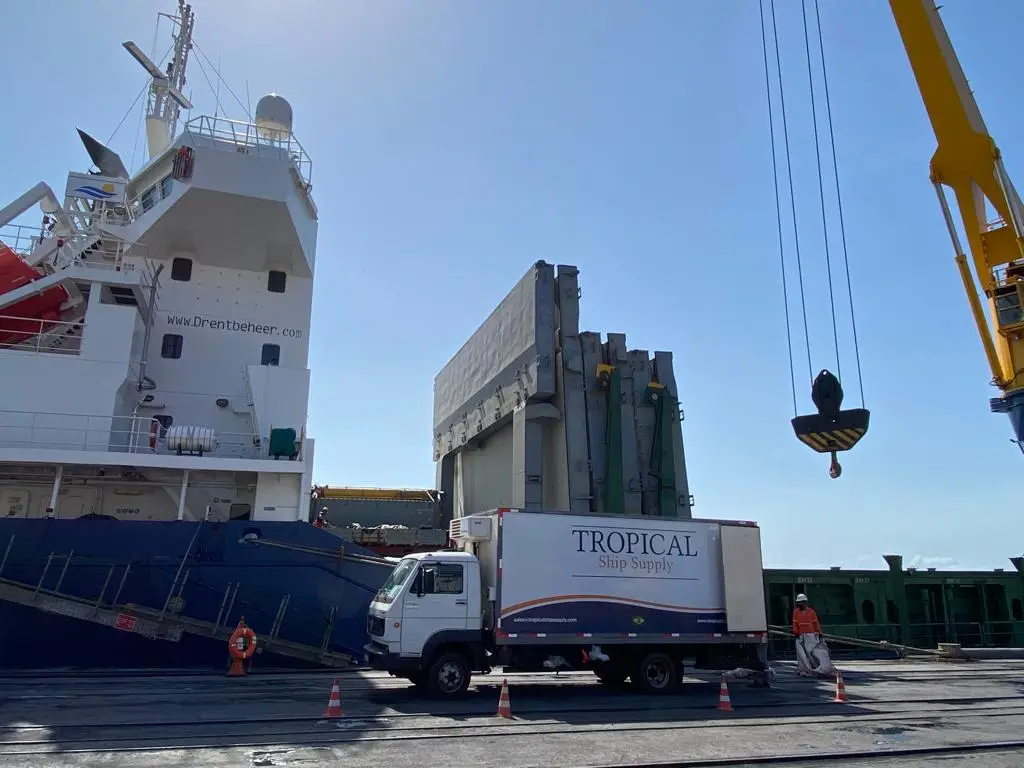
As Tropical Ship Supply, we know that agility and trust stand at the core of maritime partnerships. Over the last months, our teams have worked tirelessly with local agents, shipowners, and port authorities to ensure provisions, supplies, and technical expertise reach vessels without delay. If the forecasted surplus presents opportunities, it also requires vigilance—adjusting procurement, renewables, and delivery plans to stay ahead of market shifts.
During every global crisis, some lessons repeat:
- Transparently communicating with clients and partners increases collective resilience.
- Maintaining reliable, ready stocks can turn uncertainty into competitive advantage.
- Sustainability and adaptability should guide every long-term investment in port and vessel operations.
The best time to build strength is before the storm.
If you are involved in maritime supply or looking to adjust your fleet’s strategies for reliability and cost control, it’s a perfect moment to rethink partnerships and structures. In challenging times and times of surplus, we remain dedicated to supporting you with custom-tailored supply solutions across Brazilian ports.
Conclusion
The reopening of the Strait of Hormuz signals more than the end of crisis—it launches a new chapter defined by recovery, surplus, and strategic recalibration. As oil flows resume and ship movements return to normal, we at Tropical Ship Supply remain ready to assist every vessel, every agent, and every operator navigating the uncertain tides ahead.
Connect with us to experience on-time delivery, local support, and the full scope of services you need to navigate this new era. Let’s build resilience and opportunity together.
Frequently asked questions
What is the Strait of Hormuz?
The Strait of Hormuz is a narrow waterway connecting the Persian Gulf with the Gulf of Oman and the Arabian Sea, serving as a vital passage for global oil shipments. It is considered one of the most strategic chokepoints in maritime trade, with a significant share of the world’s seaborne oil passing through its waters.
Why was the Strait of Hormuz closed?
The strait was closed due to a three-month conflict between the U.S. and Iran, which led to a naval blockade by the United States. This resulted in the shutdown of over 14 million barrels per day of Middle Eastern oil output, dramatically affecting global energy markets, as highlighted in the Fortune coverage of the disruption.
How does reopening affect oil prices?
The immediate reopening of the Strait of Hormuz is expected to boost oil supply and ease price pressure, but a full recovery will be gradual. The IEA notes that the supply pipeline and global inventories will take time to recover, and in the longer term, a surplus may even lead to downward pressure on oil prices as supply outpaces demand.
Will oil supply remain stable now?
The expectation is for gradual stabilization, as noted by the International Energy Agency. However, given ongoing logistical hurdles and the time needed to restore full output and distribution, some volatility remains likely in the weeks ahead, especially as surplus builds.
Where can I track oil surplus updates?
Updates on oil surplus and global energy conditions are available through reputable industry reports and news. For up-to-date insights focused on maritime and shipping, you can also follow our updates via the Tropical Ship Supply oil market outlook and international trade news section. For official supply and demand data, the International Energy Agency remains a go-to reference.